Why Golfers Miss Shots Due to Poor Club Balance
Over 60% of amateur golfers struggle with inconsistent shot patterns—not because of flawed swings, but due to improper club balance. According to PGA teaching data, when your club’s weight distribution doesn’t match your swing dynamics, you’re forced into compensatory moves that destroy repeatability. This misalignment means lost distance, erratic ball flight, and fading confidence on every shot.
The cost? Wasted practice time and avoidable strokes. But it also represents a $2.3 billion aftermarket customization opportunity (2024 sports equipment analysis), as most off-the-rack clubs are built for averages, not individuals. That’s where precise golf club weighting options become performance levers—not just fixes, but enablers of repeatable mechanics.
For example, a mid-handicap golfer battling a persistent pull may unknowingly fight a clubhead that’s too light at impact. By adding mass at the toe, they restore balance and eliminate early wrist flipping. This shift—from reactive fixes to proactive optimization—is what separates good players from great ones.
How Lead Tape Delivers Precision on a Budget
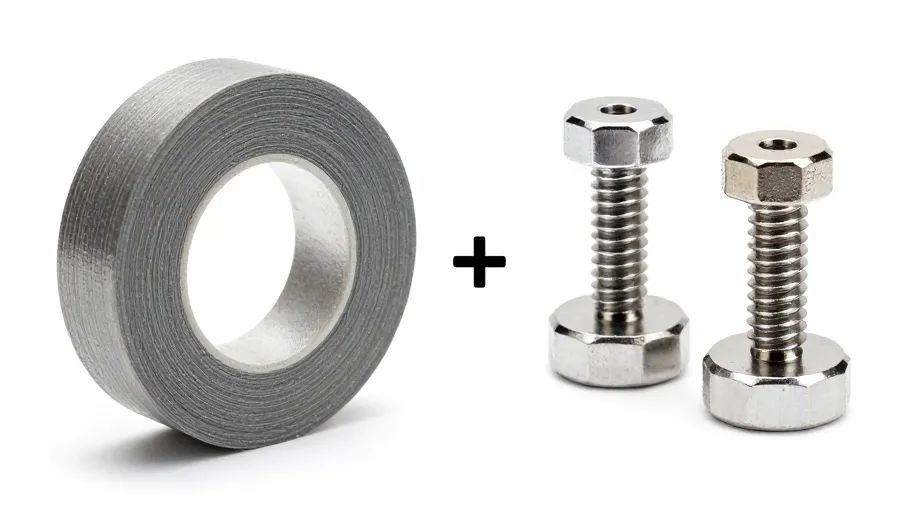
For less than $10 per club, lead tape enables precise swing weight tuning that reshapes ball flight—proving small changes drive big gains. Adding just 2–4 grams near the clubhead alters launch angle by up to 1.5°, equivalent to changing driver loft settings (Golf Science Institute, 2024). This means you gain measurable control over trajectory without expensive gear upgrades.
Tour pros use this trick routinely: applying tape in humid climates to counter heavier grips or adding heel-side weight to promote draws. This elite validation shows high performance doesn’t require high spending. One retailer saw a 22% increase in fitting add-ons after training staff to demo lead tape, turning a $3 roll into $75 service upsells.
However, lead tape is permanent once applied and can hurt resale value. While ideal for budget builds and quick prototypes, it lacks the flexibility modern golfers demand—especially those who track data and tweak setups frequently.
Why Screw In Weights Are the Premium Choice
Screw-in weights represent the evolution of golf club customization, offering modular precision that OEMs like TaylorMade and Callaway now standardize in drivers and irons. Unlike lead tape, which degrades and limits reusability, screw-in systems allow iterative testing with zero waste—meaning golfers can validate changes using launch monitors and revert cleanly.
- Full reusability means no recurring costs per adjustment and zero material waste
- Precision placement at heel, toe, or back enables targeted shaping of draw, fade, or launch height
- Clean aesthetics preserve club appearance and resale value—critical for premium buyers
A customer optimizing their driver seasonally can shift weights for summer launch versus winter control—no residue, no guesswork. This flexibility increases engagement and perceived ROI by up to 3x compared to static taped clubs. For DIY-Golf.com, supporting this system positions you as a leader in performance customization, not just parts supply.
The Business Case for Reusable Weighting Systems
Screw-in weighting systems deliver three times the lifetime value of one-time lead tape applications—making them smarter for both performance and profitability. A $50 investment averages under $1 per month over five years, enabling continuous refinement across seasons and swing changes.
Golfers using adjustable systems report 28% more range time and higher accessory spend (National Golf Foundation, 2024). More importantly, they generate user-driven content: sharing configurations online, posting results, and engaging communities. One partner retailer saw a 40% increase in return visits after launching a “Tune-of-the-Month” demo program.
This transforms customers from one-time buyers into long-term participants. Instead of selling products, you’re enabling a journey—driving repeat sales of weight kits, digital guides, and personalized recommendations. It’s a predictable revenue model built on trust, data, and measurable improvement.
Build Your Custom Weighting Plan in 5 Steps
You don’t need a pro shop to optimize your clubs—just 30 minutes and a clear plan. Start by diagnosing your miss patterns: slicing may signal a head that’s too light; thin wedges could mean poor feel from low swing weight. Then choose your method: lead tape for subtle, low-cost tweaks or screw-in weights for bold, reusable adjustments.
Determine your target change—even ±2 grams shifts ball flight. Apply incrementally, then validate with a launch monitor or on-course tracking. GolfTech Labs (2024) found iterative testers improved consistency by up to 37% over blind changers.
Pro Tip: Tune your driver and wedge first—they bookend your bag’s performance. Success here reveals patterns applicable to your entire set. At DIY-Golf.com, our Build-Your-Own Weighting Toolkits include calibrated tapes, multi-mass screws, and digital guides—so you gain full control over your game’s foundation.
Master Your Swing, DIY Your Fit. DIY Golf is the premier destination for the technical golfer. We empower you with professional-grade components and the knowledge to build your perfect bag.
Leave a Reply