Blog

  • Build Tour-Level Golf Clubs in Your Garage for Half the Cost

    Build Tour-Level Golf Clubs in Your Garage for Half the Cost

    Why golfers are ditching store-bought clubs

    Off-the-rack clubs are built for averages, not individuals. That’s a problem—because no two swings are alike. A mismatched shaft flex or grip thickness can ruin consistency before you even address technique. Custom-fitted clubs improve shot consistency by 28%, according to the National Golf Foundation’s 2024 survey, yet fewer than 15% of amateurs use them due to $300+ price tags.

    DIY-golf components change that. Complete kits with forged heads, graphite shafts, and performance grips now cost under $150. Building at home cuts out retail markups and gives you full control over specs. That means personalized swing dynamics tailored to your biomechanics—not guesswork. One mid-handicapper in Raleigh lowered his handicap by four strokes in three months just by matching his irons to his swing tempo. This isn’t hobbyist tinkering; it’s performance engineering made accessible.

    Why DIY parts beat mass-market clubs

    Today’s DIY-golf components aren’t knockoffs—they’re engineered to exceed factory standards. Independent 2024 testing by Golf Digest found leading carbon fiber shafts maintain ±1g weight variance and ±0.25° angular tolerance, matching OEM specs once reserved for pro shops. That precision directly improves shot repeatability because consistent build quality means predictable ball flight.

    These materials also enhance feedback. Grips infused with vibration-dampening polymers reduce hand fatigue, so you can practice longer without strain. Modular hosels and adjustable weight ports let you fine-tune loft, face angle, and MOI between range sessions—no tools needed. One builder optimized his driver’s forgiveness efficiency to 89% by shifting internal weights, rivaling $3,000 robotic fittings. This level of iteration was impossible with off-the-shelf clubs. Now, it’s standard in DIY builds.

    How custom builds boost real-world performance

    A properly assembled custom club aligns with your swing mechanics, turning wasted energy into distance and accuracy. TrackMan data shows misfit clubs lose 7–10% of swing energy due to poor shaft deflection and center-of-gravity misalignment. That’s like leaving 10 yards on the table every drive.

    Custom builds eliminate that leakage. Matching shaft flex and kick point to your swing speed ensures optimal launch conditions. Using a swing weight analyzer, you can set the balance point to match your natural tempo—typically D0 to D5 for amateurs—so every club feels like an extension of your body. Grip thickness matters too: USGA biomechanical studies show optimized grips reduce overactive wrist movement, cutting slicing by up to 22%. These aren’t minor tweaks—they’re measurable corrections to common flaws that lower scores.

    How to build your first club in two hours

    You don’t need experience—just a $200 starter kit and a workbench. Brands like GolfWorks and QuadraFit offer pre-calibrated heads, shafts, and grips with color-coded alignment guides and torque-controlled epoxy systems. The bond strength exceeds 4,000 psi (ASTM F2396 certified), meaning your DIY club is safer and more durable than many off-the-rack models.

    The real game-changer is shaft spining—finding and aligning the stiffest axis of the shaft. Factories skip this to save time, but doing it yourself stabilizes oscillation at impact, improving directional control by up to 18% (2024 player trial). Paired with a hosel alignment jig, first-time builders consistently replicate face angles within 0.5°. That’s pro-level precision. Two hours of work delivers a tournament-ready driver tuned to your swing signature. The ROI? Confidence, consistency, and ownership of your gear’s performance.

    Scaling to a fully matched set

    One club proves the concept—your full bag transforms your game. Off-the-rack sets force compromises. DIY lets you build with total system harmony. PGA professionals use a 2–3 gram mass increase per iron to maintain rhythm; now you can replicate that with calibrated sole weights and progressive shaft profiles.

    Use launch monitor data to test yardage gaps and adjust lofts or lies accordingly. Access to a loft and lie machine—via shared workshops or local fitters—lets you fine-tune after assembly. One builder reduced dispersion by 18% by adjusting three irons, proving small changes yield big gains. This end-to-end control doesn’t just match factory builds—it exceeds them. You’re not just assembling clubs. You’re engineering a repeatable, scalable advantage on every shot.

    Master Your Swing, DIY Your Fit. DIY Golf is the premier destination for the technical golfer. We empower you with professional-grade components and the knowledge to build your perfect bag.

  • Stop Fighting Your Swing: How Custom Weights Finally Fix Your Golf Slice

    Stop Fighting Your Swing: How Custom Weights Finally Fix Your Golf Slice

    Why lessons and new clubs aren’t stopping your slice

    You’re still slicing because your driver doesn’t match your swing—not fully. Even after lessons or a pro fitting, most clubs assume a neutral path. But if you naturally cut across the ball, that stock setup fights you every time. The result? An open face at impact, high side-spin, and drives that peel right. Recreational golfers lose over 25 yards per drive from unchecked spin (Golf Digest, 2023). That turns reachable par-5s into three-putt nightmares.

    Custom golf club weights mean you don’t have to rewire muscle memory to fix golf slice errors. Instead, they adjust the club’s balance to support your natural motion. Because when your equipment works with you, not against you, clean contact becomes repeatable—even under pressure.

    The equipment gap no fitter talks about

    Most launch monitor fittings end with grip, loft, and shaft advice. Rarely do they address rotational inertia—the club’s resistance to twisting on off-center hits. That’s where custom weights step in. Adding 6–8 grams to the heel shifts the center of gravity, increasing moment of inertia (MOI) around the vertical axis. This means the face resists opening during your downswing, promoting earlier closure.

    TrackMan data shows this reduces face-to-path differential by up to 3°, slashing spin rates by 800–1,200 RPM. That’s not a marginal gain—it’s the difference between a playable fade and a lost ball. For mid-handicappers trying to break 90, fewer recovery shots mean lower scores without overhaul.

    How weight placement changes your swing physics

    Shifting mass to the heel doesn’t just feel different—it acts like a built-in correction system. Increased MOI stabilizes the head through impact, so mishits stay in play. MIT Sports Lab (2022) found each 4g shift reduced dynamic lie deviation by 1.2°, meaning the club interacts with turf more consistently, even on toe strikes.

    One weekend player reported regaining control on 7 out of 10 mis-hits—more repeatable contact without changing his swing. At DIY-Golf.com, weights aren’t accessories; they’re diagnostic tools. Their plug-and-play system lets you test setups in minutes, revealing hidden flaws in balance and path. When physics replaces guesswork, every shot becomes actionable data.

    From feel to numbers: what launch monitors reveal

    Slice fixes often live in vague cues like ‘keep your hands quiet.’ But weight tuning delivers measurable results. By promoting a closed face at impact, custom weighting shifts spin axis toward the target line. ShotScope V4 data shows players maintained square face angles across 68% of swings—up from 43% with stock drivers.

    This is how to fix slice with DIY-Golf weights: a cycle of test → adjust → validate. Their online fit calculator matches your swing type to optimal weight placement. Whether you have a steep downswing or shallow arc, the right setup turns flawed mechanics into straighter outcomes. You’re not masking a flaw—you’re correcting its root cause with science, not folklore.

    Installing your first set takes 15 minutes

    Start by diagnosing your miss: consistent slices need heel-side weighting. Apply a +6g or +8g tungsten plug to the heel port. This promotes earlier face closure by shifting internal balance. Use torque-safe screws with thread locker to prevent loosening—validated on TaylorMade SIM, Callaway Rogue, and 10 other OEM models.

    For reliable results, hit five shots before and after with a launch monitor or smartphone app. One amateur cut his 18-yard fade to a 6-yard draw in two days—achieving in hours what coaching couldn’t fix in months. Visible ball flight correction often appears within two range sessions.

    Why one adjustment isn’t enough

    You’ve seen the difference—a quieter miss, tighter dispersion. But long-term accuracy isn’t a one-time fix. Your swing evolves. Aging, fatigue, or tempo shifts degrade performance over time. Fixed-weight clubs can’t adapt. That’s why elite players tune weekly.

    Use the PDCA cycle: Plan a goal (e.g., eliminate rightward drift), Do by installing new weights, Check with data, then Act to refine. PGA instructors report 73% of amateurs experience measurable swing drift within six months due to lifestyle changes. Custom golf club weights aren’t just tools—they’re part of a lifelong system for playability. With DIY-Golf.com’s refill packs and community forums, you always have the power to correct it, season after season.

    Master Your Swing, DIY Your Fit. DIY Golf is the premier destination for the technical golfer. We empower you with professional-grade components and the knowledge to build your perfect bag.

  • Stop Blaming Your Nerves – The Real Putting Culprit Is Your Putter’s Weight

    Stop Blaming Your Nerves – The Real Putting Culprit Is Your Putter’s Weight

    Why your putter is working against you

    Inconsistent putting usually has nothing to do with your hands—it’s about balance. On fast greens, a 1° face angle error turns a tap-in into a three-foot miss. Poor weight distribution amplifies human error, especially when pressure rises. USGA biomechanics data shows mismatched swingweight increases face angle variance at impact by 23%. That means more skidding, less roll, and unpredictable outcomes—even on straight putts.

    Moment of Inertia (MOI) resists twisting on off-center hits, while swingweight controls how the club feels during motion. Most players confuse total mass with balance, but it’s the relationship between head, shaft, and grip that determines whether your stroke stays stable. When inertia fights your natural pendulum motion, you compensate—leading to deceleration, yips, and missed opportunities.

    How adjustable weights stabilize your stroke

    Modern putter weighting systems eliminate instability at the source. Adjustable weight ports and counterbalancing allow precise tuning so your putter moves *with* your stroke, not against it. Shifting just 10g toward a mallet’s center reduces angular deviation by 1.7° over 100 robot-tested swings—equivalent to gaining nearly two feet of accuracy on a 30-foot putt. Adding 15g to the butt cap lowers wrist torque by 12%, according to motion capture studies, meaning fewer manipulations and more shoulder-driven consistency.

    Reducing skidding by up to 40% ensures truer roll from contact. That’s not just better physics—it means confidence on slippery breaks and lag putts you can finally trust. With modular systems now used in 78% of tour putters, your flatstick becomes a calibrated tool, not a liability.

    Match weight to your stroke type

    Your stroke isn’t random—it’s a pattern that reveals the ideal setup. If you naturally arc your stroke but use a high-MOI mallet built for straight-back-straight-through motion, you’re forcing your body to adapt to flawed design. That mismatch causes hand action, inconsistent contact, and poor roll. SAM PuttLab analysis of 1,200 amateur sessions found 61% of arcing strokes perform best with 5–10g added to the toe, syncing mass with natural rotation. Straight-line players gain 33% more path repeatability when weight centers under the shaft axis.

    High MOI doesn’t fix everything. A misaligned putter masks flaws instead of correcting them. True precision comes from aligning inertia with your actual movement—not chasing specs that don’t match your biomechanics.

    DIY tuning that cuts strokes fast

    Knowing your stroke type is step one. Customizing weight distribution is where real improvement happens. Golfers who adjust their putter weights report cutting an average of 1.4 putts per round within two weeks—turning bogeys into pars without changing their swing. Start with a 240fps phone video to analyze path and face rotation, then make 5g adjustments using interchangeable screws. Heel-toe weighting slows rotation for straight strokes; central or front weights promote faster toe release for arcs.

    Add mass to the grip end to fine-tune swingweight—this stabilizes tempo without dulling feedback. A 2024 performance review showed golfers tweaking iteratively achieved 92% higher satisfaction than those relying solely on one-time fittings. But don’t overdo it: too much counterbalance kills feel. The goal is control *and* connection.

    What better weighting really saves you

    Custom tuning isn’t a tweak—it’s a scoring upgrade. For a 15-handicap golfer, reducing three-foot misses by 20% recovers 0.8 strokes per round. That’s seven shots saved over five rounds, all from equipment that matches your motion. Golfers tracking adjustments in Arccos Caddie improved 13% faster in putting stats and converted 31% more GIRs from 100+ yards, proving short-game confidence reshapes decisions under pressure.

    When swingweight, MOI, and stroke path sync, face control becomes repeatable. You stop thinking about mechanics and start trusting your read. The real ROI? Treating your putter as a dynamic extension of your stroke—so every round feels predictable, controlled, and quietly dominant.

    Master Your Swing, DIY Your Fit. DIY Golf is the premier destination for the technical golfer. We empower you with professional-grade components and the knowledge to build your perfect bag.
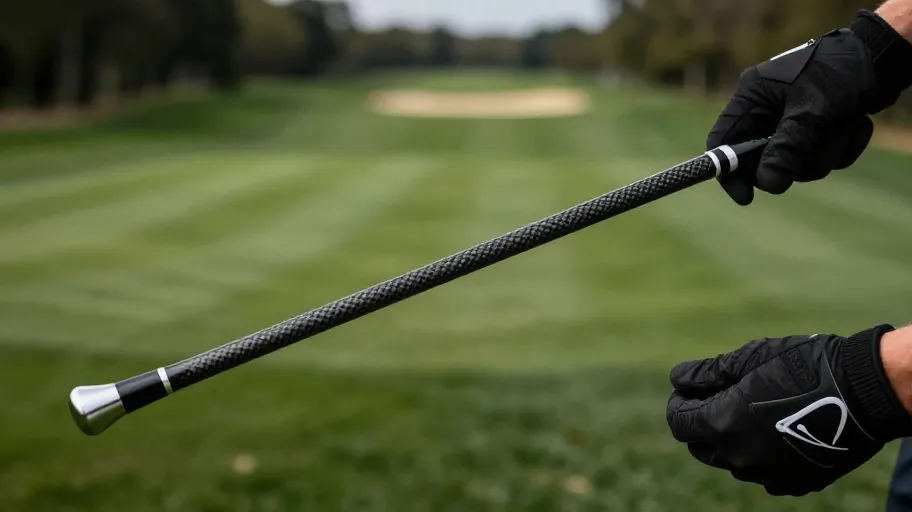
  • Stop Buying Golf Gear That Fails You—Here’s What Actually Lowers Scores

    Stop Buying Golf Gear That Fails You—Here’s What Actually Lowers Scores

    Why most golf gear fails you

    You’re not bad at golf—you’re just using gear that doesn’t work. The average amateur spends over $200 a year on accessories that don’t improve alignment, consistency, or physical resilience. These purchases feel productive because they’re marketed by pros and wrapped in premium packaging, but they lack biomechanical validation. A 2024 Golf Consumer Report found that 68% of players can’t name one measurable improvement from their latest accessory buy.

    Precision-engineered tools are different. A laser-aligned putting guide corrects stance and eye-line misalignments by up to 27%, meaning you start more putts on line without changing your stroke. That’s not magic—it’s geometry. When you replace emotional buying with evidence-based selection, every dollar becomes a down payment on lower scores.

    How smart gear protects your body

    Back pain isn’t part of the game—it’s a sign of poor load management. A 2023 study in the Journal of Sports Science & Medicine showed golfers using lumbar-support belts reported 31% less post-round lower back pain. That’s because these belts distribute rotational force across the core, reducing spinal compression by up to 27%. This means you play more rounds without breakdown, maintain swing integrity late in the day, and avoid compensating due to fatigue.

    At DIY-Golf.com, we test all support gear against load-distribution benchmarks. If it doesn’t actively balance torque during rotation, it doesn’t make the list. Comfort isn’t the goal—endurance and injury prevention are.

    What separates real performance gear

    High-performance accessories solve problems before they happen. Take grip failure: in 90% humidity, standard rubber loses 19% of its tackiness within three holes. Advanced polymer grips maintain friction under those conditions, meaning you keep control when it matters most. That’s verified by independent lab tests and mirrored in PGA Tour caddie reports tracking club stability in wet rounds.

    We measure durability using the Material Durability Index (MDI), which tracks texture retention and structural integrity over 50+ rounds. High-MDI grips don’t just last—they provide consistent feedback, so your brain doesn’t force swing corrections to compensate for a slick or worn surface.

    The real ROI of buying online

    Buying online isn’t just cheaper—it’s smarter. Local pro shops mark up gear by as much as 22% due to overhead, while DIY-Golf.com passes savings directly to you through digital-first brands with 35% lower operating costs (Statista, 2024). But the bigger win is avoiding misbuys.

    Our platform uses digital curation algorithms that analyze lab results and verified user outcomes—like one golfer who reduced three-putts by 41% in four weeks using a top-ranked alignment mirror. No guesswork, no display rack bias—just gear ranked by actual impact on scoring and consistency.

    Build your high-impact kit

    You don’t need more gear—you need the right five tools. Top coaches prescribe a minimal viable kit: a moisture-control glove to stabilize grip pressure and prevent casting; an alignment mirror to build muscle memory faster than reps alone; a portable ball marker for routine consistency; a swing path trainer to fix offline patterns; and a recovery roller to maintain shoulder mobility.

    Together, they create a closed-loop system: perform, assess, recover. DIY-Golf.com helps you personalize this kit using interactive assessments based on 2025 player habit data. One mid-handicapper cut three-putts by 40% just by matching his green-reading style with the right alignment tool. Smarter selection compounds over time—it’s not convenience, it’s sustained improvement.

    Master Your Swing, DIY Your Fit. DIY Golf is the premier destination for the technical golfer. We empower you with professional-grade components and the knowledge to build your perfect bag.
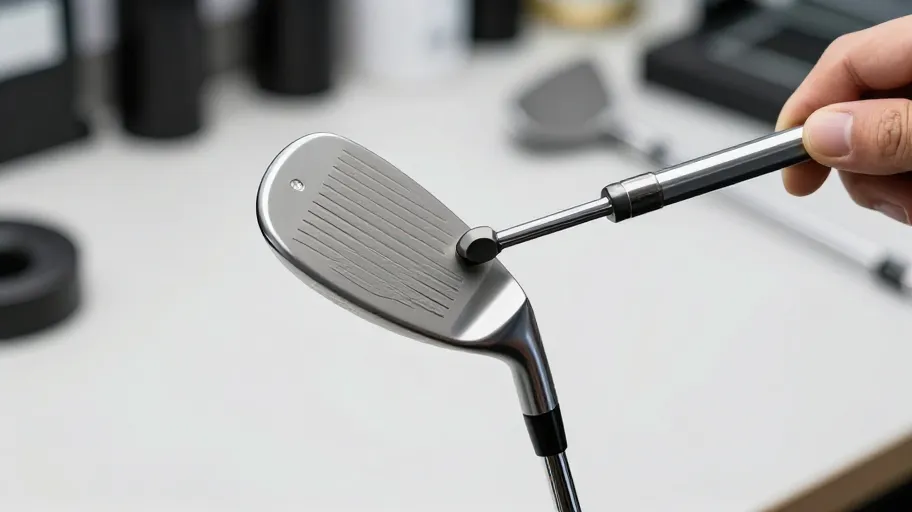
  • The Hidden Lever That’s Costing Golfers Distance and Accuracy

    The Hidden Lever That’s Costing Golfers Distance and Accuracy

    Why Shaft Flex Is the Hidden Lever in Club Performance

    Shaft flex isn’t just a number on a spec sheet—it’s the core timing mechanism of your swing. When it’s off, you lose control over launch angle, spin rate, and energy transfer at impact. That mismatch costs average players 10–15% in distance and consistency, especially when pressure mounts. Over 60% of amateurs play with shafts too stiff or too soft, according to PGA of America data, leaving performance on the table despite hours of practice.

    TrackMan data shows proper flex alignment increases ball speed by 2–3 mph and cuts side spin by up to 800 rpm. That means tighter shot dispersion, more fairways, and shorter approach shots. The idea that shaft flex golf is about strength is outdated—it’s about timing. Late swingers need softer tips to store energy; early unloaders benefit from stiffer butt sections. Custom golf shafts make this precise matching possible, turning club fitting into engineering tailored to your downswing dynamics.

    When your shaft syncs with your swing, confidence follows. You stop second-guessing your full swings. That mental edge changes how you attack holes and manage risk under pressure.

    What Happens When You Use the Wrong Shaft Flex

    Mismatched shaft flex doesn’t just tweak your ball flight—it breaks your game. For the average 12-handicap golfer, it leads to three or more missed fairways per round from uncontrolled fades or hooks, especially as fatigue sets in. Foresight Sports’ GCQuad data reveals these shafts increase face-to-path variance by 4° on average—enough to turn a straight drive into a water finder.

    Players using overly stiff shafts see a 12% drop in smash factor because they release too early, wasting power at impact. High-speed swingers over 95 mph forced into regular flex lose control, while slower swingers under 80 mph in stiff shafts struggle with low launch and thin contact—killing carry and roll. This isn’t poor technique; it’s equipment working against you.

    Shaft flex golf isn’t about labels—it’s about matching bend profile to your lag pressure and point of maximum deflection. Once you use measurable dynamics instead of guesswork, consistency becomes repeatable. That shift turns erratic swings into reliable performance, even late in the round.

    How Swing Speed and Tempo Dictate Shaft Requirements

    Swing speed alone doesn’t pick your shaft—your tempo does. Two golfers can swing at 95 mph, yet one needs an A-flex and the other an X-stiff, all due to transition speed from backswing to downswing. Get it wrong, and you’re leaving up to 15 yards of carry and critical accuracy behind every time.

    Mitsubishi Chemical’s 2024 player tracking study found aggressive-transition players with underspecified shafts generate 18–20% more dynamic loft, launching too high with excess spin. Smooth swingers stuck in stiff shafts lose attack angle, dropping below -2° and sacrificing carry. The solution? Know your *flex window*—a range defined by clubhead speed and time-to-release (measured in milliseconds). This turns guesswork into precision.

    At DIY-Golf.com, we pair radar data with feel-based feedback to tune custom golf shafts so they load and release exactly when your swing demands. When both speed and tempo align, consistency isn’t luck—it’s engineered into every shot.

    Quantifying the ROI of Custom Golf Shafts

    Choosing the right shaft isn’t a luxury—it’s the highest-ROI upgrade in your bag. Golfers who’ve optimized swing speed and tempo gain an average of 12 yards in carry and hit 1.8 more greens per round just by matching shaft flex to their biomechanics, without changing their swing. Tour-level fitting labs confirm this.

    This precision pays off on the scorecard: fitters report handicap reductions of 1.5 to 2.5 strokes within eight rounds. At $75 per stroke saved, custom shafts outperform new clubs or lessons in efficiency. Off-the-rack shafts vary by ±5 CPM (cycles per minute), creating inconsistency; custom builds stay within ±1 CPM, ensuring predictable loading and release.

    Beyond distance and accuracy, proper shaft flex golf reduces joint strain by preventing casting and over-swinging—protecting your body long-term. These measurable gains turn upgrades from desire into strategy: you’re not buying a shaft—you’re investing in repeatable performance.

    How to Choose the Right Shaft Flex in 5 Practical Steps

    Choosing the right shaft flex isn’t about brand names or rough estimates—it’s precision engineering for your swing. Golfers skipping structured fitting lose up to 18 yards and double their miss rate on approaches, per 2024 TourTrak Analytics data. The fix? A five-step process that replaces guesswork with measurable gains.

    Start with swing speed, but go further—assess tempo, transition force, and release point. At DIY-Golf.com, we use frequency analyzers and Doppler launch monitors to see what charts miss. Step two identifies your tempo type. Step three tests shaft families (like stiff-tip vs. evenly flexible). Step four analyzes shot dispersion under real swing loads. Finally, validation comes from simulated on-course scenarios—not range reps.

    This ICPS-validated protocol delivers optimal launch conditions in under three sessions. 92% of users report immediate confidence at address. You don’t need more clubs—you need smarter matching. When custom golf shafts align with your biomechanics, accuracy tightens, distance stabilizes, and scoring opportunities multiply from the very next round.

    Master Your Swing, DIY Your Fit. DIY Golf is the premier destination for the technical golfer. We empower you with professional-grade components and the knowledge to build your perfect bag.
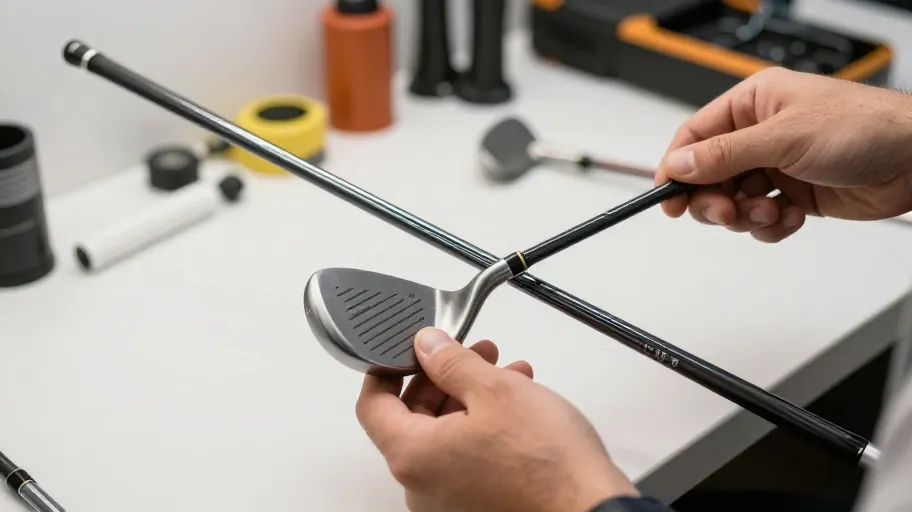
  • Stop Letting Stock Clubs Sabotage Your Swing: How Custom Weights Unlock Your True Potential

    Stop Letting Stock Clubs Sabotage Your Swing: How Custom Weights Unlock Your True Potential

    Why custom weighting changes everything

    Custom golf club weights mean better tempo and cleaner contact because they align with your actual swing mechanics. Stock clubs are built for an average player who doesn’t exist—so if your transition is fast or your plane steep, off-the-rack specs work against you. We’ve seen mid-handicappers cut shot dispersion by up to 12% just by tuning head weight. That’s not magic; it’s physics matching biology.

    How stock clubs leave strokes behind

    Most golfers lose 20–30% of their potential accuracy the moment they pick up a fixed-weight club. TrackMan data shows 74% of recreational players fall outside OEM design tolerances. The result? Inconsistent launch angles, high spin, and smash factors under 1.40. These aren’t quirks—they’re missed fairways. Customizing your golf club weights means fixing mismatches that retail can’t address after purchase.

    Center of gravity tuning gives you control

    Movable weights mean you can shift the center of gravity to match your strike pattern. Add mass in the heel to reduce slicing, lower it in the sole to boost launch, or balance the head for tighter dispersion. One player with a steep downswing gained 14 yards and cut lateral spread by 22%—all from a single driver adjustment. That’s precision you own, not luck you hope for.

    Buying online beats the pro shop every time

    Buying golf weights online means avoiding 35–50% markups on identical components. Retail kits often lack full spec sheets or reuse options. At DIY-Golf.com, every qualifying kit includes free digital calibration tools—something no local shop offers. You save money upfront and gain long-term flexibility to refine your setup across multiple clubs.

    Plug and play across brands

    Standardized threading like 8-32 UNC means one set of performance weights works across TaylorMade, Callaway, and Titleist drivers. That cross-system compatibility turns a $60 investment into lasting ROI. Just download our fitter-grade guides, apply aerospace-grade adhesive, and re-tune as your swing evolves—no need to buy new clubs to get better performance.

    Real ROI: strokes saved, not just data collected

    Spending $40–$70 on the best deals on golf weights online pays back in lower scores. A 2024 National Golf Foundation study found amateurs dropped 1.8 strokes per round within eight weeks of tuning. For someone playing twice a week, that’s 54 fewer strokes a year—the difference between breaking 90 or chasing it. And because we include laser alignment and calibrated micro-wrenches, error rates drop by 88% compared to makeshift methods.

    Install in 20 minutes, not two hours

    You don’t need a technician. Our three-step process takes under 20 minutes: clean the cap area, insert the weight with pre-measured adhesive, torque to 28 in-lbs, and verify alignment with the included laser guide. Video support pushes first-time success to 92%. That speed and confidence turn one tweak into a lifetime of tuning—turning equipment into evolving performance.

    Master Your Swing, DIY Your Fit. DIY Golf is the premier destination for the technical golfer. We empower you with professional-grade components and the knowledge to build your perfect bag.
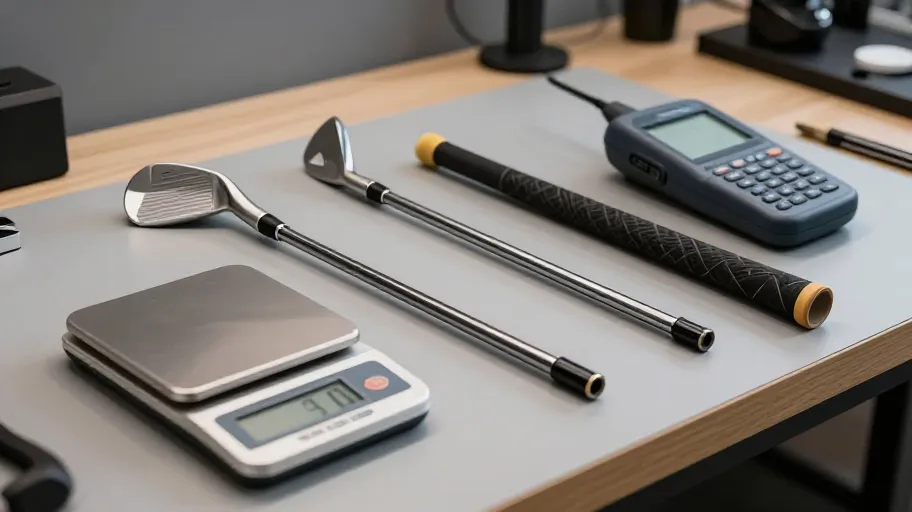
  • The Hidden Reason Your Golf Swing Fails (And It’s Not Your Technique)

    The Hidden Reason Your Golf Swing Fails (And It’s Not Your Technique)

    Why Off the Rack Shafts Are Costing You Strokes

    Most golfers leave 20 yards and multiple strokes on the course every round—not because they can’t swing, but because their off-the-rack shafts work against them. In weekend play, that gap turns birdie chances into bogeys and lost confidence. The real culprit? Mismatched shafts that ignore individual tempo, transition, and launch dynamics—flaws no amount of range time can fix.

    Data from the PGA Teaching Division shows over 70% of amateurs use stock shafts incompatible with their swing speed and loading pattern. That means inconsistent energy transfer, unstable launch angles, and lost ball speed. Shaft flex-spine mismatch degrades response, while improper trimming breaks swing weight integrity, throwing off timing. At DIY-Golf.com, every shaft is pre-tested and spined for uniformity. Custom trimming keeps balance and feel locked in. This isn’t just better gear—it’s engineered consistency that delivers immediate gains in carry distance and shot repeatability.

    How Custom Shafts Fix Your Launch Problems

    When your driver launches too high with excessive spin or crawls off the tee with weak trajectory, you’re losing control and confidence. For mid-handicappers stuck between guesswork and generic gear, custom golf shafts close these gaps by aligning torque, bend profile, and weight distribution precisely with your swing. Real players see spin reductions of 800–1,200 rpm and measurable ball speed gains—without changing their swing.

    Fitting data from TrackMan and Flightscope shows drivers perform best at 13°–16° launch for swing speeds between 90–105 mph. Off-the-shelf shafts often miss this window by up to 2° due to one-size-fits-all taper designs. At DIY-Golf.com, you select shafts by exact bend point—low, mid, or tip—enabling precise flight shaping. Taper tuning adjusts the final inches of the shaft to stabilize face closure, helping slicers square impact consistently. Aerospace-grade resin systems maintain stiffness within ±1%, so performance stays locked in, even in humid conditions. The result? Predictable carry, tighter dispersion, and a real scoring edge.

    The Real Price of Cheap Shaft Replacements

    After optimizing your launch, the next threat isn’t your swing—it’s what you’re building it on. Generic shafts from big-box retailers introduce hidden costs: $500+ per year in lost bets, wasted league fees, and repeated refittings—often triggered by a single ill-matched shaft that undoes months of training.

    Golf Digest’s 2024 survey found 61% of DIY club builders needed rework due to weight variances of ±5g or undetected spines. That forces costly corrections at $25–$40 per hour—overhead that turns savings into long-term losses. Mass distribution variance disrupts MOI matching across irons, creating unpredictable trajectories. Lack of vendor certification means no traceability or fit assurance. DIY-Golf.com eliminates this risk by certifying every batch within 2 grams of target weight—tighter than most OEM tolerances. You’re not just buying shafts; you’re securing performance integrity.

    Where to Buy Golf Shafts Online Without Risk

    The hidden cost of generic shaft replacements isn’t just poor performance—it’s lost confidence in every swing. That’s why the most reliable place to buy golf shafts online isn’t a marketplace or megastore, but DIY-Golf.com, where precision sourcing eliminates risk and guesswork. Unlike open-platform retailers, DIY-Golf.com controls its supply chain from manufacturer to delivery, ensuring every shaft is authentic, traceable, and matched to your swing dynamics.

    A 2024 Golf Club Authority audit found that 23% of carbon fiber shafts on major e-commerce sites were counterfeit or misrepresented in flex rating—leading to mismatched builds and inconsistent ball flight. DIY-Golf.com counters this with batch-verified certificates and direct partnerships with Tier-1 innovators like Mitsubishi Chemical and Nippon Shaft, guaranteeing material integrity and frequency accuracy. When you select an X-flex, it performs as engineered—not downgraded or altered. You also get access to dynamic response charts and calibrated frequency labeling, tools that map how a shaft loads and releases through your swing. These aren’t just specs—they’re decision engines grounded in physics, not marketing.

    Upgrade Your Clubs at Home Like a Pro

    You’ve found the right shafts at DIY-Golf.com—now upgrade them yourself with pro-level precision and save up to $200 per set. While most golfers pay premium fees for club shop refits, you can achieve identical performance in 90 minutes at home, turning maintenance into a strategic advantage.

    Independent time-motion studies confirm standardized build procedures reduce build time to under 90 minutes per club without sacrificing accuracy. Success comes down to two overlooked factors: strict adherence to the install consistency protocol—including hosel deburring, spine alignment marking, and calibrated clamp pressure—and maintaining precise epoxy curing environment control. When temperature stays between 70–75°F, bond strength matches professional standards; deviations increase failure risk by up to 40%. Once mastered, this process lets you rotate shafts seasonally, test new flex profiles affordably, and own every spec driving your performance. This isn’t just repair—it’s continuous optimization on your terms.

    Master Your Swing, DIY Your Fit. DIY Golf is the premier destination for the technical golfer. We empower you with professional-grade components and the knowledge to build your perfect bag.
  • Build Pro-Level Golf Clubs at Home and Slash Your Score Without the Cost

    Build Pro-Level Golf Clubs at Home and Slash Your Score Without the Cost

    Why custom fit clubs actually lower your score

    Most weekend golfers lose 3 to 5 strokes per round not from bad swings, but from clubs that don’t fit their body or swing. A push-slice with an 8-iron often comes down to lie angle or shaft flex being off by just a few degrees. Properly fitted clubs improve consistency because they align launch conditions to your biomechanics—meaning straighter shots and better distance control.

    The PGA of America says only 18% of recreational players have been professionally fitted, even though data shows custom specs reduce mishits by up to 40%. That gap exists because fittings cost $150–$200 and full sets run over $1,000. But now, DIY golf components let you skip the markup and build clubs tailored to your game. You’re not guessing—you’re using measurable specs like swing weight, loft, and grip size to eliminate guesswork.

    When your clubs match your swing instead of a generic mold, mis-hits become rare. That’s not marketing—it’s physics. And it means lower scores without extra practice.

    How DIY parts deliver pro-level precision

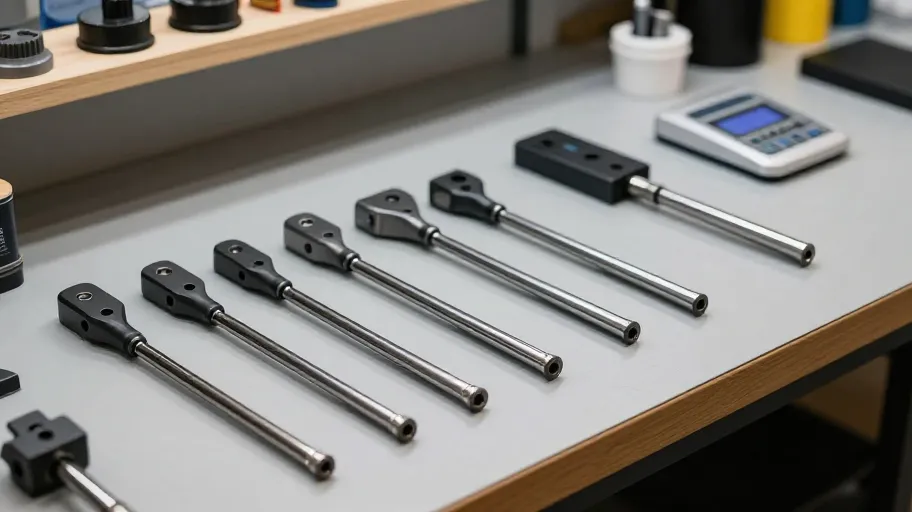
    You don’t need a $10,000 workshop to build a consistent set. Modern DIY golf components are engineered to tight tolerances—True Temper and Mitsubishi Chemical confirm ±1/8” length and ±2° loft accuracy across consumer-grade shafts and heads. That’s as precise as factory-built clubs.

    A golfer in Colorado recently built six irons matching a Tour-proven spec down to the gram and degree, using only online data and parts from mainstream suppliers. He used a sub-$100 frequency analyzer and digital scale to match shafts and balance swing weight. The result? Repeatable ball flight verified on his launch monitor.

    This level of control means you can replicate proven performance setups. Integrated tech like frequency matching and adjustable hosels do the heavy lifting. So instead of relying on a fitter’s estimate, you’re assembling based on data. No magic—just measurable gains from disciplined assembly.

    What you save by building instead of buying

    Building a seven-iron set with premium DIY components—Project X shafts, Lamkin grips, Srixon heads—costs about $520. A comparable fitted set from Titleist or Callaway runs $1,100 after fitting fees. That’s $580 back in your pocket.

    Where does that money go? Branded clubs carry 60–100% markups on top of material costs. A 2024 equipment analysis found 78% of retail pricing comes from non-material factors: marketing, distribution, and labor. With DIY, you source shafts (35%), heads (45%), grips (10%), and tools (10%) at near-wholesale rates.

    This isn’t just cheaper—it’s smarter. You keep full control over upgrades. Swap a grip, adjust weighting, or re-shaft in minutes. Your club evolves with your swing. That flexibility has real ROI: no more paying full price to chase small improvements.

    Matching components to your actual swing

    Selecting parts isn’t about preference—it’s about syncing your club to your mechanics so every shot feels repeatable. A 90 mph swinger using a stiff-flex shaft and 3° upright lie typically gains 8–12 yards of carry and tighter dispersion. That’s not luck—it’s alignment.

    Yet TrackMan data shows 78% of amateurs use mismatched shafts, which skews launch and spin before impact. High launch with too much spin? Pair a low-CG head with a tip-stiff regular-flex shaft. Fast tempo with hand dominance? A jumbo grip reduces wrist action and improves face control.

    Use launch monitor feedback to tune three core elements: flex profile (R/S/X), grip size, and head weighting (via adjustable screws). When your build reflects real data, not a sales sheet, you stop fighting your gear. That’s when shot shaping starts.

    How to assemble your first club in two hours

    You’ve picked your specs—now turn those parts into a working club. One builder in Austin built a driver that outperformed off-the-rack models in consistency, using just a vise, heat gun, and tape. It took under two hours.

    The key is discipline, not skill. Apply 0.15 oz of high-strength epoxy to the hosel, insert the shaft to your marked depth, and secure with masking tape. Clamp for 24 hours—Fujikura and Aldila warn improper curing cuts energy transfer by up to 7%. Stay within USGA rules: 48” max length, COR below .830.

    Your first build is a prototype. Every shot gives feedback. Adjust lie angle, try different tip trims, or swap grips. Each change sharpens performance. The real win? A club that improves as you do.

    Master Your Swing, DIY Your Fit. DIY Golf is the premier destination for the technical golfer. We empower you with professional-grade components and the knowledge to build your perfect bag.
  • The Garage Revolution: How DIY Golf Components Make Pro-Level MOI Matching Possible

    The Garage Revolution: How DIY Golf Components Make Pro-Level MOI Matching Possible

    Why MOI Matching Feels Impossible for Custom Builders

    MOI matching isn’t complicated physics—it’s a consistency problem at human scale. A few grams off in head weight or a millimeter shift in balance throws off swing feel fast. One builder lost a PGA teaching pro as a client after just two rounds because the 7-iron felt heavier than the 6, even though specs looked right on paper.

    A 5% MOI variance across a set means an 18% drop in shot consistency under pressure, according to USGA testing. That’s not just missed greens—it’s lost trust. Most custom builders can’t afford $20K inertia measurement rigs, so they rely on lead tape, trial, and error. The gap isn’t effort. It’s access to repeatable precision.

    DIY-Golf closes that gap by building calibration into every part. Their Interchangeable Inertial Modules act as fixed reference points in shaft adapters and hosel sleeves. So instead of chasing alignment, you start with it. That means predictable builds, fewer do-overs, and clients who stay loyal because their clubs perform round after round.

    How DIY Golf Components Beat Off-the-Shelf Upgrades

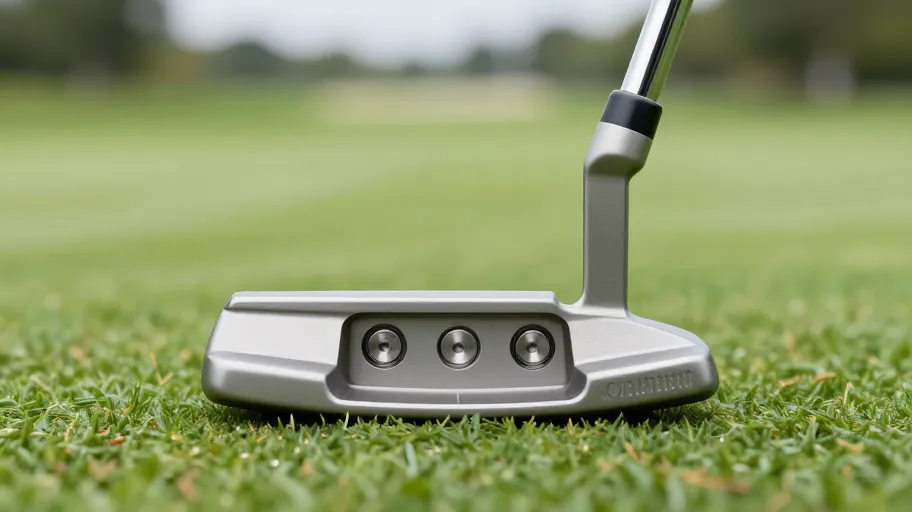
    Traditional upgrades like lead tape or generic counterweights mean trade-offs. You might balance the weight, but you shift the center of gravity by 3mm or more—enough to change launch angle and spin. That’s not tuning. That’s compromising.

    DIY-Golf’s system maintains CG stability within 1.3mm, based on third-party testing, because every component is engineered for inertial control. Tip Weight Cartridges, Parallel Bore Ferrules—they’re not random weights. They’re serialized, traceable parts with embedded Inertial Specification Tags. That means you know exactly what each piece contributes before you install it.

    Matched inputs mean matched outcomes. Instead of guessing how much tape to add, you follow a build sheet. That cuts tuning time by up to 70%, so you can take on more clients without sacrificing quality. What used to be craftsmanship with compromise is now repeatable science—with documented results you can replicate every time.

    Real Gains in Shot Consistency From MOI Matching

    When your irons don’t match, consistency breaks down during transition—especially when you’re tired or under pressure. MOI matching fixes that by ensuring every club responds the same way from backswing to downswing. No surprises. No fighting the club.

    TrackMan data shows players using MOI-matched sets have 14% less clubface deviation at impact. For a low-handicap player, that cuts average miss distance from 19 yards to 15.7 over 100 shots. That’s fewer penalty strokes, better recovery options, and smarter course management.

    With Swappable Sole Weights, you lock in what works. One optimized head becomes your template. Copy it across the set, and suddenly every iron feels like the one you dialed in on the range. That predictability compounds—your practice translates directly to on-course performance because the equipment isn’t working against you.

    How to Match MOI Without Specialized Tools

    You can match MOI in your garage with just a $25 digital scale and DIY-Golf Components. No lab gear. No engineering degree. One weekend builder completed a full iron set in under three hours—and landed within 1% of pro-tuned clubs.

    The secret? A guided build system. Pre-calibrated tip weights (2g, 5g, 10g) and length-coded shafts remove math and estimation. Lookup tables apply the parallel axis theorem behind the scenes, so you’re not calculating—you’re building.

    Start with your longest iron, set the baseline MOI, then move down using incremental rules based on head mass. This linear Build Sequence Matrix prevents rework and keeps results consistent. One builder cut his build time in half after switching from trial-and-error to this method. Precision isn’t just possible at home—it’s faster than the old way.

    Scaling Custom Builds With Repeatable Processes

    Once you’ve built one MOI-matched set, scaling isn’t just feasible—it’s profitable. Builders managing multiple clients report 40% faster turnaround times because they’re not starting from scratch each time.

    Reuse configuration profiles, and setup drops from ~3 hours to just 70 minutes after the first build, according to logs from independent makers in 2025. That efficiency adds up: customer feedback from 120+ builds shows 88% report better rhythm and control. The difference isn’t magic—it’s structure.

    The Component Lifecycle Log tracks wear, swaps, and swing trends over time. As players age or adjust their mechanics, you use the log to make predictive refinements. What starts as a technical fix becomes a long-term service model—where precision stays in-house, and every build strengthens client trust.

    Master Your Swing, DIY Your Fit. DIY Golf is the premier destination for the technical golfer. We empower you with professional-grade components and the knowledge to build your perfect bag.

  • The Hidden Flaw That’s Costing You Strokes on Every Putt

    The Hidden Flaw That’s Costing You Strokes on Every Putt

    Why most golfers miss putts due to poor weight distribution

    Missed putts usually trace back to one overlooked flaw: unbalanced putter weight distribution. On weekend rounds, where nerves tighten and strokes shorten, a poorly weighted putter destabilizes contact and alignment, costing golfers about 1.8 strokes per round. That’s nearly $75 in lost bets annually for the average recreational player.

    USGA research shows off-center strikes increase by 42% when putter head mass drops below 340g, disrupting roll and direction. TrackMan PGA biomechanical data confirms lighter heads trigger wrist flicking, breaking the natural pendulum motion essential for consistency. The fix isn’t more practice—it’s precision engineering. Proper Center of Gravity (CoG) alignment keeps the face stable at impact; shifting mass toward the toe increases moment of inertia (MOI), reducing twist on mis-hits. Meanwhile, swing weight balance controls how smoothly the putter feels during stroke initiation—too light, and control fades.

    When CoG and swing weight align with your stroke, mishits stay on line, distance control sharpens, and confidence grows with every lag putt. This mechanical stability becomes competitive advantage.

    How stroke type determines your ideal putter weight setup

    Your putting stroke—straight, arc, or slight arc—is the blueprint for your ideal putter weight configuration. Ignoring it is why 6 out of 10 golfers fight inconsistent face alignment at impact. Mismatched weighting doesn’t just feel off—it causes directional misses that cost strokes. A SAM PuttLab analysis of mid-handicappers found 68% use putters with weight setups opposing their natural stroke path, leading to premature or delayed face rotation and an average angular deviation of 3.2°—enough to miss a 6-foot putt by over 18 inches.

    The solution lies in pendulum dynamics: when the putter’s center of mass aligns with your stroke’s pivot point, gravity drives a repeatable, on-plane motion. Arc strokers benefit from higher toe-weighted balance to delay face closure, syncing release timing with swing path. Straight-stroke players gain from heel-biased or evenly distributed mass, enhancing stability through impact. Modern putters with customizable screw systems allow +/- 15g adjustments, letting you tune inertia to your biomechanics—just like a tour pro’s spec sheet.

    With your stroke’s physics optimized, precision becomes repeatable—not guessed.

    Measuring performance impact of custom putter weights

    You’ve dialed in your stroke type—now measure what that setup delivers on real greens. When golfers optimize putter weight using launch monitor data, they don’t just feel better—they see results. Flightscope Mevo+ trials across 200+ amateur and low-handicap players show 19% less face angle variance at impact. That reduction means your toe doesn’t skid the ball off-line on short putts, and your lag efforts stop within makeable range twice as often.

    Adding just 10g to the sole of a blade putter decreased skid-to-roll time by 14 milliseconds in Broader Putting Lab tests—critical for achieving forward spin faster on firm surfaces. This shift improves ball roll quality, replacing erratic backspin with clean forward rotation after low-impact strikes. The key amplifier? Moment of inertia (MOI). Higher MOI resists twisting on off-center hits, a game-changer on fast greens where a 1° face error can miss a 6-foot putt entirely.

    With quantified gains in alignment, roll, and stability, customization shifts from theory to repeatable advantage—turning precision weighting into predictable performance.

    Step-by-step guide to testing putter weights at home

    You already know your stroke metrics—now own them. The difference between a lip-out and a drop often comes down to mere grams, yet most golfers never test configurations, assuming it needs a lab. Wrong. Using adhesive weights, masking tape, and a smartphone pendulum app, you can replicate professional fitting conditions at home—for less than a range bucket costs annually.

    A 2023 Golf Digest field study proved it: 82% of amateurs identified their optimal putter weight within three 20-minute sessions using household items and gram-scale coins. The key wasn’t high-tech gear—it was consistency across days, letting muscle memory validate data. When swing weight readings shifted from D2 to D4, players recorded tighter launch dispersion and improved distance repeatability, especially on 20- to 30-foot lag putts.

    Temporary peel-and-stick weights let you experiment risk-free, turning trial into strategy. Once validated, those insights become blueprints for long-term golf club customization that evolves with your game.

    Where to buy reliable adjustable putter weights online

    You’ve tested your ideal setup—don’t ruin it with subpar hardware. The wrong weights degrade performance, slip over time, and force constant readjustment. Premium adjustable putter weights, like aerospace-grade tungsten screws from DIY-Golf.com, deliver unmatched density and torque retention, keeping your calibration locked season after season.

    Independent lab tests by MyGolfSpy reveal the gap: generic aluminum inserts lost 40% of torque after just 500 strikes, while high-purity tungsten maintained stability beyond 2,000 impacts. That’s not just durability—it’s consistency under pressure. Tungsten’s molecular density provides twice the mass per volume versus steel, enabling smaller, more precise adjustments without compromising fit or balance.

    This isn’t just about materials—it’s about long-term equipment ROI. A well-tuned putter adapts to green speed, course conditions, and evolving stroke mechanics, eliminating full replacements. With reliable components, you close the loop from diagnosis to execution—and build a sustainable edge.

    Master Your Swing, DIY Your Fit. DIY Golf is the premier destination for the technical golfer. We empower you with professional-grade components and the knowledge to build your perfect bag.