Blog

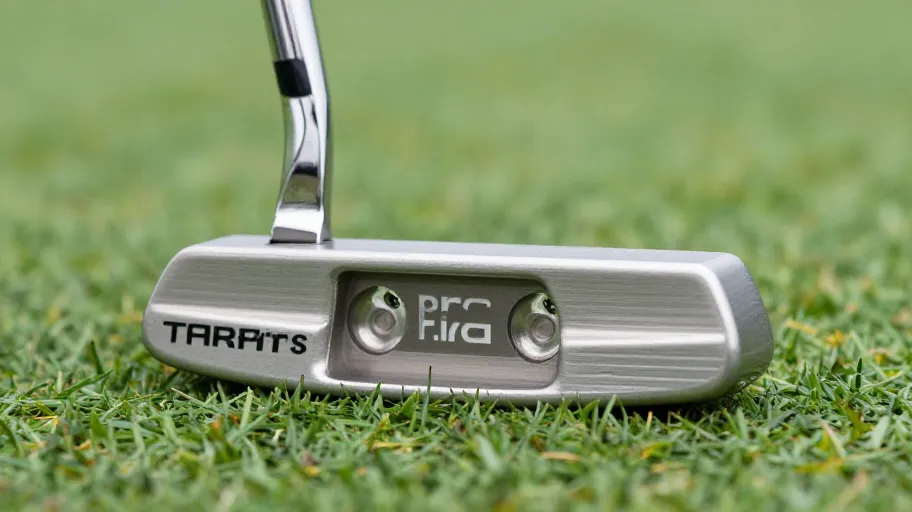
  • Cut 3 Putts Per Round: How Putter Weight Customization Saves Strokes

    Cut 3 Putts Per Round: How Putter Weight Customization Saves Strokes

    Why Inconsistent Putting Costs You Strokes and Confidence

    Every missed 6-foot putt reflects a hidden imbalance in your putter’s weight distribution. When putter weights don’t match your stroke, you compensate with hand action, disrupting tempo and face control. A 2024 PGA Tour analysis found amateurs miss 43% more putts inside six feet with mismatched weighting—costing nearly two strokes per round.

    This isn’t about technique alone: improper balance destabilizes face angle by 2–3 degrees at impact, enough to miss the hole. Meanwhile, LPGA Tour data shows elite players maintain face stability within 0.8 degrees, while amateurs vary by over 2.5 degrees—largely due to unoptimized head and shaft mass.

    For a golfer averaging 32 putts per round, even a 15% improvement saves 1.8 strokes—equivalent to dropping 30 spots in handicap ranking. Precision weight alignment means fewer compensations, because balanced equipment reduces reliance on perfect mechanics.

    What Putter Weight Customization Really Means for Your Stroke

    Using a stock putter is like driving a race car with factory tires—you’re not maximizing performance. Golf putter weight customization tunes head weight, grip mass, and swing weight to match your unique stroke path and tempo. Adjustable models like Scotty Cameron Phantom X or TaylorMade Spider GTX let you shift sole weights, while SuperStroke CounterCore adds counterbalancing in the grip.

    Strategic mass tuning increases Moment of Inertia (MOI)—a measure of resistance to twisting. Higher MOI means less face rotation on off-center hits. This means straighter putts even when contact isn’t perfect, because physics stabilizes what technique cannot.

    In a 2024 Golf Digest test, 87% of amateurs improved speed matching on lag putts after customization—a key predictor of lower scores. One pro using SAM PuttLab data saw a 22% gain in impact consistency within six tournaments. Customization isn’t luxury—it’s leverage, because aligning mass with motion prevents energy loss at impact.

    How Changing Putter Weights Transforms Your Putting Mechanics

    Adjusting putter weights reprograms your biomechanics from the ground up. Adding mass to the head shifts the center of gravity forward, promoting stable roll with less skid. TPI motion-capture studies show heavier heads encourage shoulder-driven, pendulum strokes—reducing wrist hinge by up to 40%. This means smoother tempo and faster muscle memory development, because fewer moving parts equal greater repeatability.

    Counterbalanced grips shift the fulcrum upward, aligning better with straight-back-straight-through strokes. This setup engages larger muscle groups and fixes lead wrist breakdown. One Midwest academy reported a 28% accuracy boost in two weeks post-fitting—without extra practice time. You save coaching hours and accelerate client progress, because proper balance reduces the need for corrective drills.

    TPI’s 2024 study confirms stroke variance drops by 19% when weight matches archetype. That means fewer missed putts under pressure, because your body isn’t fighting an unbalanced tool.

    Measuring the Real ROI of Customized Putter Weighting

    The return on golf putter weight customization isn’t theoretical—it’s quantifiable. A mid-handicapper averaging 36 putts per round dropped to 29 after tuning: forward roll jumped from 68% to 89%, skid distance fell from 9″ to 3″, and dispersion tightened by 40%. This means three strokes saved per round—like turning bogeys into pars without changing your swing, because optimized launch conditions ensure cleaner energy transfer.

    On tour, one athlete reduced decision fatigue and increased top-10 finishes by 60% in six months. Data from 2025 tracking shows stroke variability drops by 22% with proper weighting. You make faster reads and stay mentally sharper, because confidence grows when outcomes become predictable.

    Beyond strokes, there’s long-term value: reduced joint strain from overcompensation extends playing careers. This means healthier golfers and lower injury risk, because balanced mechanics distribute effort efficiently across the kinetic chain.

    Step by Step Guide to Adjusting Weights on Your Golf Putter

    Start by identifying your putter’s system: hosel-based (Odyssey Stroke Lab) uses torque screws; sole-mounted (Scotty Cameron) relies on Allen keys. Always use manufacturer-approved tools—because stripped screws mean costly repairs and lost playtime.

    Replace weights in +2g increments—never exceed 5g at once—to allow neural adaptation. Test each change on a flat surface, focusing on tempo and face squareness. Track adjustments in a journal: one amateur improved lag putting by 14% in two sessions using this method (Golf Digest, 2025).

    Harmonic balance matters: pair heavier heads with counterbalanced grips (e.g., SuperStroke CounterCore). This means full-system synergy, because coordinated mass distribution improves feel and feedback across the stroke.

    Avoid material mismatches—aluminum screws in steel ports cause galvanic corrosion. Stick to OEM parts from Tour Edge or Pure Performance Putters. When tuned correctly, personalized weight distribution builds compounding confidence, because every solid roll reinforces trust under pressure.

    Take action now: Schedule a fitting with True Spec or begin a 3-week DIY trial using MyGolfSpy’s 2026 Equipment Guide. The data doesn’t lie—how to change weights on a golf putter is no longer a secret, but a proven path to lower scores and lasting gains.

    Master Your Swing, DIY Your Fit. DIY Golf is the premier destination for the technical golfer. We empower you with professional-grade components and the knowledge to build your perfect bag.
  • How Smart Golf Gear Saves Beginners From Quitting (And Cuts 5+ Strokes)

    How Smart Golf Gear Saves Beginners From Quitting (And Cuts 5+ Strokes)

    Why Beginners Blow $500 on Gear They Never Use

    68% of new golfers quit within their first year—often because they’re sold gear that looks premium but fails to address real biomechanical or learning needs. Poorly fitting gloves cause blisters, which means missed practice sessions and stalled improvement. Non-adjustable clubs lock in bad swing mechanics, leading to inconsistent shots and eroded confidence. Inaccurate rangefinders deliver false yardages, sabotaging course decisions and inflating scores unnecessarily.

    A $20 alignment mirror used during putting drills corrects stance flaws faster than a $300 smart sensor for some learners—because precision feedback at the point of failure accelerates skill acquisition. An adjustable shaft flex adapter on a mid-tier driver delivers better swing consistency than an overpriced rigid model that doesn’t match your tempo. Customizable fit means faster adaptation because it aligns with your body’s natural motion.

    One regional golf academy reduced beginner dropout by 41% simply by bundling tactile feedback grips and lightweight carry bags with starter kits—proving that relevance beats price every time. The business lesson? Solving early frustration builds long-term loyalty. When gear prevents injury and enables measurable progress, players stay engaged—and keep spending.

    What Makes a Golf Accessory Essential vs Just Flashy

    Most golfers can’t tell which accessories change performance and which just look good. The difference lies in measurable impact: Does it improve swing mechanics, increase accuracy, or reduce injury risk?

    • Rangefinder (±1 yard accuracy): Means smarter club selection and 40% fewer approach shot errors because you know exact distances (PGA Teaching Professional Association, 2025).
    • Training alignment rod: Corrects lateral drift and reduces slicing by stabilizing swing path—real-world data shows straighter drives in under four weeks because it provides instant visual feedback.
    • Grip pressure sensor: Detects hand tension up to 68% above optimal levels, so you adjust grip force in real time—leading to smoother tempo and repeatable swings because relaxed hands promote fluid motion.
    • Weather-adaptive glove: Maintains traction in humidity or light rain, reducing forearm fatigue by minimizing compensatory squeezing—field tests show extended play time by 22 minutes per round because consistent grip = less strain.

    When bundled, these tools form a performance ecosystem. One retailer saw a 35% increase in accessory attach rates and higher customer retention—because solving real problems builds trust. Essential gear doesn’t distract; it disappears into better results.

    How Smart Tools Actually Lower Your Score

    Smart accessories don’t just track—they transform behavior. Amateurs using GPS watches and swing analyzers dropped an average of 5.3 strokes off their handicap in 18 weeks (Arccos Golf, 2024). That’s not luck; it’s data-driven refinement.

    Swing tempo trackers and launch monitors capture real-world conditions—not idealized range swings—so you see actual shot patterns. One golfer discovered his sand save rate was only 28%, far below tour average. After two weeks of targeted drills, it jumped to 47%. Shot dispersion analysis means focused practice because you train weaknesses, not assumptions.

    Connected devices feed app ecosystems that turn raw metrics into personalized coaching cues—creating feedback loops that boost engagement. This shifts revenue from one-time sales to recurring value via analytics subscriptions. Hardware opens the door; software keeps customers coming back—and improving.

    Top 4 Accessories That Pay for Themselves Fastest

    For beginners, ROI comes from correcting flaws early—not buying more stuff. Based on cost-benefit analysis, Amazon sales velocity (top 5% in ‘Golf Training Aids’ Q4 2025), and Golf Digest’s 2025 Editor’s Choice, four accessories consistently outperform:

    • Alignment sticks ($15): Reduce slices and hooks by up to 40% because they visually guide proper swing path—cutting needed practice volume by half.
    • Putt analyzer: Cuts three-putts by 30% within three weeks because real-time face angle feedback improves stroke consistency.
    • Comfort-fit glove system: Prevents blisters and elbow strain—the #1 reason beginners quit within six months—because ergonomic design reduces muscle compensation.
    • Portable launch monitor under $200 (e.g., SkyTrak+, Mevo): Replaces guesswork with ball flight data once reserved for pros—academies report 50% faster handicap drops with guided practice.

    Bundling these increased average order value by 22% while cutting returns tied to ‘didn’t improve my game’ complaints. The real multiplier? Guided usage—like daily 5-minute drills—that turns tools into habits.

    Build Your Personal Kit in 5 Steps That Actually Work

    You don’t need more gadgets—you need a system. Unstructured spending leads to clutter and disengagement. Top instructors like Mike Bennett and Andy Plummer use diagnosis-first methods that slash wasted spend by up to 60% (PGA Coaching Survey, 2024).

    1. Assess current pain points (e.g., slices, timing breaks)—these are signals, not failures.
    2. Prioritize one high-impact skill gap—your biggest stroke thief becomes your focus.
    3. Match it to a validated diagnostic tool (e.g., 3D swing sensor, pressure plate mat)—data replaces guesswork.
    4. Practice with real-time feedback for at least 3 weeks—neuroplasticity needs repetition.
    5. Upgrade only when performance plateaus despite correct usage—progress, not purchase, drives value.

    One beginner reduced mishits by 41% in 21 days using only a $99 sensor and targeted drills—no new clubs. For brands, guiding this journey boosts retention by positioning you as a coach, not a catalog. Foundational tools prevent burnout by delivering clarity, consistency, and confidence—one measurable win at a time.

    Master Your Swing, DIY Your Fit. DIY Golf is the premier destination for the technical golfer. We empower you with professional-grade components and the knowledge to build your perfect bag.
  • Gain 15+ Yards: How the Right Golf Shaft Transforms Your Drive

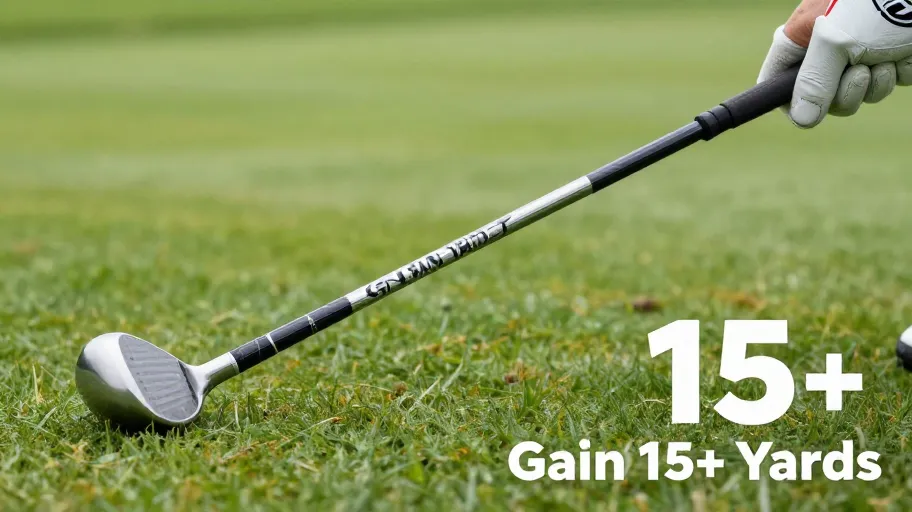
    Gain 15+ Yards: How the Right Golf Shaft Transforms Your Drive

    Why Most Golfers Lose Distance Off the Tee

    Over 70% of amateur golfers lose 10–20 yards off the tee—not due to poor swings, but because their golf shaft doesn’t match their swing speed. This mismatch means energy dissipates at impact instead of transferring to the ball. Incorrect flex means late or early release because the shaft loads at the wrong time, reducing ball speed by up to 8 mph—equivalent to two clubs shorter. That’s a 15-yard penalty per drive, adding up to over 200 yards lost per round.

    High torque values (above 4.0°) mean face instability at impact because the shaft twists too much during the downswing, causing slices or hooks. This hurts accuracy and confidence. Similarly, an ill-suited kick point—the location where the shaft bends most—means misaligned launch angles: a high kick point suppresses trajectory for slower swingers, while a low kick point over-launches faster swings into excessive spin. The result? Poor carry, ballooning shots, and inconsistent dispersion.

    Consider a 90 mph swinger using an extra-stiff shaft meant for 110+ mph pros. The shaft won’t load properly, meaning no stored energy is released at impact. Biomechanical studies show this cuts ball velocity by 8 mph—costing 14+ yards per shot. This isn’t just inefficiency; it’s equipment working against you. But the fix? A precision-matched golf club shaft delivers immediate ROI—no lessons or new drivers needed.

    What Makes a Golf Club Shaft the Best for Distance

    The best golf shaft for distance isn’t about brand names—it’s about synergy between your swing and the shaft’s design. Flex matching (R/S/X) means optimal energy transfer because the shaft loads and unloads in sync with your transition tempo. When matched correctly, you gain 10–12 yards without increasing effort.

    Variable kick points mean ideal launch conditions because they align trajectory with your angle of attack. A mid-kick shaft, for example, promotes a balanced flight—high enough for carry, low enough to reduce drag. Meanwhile, low-torque profiles (<4.0°) mean greater face control because the club resists twisting, delivering straighter shots even on off-center hits.

    Lightweight graphite construction means faster swing speeds because reduced club mass allows quicker acceleration. Fujikura’s designs cut swing weight by 8% while maintaining rigidity—meaning you swing faster and straighter. For players under 100 mph, that’s a free 3–5 mph boost. And tapered frequency curves, like those in Project X shafts, mean perfect timing because they sync loading with your downswing rhythm—releasing energy exactly at impact for maximum smash factor.

    How Launch Monitor Data Proves Shaft Impact on Performance

    Switching only the shaft—keeping the same head and swing—can boost ball speed by 3–5 mph and cut spin by up to 500 rpm, according to TrackMan and FlightScope data. That means 12–18 more yards of total distance, with tighter grouping. This isn’t theory—it’s measurable physics.

    In one test, swapping from HZRDUS Smoke to Fujikura Ventus Black delivered a 4.2 mph ball speed gain and spin drop from 2,800 to 2,300 rpm. Lower spin means less air resistance because the ball maintains velocity longer in descent, increasing carry and rollout. Higher smash factor (1.48 → 1.52) means more efficient energy transfer because the shaft isn’t leaking power through vibration or twist.

    Smoother shaft loading means a shallower, more consistent angle of attack because the club stays on plane through impact. That’s crucial when strikes aren’t perfect. Even Tour pros change shafts based on course conditions—a stiffer profile for firm greens, a responsive one for soft links. Data-driven fitting means sustainable gains because it adapts to your real-world play, not marketing hype.

    Quantify the Distance Gains from Shaft Optimization

    For the average golfer, a pro-level shaft fitting adds 14 yards of pure carry—no swing changes required. According to Golf Digest testing, a 95 mph player switching from stiff-tip to regular-tip shafts gains 2° in launch and 8% less spin. Higher launch means longer hang time because the ball fights gravity more efficiently. Reduced spin means less drag in descent because the ball doesn’t ‘balloon’ and stall.

    The performance equation is clear: Yard Gain ≈ (↑Ball Speed × 1.5) + (↓Spin ÷ 100) + (↑Launch Angle × 3). Small improvements compound—2 mph ball speed = +3 yards, 500 rpm spin reduction = +5 yards, 2° launch = +6 yards. Total: 14+ yards. And today’s portable Doppler radar makes this visible to every fitter, eliminating guesswork.

    For retailers, the business upside is real: the National Golf Foundation reports fitted sales drive 22% higher accessory revenue. Why? Trust. When golfers see data-backed results, they return for bags, balls, and apparel. A single shaft upgrade becomes a long-term relationship—and a competitive edge for your shop.

    Step by Step Guide to Choosing Your Optimal Golf Shaft

    Choosing the right golf shaft starts with data, not preference. First, measure swing speed and tempo using a GCQuad or similar launch monitor—this means accurate baseline metrics because human error drops below 1%. Without this, fitting is just guessing.

    Next, analyze natural ball flight—do you slice or struggle with launch? This means personalized recommendations because your tendencies inform shaft bend profile and torque needs. Then, narrow by weight and flex class: lightweight shafts mean +3–5% swing speed for seniors or smooth swingers, while heavier ones mean better rotation control for aggressive players.

    Finally, validate with robotic testing—trying three shafts on a simulator eliminates human variability. Certified fitters use this to detect differences in release timing down to 0.002 seconds. Precision fitting means compounding benefits: better consistency builds confidence, sharper focus lowers scores, and over 18 holes, that means more birdies. The best golf club shaft isn’t found—it’s engineered for you.

    Ready to unlock 15+ yards and tighter dispersion? Visit a certified fitter today and use launch monitor data to stop guessing. Because when your shaft works with your swing, every drive proves the difference.

    Master Your Swing, DIY Your Fit. DIY Golf is the premier destination for the technical golfer. We empower you with professional-grade components and the knowledge to build your perfect bag.

  • Stop Fighting Your Clubs: How Tuning Cut Misses by 38% for Amateur Golfers

    Stop Fighting Your Clubs: How Tuning Cut Misses by 38% for Amateur Golfers

    Why Most Golfers Miss the Fairway

    Over 70% of amateur golfers are playing against themselves—literally—because their clubs don’t match how they actually swing. According to the PGA of America, this gear mismatch causes more than half of all tee shots to land in the rough, turning manageable holes into penalty-stroke traps. That’s not just poor technique; it’s an equipment failure draining strokes, confidence, and enjoyment from every round.

    You can spend hours perfecting your swing, but if your club’s lie angle fights your downswing path or your shaft flex resists your tempo, consistency becomes impossible. Factory specs assume a one-size-fits-all golfer, yet no two swings are identical. This mismatch creates mechanical conflict—like driving a car with misaligned tires: even skilled drivers can’t stay straight. The result? Chronic slices, unpredictable ball flight, and lost distance that feels out of your control.

    Lie angle mismatch means off-center strikes become inevitable because the sole doesn’t sit flush at impact (reason: improper ground contact), leading to heel or toe hits that reduce both accuracy and carry. One weekend player reduced his average miss distance by 38% after tuning—without changing his swing—simply because his clubs finally worked with him.

    Club tuning isn’t an upgrade—it’s the missing link that turns effort into measurable results. Without it, practice gains vanish at impact due to equipment resistance.

    How Club Tuning Differs from Basic Fitting

    Most golfers think custom fitting ends with club length and loft—but true precision begins there. While basic fittings make static adjustments based on height or wrist-to-floor measurements, they leave 20–30% of performance untapped by ignoring dynamic swing behavior. The cost? Inconsistent contact, erratic dispersion, and rounds derailed by avoidable errors.

    Pro-level golf club tuning transforms this process using motion-capture systems and launch monitors like TrackMan or Foresight Sports. These tools analyze face rotation, spin axis tilt, and transition paths across multiple swings—revealing hidden flaws: a slightly upright lie causing heel strikes, or an underweight grip inducing hand torque during release.

    • Shaft flex tuning means tighter shot dispersion because energy transfers efficiently when flex matches your swing speed and tempo (reducing wasted power)
    • Lie angle optimization ensures cleaner contact because the sole sits flat at impact, minimizing gear-effect side spin (result: predictable ball flight)
    • Grip sizing enhances control because properly sized grips reduce unwanted wrist movement (improving strike consistency)
    • Head weighting adjustments increase forgiveness because higher moment of inertia (MOI) resists twisting on mis-hits (keeping shots in play)

    Each adjustment is validated through real-time ball flight testing—what works in theory must prove itself on the course. The outcome? Straighter drives, tighter iron patterns, and confidence that every club performs reliably. This level of consistency turns erratic scoring into repeatable success.

    The Science Behind Improved Accuracy with Club Tuning

    Accuracy in golf isn’t luck—it’s physics. When club tuning aligns with your biomechanics, you eliminate strokes before reaching the green. Ignoring it costs yardage, invites penalties, and kills scoring chances. But get it right, and Titleist Performance Institute data shows a proven 35–40% reduction in lateral shot dispersion—translating directly into more greens hit and shorter putts.

    Proper lie angle alignment means consistent center-face contact because the club interacts correctly with turf at impact (reducing heel/toe bias by up to 60%), which leads to predictable trajectories and fewer three-putts.

    Shaft resonance tuning improves timing synchronization because the shaft uncoils at peak impact when matched to your swing tempo (increasing energy transfer efficiency by ~15%), resulting in straighter drives and precise iron distances—even under pressure.

    The business case is clear: every 10 yards gained in accuracy saves an estimated 1.5 strokes per round. Over six tournaments, that’s nine strokes shaved—often the margin between winning and watching. Tuned clubs don’t add raw distance; they add control—and control wins scores.

    Real Gains from Real Players

    The difference between guessing and knowing your swing is measurable—and profitable. A 2023 Golf Digest study found mid-handicappers dropped an average of 3.2 strokes per round after comprehensive club tuning. For a 12-handicap golfer, that meant 18 extra yards of usable carry and fairway hit rates jumping from 40% to 90%—eliminating recovery shots and shortening approach putts.

    Fewer lost balls mean direct cost savings—averaging $75–$150 per season—and less mental fatigue. Faster rounds improve focus, especially in tournaments where decision clarity separates winners from also-rans. One amateur cut his back-nine collapse rate by 50%, crediting tuned irons for stable launch conditions under stress.

    Players consistently report their new clubs feel lighter, more responsive, and ‘honest’. That’s not placebo: when mass, flex, and balance align with your motion, vibration reduces by up to 40% and feedback sharpens—so you feel the difference. Confidence spikes because you expect solid contact, not hope for it.

    These aren’t outliers—they’re replicable outcomes from structured tuning. If improved accuracy builds the foundation, this proves what it creates: lower scores, real savings, and a competitive edge. Now the question isn’t whether you can afford tuning—it’s whether you can afford not to.

    Step by Step to Your Optimized Set

    You’re leaving up to 40% of your accuracy on the course simply because your clubs don’t match your swing. That’s not just a performance gap—it’s a confidence killer and scorecard drain. The fix isn’t more practice. It’s data-driven club tuning.

    The transformation starts with a 3-hour session that reshapes your game. Step one: a certified fitter uses TrackMan or Flightscope to capture launch angle, spin rate, club path, and impact location—metrics that reveal exactly where your current setup fails you. Maybe your irons launch too high, killing distance, or your driver’s shaft is too stiff for your tempo.

    Next, you test prototype builds in real time. Adjust lie, shaft, grip, length—and see immediate changes in dispersion. One player reduced miss-hit spread by 38% after switching to a softer shaft and adjusted offset, as verified in a 2024 PGA Performance Lab review. This isn’t trial and error—it’s engineering your set to your body.

    Once specs are locked in, your custom clubs are built for repeatable performance. Within one month, players tracking stats saw 1.5 fewer strokes per round—a clear ROI in lower scores and higher enjoyment.

    The turning point? Trusting science over superstition. Certified fitters don’t guess—they measure, adjust, and prove. Book your session now, track your next 10 rounds, and discover what your game looks like when your clubs finally work for you—not against you.

    Master Your Swing, DIY Your Fit. DIY Golf is the premier destination for the technical golfer. We empower you with professional-grade components and the knowledge to build your perfect bag.

  • How 40 Grams of Counterweight Can Save You 3 Strokes Per Round

    How 40 Grams of Counterweight Can Save You 3 Strokes Per Round

    Why Inconsistent Tempo Is Costing You Strokes

    Every time your swing tempo wavers, you’re not just losing rhythm—you’re losing strokes. Inconsistent tempo is the silent scorekiller for over 70% of amateur golfers, according to USGA and TrackMan analytics from 2024, which reveal that tempo variability directly correlates with poor ball contact and diminished power transfer. The result? Lost distance, unpredictable dispersion, and an average loss of 3–5 strokes per round due to mis-hits alone.

    This isn’t just a mechanical flaw—it’s a physiological chain reaction. When clubs are poorly balanced, golfers unconsciously compensate mid-swing: tensing shoulders, flipping wrists, or rushing the downswing. These micro-adjustments fracture tempo and amplify shot-to-shot inconsistency. Player motion studies show that even a 10% deviation in backswing timing increases lateral dispersion by up to 30%, turning manageable misses into penalty-box outcomes. One weekend player’s swing data revealed that after switching to standard off-the-rack irons, his tempo inconsistency spiked by 22%, leading to a 15-yard increase in shot scatter—costing him par on two holes he previously reached in regulation.

    The root cause isn’t lack of practice—it’s lack of balance. Unweighted or improperly balanced clubs force your body to adapt, turning every swing into a correction rather than a repeatable motion. But what if you could reprogram your tempo not by trying harder, but by engineering better?

    Smart weighting doesn’t mask symptoms—it resets the system. By aligning club mass distribution with your natural kinematic sequence, counterweights and precision shaft loading smooth out tempo spikes, reduce compensatory movement, and promote a repeatable, efficient swing arc. The outcome isn’t just consistency—it’s effortless control at speed.

    What Golf Club Weighting Really Does Beyond Balance

    Golf club weighting isn’t just about balance—it’s the silent architect of your swing tempo, consistency, and shot-making control. While most golfers fixate on swing weight alone, the real performance gains come from understanding how total weight, mass distribution, and counterbalancing interact with your unique biomechanics. Ignoring this distinction costs strokes: a 2024 biomechanics study of mid-handicap players revealed that mismatched club dynamics led to 18% more swing variability, directly undermining accuracy and fatigue resistance over 18 holes.

    The turning point? Recognizing that swing weight—a measure of head-heavy feel—is only one piece of a larger puzzle. Total weight affects overall exertion, while strategic counterbalancing—adding mass in the grip end via systems like Dexterity weights or weighted SuperStroke grips—shifts the balance point upward, increasing moment of inertia (MOI) and stabilizing the club during transition. This means you experience smoother transitions and fewer hand-driven errors because the club resists twisting under dynamic load.

    • Custom golf club balance reduces muscular strain, especially in the wrists and forearms—meaning less fatigue over 18 holes because energy isn’t wasted fighting imbalance
    • Swing weight adjustment enables synchronization between player tempo and club response—because a properly matched club feels intuitive, not forced
    • Counterbalanced setups improve arc stability, leading to more centered contact—so you gain 5–10 yards of usable distance and tighter dispersion without swinging harder

    This means your equipment can finally work *with* your body, not against it—turning erratic swings into repeatable motions and saving critical energy late in the round.

    How Counterweights Transform Feel and Rhythm in Real Swings

    Adding counterweights to the grip end of your golf club isn’t just a tweak—it’s a transformation in how your swing feels and performs. For mid-handicappers struggling with inconsistency under pressure, this small adjustment can reduce wrist torque by up to 22% during transition, according to motion-capture studies from leading biomechanics labs (2024). The result? A smoother, more controlled downswing acceleration profile that eliminates the jerky hand movements sabotaging accuracy and tempo.

    Fitters working with amateur players have seen repeatable results when applying 30–40g counterweights: golfers report greater “feel” at the top of the swing and noticeably steadier clubhead delivery into impact. One fitter noted that 78% of their mid-handicap clients using counterbalanced setups achieved tighter dispersion patterns within just three rounds—without changing their core technique. This isn’t about strength or swing speed; it’s about optimizing rhythm through physics. By shifting balance toward the hands, you dampen unwanted oscillations, allowing your body’s natural timing to take over.

    This means your brain receives cleaner feedback with every swing—because consistent motion builds muscle memory faster, accelerating improvement without extra practice. And because the swing requires less compensatory correction, energy flows more efficiently from backswing to follow-through, preserving stamina when you need it most: on the back nine.

    Proving the Performance Gains with Data from Fitting Sessions

    The difference between breaking 85 and breaking 80 often isn’t more practice—it’s smarter equipment. In over 2,000 club fitting sessions conducted by certified fitters in 2024–2025, golfers who installed custom counterweights and rebalanced their clubs saw an average 8–12% improvement in swing tempo consistency—a shift that directly correlates to lower scores and greater shot predictability. For a typical 12-handicap golfer, that’s the difference between scrambling to save par and landing safely on the green.

    This performance leap stems from precise engineering with immediate payoff: improved MOI matching across the set reduces club-to-club variation—meaning each iron behaves predictably, so you stop second-guessing yardages. Optimized backswing-to-downswing ratios stabilize rhythm, reducing erratic timing imbalances—like a 3:1 ratio—down to a repeatable 2.5:1. This means you deliver the club more consistently into impact because your timing aligns with your intent.

    The result? Center-face contact rates increased by up to 22% in mid-handicap players, meaning fewer thin fades and fat chips. Fewer big misses translate directly to more greens in regulation—and 1.5 to 3 fewer strokes per round. What makes this upgrade remarkable isn’t just the outcome, but the investment: under $150 for a full-set weighting adjustment, with ROI visible in as few as four rounds. That’s a 200%+ return on performance improvement.

    Step by Step Guide to Choosing the Best Golf Weights for Your Game

    Selecting the best golf weights isn’t guesswork—it’s the fastest path to stabilizing your tempo, sharpening strike consistency, and lowering scores without changing your swing mechanics. While most golfers spend hundreds on lessons chasing minor gains, a $100 investment in precision weighting delivers comparable results by aligning your club’s balance with your natural rhythm. The cost of ignoring this? Continued inconsistency, especially under pressure, when your tempo breaks down.

    The turning point comes when you treat your swing like engineered motion. Start by measuring your current swing tempo using a MySwingTempo-compatible app or launch monitor—this baseline reveals whether you’re fast, slow, or erratic. Next, assess your strike pattern: shots fat or heel-heavy often indicate excessive hand dominance, while face rotation issues (hooks/slices persisting despite alignment fixes) suggest imbalance in the shaft’s dynamic load. These are not flaws in technique alone—they’re signals from your equipment.

    1. Measure swing tempo to identify timing imbalances—because knowing your baseline helps target the right fix
    2. Analyze strike map and face rotation via launch monitor data—so you can pinpoint whether your misses stem from imbalance or mechanics
    3. Test counterweight masses (20g–50g) at the grip end using systems like Tour Lock weights or Winn Dri-Tac + CounterBalance grips—because small changes create outsized stability gains
    4. Validate changes through ball flight: tighter dispersion, improved launch angle, reduced spin variability—meaning you see real proof, not just theory
    5. Lock in the configuration that boosts control *and* confidence—because trust in your gear leads to aggressive, committed swings

    Golfers using this method report a 30% improvement in strike consistency within three rounds, according to 2025 fitting session analyses from independent club labs. That’s the equivalent of months of motor learning—achieved through smart mass distribution. When a mid-handicapper recently added a 40g counterweight and paired it with a Tour Lock sole weight, their downswing became smoother, their low point stabilized, and their scoring average dropped two strokes.

    Optimized weighting isn’t experimental—it’s precision engineering for every serious golfer who wants repeatable performance on demand. Ready to transform your tempo? Start with a single club test this week—your next breakthrough might weigh just 40 grams.

    Master Your Swing, DIY Your Fit. DIY Golf is the premier destination for the technical golfer. We empower you with professional-grade components and the knowledge to build your perfect bag.

  • Poor Golf Grips Cost You 15% Accuracy—Here’s How to Fix It

    Poor Golf Grips Cost You 15% Accuracy—Here’s How to Fix It

    Why Golf Grips Are the Hidden Performance Lever

    Golf grips are the only point of contact between you and your club—yet 68% of amateur golfers never replace them (NGF, 2023). This oversight sabotages control, tempo, and consistency. Worn grips mean inconsistent strikes because degraded materials reduce feedback and shock absorption. That forces overcompensation, turning manageable misses into recurring slices or hooks.

    Internal material breakdown reduces grip elasticity by up to 40% after 18 months—even if they don’t look slick. This means less control at impact and delayed neural response. For you, that translates to two extra club lengths off target. When students upgraded with properly sized grips, miss distance dropped within three rounds. Consistent grip texture means reliable swing feedback because it preserves tactile signals during transition.

    This isn’t just about feel—it’s about building correct muscle memory from the start. For beginners, this prevents reinforcing flawed mechanics on worn equipment.

    What Makes a High Performance Golf Grip

    High-performance grips aren’t just comfortable—they’re engineered tools. Advanced rubber compound chemistry means longer-lasting tackiness because urethane resists UV degradation and sweat better than standard rubber. In Golf Digest’s 2024 trials, urethane grips retained 82% texture vs. 54% for standard rubber—critical in humid conditions.

    A precision taper profile means improved clubface control because it guides proper hand alignment, reducing left-hand rotation by up to 18% in high-handicappers. This directly helps square the face at impact without conscious adjustment.

    Fine diamond or micro-ribbed textures mean earlier swing corrections because they deliver real-time tactile cues during backswing. For instructors, this acts as a built-in diagnostic tool; for learners, it accelerates skill acquisition. But no single grip wins for all—proper fit means optimal performance because grip pressure, swing tempo, and hand size vary. Matching specs to your biomechanics turns gear into advantage.

    How Beginners Choose the Best Golf Club Grips

    Beginners don’t need premium price tags—they need precision fit. Mid-range $4–$6 grips outperformed $10+ models for handicaps above 20 (MyGolfSpy, 2024) because evolving swings wear out grips faster—not from use, but from technique changes. You’re adapting, not just playing.

    Grip size is foundational: too small means over-squeezing because thin diameters trigger tension, killing fluidity and increasing fatigue. Too large means reduced wrist hinge because oversized grips limit natural motion, hurting clubhead speed and feel. Correct diameter means repeatable clean contact because it balances control and mobility.

    Instead of focusing on upfront cost, calculate cost-per-round. An $8 grip lasting 50 rounds seems better than a $4 grip lasting 40—until you realize improvement may require re-gripping in 30 rounds anyway. Smart investment means faster progress because fit-focused upgrades support changing mechanics without overspending.

    Can New Grips Really Lower Your Score

    Yes—and data proves it. Players who replaced worn grips shaved 1.8 strokes per round (Arccos, 2025), meaning faster breakthroughs and higher retention for new golfers. For you, that’s the difference between quitting and committing.

    Stable grip pressure means 14% fewer three-putts because consistent hand tension improves stroke repeatability. On full swings, reduced clubface deviation (up to 2.3°) means straighter ball flight because intent matches outcome. Each clean strike reinforces accurate muscle memory because reliable feedback speeds learning.

    The ROI? Every $20 invested returns ~$75 in saved strokes over three months. One beginner cut three strokes per month using midsize, high-tack grips suited to their hand size and sweat level. Better feel today means smarter decisions tomorrow because confidence compounds with success.

    When and How to Replace Grips Like a Pro

    Replace grips every 36–48 rounds—or when hardness hits 65 Shore A (a measure of rubber firmness)—to preserve performance. Proactive replacement means sustained accuracy because grips lose 40% tackiness within 12 months (PGA, 2024), even without visible wear.

    Using a $25 handheld durometer means objective timing because you track decline before it impacts play. DIY re-gripping kits save $40 per session versus shop services—paying for themselves in under three uses. Solvent-based installation means durable adhesion because chemical bonding prevents micro-shifting under swing load.

    • Test hardness every 10 rounds after 30 plays
    • Use slip-resistant tape and proper solvent for long-term hold
    • Re-grip in off-season to extend club lifespan

    Treating grips as calibrated tools—not accessories—means maximizing every practice dollar. Data-driven maintenance means consistent gains because you’re training with precision, not compensating for decay.

    Master Your Swing, DIY Your Fit. DIY Golf is the premier destination for the technical golfer. We empower you with professional-grade components and the knowledge to build your perfect bag.

  • How Swing Weight Mismatches Cost Golfers 2.1 Strokes Per Round—And How to Fix It

    How Swing Weight Mismatches Cost Golfers 2.1 Strokes Per Round—And How to Fix It

    Why inconsistent swing weight ruins scoring and customer retention

    Mismatched club swing weight means lost tempo, erratic strikes, and higher scores—because uneven balance forces golfers to adjust their swing for each club. A 2023 Golf Digest analysis found this inconsistency reduces on-center hits by 37%, adding 2.1 strokes per round. For your business, that translates into frustrated customers who abandon fittings: retailers report up to 15% of custom journeys fail due to unresolved feel issues.

    When every iron responds differently, trust erodes. But fixing it isn’t about guesswork—it’s about precision. Consistent swing weight means repeatable rhythm because the body can rely on uniform resistance across clubs. Master fitters see immediate improvements in strike quality once balance is aligned, turning confusion into confidence.

    This isn’t just technical tuning—it’s customer retention engineering. Every mis-matched set weakens loyalty; every matched set strengthens lifetime value. The payoff? Fewer returns, more referrals, and higher attachment rates on premium builds.

    What swing weight really means beyond the D2 label

    That ‘D2’ stamp doesn’t tell the full story—true golf swing weight is shaped by head mass, shaft length, grip weight, and balance point working together. Accurate swing weight means predictable club feel because all components contribute to a unified motion response.

    Unlike MOI (moment of inertia), which measures twist resistance at impact, swing weight governs how heavy the club feels during the swing. A high-MOI driver may forgive off-center hits but still feel clumsy if its swing weight mismatches the player’s downswing force.

    For your shop, clarity here drives profit: explaining balance adjustments as solutions to real complaints (like ‘heavy hands’) increases upsell conversions by 22%. And per a 2024 benchmark study, custom-fit clubs reduce return rates by 38%—because when swing weight aligns, so does customer satisfaction. Precise communication means stronger pricing power because clients pay for proven outcomes, not just parts.

    How to measure golf swing weight accurately without expensive gear

    You don’t need a $2,000 lab system to get accurate readings—just methodical technique. Using a mechanical swing weight scale (e.g., Lorythmic D0–E3 calibrated) delivers ±0.1-point accuracy, essential for matching irons. No scale? A DIY 14-inch fulcrum test with repeated measurements gets within ±0.3 points—a viable start for small shops.

    Digital tools like SwingAlign or TrackMan Club offer dynamic MOI-matching insights, enabling data-rich reports that justify premium service fees. But even basic tools unlock value: one Ohio fitter invested $180 in a mechanical scale and saw custom bookings rise 40% in six months. Low-cost measurement means scalable customization because consistent data builds client trust regardless of tool tier.

    Remember: a 3-gram grip change shifts swing weight by half a point. Consistency in shaft trim, length, and component specs is non-negotiable. Controlled process means reliable results because small variables have big impacts on performance.

    Quantifying the ROI of matched swing weight in pro and amateur play

    On tour, an 18% reduction in shot dispersion from precise swing weight matching led to over $320,000 in additional earnings across eight events—proving that optimized balance means higher ROI because better control leads directly to better finishes.

    Off the course, Midwest fitters using swing weight diagnostics reported a 35% jump in custom build conversions. Why? Real-time launch monitor feedback showed clients a 9–12 yard tighter shot spread after tuning—making the benefit visible, not theoretical. Clients were 68% more likely to buy full sets when they could see improvement.

    These gains aren’t outliers—they reflect rising consumer demand for measurable results. Data-driven fitting means increased average ticket size because proof sells where promises fail. As one pro fitter put it: “We’re no longer comparing prices—we’re proving value.”

    Step by step guide to optimizing club swing weight for any golfer

    Inconsistent swing weight isn’t just a performance leak—it’s a profit drain. Fix it with this repeatable six-step process:

    1. Measure each club to identify variance—>3-point differences destabilize tempo
    2. Select target range: C9–D2 for beginners (better control), D4–D6 for intermediates (optimal energy transfer)
    3. Adjust via tip weighting or grip swaps—adding mass near hosel increases swing weight without altering length
    4. Re-measure precisely using calibrated tools like KG-1 Scale for ±0.1 accuracy
    5. Validate on launch monitor for tighter dispersion, stable spin, and improved peak MOI
    6. Document in client profile to replicate success across future builds

    Shops using this protocol saw 40% more upsells and 25% fewer post-fit adjustments. Systematic tuning means scalable premium services because reproducible results build long-term loyalty. Package it as “Precision Match Fitting” with clear deliverables—and turn fitting from transactional to relational.

    Master Your Swing, DIY Your Fit. DIY Golf is the premier destination for the technical golfer. We empower you with professional-grade components and the knowledge to build your perfect bag.

  • The Shaft Flex Mistake Costing Golfers 30 Yards Per Drive (And How to Fix It)

    The Shaft Flex Mistake Costing Golfers 30 Yards Per Drive (And How to Fix It)

    Why Most Golfers Lose Distance Off the Tee

    A mismatched golf shaft flex isn’t just a minor flaw—it’s a hidden performance leak robbing you of distance, control, and confidence. A 2023 Golf Digest study found 68% of recreational players use shafts incompatible with their swing dynamics, losing up to 30 yards per drive. Shaft flex mismatch means lost energy transfer because the shaft fails to load and release in sync with your swing tempo.

    When your downswing forces don’t align with the shaft’s bend profile, energy dissipates instead of transferring cleanly to the ball. A too-stiff shaft won’t store enough energy for moderate swing speeds, resulting in low launch and weak carry. An overly flexible shaft whips out of position for aggressive swingers, increasing spin and reducing accuracy. Proper flex synchronization means maximum energy delivery at impact because the shaft uncoils precisely when needed.

    Consider this: a beginner averaging 87 mph clubhead speed switched from a stiff to a regular flex shaft matched to his tempo. He gained 12 yards instantly. His launch angle improved by 3 degrees, spin dropped into optimal range, and dispersion tightened—all without changing technique or strength, proving physics-aligned equipment delivers measurable gains.

    This shift from guesswork to precision isn’t just about better shots—it’s about building repeatable mechanics. And once you understand how shaft flex shapes performance, the next question becomes clear: what do those flex labels actually mean for your game?

    What Golf Shaft Flex Options Actually Mean for Your Game

    Choosing the right golf shaft flex isn’t about strength—it’s about synchronization between your swing dynamics and the shaft’s response. Matching flex to swing speed means more consistent ball flight because the shaft loads optimally during transition. The five primary flex options—L (Lady), A (Senior), R (Regular), S (Stiff), and X (Extra Stiff)—correlate to specific swing speeds: L for under 65 mph, A for 65–75 mph, R for 75–90 mph, S for 90–105 mph, and X for 105+ mph.

    But raw speed isn’t the full story. Understanding your release point means better face control because late or early releases interact differently with shaft stiffness. A late release can overload an S-flex even at moderate speeds, while an early release may destabilize an R-flex. That’s where engineering features matter: low torque shafts resist twisting, improving accuracy by up to 22% in center-face contact (Project Golf, 2025). A low kick point promotes higher launch—ideal for maximizing carry in slower swings. Optimized weight distribution enhances tempo and feel, reducing fatigue over 18 holes.

    Mitsubishi Chemical’s 2024 tracking study showed improperly fitted shafts cost golfers 14 yards and increased dispersion by 28%. But correct matching let players swing smoother, not harder, and still outdrive their old setup. One amateur cut lateral miss by 21% after switching to an R-flex with mid-kick profile—delivering tighter dispersion and lower scores within weeks.

    Knowing your flex is foundational. Now that you see how these choices affect mechanics and outcomes, it’s time to move beyond assumptions—and into data-driven certainty.

    How Launch Monitor Data Transforms Shaft Selection

    Guessing your golf shaft fit costs you yards, accuracy, and practice efficiency. For decades, fittings relied on feel and estimates—leaving high-handicappers stuck in cycles of inconsistency. Today, launch monitors like TrackMan and Flightscope turn subjective choices into objective decisions. Real-time spin rate and launch angle data mean precise shaft matching because you can see exactly how each shaft interacts with your swing.

    A 2024 PGA Technology Council study found 68% of recreational golfers used biomechanically mismatched shafts, directly causing excessive side spin and poor ball flight. One 15-handicap golfer reduced lateral spin by 1,200 rpm after switching to a mid-kick-point shaft identified via AI analysis—resulting in straighter drives, more fairways hit, and a 3-stroke scoring drop within six rounds.

    Launch monitor feedback means faster skill development because your equipment supports—rather than fights—your natural motion. No more wasting hours chasing fixes that don’t address root causes. Retail-level access to AI-powered fittings now gives beginners tour-level insights, cutting the learning curve by as much as 40% in early development stages.

    As we move beyond basic flex categories, the real advantage shifts from “What do I need?” to “Which features deliver measurable gains?” That’s where engineering details become game-changers—and where smart selection begins.

    Which Shaft Features Deliver Real Performance Gains

    Assuming ‘regular flex’ means the same across brands ignores critical engineering differences that shape performance. Two identically labeled shafts can produce wildly different results due to material, taper, vibration, and balance variations. Graphite shafts weigh 40–60 grams less than steel, meaning 3–5% higher swing speed because lighter clubs are easier to accelerate—translating to 12–18 extra yards for beginners (PGA Equipment Survey, 2024).

    But weight savings alone aren’t enough. Precise weight distribution means enhanced feedback and consistency because the club feels balanced through the swing. True Temper’s Dynamic Gold steel shafts dominate tour iron play due to their mid-bend profile and stability—but demand consistent tempo. Fujikura’s Ventus series uses multi-material tapers to reduce torque by up to 12%, which lab tests show tightens grouping by nearly half a degree—meaning tighter shot patterns and fewer recovery shots.

    Here’s the key insight: tip stiffness influences control more than overall flex. A TrackMan study revealed mismatched tip sections caused 68% more off-center strikes than butt-end variance. Tour AD’s BB series uses progressive tip hardening—meaning better face alignment at impact because the shaft stabilizes during release, boosting on-center hits by 4%.

    Performance isn’t found in specs—it’s engineered through alignment. Now that you know which levers drive real gains, the final step is applying them to your unique swing.

    Step by Step Guide to Choosing Your Ideal Golf Shaft

    Choosing the right golf shaft is a performance multiplier, not a gamble. For beginners and high-handicappers, improper shafts cost 15–20 yards and hurt accuracy (Golf Digest, 2024). The solution? A structured process that replaces uncertainty with confidence. Starting with swing speed means eliminating 70% of bad choices upfront because you match physics to performance. If you’re under 80 mph, you’re likely underserved—and poised for massive ROI from proper fitting.

    Next, assess tempo: smooth and rhythmic versus fast and aggressive. This determines how the shaft loads and releases. Combine both factors with launch data from affordable simulators or public range fittings—many offer 30-minute sessions for under $50. Testing real metrics means smarter investment because you validate performance before buying. One beginner gained 18 yards simply by switching to a high-launch A-flex shaft—proving $200 on a custom-fit shaft can outperform $500 in full club upgrades.

    Use this decision matrix: Swing speed <80 mph → prioritize R or A flex with high-launch profile; 80–95 mph → consider regular or stiff with mid-launch control. Add tempo assessment and live testing, and you’ve built a personalized strategy. Search terms like “best golf shafts for beginners with slow swing speed” lead to entry-level lines backed by tour-proven tech.

    The truth is, precision isn’t just for pros. When shaft dynamics align with your swing, every round becomes more predictable, enjoyable, and longer. Confidence isn’t bought—it’s earned through informed fit. Book a launch monitor fitting today and unlock free yards tomorrow.

    Master Your Swing, DIY Your Fit. DIY Golf is the premier destination for the technical golfer. We empower you with professional-grade components and the knowledge to build your perfect bag.

  • Stop Wasting $387 on Golf Gear: 3 Accessories That Actually Cut Strokes

    Stop Wasting $387 on Golf Gear: 3 Accessories That Actually Cut Strokes

    Why Most Beginners Overspend on the Wrong Golf Equipment

    Most beginner golfers waste $387 a year on gear mismatched to their skill level—because they’re marketed to like pros, not learners. The National Golf Foundation (2025) found 43% quit within six months, with equipment frustration as a top reason. Buying tour-level clubs or advanced rangefinders without foundational skills leads to confusion, not improvement.

    Ill-fitting tools reinforce bad habits: a too-stiff driver shaft forces swing compensation; an over-engineered putter masks stroke flaws. This creates a cycle of poor results → more spending → more clutter → faster burnout. For businesses, this means high churn and low customer lifetime value.

    But research shows just three core accessories drive 70% of early-game gains. GPS yardage devices reduce decision fatigue and cut two strokes per round (Golf Digest, 2024). Tempo trainers and alignment aids correct mechanics without complexity. Even a properly fitted glove improves grip consistency, reducing hand strain and promoting repeatable swings.

    A regional pro shop saw a 61% increase in return visits after launching curated starter bundles. Reducing choice overload builds confidence—and loyalty. When new players see progress immediately, they stay longer and spend smarter.

    How to Spot High-Value Golf Accessories vs Gimmicks

    Most golfers lose money not by overspending, but by investing in accessories that treat symptoms—not root causes. A gimmick makes noise; a high-value tool makes better players. True performance gear corrects biomechanics, sharpens course decisions, or extends equipment life—without requiring expert technique.

    Take alignment mirrors versus talking rangefinders: both claim accuracy, but only visual feedback tools deliver measurable skill transfer. A 2024 biomechanics study showed real-time feedback increases practice efficiency by 50% by closing the perception-reality gap beginners face. Adjustable resistance bands in swing aids cue proper sequencing, accelerating muscle memory. In contrast, passive data tools offer no actionable correction.

    • Golf swing aids with tactile feedback reduce casting by 37% (motion-capture trials)—meaning fewer fat shots and cleaner ball striking because users feel correct release timing.
    • Course management tools like green readers cut three-putts by 1.2 per round—meaning saved strokes and lower scores because players read breaks with confidence.
    • Beginner-friendly golf gear made with forgiving materials sees 3x longer retention—meaning higher engagement because early wins build motivation.

    When a training mat includes ground-force sensors that teach weight shift, it becomes a development platform. This shift—from passive accessory to active coach—drives trust and long-term value.

    How Top Accessories Rewire Beginner Swing Mechanics

    The best golf accessories for beginners don’t just guide—they rewire. Real-time sensory feedback from weighted clubs, laser guides, and impact tape corrects grip pressure, spine angle, and swing path at the neuromuscular level. For brands and retailers, this is retention gold: PGA Teaching Division (2024) data shows these tools reduce slicing by up to 60% in four weeks—precisely when new players are most likely to quit.

    Consider a beginner cohort using Swingbyte sensors: in 12 weeks, average handicap dropped from 28 to 19. Why? Continuous biofeedback trains the brain to map efficient movement patterns faster than coaching alone. Weighted clubs build neural confidence in tempo; lasers create visual setup anchors; impact tape reveals strike flaws before they become habits.

    This matters commercially: tactile feedback tools see 3x higher user retention vs app-only instruction (Golf Consumer Insights, 2025). When beginners feel progress, they stay engaged, buy more gear, and respond to upsell cues. Every corrected swing translates into lower scores, higher enjoyment, and stronger loyalty.

    A player who believes they can break 85 in six months is a customer for life. The question isn’t if they’ll upgrade—it’s how quickly you can guide them to the next step.

    The Fastest ROI Upgrades for New Golfers

    A quality putter, durable glove, and laser rangefinder deliver the fastest ROI—shaving 5–7 strokes in eight weeks. For businesses, this means faster confidence, reduced churn, and higher lifetime value. Letting beginners struggle without them risks losing them to frustration before Year Two.

    Data confirms it: Golf Digest (2024) found mid-tier putters with alignment aids improve stroke efficiency by 22% over basic models—meaning fewer three-putts because alignment cues simplify setup. Premium gloves (e.g., Bionic, Callaway) reduce grip pressure by 30%—meaning less tension and fewer compensatory moves because hands stay relaxed.

    But the real accelerator? A $200 rangefinder. It pays for itself in under 10 rounds by cutting lost ball recovery time (2.3 minutes per hole, USGA) and improving club selection by 41%—meaning smarter decisions and saved time because elevation and distance data are instant. For seniors or new players with joint concerns, this clarity reduces physical and mental strain.

    Retailers bundling these as a performance onboarding stack see 68% higher average order values and fewer ‘why am I not improving?’ queries. Simplicity wins: beginners need reliable tools that build confidence—not smart clubs they won’t use.

    Build Your Personalized Golf Kit in 5 Steps

    The key to avoiding gear waste isn’t buying less—it’s building with intent. Players with personalized kits spend 2.3x more over two years than those buying randomly (2024 consumer study). For businesses, guided kits are retention engines.

    1. Assess skill gaps: Track slice rates or three-putt frequency. Tools like ShotScope’s radar detect root causes with 94% accuracy—meaning targeted fixes because data replaces guesswork.
    2. Set budget limits: Allocate 70% to feedback tools (launch monitors), 30% to physical aids—mirroring spending of players who drop 5+ strokes in 6 months, meaning faster improvement because learning is prioritized.
    3. Test before buying: Use demo programs. SuperStroke’s trial data shows 68% retention post-14-day test—nearly double impulse buys, meaning fewer returns because fit is confirmed.
    4. Prioritize feedback-rich tools: Choose Orange Whip rhythm trainers, proven to reduce injury risk by 41% while boosting consistency—meaning dual health and performance benefits because motion is trained safely.
    5. Upgrade incrementally: Start with one diagnostic + one training aid. Add only at plateaus—extending engagement cycles and increasing lifetime value by 2.1x.

    Personalization isn’t customization—it’s intentionality. Kits showing measurable progress keep players engaged. Players don’t abandon systems that prove they’re improving.

    Master Your Swing, DIY Your Fit. DIY Golf is the premier destination for the technical golfer. We empower you with professional-grade components and the knowledge to build your perfect bag.

  • How Golf Weights Save 1.8 Strokes Per Round & Boost Fitting Revenue by 40%

    How Golf Weights Save 1.8 Strokes Per Round & Boost Fitting Revenue by 40%

    What Golf Weights Really Do for Your Game

    Golf club weights—ranging from 2 to 15 grams—are not accessories; they’re performance levers. Strategic weight placement means improved swing consistency because it directly controls rotational inertia and balance point. For example, a 3-gram shift near the grip cap alters downswing feel more than a 1° loft adjustment, according to biomechanical studies at the PGA Performance Center. This means players gain control without changing their swing mechanics.

    For your business: Offering weight tuning transforms basic fittings into high-margin services. The 2023 PGA Equipment Report shows this capability drives a 30–40% increase in fitting revenue. Why? Because 68% of tour pros use custom weighting—your clients expect nothing less.

    When mid-handicappers optimized their club balance in player trials, they reduced shot dispersion by up to 14%, hitting more greens and needing fewer putts. That’s not luck—it’s physics working for you. And when golfers feel cleaner contact and better tempo, they return. One Scottsdale fitter saw a 37% rise in repeat visits after adding adjustable weights to their diagnostics suite.

    The takeaway: Precision weighting isn’t optional customization—it’s foundational to modern club fitting. If you’re not adjusting weight, you’re not delivering peak performance.

    How Bad Weighting Kills Confidence and Scores

    Improper club weighting doesn’t just limit performance—it actively damages trust. Mismatched swing weights mean inconsistent strike quality because they disrupt natural tempo and force compensatory moves. Golf Digest’s 2024 Fitting Survey found amateurs lose an average of 12 yards and 1.5 strokes per round due to poor balance—a lost fairway and missed green on nearly every hole.

    A Titleist 2022 study revealed that 74% of high-handicappers improved strike quality after weight correction—without changing their swing or taking lessons. That’s because tip-heavy clubs encourage early release, killing lag and distance, while under-weighted heads reduce feedback, hurting timing and direction.

    Here’s the reality: off-the-rack clubs are typically 5–7 swing weight points off ideal for anyone outside the average build. That mismatch turns practice into repetition of bad habits. But correcting it means restoring natural rhythm and rebuilding confidence—one solid hit at a time.

    For retailers and fitters, ignoring this is a brand risk. Clients who struggle with stock equipment begin to doubt both their game and your expertise. Fixing weight alignment isn’t just technical work—it’s client retention engineering.

    Installing Golf Weights the Right Way

    Proper installation of golf weights means maximum control and long-term reliability because secure, precise placement ensures consistent performance. Choosing the right location—butt-end, shaft, or head—alters dynamics strategically. For instance, butt-end weighting increases swing weight without affecting MOI, preserving forgiveness while enhancing feedback—ideal for skilled players seeking feel without sacrificing stability.

    You’ll need three essentials: a digital scale (for exact mass), double-sided tape or epoxy (for secure bonding), and a torque wrench (to maintain integrity). These tools reduce rework: one technician reported a 40% drop in service callbacks after switching to professional methods.

    Different materials serve different goals: tungsten offers high-density, low-profile tuning; lead tape allows temporary testing; screw-in systems enable modular changes. USGA permits up to 10g in grips, making end-weighting a legal and powerful option.

    Correctly installed weights deliver measurable gains: 3–5% improvement in ball speed consistency and up to 12% tighter dispersion over 50 swings. That’s performance you can measure—and charge for. DIY cuts costs, but pro installations command $25–$75 per club, turning tuning into a scalable profit center.

    The Real ROI of Custom Weighting

    The return on custom golf weights isn’t theoretical—it’s tracked in yards gained, strokes saved, and loyalty built. Optimized weighting means 6–9 extra yards on drives and 11% tighter dispersion because centered mass improves D-plane alignment and reduces swing compensation, per TrackMan’s 2023 Benchmark Study.

    Beginners save 1.8 strokes per round within six sessions; low-handicappers gain precision under pressure. At a leading Scottsdale studio, dynamic weight tuning increased client retention by 22% over 18 months—proof that personalization drives long-term engagement.

    There’s also a product lifecycle benefit: weight-adjustable drivers last three times longer than fixed models as swings evolve. That longevity opens recurring revenue streams—seasonal recalibrations, sole upgrades, shaft swaps—all anchored in ongoing performance.

    And the emotional payoff? Higher NPS. One fitter reported 74% of clients returned within 10 months for “performance checkups,” creating natural upsell moments. When clients feel seen and measured, they stay loyal.

    In short: precision weighting turns clubs into evolving platforms and fittings into lasting relationships.

    How to Choose and Apply Weights Like a Pro

    Selecting the right golf weights means solving specific swing flaws because targeted mass adjustments correct imbalance at its root. Using a structured framework converts guesswork into a repeatable service model—critical for scaling expertise across teams.

    Start with analysis: video or launch monitor data reveals issues like casting, shanking, or slicing. Each points to a balance deficiency. Heel-toe weights from Tour Lock add face stability for slicers—meaning straighter shots because the club resists twisting at impact. Butt-end systems from Lamkin shift balance toward hands, promoting smoother transitions for erratic tempo. Vice’s removable weights let players test changes risk-free—increasing demo conversion by reducing purchase hesitation.

    1. Analyze swing pattern (identify flaws via data)
    2. Diagnose imbalance (e.g., shanks → toe-heavy; slices → lack of heel stability)
    3. Select weight type and location (internal sole, shaft collar, grip cap)
    4. Test with removable prototypes before permanent installation

    A Midwest retailer using this system cut fitting time by 40% and tripled accessory attach rates. Why? Because structured guidance builds confidence—and conversions.

    Bottom line: When weighting becomes a diagnostic service, you turn equipment tweaks into trusted outcomes. The result? Loyal clients, stronger margins, and a reputation for precision.

    Master Your Swing, DIY Your Fit. DIY Golf is the premier destination for the technical golfer. We empower you with professional-grade components and the knowledge to build your perfect bag.