Why most golfers miss short putts
Golfers miss short putts not because they’re bad at reading greens, but because their putter fights their natural stroke. That wobble on impact? It’s not just nerves—it’s physics. PGA Tour data shows amateurs have 2.3x more face angle variation at impact than pros, and one overlooked reason is mismatched putter weight and balance.
A putter that doesn’t match your stroke rhythm amplifies small flaws under pressure. This is where Moment of Inertia (MOI) and Center of Gravity (CG) alignment matter. High MOI resists twisting on off-center hits. Proper CG alignment ensures energy moves straight down the target line. When mass distribution supports your stroke instead of fighting it, consistency isn’t earned—it’s engineered.
The result? Fewer three-putts, more saved pars, and better scores without changing your technique. You’re not fixing a flaw—you’re syncing your equipment with your biomechanics.
How weight changes your stroke
Adjusting putter weights reshapes your stroke’s physics. For mid-handicappers who pull putts left, adding a 15g weight to the heel has been shown to reduce face rotation and restore control. Biomechanical studies from 2024 confirm: optimizing head mass improves stroke repeatability by up to 30%, directly cutting three-putt frequency.
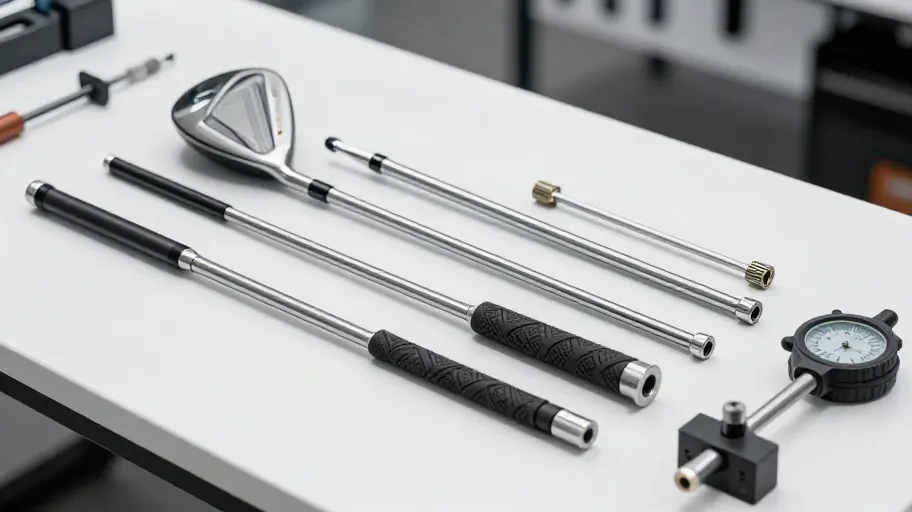
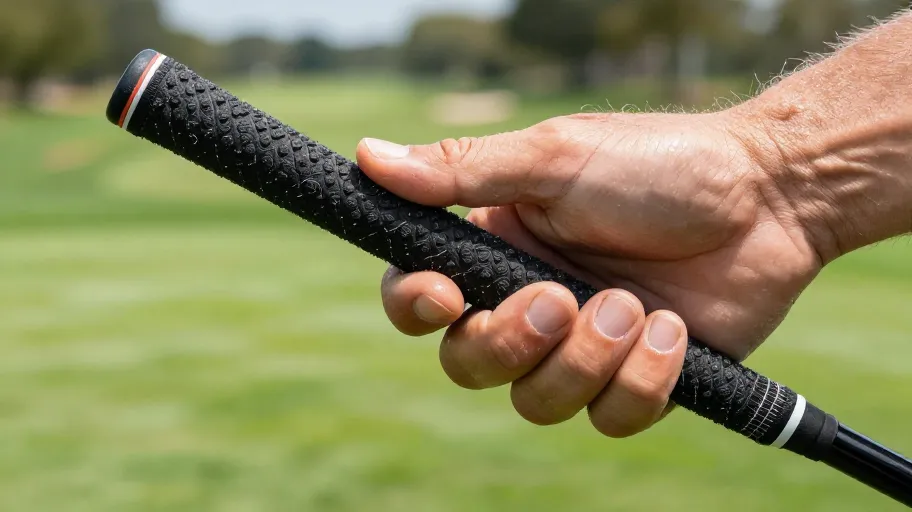
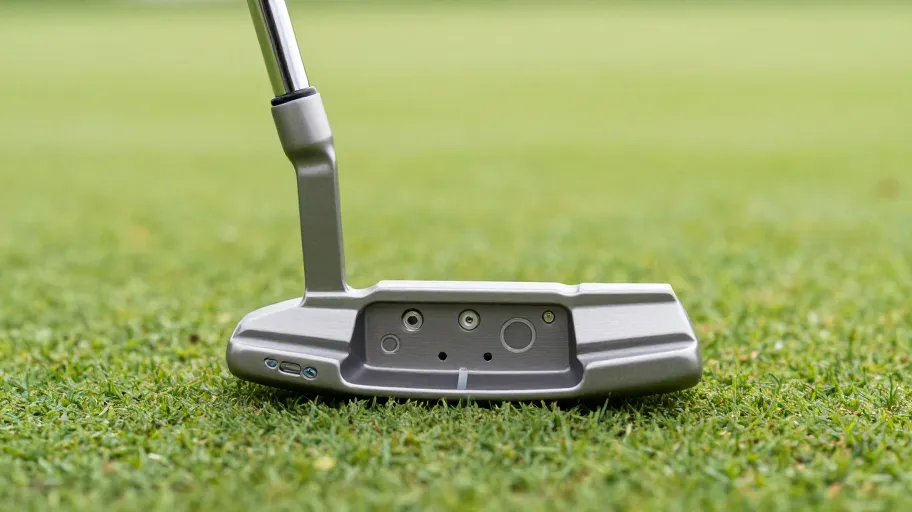
Adjustable weight systems—like those in Odyssey T-Line or SuperStroke models—let you tune dynamics to match your arc and tempo. But total balance matters beyond the head. Swingweight matching reveals a hidden lever: grip weight. Adding counterbalance shifts effective swingweight without changing head mass, promoting a smoother pendulum motion. Most players ignore this, chasing head adjustments while missing the bigger picture.
Customized weighting means fewer compensations. Each putt starts on line more consistently. Lower face deviation leads to fewer recovery putts—and that translates to saving 1.2 putts per round on average.
What the numbers say about ROI
You’re losing 1.5 to 2 strokes every round—not from poor aim, but from a putter working against your stroke. That’s the real cost of ignoring weight tuning. Consider this: a 14-handicap golfer cut their three-putts from 4.2 to 2.7 per round just by adjusting head weight. They didn’t just save strokes—they gained confidence on every green.
USGA-backed research confirms a head weight between 350–370g improves roll accuracy by up to 20%, especially on grainy or sloped greens. The key metric? Roll Consistency Score (RCS), which measures launch angle, backspin, and skid ratio. A higher RCS means truer forward roll, less skidding, and fewer misreads caused by inconsistent ball behavior.
And here’s the surprise: mid-handicappers gain more from tuning than low-index players. Their strokes aren’t fully automated, so optimized weighting reinforces repeatable mechanics. Custom weighting doesn’t mask flaws—it corrects them through physics, accelerating skill development and sharpening feedback under pressure.
How to adjust your putter at home
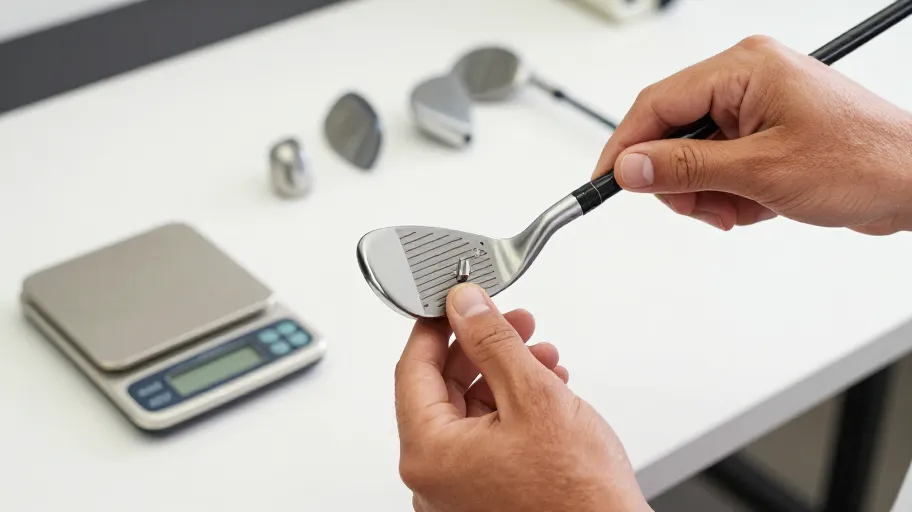
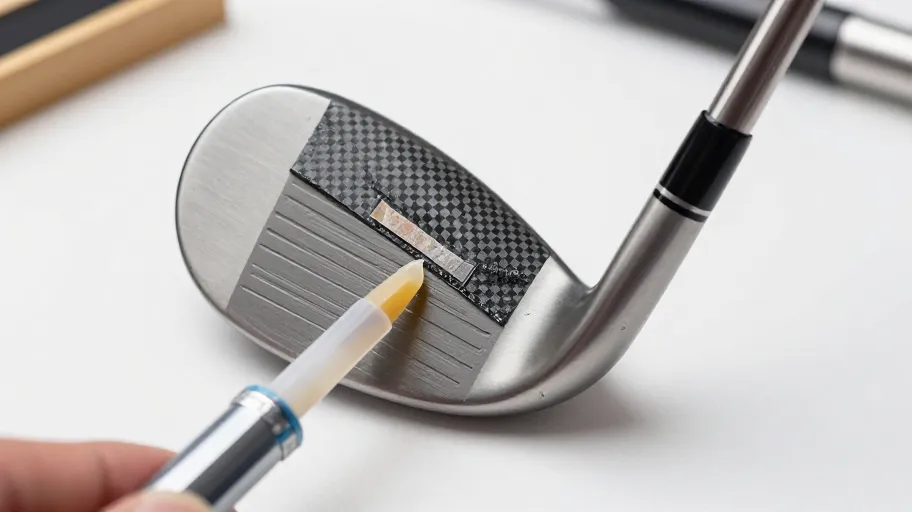
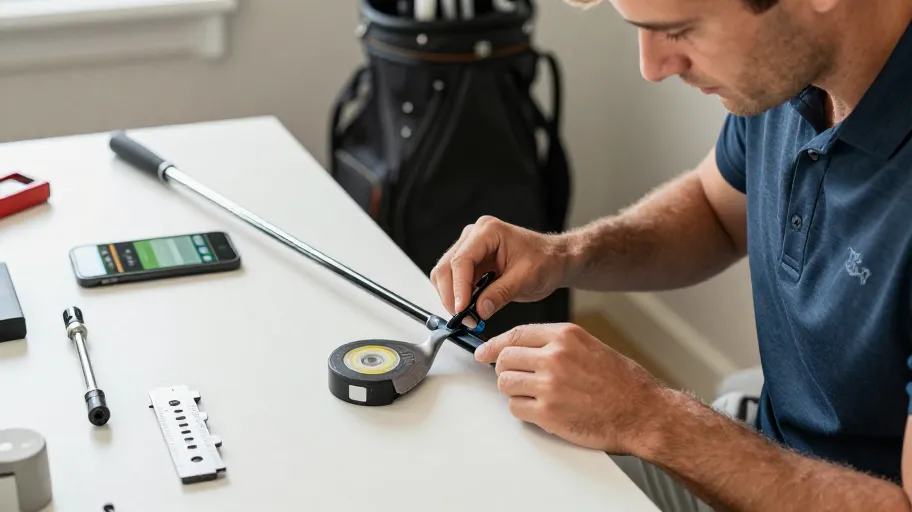
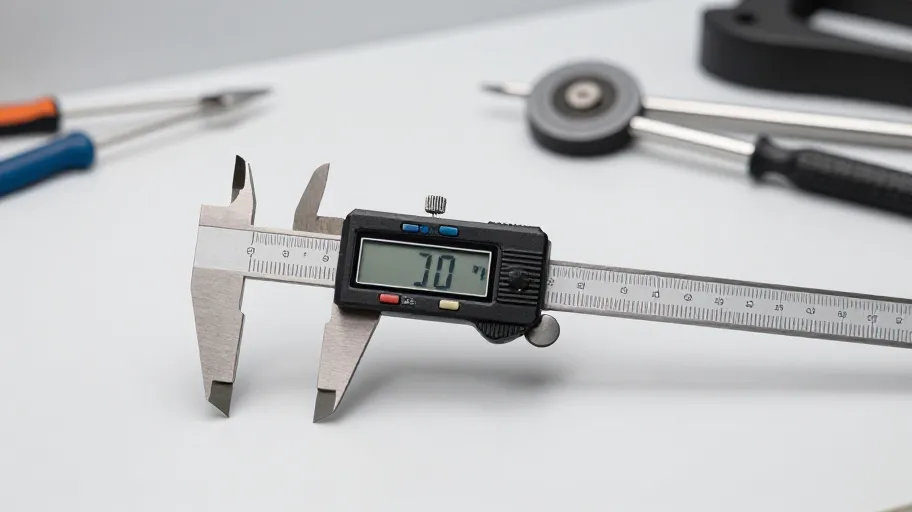
You don’t need a lab to build tour-level consistency—just a flat surface, some small weights, and a structured test plan. At DIY-Golf.com, golfers use alignment grids, stroke templates, and incremental 5g–20g adjustments (using coin tape, lead tape, or screw weights) to isolate what actually works. The key isn’t guessing—it’s testing with purpose.
Weight port location shapes your stroke. Heel or toe weighting adds draw or fade bias—great for arcing strokes. But for straight-back-straight-through players, side weighting offers little benefit. The real insight? Adding 10g to the rear sole increases MOI more efficiently than lateral adjustments, boosting stability with less total weight. A 2025 study found this reduced face angle deviation by up to 18% over 100 trials.
Real improvement comes from data, not instinct. Log every change and its outcome. Over time, you’ll build a personalized profile that turns subtle physics into competitive edge—proving mastery isn’t bought, it’s calibrated.
Keep your setup sharp all season
Perfecting your putter isn’t a one-time job—it’s ongoing maintenance. Tour pros recheck specs every six weeks on average (PGA Tour Performance Data, 2025), not because their putters break, but because dynamic balance needs tuning as conditions change.
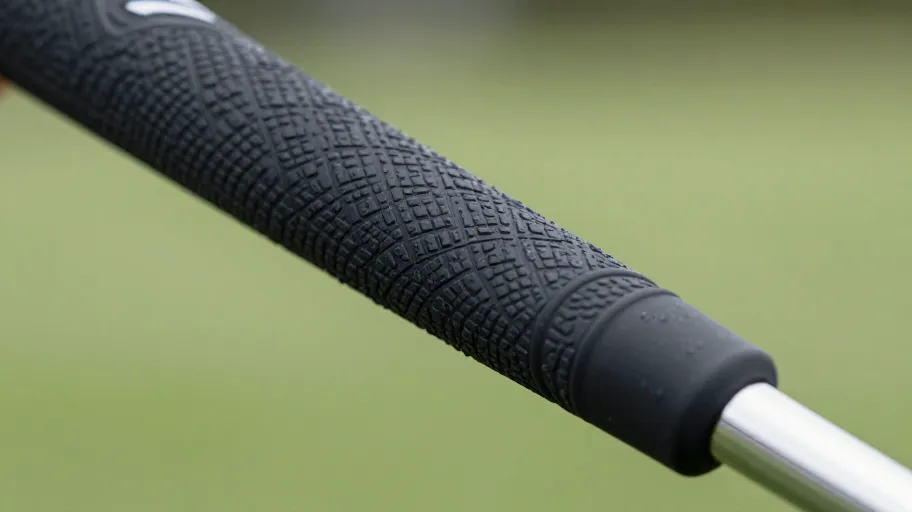
Switch from soft summer greens to tight winter surfaces? Reduced friction means you may need front-biased weight to stabilize pace. Grip wear thins the handle over months, subtly lightening swingweight—even a 3g shift alters tempo. Cold hands reduce feel sensitivity. Aging or injury can reduce fine motor control by up to 18% (Journal of Sports Rehabilitation, 2024). These shifts demand recalibration.
Treat putter tuning like fitness: continuous optimization, not repair. Consistent balance tuning cuts three-putt frequency by stabilizing stroke mechanics across seasons. That turns short-game volatility into reliable confidence—and keeps your scores low year-round.
Master Your Swing, DIY Your Fit. DIY Golf is the premier destination for the technical golfer. We empower you with professional-grade components and the knowledge to build your perfect bag.