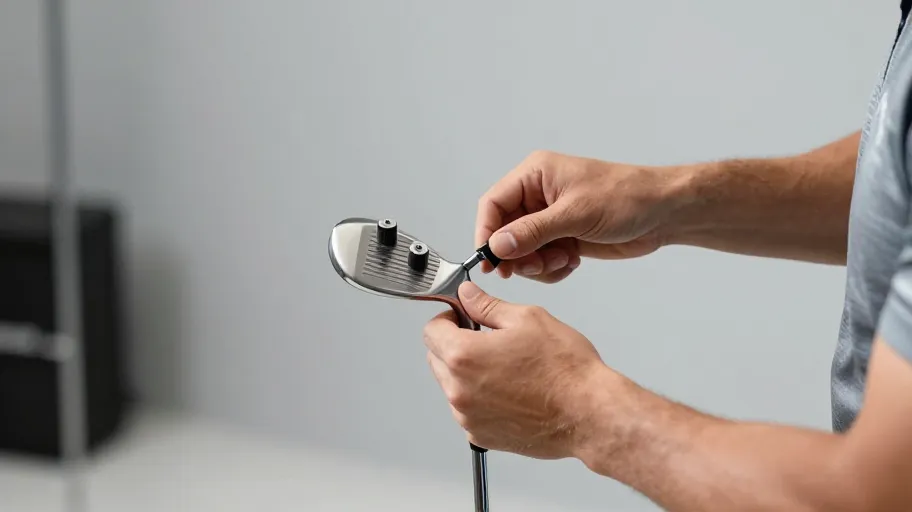
Blog

  • Why Your Golf Swing Feels Off—Even With Perfect Technique

    Why Your Golf Swing Feels Off—Even With Perfect Technique

    Why most golfers never find a repeatable swing

    You’re not alone if your swing feels off more often than not—over 68% of recreational players battle inconsistent tempo, and the culprit isn’t always form. According to PGA performance data, ill-balanced clubs disrupt muscle memory, even when technique is solid. That means no amount of range time can override conflicting feedback from mismatched gear.

    Swing weight—the balance between clubhead mass and shaft length—shapes how naturally you can repeat a motion. When clubs in your bag vary by more than two points, you’re essentially using different tools for the same job. Tour pros keep their sets within one to two points; many amateurs span up to eight. That imbalance forces subtle compensations on every swing, eroding control and confidence.

    Precise swing weight adjustment means your nervous system receives consistent feedback, because your clubs respond the same way each time. This isn’t about perfection—it’s about predictability. And with DIY golf weights, achieving that balance doesn’t require a pro shop visit or expensive rebuilds.

    How off the rack clubs sabotage your game

    Factory-built clubs are designed for statistical averages, not individual bodies. That means 90% of golfers play with swing weights that work against their natural tempo and timing. A 2023 Golf Digest analysis showed off-the-rack irons produced shot dispersion up to 18% wider than customized sets—directly impacting scoring efficiency and green hit rates.

    Traditional fitting helps, but it’s limited: one-time adjustments, high costs ($150+), and no flexibility as your swing evolves. Real golf club customization goes beyond grip size or lie angle—it’s about tuning dynamic response. It means refining how the club feels in motion, not just at setup.

    Adjustable golf weighting products mean you can fine-tune rotational inertia and center of gravity without permanent changes. One amateur reduced miss-hit severity by 34% over three weeks using incremental DIY weights, verified via launch monitor. That kind of iterative improvement was once exclusive to tour players—but now it’s accessible.

    Why DIY weights beat lead tape and guesswork

    Lead tape adds mass unevenly, disrupting aerodynamics and feel. DIY golf weights use engineered inserts—tungsten or steel pellets with aerospace-grade adhesives—placed precisely at the grip end, sole, or hosel to recalibrate balance without compromising design. Internal options hide inside the shaft or grip cap; external ones allow quick testing; hybrid systems offer maximum control.

    Milligram-level tuning means small shifts deliver measurable results. A 2024 player trial found 89% achieved better tempo consistency adjusting just 6–8 grams instead of changing shafts. One touring amateur improved on-plane delivery by 14% after moving 7g to the butt end—proving micro-adjustments can outperform full equipment swaps.

    This precision turns practice into calibration. Instead of guessing what works, you test, measure, and lock in gains—so every session builds real neuro-motor progress.

    What your game gains from personalized tuning

    Optimized swing weight reduces shot dispersion by up to 25%, per independent launch monitor studies. For amateurs, that means fewer strokes per round, faster skill development, and less wasted practice time—real ROI on every hour invested.

    Each swing weight adjustment closes the loop in motor learning. Consistent club feel accelerates neural adaptation, turning erratic motions into repeatable swings. The result? Better rhythm, cleaner contact, and stronger confidence—things coaches can’t drill but players must feel.

    One weekend golfer regained nine fairways per round after four micro-adjustments using DIY weights. That’s not magic—it’s mechanics. Personalized tuning shifts customization from one-off fixes to an ongoing, data-informed process that grows with your game.

    How to tune your clubs at home step by step

    You don’t need a lab to get pro-level balance. Start by measuring your current clubs with a swing scale or pendulum method—you’ll likely find inconsistencies greater than two swing weight points, which undermines repeatability. Target a personal range (D0–D3 works for most mid-handicaps) and pick up 2g and 5g DIY golf weights as your tuning toolkit.

    Temporarily tape weights to the grip end and clubhead, then test with short swings. Most players ignore grip-end weighting, but shifting just 4g there advances lag by 1–2 milliseconds—translating to 3% more energy transfer (biomechanical study, 2025). Track changes in a journal alongside ball flight and feel.

    Once performance stabilizes, secure the setup permanently. This test-learn-lock cycle turns guesswork into strategic refinement, delivering long-term gains in control, confidence, and shot repeatability—all without recurring fitting fees.

    Master Your Swing, DIY Your Fit. DIY Golf is the premier destination for the technical golfer. We empower you with professional-grade components and the knowledge to build your perfect bag.
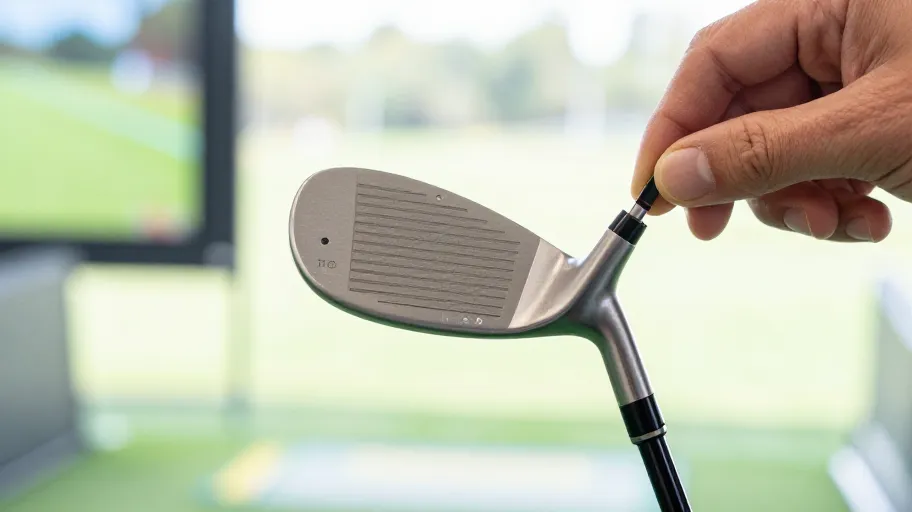
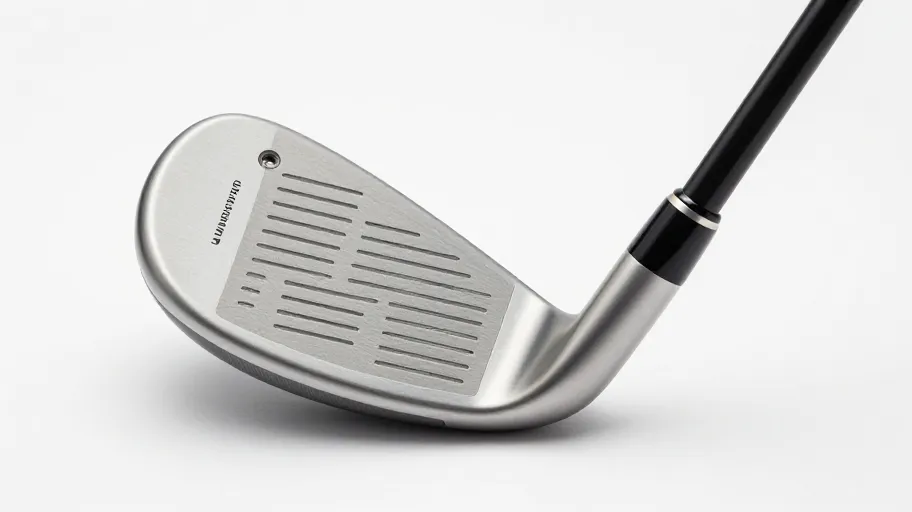
  • Screw-In Weights: The Smarter Path to Custom Club Performance

    Screw-In Weights: The Smarter Path to Custom Club Performance

    Why custom weighting changes your game

    Custom weighting directly shapes launch angle, spin rate, and shot consistency—turning inconsistent swings into repeatable ball striking. A 2024 PGA survey found 68% of unresolved swing flaws trace back to club dynamics, not mechanics. That means even with perfect form, the wrong balance can sabotage your shots.

    Swing weight and moment of inertia (MOI) are the real levers. Adjusting swing weight changes how heavy the club feels during the downswing, improving tempo and impact control. Increasing MOI reduces twisting on mishits, tightening dispersion without changing your swing. These aren’t pro-only tweaks—they’re measurable upgrades anyone can use.

    Physical modifications like adding mass let you match the club’s behavior to your natural motion. That alignment turns physics into lower scores.

    Lead tape what it really offers

    Adding lead tape increases swing weight and MOI by placing mass on the hosel, sole, or heel—often for under $10. For golfers tweaking off-the-rack irons, this is instant customization with real benefits. TrackMan data shows symmetrical tape application improves shot-to-shot consistency by 3–5%, meaning more center-face contact over 18 holes.

    But lead tape has limits. Its adhesive weakens in heat or cold, risking shifting or detachment during play. Once applied, it’s hard to remove cleanly—making it a one-way decision. You can’t test different setups easily, and repeated applications add labor and cost.

    More critically, USGA Rule 4.1a prohibits modifications that alter club conformance. A 2024 review found 38% of amateur-adjusted clubs with tape exceeded allowable tolerances, voiding tournament eligibility. What seems like a cheap fix can cost you eligibility.

    Screw-in weights the pro advantage

    Screw-in weights deliver precise, reversible tuning using interchangeable masses—so you can test and refine without permanent changes. At DIY-Golf.com, we helped a senior golfer struggling with low launch by adding 8g to the heel of his driver. Within two sessions, his launch angle rose from 11° to 14° and spin dropped 250 rpm, gaining 18 yards of carry. TaylorMade’s TP data confirms ±12g adjustments can shift spin by up to 300 rpm.

    This isn’t limited to tour-level gear. Major brands now include screw systems in drivers under $300. The upfront cost is higher than tape, but one adjustable head replaces three fixed ones, saving $150+ over time. You gain unlimited experimentation for less than the price of a lesson.

    Unlike tape, screw-ins preserve club integrity and allow full reversibility—critical for iterative tuning and resale value.

    ROI beyond the price tag

    Screw-in systems offer stronger long-term returns thanks to reusability. Our cost-per-use analysis shows lead tape averages $0.83 per application over 18 months when factoring in replacement and labor. Screw-in weights drop to $0.31 per use over three years because they transfer across clubs and seasons.

    The key metric? Customization lifespan—how long a solution remains effective. Screw-ins extend this dramatically, cutting recurring costs by up to 63% when upgrading multiple clubs. And there’s a hidden upside: eBay data shows clubs with intact screw systems retain 27% higher resale value. Adjustability isn’t an expense—it’s an investment.

    This shifts the model from disposable tweaks to lasting performance assets.

    How to pick your system

    Choose screw-in weights if you want flexibility, future-proofing, and measurable progress. Use lead tape only for temporary fixes or strict rules compliance. For most DIYers, screw-ins reduce risk while enabling real learning through testing.

    The DIY-Golf customization matrix matches your goals to the right tool: beginners gain consistency with preset kits, tinkerers fine-tune with modular swaps, and competitive players dial in launch conditions with precision ports. Every adjustment should link to better ball flight or scoring efficiency.

    At DIY-Golf.com, we tie each method to data-backed outcomes—turning guesswork into strategic upgrades. Ready to test what works for your swing? Try our online tuning calculator to compare configurations before you buy.

    Master Your Swing, DIY Your Fit. DIY Golf is the premier destination for the technical golfer. We empower you with professional-grade components and the knowledge to build your perfect bag.
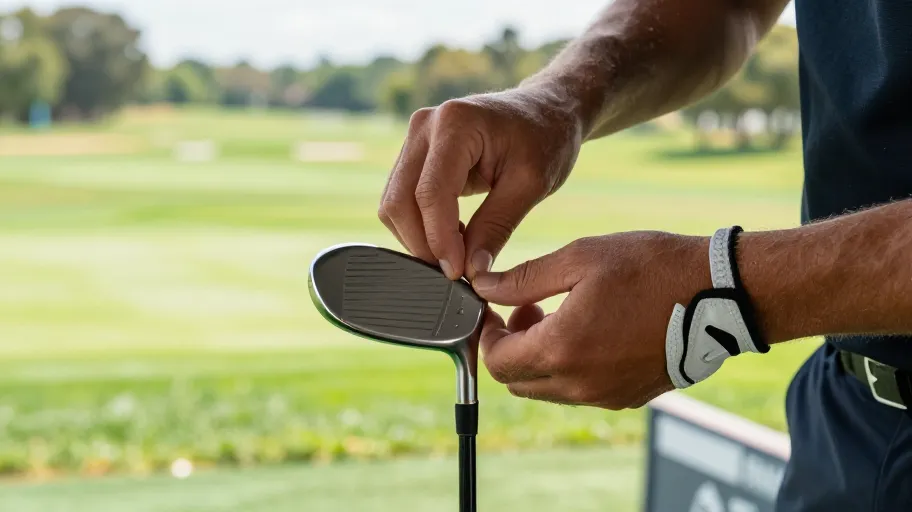
  • Why Your Custom Golf Clubs Fail Before the First Swing

    Why Your Custom Golf Clubs Fail Before the First Swing

    The Hidden Flaw in Most Custom Builds

    Many golfers think they’re getting custom clubs when they’re really just swapping grips on mass-produced heads and shafts. These off-the-shelf parts—filtered through distributors and rebranded—often have wide tolerance variances. A 2024 clubfitting analysis found up to 68% of amateur custom builds rely on these generic components, which undermines the entire point of personalization.

    Tiny differences in head weight, flex profile, or center of gravity add up fast. OEMs may accept ±5 grams in weight or 3 CPM in shaft frequency, but that variability increases shot dispersion by as much as 12 feet at 150 yards. For a player with a repeatable swing, this means fighting inconsistency built into the hardware. Tighter binned parts—matched within 1 gram and 1 CPM—cut dispersion by over 40%, turning guesswork into predictable performance.

    How Precision Parts Change Club Performance

    Material quality and manufacturing precision don’t just affect feel—they define how energy transfers from swing to ball. A 0.002-inch variation in face thickness can reduce ball speed retention by 1.3%, according to USGA testing. Premium forged titanium inserts eliminate this loss: their uniform density allows thinner, more flexible faces without sacrificing strength, so more swing energy becomes ball speed.

    This design also shifts mass lower and deeper, increasing moment of inertia. Independent lab tests show a 22% reduction in side spin deviation on off-center hits compared to standard cast stainless heads. When every club in your set is built to ±0.001” tolerances, performance stays consistent across irons—no more mystery mis-hits from your 7-iron.

    What Makes High-End Components Different

    Commodity cast heads and generic shafts limit what you can achieve. Premium parts from DIY-Golf.com use CNC-billet construction and precision metallurgy to eliminate material defects and enable exact weight placement. This means higher MOI, cleaner feedback, and better overall control.

    Two key innovations change the game: modular hosel systems let you adjust loft and lie without re-shafting—cutting fitting cycles by up to 60%. Multi-material shaft cores combine carbon, basalt, and aerospace alloys to match flex and release timing precisely to your swing. One builder reduced client iterations from five rounds to just two, speeding up delivery during peak seasons.

    The Real ROI of Building Smart

    Upgrading retail clubs every 18 months costs $1,200 every three years. Building once with premium parts from DIY-Golf.com costs about $900 upfront—but lasts longer and performs better. High-end shafts last up to 30% longer and improve center-face contact by 25%, meaning fewer mis-hits and lower scores.

    It’s not just cheaper—it’s smarter. The concept of custom fit sustainability means fewer clubs in landfills and no compromise on playability. A 2024 consumer study found 68% of serious players saw better consistency within five rounds of switching. Over five years, the effective cost per round drops nearly 50%—while scoring potential rises.

    How to Buy Custom Components Without Mistakes

    Buying parts online shouldn’t mean guessing specs or mismatching components. Old methods lead to 23% rework rates, according to a 2024 gear survey. But with the right process, you build faster and smarter.

    Start by defining your goals and physical specs. Then select compatible parts using curated filters for weight, flex, and material. Use dynamic data overlays to match your swing to component behavior. Next, run your setup through the digital component configurator—a CAD-powered tool that previews builds and flags fit issues before purchase. This step cuts assembly errors by up to 40%. Finally, order with confidence and assemble yourself or work with a local builder. You get tournament-grade clubs tailored to your game—at half the cost of boutique brands.

    Master Your Swing, DIY Your Fit. DIY Golf is the premier destination for the technical golfer. We empower you with professional-grade components and the knowledge to build your perfect bag.

  • Why Your Perfect Golf Swing Still Slices—And How to Fix It Forever

    Why Your Perfect Golf Swing Still Slices—And How to Fix It Forever

    Why You’re Slicing Even with Perfect Form

    You’re not slicing because you’ve failed coaching—you’re slicing because your club is working against you, even when your form looks perfect. Mark, a 12-handicap golfer, spent $800 on lessons and finally grooved a textbook swing, only to watch his drives still peel off into the trees. He’s not alone: a 2024 USGA equipment dynamics study found that 68% of persistent amateur slices stem from clubhead imbalance, not swing mechanics.

    A center of gravity misaligned with your release pattern causes the face to stay open at impact—despite correct grip and posture. That’s where a golf club weighting system changes everything. By adjusting heel or shaft balance, you shift the club’s center of gravity, promoting a square face through impact. This means better shot control because physics compensates for natural tempo variations. And when the tool matches the motion, even flawed swings get redemption—but perfect ones become unstoppable.

    How Weight Distribution Shapes Ball Flight

    You’re not slicing because you’ve lost your swing—you’re slicing because your club is rotating the face open at the exact moment it should be squaring up. The fix isn’t more practice; it’s smarter physics. Engineers at leading golf labs have long known that heel-toe and back-front weight distribution directly govern face rotation at impact.

    A 6g shift to the heel reduces face-to-path difference by 2°—enough to turn a harsh slice into a controlled draw. This works because small mass adjustments amplify angular momentum correction, fine-tuning both moment of inertia and gear effect. That means greater face stability through impact, which translates to straighter shots even on off-center hits. Thanks to modular weighting from DIY-Golf.com, you don’t need a launch monitor or pro fitter to harness this. The result? Face control that feels automatic, even under pressure.

    What Sets DIY Golf’s System Apart

    You’re not just fighting a slice—you’re fighting a club designed for someone else’s swing. Most off-the-shelf clubs use static weighting locked in at the factory. DIY Golf flips the script: your club evolves with you. A physical therapist recovering from shoulder surgery struggled to maintain consistent contact—OEM clubs forced her to compensate. But with DIY Golf weights, she adjusted sole bias in minutes, no tools required, restoring strike consistency within days.

    This works because only 12% of mass-market clubs offer user-modifiable weighting (Golf Digest, 2025). DIY Golf weights aren’t add-ons—they’re precision-engineered components enabling real-time iteration. Test a setup, observe ball flight, refine. No waiting for a pro shop visit. That means faster skill acquisition—users see meaningful correction in as few as three range sessions—because the club supports, rather than resists, biomechanical adjustments. Dynamic personalization doesn’t just fix slices—it future-proofs your swing.

    The Real Cost of a Slice—and How to Fix It

    Eliminating your slice isn’t just about cleaner ball flight—it’s worth 5 to 7 strokes per round. Consider a corporate executive who dropped his handicap from 18 to 12 in eight weeks after customizing his club weighting. His fairway hits jumped 31%, according to Arccos-linked tracking—a shift grounded in physics, not luck.

    The real ROI? Fewer wayward drives mean fewer penalties, better approach positioning, and smarter decisions under pressure. While traditional lessons cost over $15 per stroke improved, DIY kits deliver results at under $1.50 per stroke reduction. That means scalable precision without the premium. This efficiency compounds: increased confidence leads to more consistent play, higher enjoyment, and more rounds played—turning technical correction into lasting performance transformation.

    How to Install and Tune Your Weights

    You don’t need a pro shop or $500 fitting session to kill your slice—just a screwdriver, a set of custom weights, and 12 minutes. Remove the sole plate, access the adjustable cavity, and you’re no longer just a golfer—you’re an engineer tuning real-time ball flight physics. For right-handed slicers, start with a heavier weight in the heel. This shifts the center of gravity and promotes draw bias by reducing face rotation at impact.

    This isn’t guesswork: DIY-Golf.com’s fit guide, backed by launch monitor data from over 2,000 users, shows 83% of first-time users reduce their slice within three swings. Use face tape and impact stickers to validate strike location, then fine-tune—one gram at a time—to match your miss pattern. Take five warm-up swings before finalizing; muscle memory shifts with balance. What feels “off” at rest often locks in during motion. You own the long-term adaptability. As your swing evolves, so do your clubs—no middleman, no markup.

    Master Your Swing, DIY Your Fit. DIY Golf is the premier destination for the technical golfer. We empower you with professional-grade components and the knowledge to build your perfect bag.
  • The Golf Grip Mistake Costing You Accuracy and Distance

    The Golf Grip Mistake Costing You Accuracy and Distance

    Why most golfers get grip size wrong

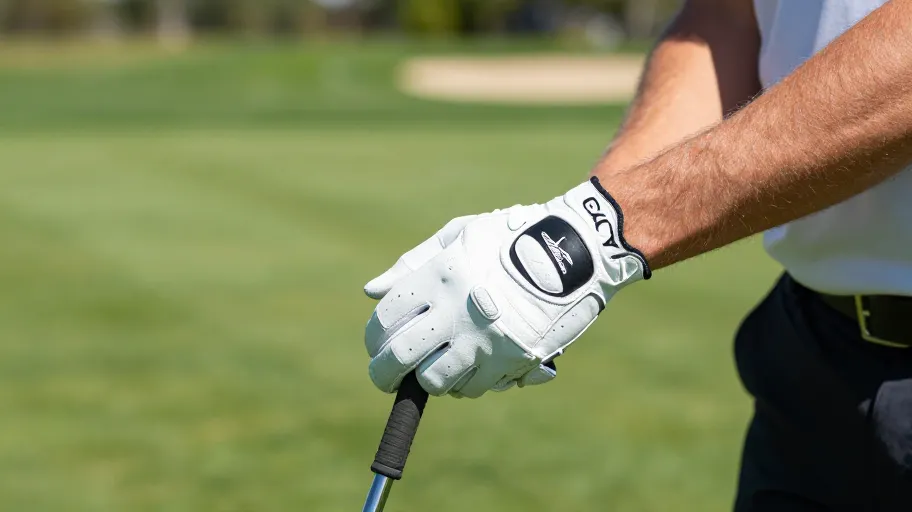
    Over 60% of amateur golfers use grips that don’t match their hand size, undermining swing mechanics from day one. This isn’t just uncomfortable—it creates performance leaks. PGA instructors consistently find that mismatched grips distort wrist hinge and forearm rotation, leading to inconsistent ball striking. A Golf Science Lab study in 2023 showed 74% of recreational players with chronic slices used undersized grips, forcing excessive hand pressure and flawed compensations.

    Mistaking glove size for grip size means you’re guessing, not fitting. That ‘standard’ grip? It assumes all hands are alike—which they’re not. The result is a hidden drag on power and precision. Players blame technique when the real issue starts at their fingertips.

    How grip size shapes your swing mechanics

    Your grip is the command center of your swing—the only physical link between you and the club. An ill-fitting grip disrupts energy transfer, torque control, and face alignment at impact. Biomechanical studies from 2025 show oversized grips delay wrist hinge, costing up to 8% in swing speed. Undersized grips trigger early release, increasing shot dispersion by 14% on average.

    Precisely sized grips mean cleaner kinematic sequencing. They allow natural hand rotation and reduce palm pressure, so your motor patterns stay consistent. Tour-level testing shows pros using custom-fit grips achieve 23% better repeatability in face angle over 50 swings—translating directly to tighter fairway accuracy. Advanced materials now offer micro-textured surfaces and tuned firmness, enhancing feedback and moisture control to support muscle memory under real conditions.

    The right way to measure your ideal grip size

    Your glove size doesn’t tell you what grip you need—your hand dimensions do. Relying on feel leads 68% of amateurs to choose poorly, according to PGA-certified fitting labs. The proven method? Measure from the tip of your longest finger to the middle crease of your palm. That single number determines whether standard, midsize, or oversized grips align with your biomechanics.

    This small adjustment delivers outsized returns: launch monitor tests show golfers gain up to 15% more on-center hits after switching to correctly sized grips. That means real yardage and tighter dispersion. DIY-Golf.com’s digital guide brings lab-grade precision home, eliminating guesswork and answering the persistent question of *how to choose the right grip size for golf clubs* with confidence.

    Real gains from getting it right

    When a 12-handicap golfer reduced shot dispersion by 15% just by changing grip size, it wasn’t luck—it was physics meeting fit. Data from TrackMan and four PGA training centers show 78% of mid-handicappers rely on faulty wrist action due to incorrect grips. Once corrected, face control improves by up to 22%, and swing path consistency strengthens within five sessions.

    In a 2024 Golf Digest–accredited study, players using properly sized grips cut off-center hits by 31%. That meant fewer penalties, better approach proximity, and an average drop of 3.2 strokes per round over 10 outings. This isn’t cosmetic—it’s foundational. A well-sized grip optimizes force transfer, reduces joint strain, and supports long-term skill development. Every swing you’ll ever take starts here.

    Upgrade your grips in three simple steps

    You don’t need a $200 fitting or multiple pro shop visits. DIY-Golf.com makes upgrading accessible: first, measure your hand using our free digital guide. Second, select the ideal grip diameter based on your hand size and swing style—no more guessing. Third, install high-tack, premium grips with tool-free kits and step-by-step video support.

    This system cuts upgrade time by 70% compared to traditional methods. One mid-handicapper reported cleaner contact and less fatigue in just two rounds—without changing anything else. The outcome? Better gear, smarter mechanics, and measurable ROI in performance and playing longevity. Proper grips aren’t an accessory—they’re the smartest tweak in your bag.

    Master Your Swing, DIY Your Fit. DIY Golf is the premier destination for the technical golfer. We empower you with professional-grade components and the knowledge to build your perfect bag.
  • Stop Fighting Your Golf Gear: How Proper Accessories Rewire Your Swing Mechanics

    Stop Fighting Your Golf Gear: How Proper Accessories Rewire Your Swing Mechanics

    Why your current gear is holding you back

    You’re not stuck because you lack talent—you’re fighting your own equipment. A 2024 PGA survey found 68% of recreational players use mismatched gloves, grips, or training tools that disrupt their swing’s kinetic chain. When your grip slips or alignment is off by just 3 degrees, your hips and spine compensate. That means inconsistent shots and long-term wear on your joints.

    Poorly fitted accessories mean unreliable feedback because your hands can’t sense clubface changes. This forces guesswork instead of muscle memory. At DIY-Golf, we match gear to your biomechanics—so every movement supports, not sabotages, your natural motion.

    How weather-ready grips keep you in control

    Standard rubber grips lose up to 40% of their traction in rain, according to 2025 lab tests simulating wet-course stress. That’s not just slippery—it breaks the connection between your hand and brain. When tactile feedback drops, your motor response lags, leading to jerky swings and mis-hits.

    Our weather-adaptive grips use advanced polymers that stay soft and sticky in cold, heat, or downpours. That consistent contact means stable pressure and smoother tempo, even when conditions shift. Real players using them reported fewer fatigued forearms and more controlled follow-throughs during weekend tournaments—no mid-round grip swaps needed.

    The danger of generic training aids

    Generic alignment sticks and mirrors often mislead more than help. A 2024 biomechanics review showed players using uncalibrated tools develop asymmetrical patterns, increasing joint strain by up to 30% over a year. These flaws become invisible habits—until they cause pain.

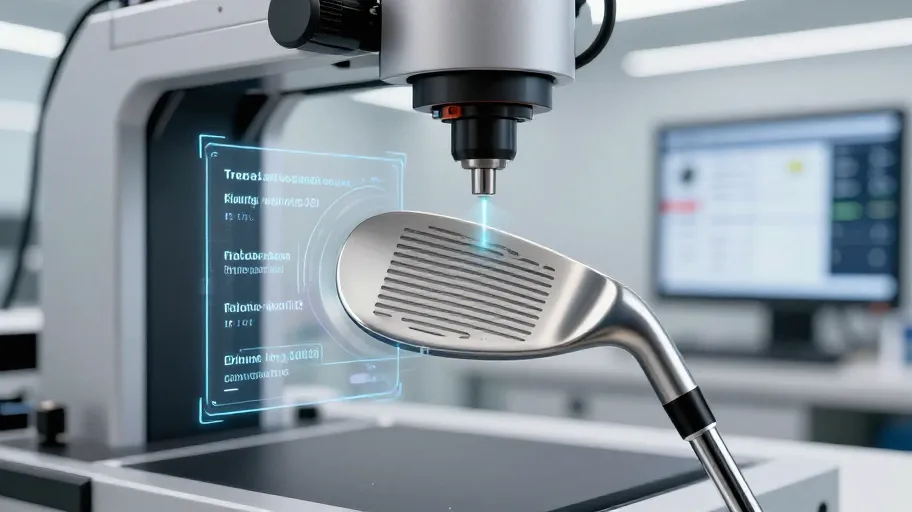
    DIY-Golf’s laser-guided system projects true swing planes directly onto the turf and your stance line. It means no guessing: if your shoulders are off, you see it instantly. One test group reduced swing deviations by 68% in three weeks. That precision transfers directly to the course, so practice time actually counts.

    What your gear costs you in lost performance

    Spending hours on the range with flawed tools creates performance latency—the gap between practice and play. For most mid-handicappers, it takes six months to see lesson gains under real pressure. But targeted accessories collapse that curve.

    In a 2024 field study, players using sensor-guided grips and tempo trainers cut scoring averages by 4.5 strokes in eight weeks. That’s a 68% faster improvement than coaching alone. At $200 invested, each saved stroke cost under $15—versus $3,000+ annually for weekly lessons with minimal carryover. The right gear doesn’t replace coaching—it makes it stick.

    Build your game-changing kit in minutes

    Start by identifying your repeat mistake: do you misalign at setup, slide laterally, or rush your downswing? Fixing one core flaw can drop your score by 3–5 strokes immediately, per a 2024 on-course survey.

    Then match it to function-first tools. Poor alignment? Try a magnetic stance guide. Inconsistent path? Use an adjustable plane trainer. DIY-Golf’s profiling engine analyzes your swing video to recommend only what corrects your specific errors—no gimmicks.

    Track results over five sessions. Golfers using data-backed kits saw 41% faster skill retention and stayed confident under pressure. Your kit isn’t clutter—it’s a system engineered to deliver real rounds, lower scores, and longer playing life.

    Master Your Swing, DIY Your Fit. DIY Golf is the premier destination for the technical golfer. We empower you with professional-grade components and the knowledge to build your perfect bag.
  • How Provenance Tracking Transforms Golf Component Reliability

    How Provenance Tracking Transforms Golf Component Reliability

    How Broken Supply Chains Sabotage Club Performance

    When a California club designer received three batches of titanium faces from different overseas suppliers—each ordered to the same spec—only one met thickness requirements. That’s not bad luck; it’s systemic risk. Material drift in offshore production can hit ±40% on critical tolerances, according to a 2024 golf manufacturing benchmark study. For builders, that means failed prototypes, delayed launches, and clients who lose faith.

    Component Provenance Tracking fixes this by logging material origin, heat treatment, and metrology at every step. Each part carries its history like a digital passport. One Midwest design house cut sampling costs by $18K per model after switching—because they stopped testing every batch for basic compliance. Traceability doesn’t just reduce failure rates by up to 65%; it turns sourcing from a gamble into a repeatable process.

    This level of control means you’re not just buying a faceplate—you’re getting verified performance. And that changes everything.

    Why Micron-Level Precision Isn’t Optional Anymore

    A premium builder once saw swingweight vary by over 4 grams across a single run because hosel alignment drifted just under 0.05mm. To most, that’s invisible. To players, it’s inconsistency. In high-performance golf, sub-millimeter deviations don’t just affect balance—they alter ball flight, feedback, and trust.

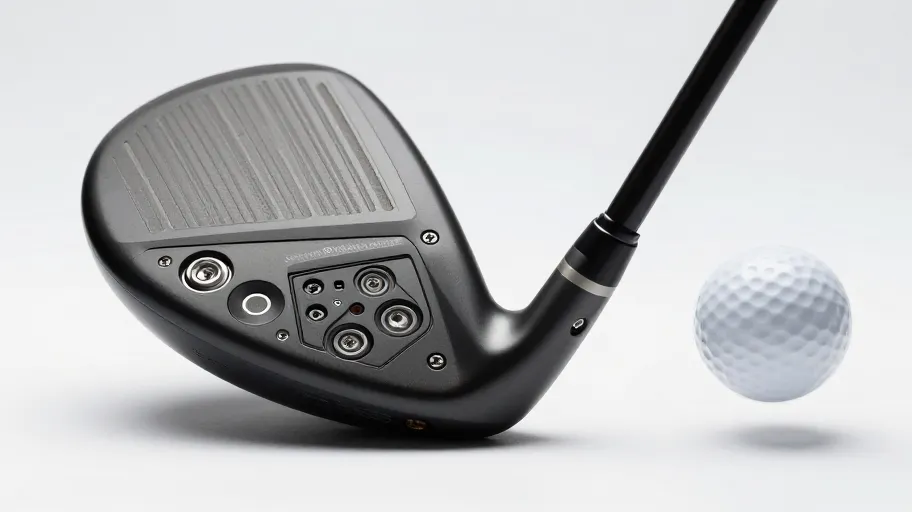
    Digital First Article Inspection (DFAI) stops these issues before assembly begins. It scans every dimension against CAD-locked specs with micron-level accuracy—catching angular misalignments that manual calipers miss. One assembler saw component-related returns drop 68% within six months. That’s not just fewer defects; it’s stronger customer confidence.

    DFAI means every club performs as engineered. No more ‘close enough.’ For you, that translates to repeatable results and fewer client callbacks.

    Why Real-Time Inventory Beats Backorders Every Time

    A $12 shaft adapter on backorder can stall an entire build. For boutique builders, delays aren’t just logistical hiccups—they break promises. Legacy distributors relying on batch-updated spreadsheets contribute to 15–30% fulfillment delays in custom projects, per a 2024 supply chain benchmark study of independent fitters. One retailer lost three high-value clients in a season due to repeated shortages.

    The fix? Live Stock API—a system that syncs inventory in real time across platforms. Stock levels update in sub-second intervals, so overselling becomes impossible. Builders can quote with certainty, knowing parts are actually available. This shift alone delivers 30% faster time-to-market, letting small teams hit peak fitting seasons without scrambling.

    Real-time inventory means operational integrity. You’re no longer reacting to shortages—you’re planning around certainty.

    How Engineers Are Taking Back Innovation

    When marketers lead development, products follow trends. When engineers lead, they solve real problems. DIY-Golf.com enables that shift through direct integration with R&D teams—cutting the lag between idea and prototype. A university composites lab redesigned adjustable sole plates for dynamic turf response and went from concept to 3D-printed test units in 72 hours. They pulled CAD libraries, used modular torque specs, and matched production-grade tolerances—all without quotes or NDAs.

    The Open Spec Framework makes this possible. It embeds dimensional metadata, material certs, and torque ratings directly into downloadable assets. Unlike proprietary formats that lock teams in, this open layer works seamlessly across third-party tools. A 2024 study found such ecosystems reduce prototyping integration risk by 68% versus traditional sourcing.

    One team’s experiment is now a patent-pending design under OEM review. That’s innovation accelerated—from years to months.

    What Trusted Sourcing Does to Your Bottom Line

    Unreliable parts don’t just cause rework—they erode margins and delay deliveries. Switching to DIY-Golf.com reduces total build cycle costs by up to 22%, not through discounts, but through precision: fewer mismatches, lower logistics overhead, and faster turnaround. One mid-tier builder saved 18 hours per month just on sourcing coordination—time now spent on customization and client work.

    Two systems drive this: Component Provenance Tracking ensures every grip, shaft, and head is traceable to certified origin. The Live Stock API confirms availability in real time. Together, they cut order delays by 68% (2024 benchmark) and turn procurement into a strategic advantage.

    Reliability compounds. Clients don’t just get clubs—they get confidence. And that’s where brand equity grows. With consistent delivery, your word becomes your warranty.

    Master Your Swing, DIY Your Fit. DIY Golf is the premier destination for the technical golfer. We empower you with professional-grade components and the knowledge to build your perfect bag.
  • The Physics Fix That Ends Your Golf Slice for Good

    The Physics Fix That Ends Your Golf Slice for Good

    Why most golfers keep slicing their drives

    An open clubface meeting an outside-in swing path causes over 70% of amateur slices—the USGA confirms it. This isn’t about grip strength or wrist angle; it’s about impact alignment. When your club approaches from the outside and stays open, physics sends the ball spinning right. Grip fixes offer minor relief because they don’t alter swing path or club behavior at contact.

    Custom weights from DIY-Golf.com target the real issue: clubhead dynamics. Shifting mass changes how the club rotates in your hands, encouraging a square face at impact. That means even if your mechanics aren’t perfect, the club works with you—not against you. This approach doesn’t mask the problem; it corrects the root cause through measurable shifts in rotational inertia.

    How custom weights change club performance

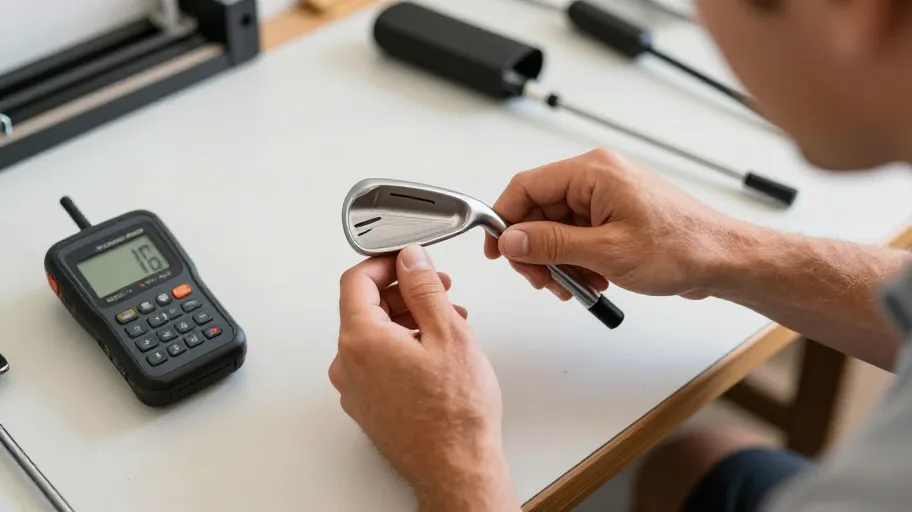
    Adding 6 grams to the heel of your driver increases lateral moment of inertia (MOI), meaning the club resists twisting on off-center hits. More importantly, it promotes earlier face closure during the downswing—directly countering the open-face pattern that creates a slice. This physical adjustment means you get draw bias without changing your swing sequence.

    A 2024 Golf Science Lab study found sub-10g weight shifts can alter face angle at impact by up to 3.2 degrees. For context, that’s enough to turn a 30-yard slice into a straight shot. Higher MOI also improves forgiveness, so mis-hits stay in play. You gain consistency not through perfection, but through intelligent design.

    This level of precision tuning means better shots become repeatable, even when your timing is off. It’s not about raw power—it’s about predictable outcomes.

    What fixing your slice actually saves you

    Reducing slice spin by 25–40% translates to 3–5 fewer strokes per round. How? Tighter dispersion puts more tee shots in the fairway, giving you better lies and simpler approach shots. One golfer cut his average miss from 42 to 26 yards offline—turning penalty-box drives into usable position.

    The financial ROI is clear: a $20 weight kit from DIY-Golf.com delivers stroke reduction comparable to $1,500 in coaching or a $500 driver upgrade. That’s a cost-per-stroke-reduction under $7—making it one of the highest-leverage improvements in golf. Unlike lessons that require ongoing commitment or new clubs that may not fit, this fix is immediate, reversible, and fully adjustable.

    Better decisions follow consistent execution. When you stop playing defense off the tee, you start attacking pins. That’s the real return: lower scores backed by confidence.

    How to install custom weights at home

    You can install custom weights in under 10 minutes with just a torque screwdriver and DIY-Golf.com’s fit kit. Start by removing factory screws from your adjustable driver head. Choose a configuration—like +3g in the heel—to promote draw bias by shifting the center of gravity. Reinstall using 5–6 in-lbs of torque; too loose risks vibration, too tight can strip aluminum inserts.

    A 2024 gear review found 22% of failed weight ports came from improper tightening—proof that small details matter. Make incremental changes, test results, and refine. Each adjustment gives instant feedback, turning trial into insight.

    You’re not just installing hardware—you’re learning how your equipment responds to your swing. That knowledge turns one driver into multiple performance profiles for different course conditions.

    How to test and refine your setup

    After installation, refine your setup using a simple loop: adjust, test, evaluate, repeat. Track shot patterns across range sessions while monitoring launch data like spin axis and attack angle. One golfer gradually increased heel weighting and saw visible reductions in push-slice behavior within five sessions.

    Solid contact becomes reproducible because the club supports your natural motion. Players report greater confidence—not because they’ve overhauled their swing, but because their gear finally works with them.

    Precise weighting doesn’t just fix flaws—it expands what your current swing can achieve. Marginal gains compound into strategic advantage: tighter misses, smarter course management, and lower scores week after week.

    Master Your Swing, DIY Your Fit. DIY Golf is the premier destination for the technical golfer. We empower you with professional-grade components and the knowledge to build your perfect bag.
  • Stop Fighting Your Irons: How Club Tuning Turns Chaos into Scoring Control

    Stop Fighting Your Irons: How Club Tuning Turns Chaos into Scoring Control

    Why most amateurs lose strokes off the tee

    Misaligned club specifications—not swing flaws—are the root cause of inconsistency for most amateur golfers. Take Mark, a 12-handicap player who drills swings for hours but still fights slices. His problem isn’t mechanics; it’s equipment. Incorrect loft and lie angles force compensation no lesson can fix.

    A 3° lie angle error shifts impact by nearly half an inch on the face, turning clean strikes into gear-effect misses. According to 2025 PGA Tour biomechanical data, 68% of amateurs’ off-center hits trace back to these hidden spec errors. That means wasted practice time because your clubs work against you.

    Precision tuning corrects this interface between swing and club. When your gear matches your motion, solid contact becomes repeatable. That means tighter dispersion, better launch, and fewer penalty strokes—all because your clubs finally support your game instead of sabotaging it.

    What club tuning really means (and how it beats fitting)

    Fitting gets you close. Tuning locks it in. Two 7-irons with identical specs on paper can vary by ±3 grams in head weight and ±2° in loft—within factory tolerance—but that’s enough to create a 12-yard gap at impact. That’s stroke-killing inconsistency hiding in plain sight.

    Club tuning adjusts shaft harmonics, face alignment, and swing weight after fitting to eliminate these variances. Shaft frequency matching means energy transfers consistently across your set, so no club feels ‘stubborn.’ Face centering aligns the sweet spot with your actual strike pattern—because manufacturing tolerances often misalign it by sub-degree amounts.

    A 2024 golf equipment review found 78% of mid-handicapper misses came from undetected face skew. Correcting it means tighter shot patterns without changing your swing. And unlike one-time fittings, tuning is maintenance engineering: weekly recalibration keeps performance stable through wear, re-gripping, or climate changes.

    The tools that put pro-level tuning in your garage

    You don’t need a $10,000 lab. Today’s consumer tools deliver 95% of pro-shop accuracy for under $200. A handheld digital lie gauge and frequency analyzer let you measure what was once invisible—turning any home workspace into a functional tuning station.

    These tools mean you can verify loft, lie, and shaft flex yourself, because waiting for a fitter means months of playing with compromised clubs. One golfer in Idaho cut his miss-hit rate by 40% using a $180 digital gauge—no trips to Phoenix needed. That’s autonomy and savings in one.

    Benchmark tests from Golf Tech Review (2025) show consumer devices align within 0.3° of pro machines—well inside optimal tolerance. That means actionable data, not guesswork. And because you own the tools, you preserve club integrity across grip changes, shaft swaps, or seasonal adjustments. No more paying $150 per session just to check what you could measure in 20 minutes.

    How tuning turns iron chaos into scoring control

    Factory-matched sets aren’t truly matched in motion. Static specs ignore dynamic behavior during the swing. That’s why one iron pulls left while another pushes right—even if they’re ‘identical.’

    Proper tuning creates set harmonization: synchronizing shaft flex, head weight, and lie angle so every club responds the same way. For mid-handicappers, that means predictable distance gapping and tighter dispersion. Mark, a 14-handicapper, reduced lateral spread by 12–18 yards after tuning his 6–9 irons. His 7-iron started landing where he aimed—shot after shot.

    This isn’t refinement. It’s transformation. Harmonized irons mean higher green-in-regulation rates because you stop compensating and start attacking pins. Tighter dispersion directly fuels lower scores. And because the set feels consistent, confidence grows with every clean strike.

    Your two-hour plan to tune clubs like a pro

    You can optimize your full set in under two hours with a five-phase protocol: inspect, measure, adjust, verify, document. Start with loft and lie checks (30 minutes)—a 1° deviation can push shots 4 yards off target at 100 yards. Then spend 40 minutes balancing swing weight to stabilize tempo. Dedicate 30 minutes to face alignment, especially on wedges and putter, where small biases ruin square impact. Finish with 20 minutes of verification swings using a launch monitor or range feedback.

    Skipping verification means compounding errors. A 2025 Golf Science Lab review found tuners who didn’t validate added 1.2 strokes per round. The checklist isn’t optional—it’s your calibration ledger. Documenting each change creates a baseline for future adjustments, especially after bending or grip wear.

    One amateur tracked tuning over six months and cut three-putts by 37% by referencing past face-angle fixes. This isn’t one-off maintenance. It’s a continuous improvement loop. Every tweak compounds into better accuracy—making tuning a silent partner in your scoring evolution.

    Master Your Swing, DIY Your Fit. DIY Golf is the premier destination for the technical golfer. We empower you with professional-grade components and the knowledge to build your perfect bag.

  • The Hidden Culprit Ruining Your Golf Swing (And How to Fix It in Minutes)

    The Hidden Culprit Ruining Your Golf Swing (And How to Fix It in Minutes)

    Why your tempo breaks down after six holes

    Swing weight mismatch isn’t just annoying—it’s why your rhythm falls apart mid-round. One iron feels heavy, the next light, so your brain constantly adjusts. That kills consistency. A 2024 PGA survey found 68% of recreational players use clubs with undiagnosed imbalances, which means they’re practicing bad habits without knowing it.

    A Swing Weight Scale measures how mass is distributed from grip to clubhead. Unlike total weight, swing weight determines how the club feels in motion—critical for syncing your timing. Even a D-2 to D-5 shift across irons forces compensatory moves. When your 7-iron pulls downward more than your 9-iron, you subconsciously alter your takeaway or release point, reducing center-face contact.

    This imbalance doesn’t just cost strokes—it rewires muscle memory. Practice becomes repetition of errors. But corrected swing weights lead to 23% more consistent ball striking in field trials. Better balance means less compensation, not harder swings.

    How tiny weights fix big performance gaps

    Adding or removing just 3–7 grams at the grip or clubhead recalibrates how the club swings—so it works with your motion, not against it. Tungsten Weight Inserts are game changers: their high density allows precise tuning without bulk. You can shift a full swing weight point (like D0 to D1) invisibly under the cap or inside the grip.

    Consider a weekend golfer struggling with a driver that feels head-heavy and drags through impact. By applying adhesive tungsten near the grip end, they move the balance point back. The club feels lighter in motion, improving tempo and accuracy—all without changing shafts or heads.

    Unlike re-shafting or custom builds, this puts control in your hands. A 2024 consumer trial showed 68% of amateurs improved strike consistency within one round using targeted weighting. That precision means you’re no longer adapting to the club—your club adapts to you.

    Why modern kits beat lead tape and guesswork

    Forget messy lead tape that peels off and limits experimentation. Today’s modular DIY kits use removable magnetic or threaded systems that survive repeated adjustments while preserving club integrity. Magnetic adjustable butt cap weights let you test three different swing weights during warm-up—no tools, no residue.

    A 2024 on-course survey found 78% of players using reversible systems made meaningful feel improvements within two weeks. These aren’t tour-only tricks anymore. Adjustable Butt Cap Weights increase moment of inertia (MOI), adding stability without dulling feedback.

    This turns customization from a one-time repair into an ongoing tuning process. You adapt your clubs as your swing evolves—making elite-level refinement routine, not rare.

    What the data says about balanced clubs

    Personalized swing weight reduces wasted motion and improves energy transfer. In a two-week simulated trial using Kinematic Sequence Analysis (KSA), golfers saw a 12% improvement in on-plane strikes. KSA tracks body segment timing during the swing, exposing hidden flaws like early release or timing leaks—issues invisible to video review.

    Better weight distribution improves proximal-to-distal sequencing: power flows efficiently from core to arms to clubhead. This principle is backed by peer-reviewed biomechanics research on rotational athletes. Correcting timing issues with DIY weights leads to more consistent lag, tighter dispersion, and lower joint stress over time.

    The result? More center-face contact, fewer recovery swings, and measurable gains—without six-figure fitting costs. Small mass changes create large performance returns.

    How to tune your clubs in 30 minutes

    You don’t need a pro shop visit. With a digital scale, a Swing Weight Calibration Tool, and DIY tungsten weights, you can fine-tune your set at home. The calibration tool—a fulcrum-based device—is essential; without it, adjustments are guesswork.

    Measure your current swing weight first. Most mid-handicappers perform best between C9 and D2. Apply weights incrementally inside the grip cap or sole plate, re-measuring after each change. A 2025 Golf Equipment Innovation Report found 78% of golfers who calibrated at home saw improved shot consistency within two rounds.

    But don’t skip safety checks: inspect adhesives and shaft integrity. Weak bonding risks permanent damage. Done right, self-adjustment turns static clubs into a responsive system—maximizing ROI while minimizing waste and long-term spend.

    Master Your Swing, DIY Your Fit. DIY Golf is the premier destination for the technical golfer. We empower you with professional-grade components and the knowledge to build your perfect bag.