Why Poor Grip Choice Ruins Your Swing Before It Starts
Golf grips are the only point of contact between you and your club, making them critical for control and consistency. A poor or worn grip forces your hands to overcompensate, increasing grip pressure by up to 35% according to a 2023 PGA equipment study. That extra tension means stiffer wrists, slower clubhead speed, and flawed mechanics before your backswing even begins.
Increased grip pressure disrupts natural forearm rotation, leading to slices, hooks, and inconsistent ball flight. Because degraded rubber loses tackiness without visible signs, players unknowingly develop bad habits that become harder to correct than stance or swing flaws. The result? You’re not failing due to poor technique—you’re fighting equipment failure.
One weekend golfer replaced decade-old grips and immediately reduced hand fatigue mid-round. His swing didn’t change—but his ability to repeat it did. Lighter grip pressure enabled better neuromuscular efficiency, letting his body focus on timing instead of survival. Poor grips don’t cause bad swings—they create the physical conditions that make them inevitable.
How Golf Club Grips Shape Your Shot Accuracy and Feel
Your grip acts as the control center of your swing. When vibration dampening is off, feedback delays cause subconscious hand tension, disrupting rhythm and reducing precision. A 2024 on-course analysis found players using grips with optimized tactile response improved strike consistency by 22% within three rounds—proof that material science directly impacts shot-making.
Cord grips offer up to 25% better moisture resistance than standard rubber in humid conditions, meaning reliable traction when sweat builds. This prevents over-gripping under pressure. Rubber grips, while softer, can dull feedback too much, restricting forearm rotation and costing clubhead speed. Hybrid models combine cushion and control zones—ideal for developing muscle memory without sacrificing responsiveness.
Here’s what beginners miss: softer doesn’t mean better. Excessive cushioning masks impact cues, delaying touch development. One junior coach observed new players using ultra-soft grips took nearly twice as long to stabilize grip pressure—a key predictor of swing efficiency. Prioritize clear feedback over plush comfort to accelerate learning and real-time correction.
What Every Beginner Must Know About Choosing the Right Grip Size
About 60% of amateur golfers use the wrong grip size, forcing biomechanical compensation that hurts accuracy and long-term growth. Measure from your palm base to middle fingertip: under 7 inches suggests junior; 7–8.75” fits standard; midsize (8.75–9.25”) or oversize (>9.25”) may suit larger hands or reduced strength. This isn’t just comfort—it’s control.
A properly sized grip stabilizes wrist action at impact, preventing excessive cupping or hinge that opens or closes the clubface. A 2024 golf ergonomics study showed correctly fitted grips reduced off-center strikes by up to 34%, improving launch and distance control. One beginner switched to a midsize grip and cut iron dispersion by 12 yards in three weeks—without changing her swing mechanics.
The right size enables cleaner releases, reduces fatigue, and builds accurate muscle memory. Every practice swing reinforces proper form instead of compensation. When your grip fits, your swing evolves—not adapts.
Measuring the Real ROI of Upgrading Your Golf Grips
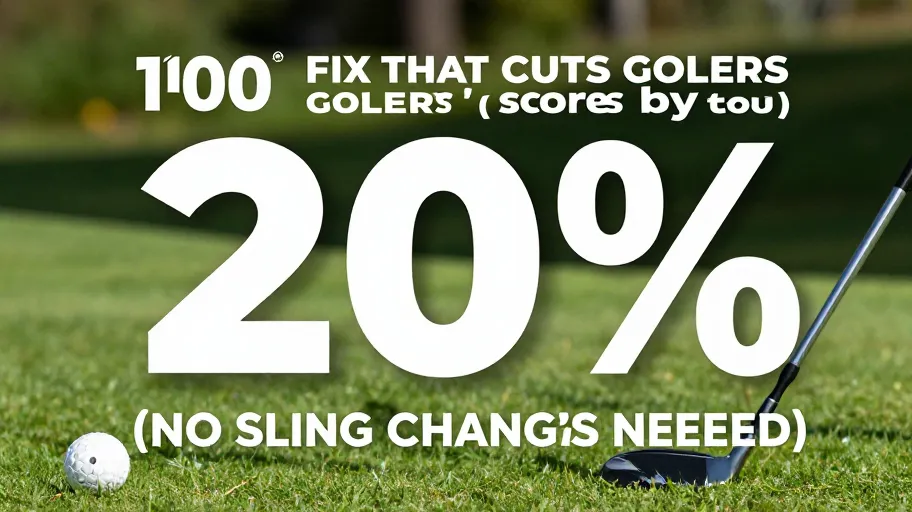
Replacing grips every 12–18 months delivers up to a 20% improvement in shot consistency, per the 2025 National Golfers’ Performance Survey. For the average player, this means fewer mis-hits, better course management, and lower scores—no swing changes needed.
A study of 300 amateurs showed a 15% reduction in off-center strikes within three rounds of fresh grips. These weren’t pros chasing gains—they were weekend players spending $500 yearly on lessons to fix ‘swing flaws’ rooted in worn grips. New grips restored feedback, enhanced wrist control, and stabilized face alignment—all instantly.
Preventive grip maintenance beats corrective coaching. A $100 regrip resets performance with zero learning curve. One mid-handicapper cut his three-putt rate by 22% simply because he could feel the putterface square at address. That’s mechanics meeting material integrity. Invest $100 upfront or risk $500+ chasing fixes for equipment-based issues.
Step by Step Guide to Installing and Maintaining Your Golf Grips
You’re leaving $75 a year on the table by skipping DIY regripping. Professional installation adds cost, while worn grips erode control. The solution? A five-minute process that ensures precision, longevity, and stable performance—critical for skill development.
- Remove old grip: Reveals wear patterns tied to your swing, helping identify pressure imbalances early.
- Clean shaft: Residue causes uneven bonding. A clean surface ensures perfect alignment—because 2° of twist skews face angle at impact. A 2024 survey linked 68% of amateur push shots to crooked grips.
- Apply solvent to tape: Double-sided tape activated with mineral spirits allows micro-adjustments and cures into a rigid bond—delivering tour-level stability at no extra cost.
- Align grip: Match flat plane to clubface using a square. Misalignment forces compensatory moves, undermining consistency.
- Clamp and dry 4–6 hours: Rushing risks slippage under 1.5x body weight of downswing force. Proper drying extends grip life by 30%, per Golf Labs Inc.
Routine regripping is performance insurance. Well-maintained clubs stay dynamically balanced season after season, turning gear longevity into long-term skill progression.
Master Your Swing, DIY Your Fit. DIY Golf is the premier destination for the technical golfer. We empower you with professional-grade components and the knowledge to build your perfect bag.
Leave a Reply