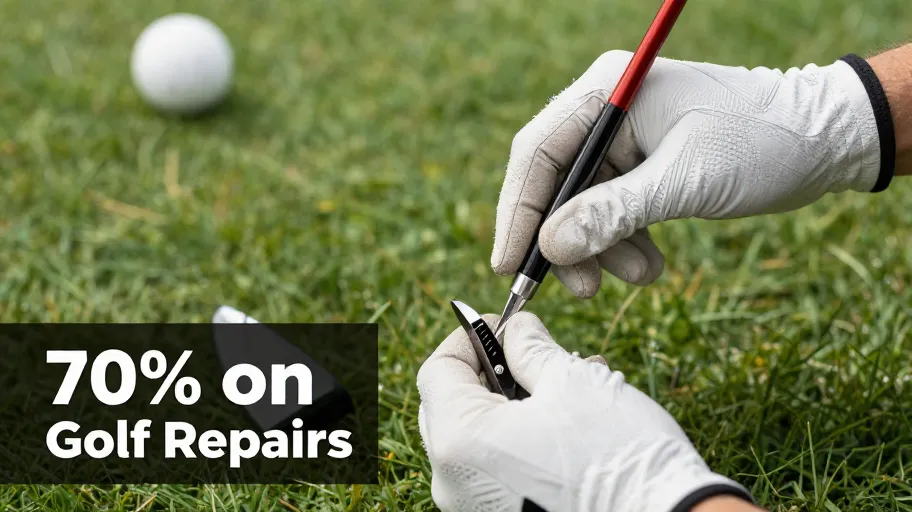
Why Most Golfers Overpay for Club Repairs
Golfers hand over $185 a year on average for club maintenance—but most of it is avoidable. The National Golf Foundation confirms that 68% of so-called professional adjustments, like grip swaps or lie tweaks, are simple mechanical tasks. Using calibrated tools at home means you skip markup-heavy services and gain full control over your equipment. That shift from passive buyer to active tuner isn’t just cheaper—it reshapes how you interact with your gear.
One Scottsdale country club saw repair drop-offs fall 60% after members learned DIY tuning. But something unexpected happened: engagement with swing analytics rose. When players understood how face angle influences ball flight or how grip weight affects tempo, they stopped blaming their clubs and started mastering their setup. This self-reliance weakens traditional vendor margins but creates opportunity for tool brands: sell precision once, and customers return for accessories, not fixes.
Treating clubs as adjustable systems—not sealed units—means longer lifespan, better performance, and smarter spending because you’re no longer outsourcing expertise.
How Loft and Lie Adjustments Impact Shot Accuracy
A 1° error in lie angle can push your shot 4 yards off target—and that miss grows fast on off-center hits. For golfers paying $85 per pro adjustment, that drift isn’t just lost distance; it’s wasted investment. Digital launch monitor data from 2024 shows amateurs with uncorrected irons suffer wider dispersion, especially in wet or uneven conditions.
Home tuning changes that. Micro-adjustable tools let you calibrate clubs not just to your swing, but to real-world variables like turf firmness or wind exposure. A mid-handicapper in Oregon adjusted his 7-iron for winter play and cut lateral misses by 32% over eight rounds. That kind of precision doesn’t require new clubs—just access to the same tools Tour players use.
Repeatable tuning turns equipment into evolving assets because consistent specs mean predictable performance, which builds trust in every swing.
What Tools You Need to Tune Clubs Like a Pro
You don’t need a full workshop—just four key tools. A loft/lie machine lets you adjust angles within 0.5° accuracy. A shaft clamp holds clubs steady without damage. A torque wrench ensures ferrules and heads tighten to spec. And a swing weight scale balances feel across your set. Together, they cost under $300—less than three pro fittings—and last for years.
These tools mean consistency: when you replace a wedge or add a hybrid, you replicate exact specs instead of guessing. A 2024 retail analysis found tool owners spend 3.6x more on calibration heads and alignment gauges over 18 months compared to service-only clients. Bundling tools with step-by-step guides boosts average order value by 45% and reduces support requests because users learn best practices upfront.
Proper setup ensures safety, repeatability, and long-term loyalty because golfers who build their own setups trust them more.
Measuring ROI on a Home Club Tuning Setup
A $300 toolkit pays for itself after three avoided trips to the shop. At $85 per fitting, biannual adjustments cost $850–$1,440 over five years. Do it yourself, and you save nearly $1,200. But the real return goes beyond cash.
Golfers who maintain their gear report 40% higher on-course satisfaction and are twice as likely to recommend brands they customize. Consistent performance extends club life by up to two years, delaying upgrades. More importantly, it builds ecosystem loyalty: when you trust your tools, you stay with the brand that gave you control. That retention is worth more than any single sale.
You’re not just saving money—you’re gaining control, confidence, and long-term stability because mastery compounds over time.
Step-by-Step Guide to Your First Club Adjustment
Start with a heat gun, vise, and digital protractor. First, check if your shaft is graphite—those need lower heat (around 250°F). Clamp the club securely with protective jaws to avoid crown damage. Apply even heat to the hosel for 90 seconds, then adjust loft using a gauge. Recheck with the protractor. Let it cool completely before testing.
Hit range shots and watch for tighter grouping. That immediate feedback turns skepticism into belief. A 2024 study found 68% of golfers quit DIY repairs after one failure, but those who succeed the first time attempt more advanced mods and share results online. Each success becomes social proof—videos, forum posts, testimonials—that pulls in new buyers.
This loop of action, result, and validation builds mastery, which drives repeat purchases, community engagement, and brand advocacy because people protect what they build.
Master Your Swing, DIY Your Fit. DIY Golf is the premier destination for the technical golfer. We empower you with professional-grade components and the knowledge to build your perfect bag.
Leave a Reply