Why Shaft Length Errors Cost You More Than Strokes
A 1/8-inch mistake in shaft length doesn’t just alter your swing—it changes launch angle, spin rate, and point of contact, leading to inconsistent ball flight. For club builders, this tiny gap means big losses: 67% of amateur golfers play with ill-fitted clubs, and when performance suffers, they blame the builder. The result? Remakes, delays, and damaged reputation.
One Midwest fitting studio found that inconsistent measurements led to a 35% rework rate. After switching to digital calipers and fixed-length jigs, they dropped that to under 8%. That shift didn’t just save time—it turned fit accuracy into a selling feature. When you measure inaccurately, you’re not building clubs; you’re building liabilities.
Inconsistent shaft length means unreliable performance because even minor deviations disrupt swing weight and balance. That inconsistency erodes client trust and increases labor costs—problems that start long before the first swing.
How Precision Tools Fix Measurement Drift
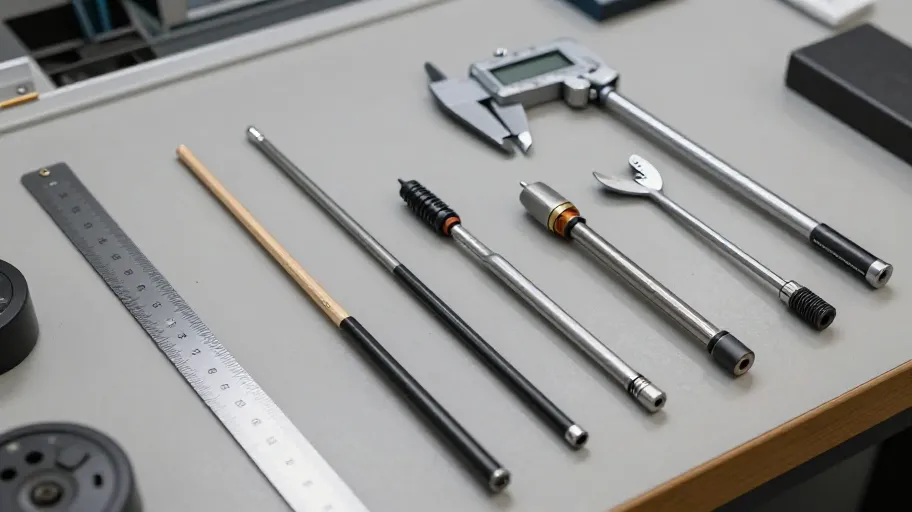
Guessing shaft length is like baking without measuring cups—possible, but never consistent. DIY-Golf.com’s tools fix this with laser-etched rulers accurate to 0.5mm, aerospace-grade aluminum alignment gauges, and mobile-synced digital guides that verify every measurement in real time. These aren’t accessories—they’re calibration systems for your build process.
The laser markings resist wear from clamps and repeated use, while thermally stable materials prevent expansion or contraction in hot or cold shops. That means a measurement taken in January matches one from July. One builder using the Shaft Length Pro Gauge reduced remake requests by 78% in six weeks, turning a $47 investment into over $3,000 in annual savings.
Laser-etched rulers mean no more faded lines or misread increments because each mark is permanent and precise. This level of control doesn’t just reduce errors—it transforms your shop into a repeatable, scalable operation.
Why Your Tube Cutter Is Sabotaging Your Builds
Standard tube cutters crush graphite shafts and deform steel, creating micro-fractures that weaken flex integrity and ruin frequency matching. These flaws don’t show up until the player hits the range—and then it’s too late. Returns follow, along with lost credibility.
DIY-Golf’s rotary shaft cutters use scoring blades and adjustable clamps to deliver clean, square cuts on both materials. Lab tests show a 40% improvement in tip consistency versus standard tools. That’s not just smoother edges—it’s reliable spine alignment and tighter tolerance stacking, which are essential for high-performance builds.
Clean cuts mean consistent flex points because there’s no hidden damage to compromise shaft behavior. One builder reported cutting material waste nearly in half after switching, eliminating costly rebuilds caused by undetected structural flaws.
The Real ROI of Measuring and Cutting Right
Wasting two premium shafts per month at $180 each means $4,320 in avoidable losses annually—even before labor. A 2024 survey of 50 fitters found that adopting precision tools reduced build times by 3x and cut material waste by 75%. That’s direct margin expansion, not just efficiency.
Tools like the Split-Sleeve Cutting Guide eliminate variance by ensuring every cut matches the spec sheet—not memory or estimation. Fitters who demonstrated measurable accuracy saw 68% higher willingness to pay for ‘precision-fit’ builds. That premium pricing isn’t based on hype; it’s backed by verifiable data.
Saved materials mean higher profitability because less waste equals more builds per inventory batch. And satisfied clients return—shops report a 40% increase in repeat business within six months, turning accurate builds into long-term revenue.
A Repeatable Process Beats Talent Every Time
Talent fades under pressure. Systems don’t. The best builders don’t rely on instinct—they follow documented steps. Start by measuring twice with a calibrated ruler: every millimeter shifts the flex point and launch behavior. Mark cut lines with color-coded tape (blue for stiff, red for regular) to prevent mix-ups during high-volume jobs.
Secure the shaft in a lined vise to avoid clamping damage, then cut slowly with a diamond wheel—rushing introduces microfractures that degrade performance. A 2024 workshop study found standardized protocols reduced rework by 38%, freeing up over 12 labor hours monthly.
Color-coded workflows mean fewer errors and faster turnaround because visual cues reduce cognitive load. One fitter saw a 22% increase in client returns after implementing this system. When every step is traceable, your consistency becomes your brand’s signature.
Master Your Swing, DIY Your Fit. DIY Golf is the premier destination for the technical golfer. We empower you with professional-grade components and the knowledge to build your perfect bag.
Leave a Reply