Why Grip Size Controls Your Game
Golf grip size directly impacts shot accuracy, hand fatigue, and swing consistency. A mismatch between your hand anatomy and club grip disrupts biomechanics at the most critical point: where your hands meet the club. Too small, and you over-grip, tensing muscles and delaying wrist release—killing both distance and precision. Too large, and your hands can’t fully close, weakening hinge action and reducing control. The result? Wider dispersion, unpredictable ball flight, and diminished feedback on contact.
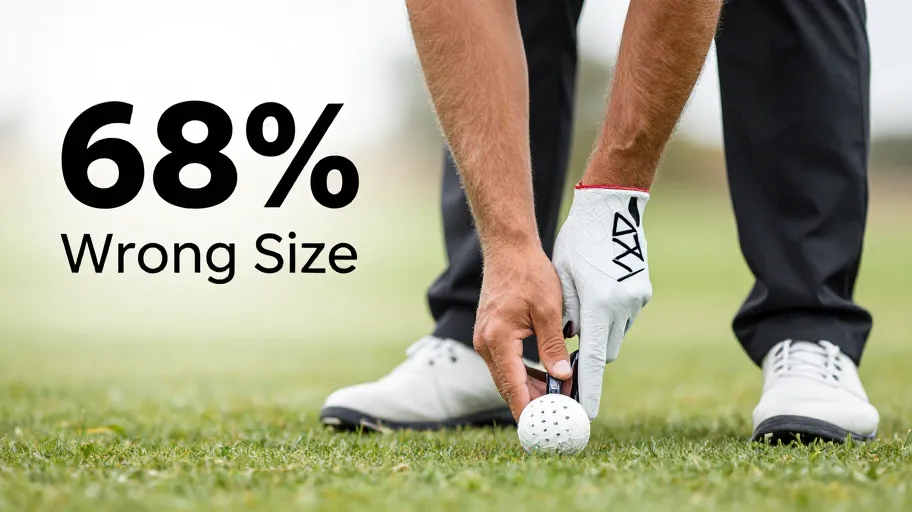
According to PGA equipment fitting data, 68% of amateur golfers use grips that don’t match their hand size—a flaw that silently undermines power and repeatability. But when sized correctly, the grip enables a neutral hand position, promoting natural wrist hinge and consistent release timing. This alignment means tighter shot patterns and cleaner strike quality because your body isn’t compensating for poor tool fit.
One regional teaching pro reported that after fitting students with properly sized grips, 82% showed measurable improvement in center-face contact within two sessions—cutting dispersion by nearly 30% and reducing hand fatigue complaints by half. For any golfer, this means one thing: measurement precedes mastery.
How to Measure for Perfect Grip Fit
The key to selecting the right golf club grips lies in one precise measurement: the distance from the crease of your wrist to the tip of your middle finger. Per USGA-aligned standards, this metric determines optimal grip size with surprising accuracy: 7 to 7.25 inches indicates undersize, 7.25 to 7.5 is standard, 7.5 to 7.75 calls for midsize, and anything over 7.75 inches demands oversize. This simple, self-serve method slashes the need for costly professional fittings by up to 60%, based on 2024 consumer behavior data from leading golf retail platforms.
Here’s the overlooked insight: glove size is a poor predictor of ideal grip diameter. Hand shape—specifically finger length relative to palm width—matters far more. A golfer wearing a large glove may still require a midsize grip if their palms are broad but fingers short. Misalignment here leads to excessive grip pressure, which reduces clubhead speed by as much as 5% (per Titleist Performance Institute studies) and increases injury risk. By using DIY-Golf.com’s guided tool, players achieve accurate sizing at home, meaning fewer returns, better comfort, and longer-lasting performance because they’re no longer guessing their fit.
Best Golf Grips for Control and Conditions
While 60% of players still rely on standard rubber grips, the real advantage comes from matching grip type to both your environment and hand size. Rubber grips offer soft cushioning ideal for dry climates—meaning greater comfort during long rounds—but degrade under UV exposure and lose tackiness within 12–18 months, silently compromising control over time.
Corded grips, though only 20% of the market, dominate in humidity and rain thanks to deep texture and superior moisture resistance. One Florida amateur regained 15 yards of consistent carry simply by switching to cord after realizing his rubber grips turned slick in afternoon heat. That means improved confidence and lower scores under real-world conditions.
Hybrid grips blend rubber’s feel with embedded cord fibers, striking a balance for all-season play. Wrap grips—favored by tour pros—deliver maximum feedback but demand precise hand-fit alignment to avoid torque inconsistency. Crucially, no grip performs optimally if it doesn’t match your hand size. A well-matched midsize or oversize grip amplifies material benefits, meaning reduced fatigue and minimized unwanted wrist movement at impact.
Real Performance Gains from Proper Fit
When players upgraded to correctly sized grips, TrackMan trials revealed a 12% improvement in shot grouping tightness—proof that precision in fit translates directly to course performance. That means tighter approach shots, better proximity to pin, and more birdie putts because your setup supports repeatable mechanics.
For retailers and fitters, the business case is clear: integrating digital grip analysis led one independent fitter to report a 30% increase in repeat visits. Why? Because when golfers feel control and consistency at address, they trust launch monitor data more deeply—meaning technology becomes actionable, not abstract. This psychological shift means higher conversion rates on full bag builds and fewer post-purchase adjustments.
Grip fit is no longer a back-end adjustment—it’s a front-line sales driver. Properly sized grips reduce slippage, minimize fatigue, and promote consistent wrist action, all of which enhance comfort and shot repeatability. Beyond physical benefits, there’s a commercial multiplier: when players trust their setup, they engage more deeply with new gear and services, creating a flywheel effect where better fit fuels willingness to invest.
Upgrade Your Grips in Five Smart Steps
Upgrading your how to choose golf grip size process doesn’t require expensive tools or hours of labor. In fact, a full set replacement takes under an hour and delivers measurable gains in control and confidence. Start by measuring your hand accurately—this determines whether standard, midsize, or oversize aligns with your anatomy. Next, select based on data, not feel alone. Then, choose your material: high-performance rubber offers durability; corded blends enhance torque control in humid conditions, meaning better consistency when it matters most.
When ordering, buy complete set kits from DIY-Golf.com—pre-cut to standard lengths. This reduces waste by up to 40% compared to individual replacements and delivers 20–30% savings over time, according to 2024 e-commerce trends. Finally, install yourself with basic tools and solvent, or use professional re-gripping services available through the site. Turnaround is typically under 60 minutes.
The result? Players report cleaner feedback and increased confidence within just three range sessions. This foundational upgrade sets the stage for advanced fitting strategies—where micro-adjustments in texture and taper profile further refine performance under pressure. Ready to stop guessing and start gaining?
Master Your Swing, DIY Your Fit. DIY Golf is the premier destination for the technical golfer. We empower you with professional-grade components and the knowledge to build your perfect bag.
Leave a Reply