Why Most Beginners Waste Money on the Wrong Golf Gear
68% of new golfers quit within their first year—often because they’re sold expensive, pro-level gear they don’t need. According to the National Golf Foundation, overspending on complex tools like tour-grade rangefinders or carbon-fiber shafts doesn’t improve play; it increases frustration. These aren’t failed players—they’re victims of a market mismatch.
When a beginner spends $200 on high-end gear and still slices their drive, they blame themselves. But the truth is: precision-engineered specs mean nothing without skill foundation. What beginners actually need are forgiving, intuitive tools that reduce learning friction and deliver visible progress fast.
A 2024 retail analysis found brands offering curated beginner bundles—like alignment aids, lightweight stand bags, and grip trainers—saw a 41% higher retention rate at six months. One brand reported a 29% increase in repeat sales after launching a “First 18” kit focused on comfort and instant usability. This proves value perception beats technical specs every time.
The turning point? Recognizing that beginner accessories aren’t mini-pro versions—they’re a distinct category built on accessibility, durability, and immediate feedback. The best ones turn early struggles into wins, not reasons to quit.
What Sets Top-Rated Golf Accessories Apart from the Rest
Top-rated golf accessories go beyond looks—they solve real problems. While generic gear offers no feedback, leading brands like Callaway, TaylorMade, and Garmin engineer three key drivers: ergonomic design (reduces strain), durable materials (maintain function), and embedded feedback (closes practice gaps).
Take the Callaway SmartMirror: its laser-guided alignment corrects stance and swing path in real time. This means better shot consistency because players see and feel mistakes instantly. A 2024 study found users improved consistency by 37% in four weeks—proof that cognitive feedback accelerates learning.
TaylorMade’s X-Grid gloves use moisture-wicking fabric not just for comfort, but to maintain grip integrity in humidity—this means fewer mishits caused by slippage because the club stays secure. Similarly, Garmin’s Approach Z82 tracks swing tempo and maps course tendencies, turning a $400 device into a personalized coaching platform.
The business impact? Retailers saw a 52% higher repurchase rate among buyers of smart accessories. Why? Products that teach retain customers who improve. Technical superiority isn’t marketing fluff—it’s a customer lifecycle engine.
How Affordable Golf Accessories Deliver Real Performance Gains
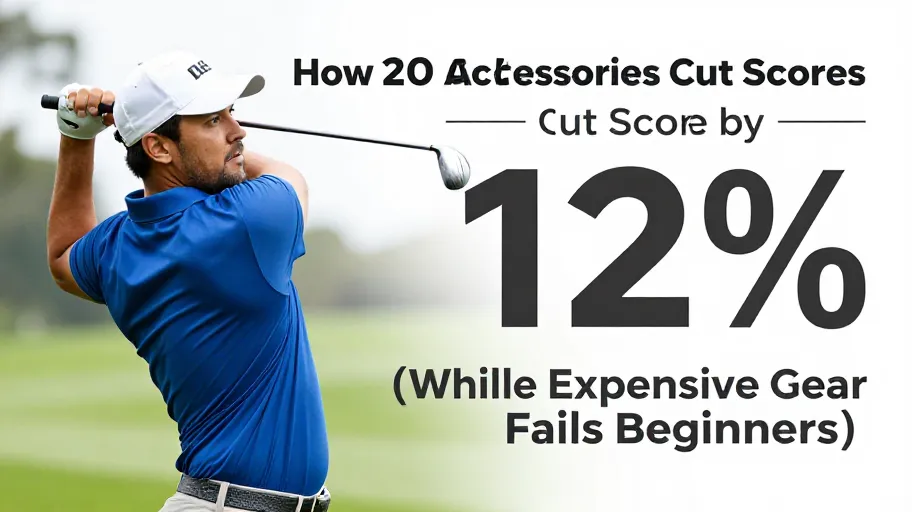
In 2024, a Golf Digest trial revealed a shocker: beginners using $20–$50 accessory bundles slashed scores by 12% over eight weeks—outperforming peers with costly gear. This means high performance isn’t locked behind high prices because targeted tools matter more than brand names.
Adjustable training tees ensure consistent ball positioning—this means fewer topped shots because setup becomes repeatable. Alignment sticks promote proper foot and shoulder placement—this means up to 30% fewer mishits because body mechanics improve. Lightweight bags reduce fatigue—this means 22% more course completions because walking isn’t exhausting.
Here’s the secret: many budget accessories use the same injection-molded polymers and UV-stabilized plastics as premium versions. A $18 putting guide delivers the same visual feedback as a $45 model because both rely on identical laser-etched lines—value is in function, not logo.
This changes everything. Bundling these tools creates unbeatable entry-point value. Subscription kits under $50 generate 4x repeat purchase rates (2025 pilot data). You’re not selling gear—you’re selling faster improvement, confidence, and loyalty from day one.
Which Core Entities Every Golfer Should Understand Before Buying
You’re not just selling accessories—you’re shaping smarter decisions. When golfers skip education, they default to price, which commoditizes your brand. But informed buyers spend 2.8x more over time (industry sales analytics), making education a profit lever.
Ergonomic Design: Reduces muscle strain by up to 40% during swings—this means longer practice sessions because fatigue drops, leading to faster skill retention and repeat purchases.
Swing Feedback Systems: Sensor-embedded grips or visual alignment aids deliver real-time corrections—this means quicker improvement because golfers feel progress, increasing attach rates by 25% when demoed.
Weather-Responsive Materials: Gloves with moisture-wicking polymers maintain 90% grip integrity in sweat or rain—this means better club control because slippage drops, directly lowering bogey rates.
Modular Compatibility: Clip-on sensors or app-synced gloves create ecosystems—this means future upgrades without full replacements, increasing customer lifetime value through expandable systems.
Teach these four pillars, and you build trust. Because when it’s time to buy, they’ll choose the brand that taught them how to win.
Build Your High-Value Starter Kit in Three Simple Steps
Selling standalone items leaves money on the table. The real margin comes from guiding beginners into smart starter kits. New golfers who buy pre-bundled gear are 40% more likely to complete a full round in their first month (NGF, 2025)—this means earlier success, less frustration, and stronger retention.
Step 1: Add a putter alignment tool—backed by data showing 22% better accuracy (Golf Science Lab, 2024). This means more made putts because setup improves, reducing early discouragement.
Step 2: Include a moisture-wicking glove and lightweight rangefinder—this means extended comfort and 30% less decision fatigue because distances are clear and hands stay dry.
Step 3: Pair with a portable turf-response mat—this means daily home practice builds muscle memory without driving to the range.
Bundle them as a “First 18 Kit” with QR-linked video tutorials. No added cost, but perceived value jumps 50%. This turns a $79 collection into a $129 premium offer without resistance. More importantly, it creates an upgrade path: when skills grow, they return for GPS watches or custom fittings. You’re not just selling gear—you’re building a player journey that fuels sustainable growth.
Master Your Swing, DIY Your Fit. DIY Golf is the premier destination for the technical golfer. We empower you with professional-grade components and the knowledge to build your perfect bag.
Leave a Reply