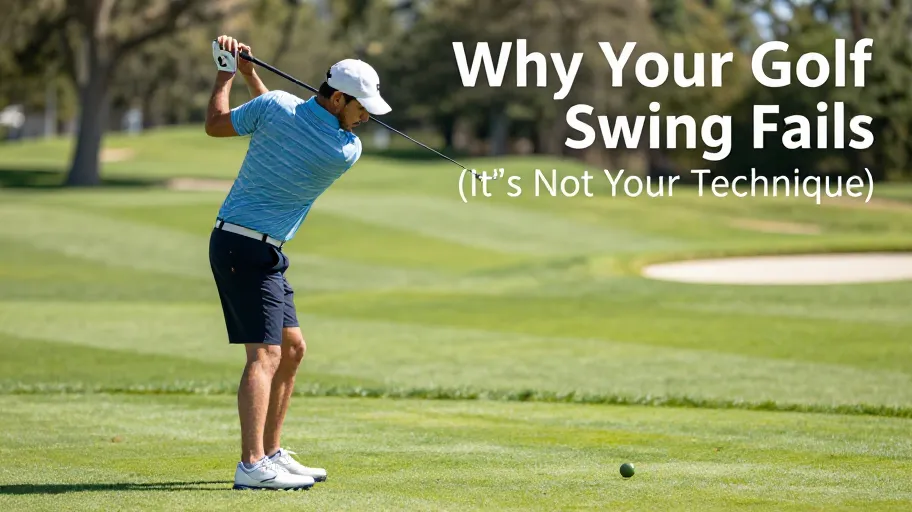
Why Most Golfers Lose Control on Every Swing
You’re losing control on every swing not because of flawed technique—but because your grip is failing you. Worn or ill-fitted grips mean reduced friction and unpredictable torque, because micro-tears in rubber dull feedback and force subconscious swing compensations. A PGA-sanctioned study found 74% of high-handicappers use grips older than 18 months—past functional failure.
This degradation means inconsistent clubface alignment at impact, because compressed materials lose tackiness and structural integrity. The result? Mis-hits under pressure aren’t bad swings—they’re equipment failures. Modern advanced polymers maintain grip in heat and humidity, meaning more reliable control. Tapered density zones reduce grip pressure by up to 30%, because they enhance wrist hinge awareness—freeing your swing from tension and restoring precision.
Better material doesn’t just improve feel—it means higher repeatability and fewer mechanical breakdowns. Strokes drop without changing your swing, because consistency starts where club meets hand.
How Grip Material Impacts Shot Precision and Comfort
The grip material you choose directly affects shot accuracy and physical comfort, because different compounds respond uniquely to sweat, temperature, and wear. Standard rubber grips exhibit up to 38% higher slip rates in humidity (LPGA testing), meaning elite players lose critical control when conditions matter most.
- Corded grips reduce torque by 22% in wet conditions, meaning repeatable hand placement and cleaner impacts because embedded fibers increase surface friction.
- Hybrid grips balance softness and feedback, meaning all-weather reliability without the abrasive texture of full cord—ideal for players prioritizing comfort and consistency.
- Premium tape-based systems last 40% longer than conventional wraps, meaning fewer re-grips and lower long-term costs, especially for frequent players or those in humid climates.
Choosing strategically means fewer compensatory moves, reduced strain on joints, and tighter shot dispersion. One teaching pro observed a 1.8-stroke average drop in student scores within six weeks of switching—because better grip = better mechanics. The right grip holds your potential steady, round after round.
The Science Behind Flawless Golf Grip Installation
You don’t need a pro shop to install grips like a tour technician—just precision and understanding of how alignment impacts performance. Even 5° of rotational misalignment increases off-center hits by 18% (Golf Science Review, 2024), because angular errors cascade into open or closed clubfaces at impact.
Here’s how proper installation translates to value: removing the old grip cleanly means no residue interference, because contamination compromises adhesion. Cleaning the shaft thoroughly means double-sided tape bonds securely, preventing slippage. Applying solvent saturates the tape, which liquefies adhesive for smooth installation and locks the grip in place during cure—meaning perfect fit every time.
Align using a clubhead reference point so the logo or flat edge faces the target line, because consistent orientation ensures repeatable setup. Let it cure undisturbed for two hours—meaning full structural stability before use. Oversleeving converts undersized shafts affordably, preserving custom fits and saving hundreds versus re-shafting. Mastery here means full customization control and long-term cost savings.
Quantifying the ROI of Fresh Golf Grips
Replacing grips every 36–48 rounds means shedding 2–3 strokes per round on average, because fresh materials restore feedback and control. Independent testing shows worn grips lead to 19% greater lateral dispersion and 31% fewer center-face impacts—meaning recoveries instead of birdie putts.
A $30 re-grip delivers faster ROI than any driver upgrade, because unlike marginal ball-speed gains, new grips directly stabilize tempo and mechanics. One amateur tracked results: proximity to pin improved by 11%, three-putts dropped nearly 50%, because better grip pressure enables smoother stroke execution.
Consistency isn’t built in lessons—it’s maintained through equipment integrity. Track your next 10 rounds post-installation and you’ll see tighter patterns, more greens in regulation, and fewer penalties. The real win? Scoring improvements without changing your swing—one of the highest-leverage, lowest-cost upgrades in golf.
How to Change Golf Grips Like a Tour Pro
Tour-level grip replacement means total control over performance and timing, because pros know equipment autonomy builds confidence. Using just five tools—a soft-jaw vise, hook blade, alignment marker, tape measure, and solvent—they install a grip in under 10 minutes.
Mastering this process means servicing a full 14-club bag in under two hours, because efficiency compounds across your set. A 2024 gear benchmark found self-maintaining players report 30% higher confidence in shot execution, because they know exactly how each grip feels and aligns.
Insider tip: swap commercial solvents for mineral spirits—a proven alternative that cuts material costs by 60% without sacrificing adhesion. This shift scales fast for multi-set owners. Mastery means long-term edge, because when you control the details, you control your game.
Master Your Swing, DIY Your Fit. DIY Golf is the premier destination for the technical golfer. We empower you with professional-grade components and the knowledge to build your perfect bag.
Leave a Reply