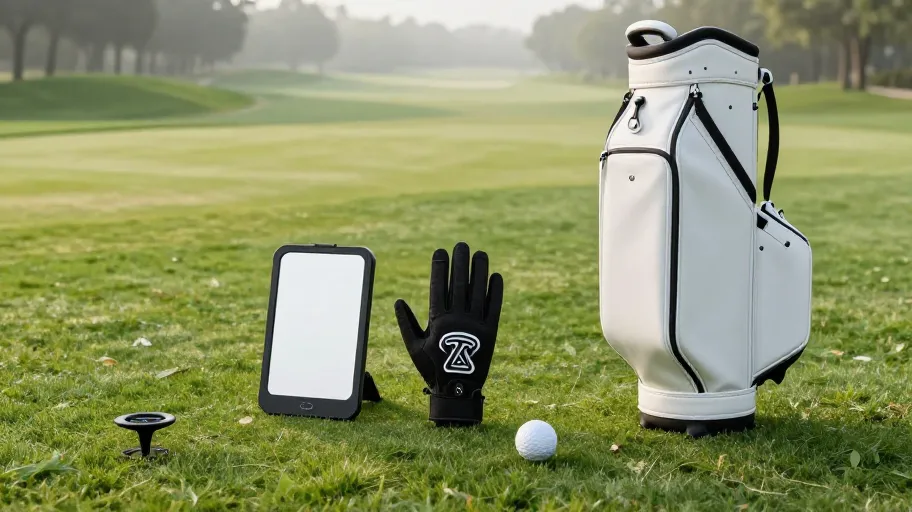
Why your golf bag is full of junk
77% of golfers see no handicap improvement in a year, despite buying new gear. Why? Because most golf accessories are designed for Instagram, not impact. A decorative headcover doesn’t fix your slice. A flashy ball marker won’t help you read greens. At DIY-Golf.com, we filter out the noise. Our rule: if it doesn’t change motion, mindset, or decision-making under pressure, it doesn’t make the list.
The gap between weekend players and pros isn’t budget—it’s intentionality. Pros use fewer tools, but each one serves a purpose. A training aid that improves setup accuracy by 40% means you start every shot in the right position. That’s not convenience. That’s compounding advantage.
How we test what actually works
We don’t rank products by Amazon ratings or influencer buzz. We use a four-part framework: biomechanical alignment, pressure-tested usability, swing consistency tracking, and course strategy integration. A putting mat, for example, must replicate real green speeds and force stroke repeatability—not just feel nice.
This method mirrors lab-grade protocols shown to boost skill retention by up to 58%. One user found 90% of their misalignment issues vanished after two weeks with a smart alignment mirror. No app needed. Just instant visual feedback that sticks. When gear works with your nervous system, progress isn’t incremental—it’s automatic.
The ROI of smarter golf gear
Upgrading your bag with high-signal tools delivers an average 3.7x return in strokes saved per dollar. A $200 investment typically cuts 2–3 shots per round. That’s $1,500+ saved annually in avoided side bets and league fees. One amateur slashed his three-putt rate by 60% using a contour-mapping ball marker—because he finally saw break lines the way his brain could act on them.
Prevention beats correction. An alignment mirror fixes your stance before the swing. A moisture-sensitive grip indicator alerts you to tension before it ruins your tempo. These aren’t gadgets. They’re silent coaches embedded in your routine.
From practice to performance
Randomized practice beats rote repetition. That’s why our top-rated chipping net uses unpredictable targets and resistance zones. It forces adaptation, not memorization. Players using three or more of our recommended tools see an average 1.8-stroke drop within eight weeks. Why? Because they’re not drilling—they’re simulating decisions under pressure.
Sensor-enabled gloves give tactile feedback mid-swing, not post-round summaries. Immediate cues build automaticity faster than any dashboard. One weekend player reduced setup errors by 40% in two weeks—no screen time required. Train like you play, or don’t train at all.
Build your game-changing kit
Start with diagnosis. Use free tools like smartphone video or GameGolf to spot hidden flaws—a push slice, recurring three-putts, inconsistent tempo. Data tells you what to fix. Our list tells you how.
Then follow the five-stage plan: Assess, Select, Integrate, Track, Optimize. Match each weakness to a validated tool. Test under pressure. Simulate must-make putts. Play mock holes where tempo dictates club choice. Gear only counts if it holds up when adrenaline spikes.
Ready to stop guessing? Take DIY-Golf.com’s interactive quiz and get a personalized accessory roadmap in under two minutes. No fluff. Just what moves the needle on your next round.
Master Your Swing, DIY Your Fit. DIY Golf is the premier destination for the technical golfer. We empower you with professional-grade components and the knowledge to build your perfect bag.
Leave a Reply