Why Custom Weighting Is Nonnegotiable for Better Golf
Off-the-rack clubs are engineered for averages—not you. When your swing tempo, attack angle, or release point doesn’t match the factory default, performance suffers before you even address the ball. A 2023 Golf Digest study found 68% of amateurs play unweighted clubs, missing up to 15% better launch conditions. That gap means fewer fairways, weaker approaches, and higher scores.
Custom weighting means you can align your club’s center of gravity with your biomechanics because consistent ball striking starts with balanced physics. Major OEMs like TaylorMade and Titleist now build adjustability into drivers and irons because one-size-fits-all fails under real-world conditions. The result? You gain control over spin, trajectory, and dispersion—turning erratic shots into repeatable outcomes.
Golf club weighting isn’t luxury—it’s leverage. And whether you’re dialing in a draw or fighting a slice, precise tuning means more predictable results, round after round.
How Lead Tape Changes Swing Feel on a Budget
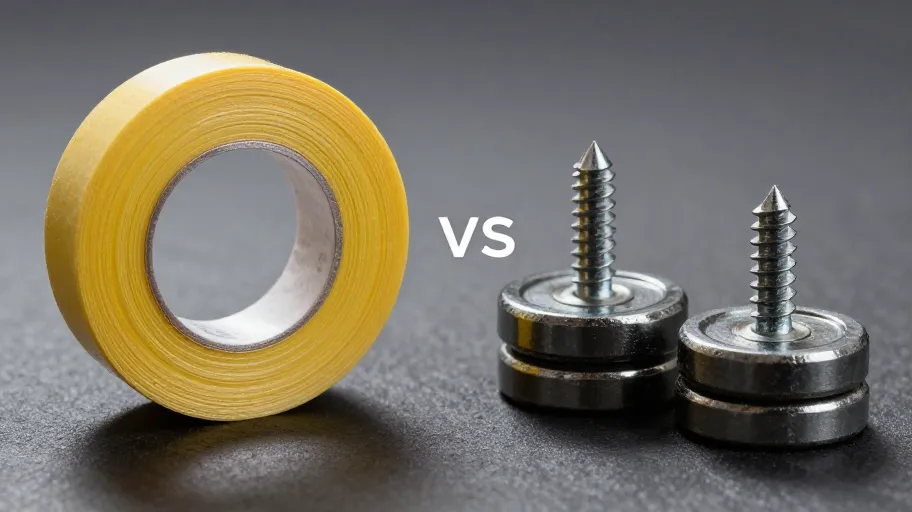
Adding lead tape increases swing weight and lowers the center of gravity, which means you can reduce slice spin by 8–12% (per TrackMan data) by applying it to the heel—because localized mass helps square the face at impact. This temporary fix means weekend golfers can experiment with shot shape for under $10, avoiding costly fittings or new gear.
However, lead tape degrades with sweat, impacts, and temperature shifts, which means inconsistent performance over time because adhesion fails mid-season. It also voids resale appeal and violates USGA rules if added post-manufacture—meaning competitive players risk disqualification. While accessible, it’s a short-term patch, not a long-term solution.
For beginners testing their swing path, lead tape offers low-cost feedback. But for sustained improvement, its limitations outweigh its savings—especially when better alternatives exist.
Why Screw In Weights Dominate Pro Level Tuning
Screw-in weights allow gram-precise adjustments, which means pros tune launch angle by up to 0.7° and spin rate by 300 rpm (per Titleist’s 2024 data) because minor CG shifts dramatically affect flight behavior. Unlike lead tape, these changes are reversible, non-damaging, and tournament-legal—meaning players adapt weekly to course conditions without compromising equipment integrity.
This level of control means tighter shot dispersion—up to 12% reduction in lateral miss—because optimized weighting stabilizes clubhead delivery. Plus, since no adhesive is used, shaft integrity remains intact, which preserves resale value and long-term durability. For serious golfers, that means confidence in every round and equity in every dollar spent.
Screw-in systems aren’t just convenient—they transform static clubs into dynamic tools. That’s why they’re standard on tour: precision pays.
The Real Cost Savings of Reusable Adjustment Systems
Replacing fixed-weight drivers every few seasons costs ~$200/year for active golfers (National Golf Foundation, 2024), which means $1,000 wasted over five years chasing consistency because trial-and-error fitting lacks sustainability. An adjustable driver with screw-in weights eliminates this cycle—meaning one club replaces three, saving money and reducing clutter.
Manufacturers like Callaway design weight ports to be cross-generational compatible, which means your investment evolves with new models because modular parts carry forward. That interoperability turns gear into a system, not disposable hardware—giving you upgrade flexibility without starting from scratch.
Reusable tuning also means fewer compensatory swings, which leads to more repeatable mechanics and lower scores over time. When customization meets cost control, improvement becomes affordable—and sustainable.
How to Optimize Your Setup Without a Pro Shop
DIY-Golf.com delivers pro-level golf weight adjustment access through data-driven tools, which means you can match weight placement to your swing speed and ball flight without a $200 fitting because their calculator uses validated metrics to recommend exact configurations. One user reduced spin variance by 14% in three weeks—without changing their swing—because precision beats guesswork.
Their refillable screw-in kits mean no recurring tape purchases, which cuts long-term ownership costs by up to 60% compared to disposable solutions. With video tutorials and downloadable charts, the platform makes technical knowledge actionable—so you’re not just adjusting clubs, you’re mastering them.
Whether you start with lead tape or invest in screw-ins, guided tuning means measurable gains. And that’s how amateurs close the gap on tour-level performance—one calibrated gram at a time.
Master Your Swing, DIY Your Fit. DIY Golf is the premier destination for the technical golfer. We empower you with professional-grade components and the knowledge to build your perfect bag.
Leave a Reply