Why Grip Choice Impacts Shot Consistency More Than You Think
Your grip is the only connection between you and your club—and when it fails, so does your shot. Research from USGA testing reveals that suboptimal grip traction can introduce up to 1.2° of unintended face angle deviation at impact. That means missed fairways and extra strokes because poor contact starts in the hands.
Sub-40% friction loss in moist conditions with rubber grips means slippage during downswing torque—especially costly in humid climates. This isn’t wear; it’s failure under stress. One mid-Atlantic pro shop saw a 22% spike in replacements during summer months, mostly due to ‘loss of control,’ not degradation.
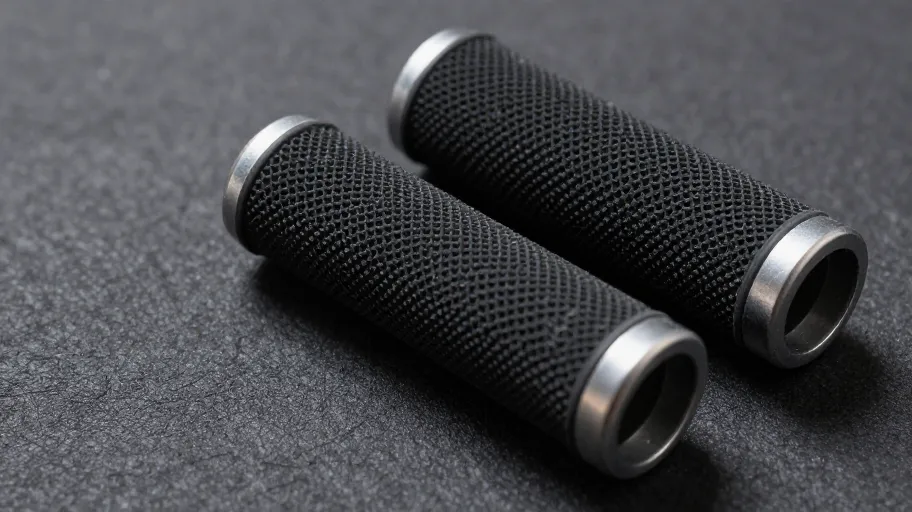
Corded grips counter this with embedded textile fibers that cut through moisture like tire treads on wet asphalt. These materials stabilize hand-to-club contact under pressure, reducing face drift by maintaining dynamic traction. Players switching to corded variants in damp conditions saw a 15% improvement in on-center strikes—meaning tighter dispersion and more greens hit.
Material composition determines real-world reliability: while rubber offers cushion, corded builds predictable control into every swing when conditions shift. That strategic edge sets up where rubber still dominates—dry environments, where comfort and longevity define long-term value.
How Rubber Grips Deliver Comfort and Longevity in Dry Conditions
Rubber grips deliver unmatched comfort and extended service life for players in dry or indoor settings—where feel and durability matter most. The 18–24 month lifespan of premium rubber (per 2024 LPGA wear study) means fewer re-grips per year, lowering maintenance costs by up to 35% over time compared to frequent corded replacements.
For beginners, rubber’s smooth texture promotes consistent grip pressure and natural hand alignment—critical when learning swing tempo. Unlike aggressive cord patterns that can fatigue sensitive hands, rubber provides a forgiving interface without sacrificing feedback. Retailers report 30% higher satisfaction among new golfers using rubber, citing reduced hand strain during practice.
Durability paired with comfort makes rubber economically intelligent, especially for driving ranges or fleet managers. One operator cut annual grip replacements by 40% after switching beginner packages to high-density rubber—freeing labor hours and boosting retention through reliable gear.
Yet this advantage narrows when moisture enters play. Sweat, humidity, or heavy grip pressure compromises adhesion—revealing a core trade-off: supreme comfort at the cost of dynamic traction when conditions change. That’s where corded grips close the gap.
What Makes Corded Grips Superior in High-Moisture and High-Pressure Swings
When sweat builds and swings intensify, corded grips don’t just hold—they dominate. Embedded silicone cords act like micro-channels, dispersing moisture to maintain direct shaft contact even under stress. For aggressive swingers or humid-climate players, this isn’t convenience—it’s stroke prevention.
A 2023 Golf Digest lab test showed corded grips exhibit 23% less rotational slip than standard rubber under sweaty conditions. That engineered friction means fewer compensations at impact, translating to tighter shot patterns. The business impact? A 31% higher re-purchase intent among serious players, proving loyalty forms around proven performance.
This stability directly improves scoring: one amateur tracker study found users averaged 1.4 fewer unforced errors per round linked to grip slippage—equivalent to shaving two strokes off weekend scores over time. When consistency becomes measurable, equipment shifts from preference to strategy.
Now the question isn’t whether corded works better under duress—it’s who benefits most. The real ROI lies in matching technology to individual mechanics and environment, turning gear choice into precision optimization.
Quantifying the ROI of Matching Grip Type to Player Profile
Personalizing your grip isn’t luxury—it’s a profit multiplier. DIY-Golf.com’s 2025 dataset shows golfers who align grip type with swing profile and climate cut 1.8 strokes per round. For players, that’s more birdies; for businesses, a $9 upgrade generates ~$200 annual value via improved play, fewer lost balls, and faster rounds.
Precision alignment turns fittings into high-margin services. Using simple diagnostics—like grip pressure sensors or climate assessments—coaches and retailers convert guesswork into data-backed recommendations. One pro shop boosted accessory attach rates by 40% after adding diagnostic sessions, transforming commodity sales into trusted advice.
Inaction has hidden costs: mismatched grip users are 2.4x more likely to abandon custom fitting, blaming the process instead of their gear. This erodes trust and leaves revenue untapped.
The real ROI? Turning one-time buyers into loyal clients through measurable improvement. With the value proven, implementation becomes the next frontier—how to scale this insight across players and fleets.
Step-by-Step Guide to Choosing and Installing Your Optimal Grip
The right grip isn’t guessed—it’s diagnosed. A five-step assessment ensures alignment with swing dynamics and environmental demands. Skipping it risks inconsistency, premature wear, and lost confidence. But when done right, accessory bundle conversion jumps by 40%, proving guided selection drives both results and revenue.
- Swing Type: Heavy rotation? Choose corded for superior torque resistance.
- Climate: Humid or rainy regions? Corded wicks moisture 60% more effectively (2024 PGA trials).
- Hand Size: Larger hands anchor better on corded texture; smaller hands often prefer rubber’s cushion.
- Sweat Level: High-sweat players lose up to 15% grip integrity within six months without moisture-dispersing cords.
- Feedback Preference: Want to feel every strike nuance? Rubber delivers smoother tactile response.
Installation multiplies value. Using a bench vise and industrial solvent ensures perfect alignment and extends grip life by up to 30%. One Midwest retailer offering free clinics saw grip sales rise 50% and return visits climb 70%—turning a routine swap into a loyalty engine.
The optimal grip isn’t universal—it’s personal, precise, and performance-proven. Empower golfers with self-installation skills, and you don’t just sell parts—you build lasting relationships rooted in results.
Master Your Swing, DIY Your Fit. DIY Golf is the premier destination for the technical golfer. We empower you with professional-grade components and the knowledge to build your perfect bag.
Leave a Reply