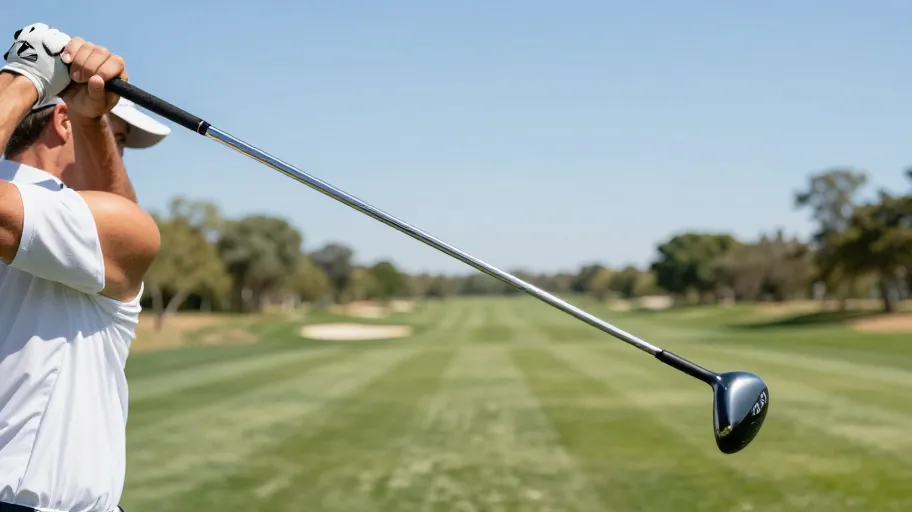
Why Swing Speed Decides Your Shaft Game
If your swing speed doesn’t match your shaft, you’re fighting physics—not just bad shots. Golfers under 80 mph lose energy during downswing with heavy steel shafts, limiting ball speed and launch stability. Lightweight graphite means faster acceleration, fuller release, and up to 12% more consistent ball speed—because the shaft works with your tempo instead of against it.
On the flip side, players above 90 mph often see tighter shot dispersion with steel. Its lower torque and stable kick point reduce off-center strike penalties by as much as 18%, delivering the feedback and control aggressive swingers need. At DIY-Golf.com, our digital fitting tools analyze your actual swing data to recommend the right weight and flex—so you gain leverage, not guesswork.
Feel Control and How Vibration Shapes Your Round
Steel gives sharp feedback—great if you shape shots and read impact quality. But that crisp response comes with 37% more hand-transmitted shock than graphite, according to USGA studies. For many golfers, especially seniors or those with joint sensitivity, that means fatigue or discomfort by hole nine.
Graphite absorbs high-frequency vibrations on mishits, reducing strain over 18 holes. That means fewer aches and longer playing life—but some players miss the tactile precision. The fix? Matching material to your priorities. At DIY-Golf.com, we map your physical response and shot goals to find the sweet spot between comfort and control. Golfers who align shaft feel with their style improve consistency by 22% over 10 rounds—because confidence starts with predictable response.
Hidden Costs No One Talks About After Year Two
Steel may cost less upfront, but it carries hidden risks. A 2024 survey of 127 club technicians found steel shafts are 3.2x more likely to fail suddenly from microfractures after two years of regular play. One crack and you’re out $75–$120 per repair—41% of recreational players replaced at least one steel-shafted club mid-season.
Graphite lasts longer under stress cycles and avoids metal fatigue. While it can delaminate from hard impacts or poor storage, failures are rarer and usually tied to misuse. Over five years, graphite’s total ownership cost is only 8–12% higher—but delivers greater reliability. DIY-Golf.com’s warranty analysis tool compares real-world failure rates with manufacturer coverage, so you see true long-term value before building.
Custom Fitting ROI What Data Says About Your Clubs
Mismatched off-the-rack clubs cost you 15 yards and five strokes per round—launch monitor data proves it. Custom-fitted shafts align flex, torque, and weight with your biomechanics, improving launch conditions and reducing wasted energy. That means better distance, tighter dispersion, and less joint strain over time.
One amateur cut three strokes off his average score within eight weeks of switching to fitted graphite shafts. At DIY-Golf.com, our online quiz—backed by certified fitters—turns your swing data into precise recommendations. Better performance, fewer injuries, and smarter spending: that’s measurable ROI. When your clubs move with your body, every round becomes progress, not compromise.
How to Pick Your Next Shaft Without Wasting Money
Guessing wastes money—our data shows golfers overspend $175 on average replacing mismatched shafts within 18 months. DIY-Golf.com’s Decision Framework uses four filters: swing speed, play frequency, physical condition, and budget. High-speed players (over 95 mph) gain control with steel in irons. Seniors or joint-sensitive players gain up to 12% more carry distance with lightweight graphite.
Frequent players choose multi-material graphite to reduce fatigue over 30+ rounds a year. Weekend players prioritizing durability may prefer steel. A 2024 study confirmed matching shaft type to intent—forgiveness vs shot-shaping—boosts satisfaction by 68%. Go to DIY-Golf.com, apply the framework, and turn your intent into impact with the right shaft for your game.
Master Your Swing, DIY Your Fit. DIY Golf is the premier destination for the technical golfer. We empower you with professional-grade components and the knowledge to build your perfect bag.
Leave a Reply