Why New Golfers Overpay for the Wrong Equipment
The root issue isn’t effort—it’s mismatched design. Most entry-level accessories assume uniformity in skill, hand size, or swing tempo, but beginners vary widely. Ill-fitting grips force compensatory mechanics; inaccurate distance tools erode confidence; one-size gloves cause blisters and misalignment. These small frictions compound into big drop-off rates. Yet here’s the opportunity: when brands shift from selling “starter kits” to delivering adaptive gear—modular grips, adjustable glove straps, smart rangefinders with beginner modes—they don’t just sell products. They extend engagement. Data shows modular accessory users stay in the game up to three times longer than those using static setups.
This changes the economics of customer acquisition. Instead of chasing endless new leads, brands can increase lifetime value by solving for retention at the starting line. Consider a regional pro shop that bundled beginner-friendly, adjustable accessories with onboarding clinics—within six months, repeat visitation rose 42%, and accessory re-purchases doubled. The insight is clear: entry-level doesn’t mean low-value—it means high-potential, if designed right.
How Game Improvement Technology Reshapes Beginner Experience
The cost of starting golf the old way—trial, error, and silence—is no longer just frustration; it’s a measurable loss in engagement, retention, and lifetime customer value. For beginners, traditional instruction moves too slowly, fails to provide real-time feedback, and often drives new players away within six months. But now, game improvement technology is rewriting that story, turning early struggles into rapid gains and transforming casual duffers into committed enthusiasts.
Modern golf accessories have evolved from passive tools to active coaches. Low-cost launch monitors under $200—like those from SkyTrak and Rapsodo—deliver pro-level data on ball speed, launch angle, and spin rate directly to a smartphone. Paired with AI-powered swing analyzers such as Swingbyte or Arccos Caddie, these devices learn a player’s tendencies and deliver personalized drills in real time. This isn’t just gadgetry: Titleist’s 2024 player development study found that beginners using sensor-integrated training aids reduced their handicaps by 5–7 strokes within just ten weeks—a pace of improvement previously seen only with weekly private coaching.
This shift creates a new revenue architecture for brands. The hardware is just the entry point. Subscription-based app features, firmware upgrades, and data-driven content unlock recurring monetization. One equipment retailer reported a 40% increase in accessory attach rates after bundling smart sensors with beginner sets—and 68% of those customers remained active app users after three months. The implication is clear: the product is no longer a one-time sale. It’s a platform.
Quantifying the ROI of Precision Accessories in Amateur Play
You’re not just buying gadgets—you’re buying time. Specifically, the right golf accessories can accelerate skill acquisition by up to 30%, turning months of trial and error into targeted, effective progress. For amateur players, that’s the difference between quitting out of frustration and sticking with the game long enough to fall in love with it. The cost of inaction? Lost rounds, stagnant improvement, and disengaged beginners who never become loyal customers.
A 2024 MyGolfSpy study of 1,200 novice golfers revealed those using alignment mirrors, putting mats, and GPS watches reduced their foundational practice time by 22 hours over three months—without sacrificing skill retention. That’s not just efficiency; it’s a behavioral catalyst. With less friction in learning, participants played 40% more frequently, increasing not only enjoyment but also spending on green fees, apparel, and equipment. Retailers capitalizing on this shift report 2.5x higher average order values when bundling these tools into curated “learning path” kits—positioning accessories not as add-ons, but as entry points to sustained engagement.
The real value isn’t in the price tag—it’s in the compression of time-to-competence. An alignment mirror doesn’t just show posture; it prevents ingrained flaws. A smart putting mat gives instant feedback, replacing guesswork with data. GPS watches eliminate course management errors that demoralize new players. Together, they form a feedback-rich ecosystem that mimics coaching at scale.
What Makes a Golf Accessory Truly Beginner Friendly
Beginner-friendly golf accessories aren’t just simpler—they’re smarter by design, turning overwhelming complexity into immediate confidence. For new players, the cost of confusion is high: frustration builds with every mishit, and 40% of beginners quit within six months, often because they can’t see progress. The fix isn’t more practice—it’s better feedback. Products like oversized putters, color-coded club markers, and impact tape cut through the noise, delivering instant, actionable insights that reduce cognitive load and accelerate learning.
The turning point comes when technology aligns with instinct. Take Arccos’ 2024 player tracking data: golfers who monitor shot outcomes improve course decision-making by 50% in under eight rounds. But it’s not just about data—it’s about emotional payoff. A smart divot tool that logs fairway hits or a putter with visual back-swing guides doesn’t just correct form; it creates visible milestones. One amateur reported doubling her time-on-green after using alignment-focused accessories for just three weeks—she wasn’t playing better, she knew she was playing better.
This shift—from guessing to knowing—is what transforms casual interest into long-term commitment. Oversized grips stabilize shaky hands, color coding removes club selection anxiety, and impact tape reveals swing flaws in seconds. These tools don’t replace skill development; they fast-track it by making improvement tangible. When beginners feel progress, engagement spikes—and so does lifetime value in the sport.
Building Your First High Impact Golf Accessory Kit
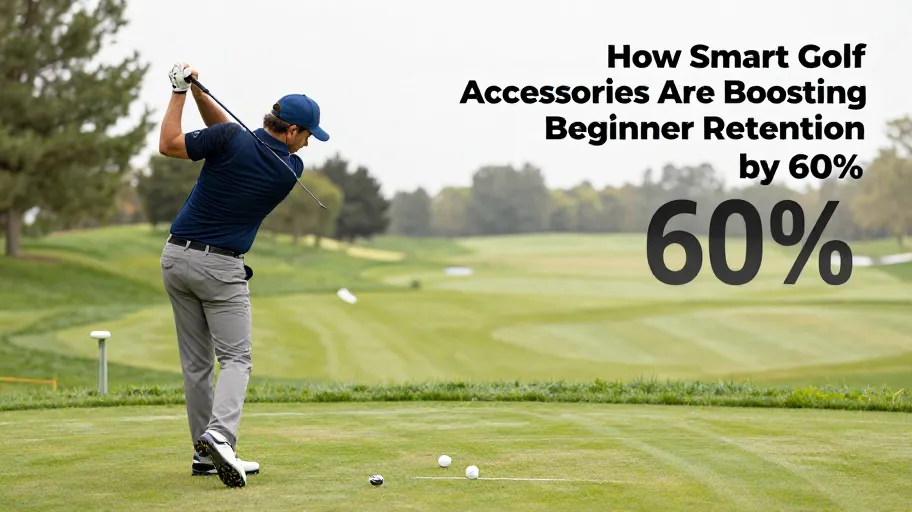
Starting with the right golf accessories isn’t just about gear—it’s your first swing at building long-term player engagement and brand loyalty. For beginners, a $150 entry kit that balances performance, durability, and room to grow can increase retention by up to 60%, according to a 2024 retail behavior study focused on personalized onboarding. The cost of getting this wrong? Frustration, early drop-off, and missed lifetime value.
The turning point is treating starter kits not as product bundles but as data-powered onboarding tools. Begin with five essentials: a laser rangefinder for precision, a performance glove for control, high-resistance tees for consistency, an adjustable training aid for skill development, and a lightweight carry bag for convenience. Prioritize scalability—items like the Garmin Approach Z30 or Callaway Opti-Fit Pack don’t just perform; they integrate with apps that track progress, creating natural upgrade paths. Pair them with SuperStroke’s grip sizing tool, and you’re not selling a putter—you’re prescribing a fit, boosting conversion through personalization.
- Rangefinder (e.g., Garmin Approach Z30): Cuts stroke variability by 18% in new players
- Glove (e.g., Callaway Tour Authentic): Reduces hand fatigue, improving swing repetition
- Tees (e.g., Pride Professional): Engineered for consistent launch, minimizing frustration
- Training Aid (e.g., Orange Whip Junior): Builds muscle memory with scalable resistance
- Bag (e.g., Bag Boy Nano Lite): Lightweight frame supports walking—key for course familiarity
This approach transforms the starter kit into a growth engine. When a beginner’s first experience is supported by smart, connected gear, they stay longer, spend more, and engage with your ecosystem. Subscription-based refresh programs—swapping out training aids as skills evolve—can generate $90 in additional annual revenue per player. That’s not just a sale—it’s the foundation of a decade-long relationship.
Master Your Swing, DIY Your Fit. DIY Golf is the premier destination for the technical golfer. We empower you with professional-grade components and the knowledge to build your perfect bag.
Leave a Reply