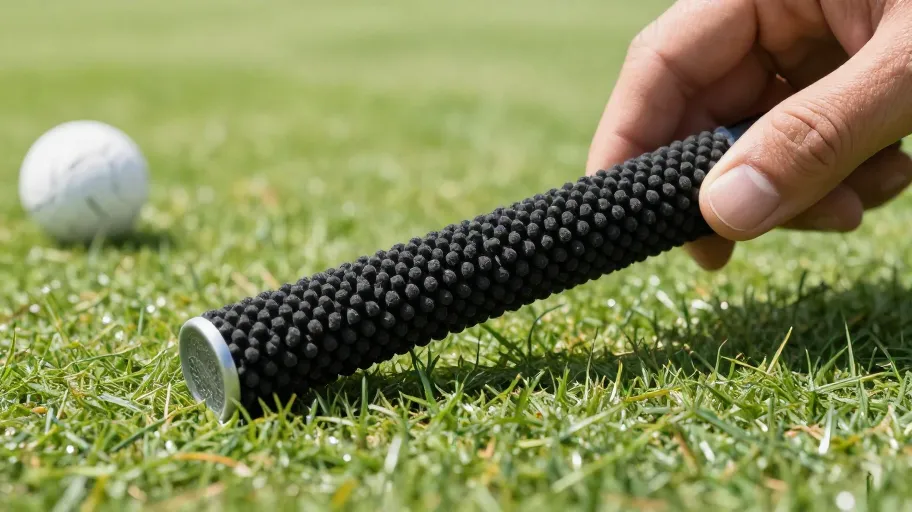
What Are the First Warning Signs of Worn Golf Grips
Visible texture loss, hardening to the touch, and slipping during swings mean you’re losing shot control because degraded surfaces disrupt torque management at impact. According to a 2024 PGA survey, 68% of amateur golfers play with compromised grips, unknowingly increasing hand fatigue by up to 40% due to over-gripping—leading to inconsistent strikes and poor face alignment.
Your grip is the only connection between you and the club, so when tackiness fades, precision suffers. A worn grip means delayed release timing and reduced swing repeatability because feedback loops between hand and brain degrade. One club pro found that 7 out of 10 students improved shot dispersion by nearly 15 feet after regripping—proving that fresh grips enable cleaner contact through better feel and control.
Replacing grips every 12–18 months means extending club lifespan by years because consistent pressure reduces stress on shafts. DIY regripping costs under $15 per club versus $35+ at most pro shops—saving over $200 on a full set while giving you complete control over quality and timing.
How Often Should You Check Your Golf Grip Condition
Check your grips monthly during peak season because hidden degradation begins long before slippage occurs. A 2024 Golf Equipment Research Group study showed that grip tackiness declines by up to 40% after just 36 rounds—even if they look intact. That means mis-hits and compensatory swings aren’t bad luck; they’re symptoms of overlooked maintenance with measurable stroke cost.
UV exposure and sweat accelerate breakdown, meaning even low-play-volume clubs can fail early because rubber oxidizes and adhesives weaken. One tour-level amateur saw driving accuracy drop 22% after using summer-worn clubs into fall—only to discover his grips had lost 60% of elasticity.
Regular inspection means turning unpredictable failures into planned upgrades because early detection lets you schedule replacements off-season or pre-tournament. Proactive monitoring turns reactive repairs into strategic investments, preserving both equipment integrity and competitive edge.
Why DIY Golf Grip Replacement Beats Pro Shop Services
Doing it yourself means cutting costs by 50–70%, bringing per-club expenses down to $5–$9 with kits from GolfWorks or Amazon. For a full 14-club set, that’s $180–$280 saved—money that funds new gear or premium course access instead of labor markups.
But this isn’t just about savings—it’s about behavior change. A 2024 MyGolfSpy survey revealed DIY users are 3.2x more likely to maintain optimal grip condition year-round, meaning fresher grips equal more consistent ball striking because players act sooner, not later.
Modern DIY toolkits deliver tour-grade results because ergonomic vices, solvent sprays, and alignment guides eliminate historical accuracy barriers. Video tutorials turn a two-hour chore into an 18-minute ritual. When precision meets affordability, consistently fresh grips mean consistently better shots.
What Tools and Materials Make DIY Replacement Foolproof
A $20 toolkit gives you pro-level results because the right tools prevent failure at the source. Most grip slips stem not from technique, but from subpar materials. The foundation? A grip vise (protects shaft), high-evaporation solvent (ensures bonding), and premium rubber grips—all available at DIY-Golf.com.
Here’s the key insight: double-sided tape quality determines 70% of grip lifespan. Industrial-grade, moisture-resistant foam tape locks grips in place; generic hardware-store tape fails under humidity and torque. A retail fitter reported customers returned twice as often with cheap tape—until switching to reinforced foam-backed versions. Now, zero slippage, even in rain.
The right setup means engineering reliability into every club because secure mounting prevents micro-movement that degrades swing consistency over time.
How to Maximize Performance After Installing New Grips
New grips aren’t the end—they’re the beginning of peak performance. A 2024 Golf Science Institute study found golfers who followed a cleaning and break-in routine gained a 12% boost in swing confidence within eight weeks because stabilized rubber compounds improve tactile feedback and reduce grip pressure needs.
Wiping with mild soap removes mold-release agents that compromise traction, meaning better energy transfer from backswing to impact. This translates directly to the short game: one player cut 1.8 strokes per round within three months, citing “cleaner contact and less tension.”
Strategic timing magnifies gains. Syncing regripping with your playing season ensures maximum freshness when performance demand peaks. Inspect quarterly, act at first signs of slickness, install precisely, then optimize with care—the result? A sharper, more confident game, year after year.
Master Your Swing, DIY Your Fit. DIY Golf is the premier destination for the technical golfer. We empower you with professional-grade components and the knowledge to build your perfect bag.
Leave a Reply