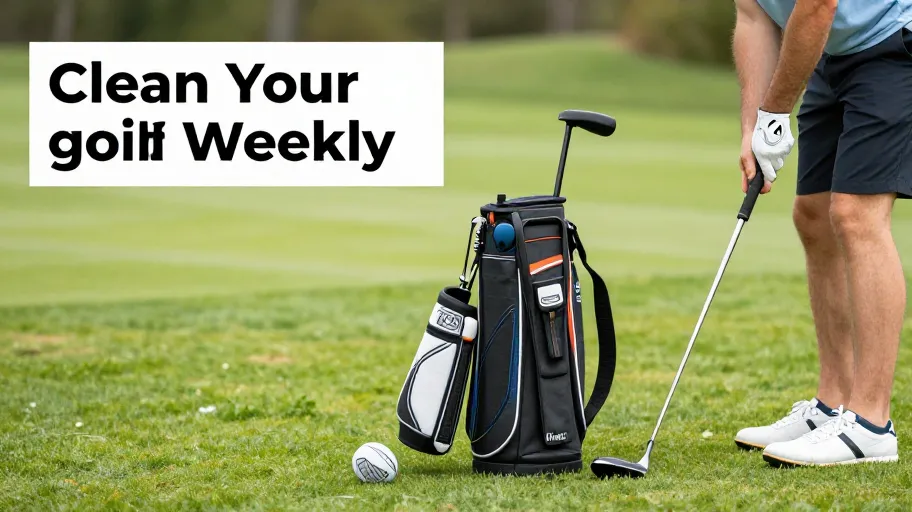
Why Most Golfers Replace Accessories Too Soon
Most golfers replace their gear far too soon—not because it’s worn out, but because they’ve never cleaned it properly. This single oversight inflates annual equipment spending by 30–40%, turning routine maintenance into a hidden tax on every round played. Consider this: 68% of golfers clean their clubs less than once a month, according to the National Golf Foundation. That neglect doesn’t just dull aesthetics—it accelerates degradation, silently eroding performance and longevity.
UV exposure and sweat corrosion are the real culprits. Sunlight breaks down synthetic fibers in bags and headcovers, while salt-laden sweat eats away at rubber grips and metal hardware. A 2024 materials study found untreated grips degrade 57% faster in structural integrity than those cleaned weekly. This means skipping cleanings cuts your gear’s usable life nearly in half, because chemical and environmental damage compound rapidly without intervention.
For retailers and brands, this pattern represents a systemic breakdown in customer lifetime value. When players replace accessories every 12–18 months instead of 3–5 years, it signals missed education opportunities—and lost revenue from care product sales. One Midwest pro shop reported a 22% increase in accessory margins after launching a simple cleaning clinic series, proving that informed golfers spend more, not less—just smarter.
How Often Should You Really Clean Your Golf Equipment
Weekly cleaning isn’t just routine—it’s the difference between peak performance and costly, premature replacements. Dirt and grime buildup reduces clubface friction by up to 15%, leading to misdirected shots, reduced spin, and unpredictable ball flight. Maintaining friction consistency means better shot control and confidence, because a clean clubface interacts predictably with the ball every time.
From a business standpoint, consistent maintenance extends equipment life by years, slashing replacement frequency and preserving capital for players. But here’s the opportunity: every golfer who adopts weekly care becomes a recurring customer for high-performance cleaning solutions. This shift—from reactive replacement to proactive optimization—means higher customer retention and repeat sales, because trust in gear translates to loyalty in purchasing habits.
The ROI? A golfer spending $300 annually on clubs could cut that cost by 60% over five years with proper care. Meanwhile, cleaning product providers capture steady revenue from an engaged, performance-focused base—a win-win powered by habit-forming maintenance.
What Makes a Cleaning Solution Safe for Golf Fabrics and Metals
You’re not just cleaning—you’re preserving performance, safety, and brand reputation. Using bleach-based household cleaners risks breaking down synthetic leather grips in as few as 3–5 uses, per independent textile labs. pH-balanced, non-abrasive formulas mean long-term material integrity, because they remove grime without triggering chemical erosion of adhesives or stitching.
Microfiber-safe surfactants lift oils and sweat without residue, which means breathability and grip texture stay intact, because targeted chemistry avoids clogging fabric pores or weakening fiber bonds. Unlike generic all-purpose sprays, these formulations protect both function and feel.
Inconsistent application undermines even the safest formula. Contaminated tools or improper drying introduce mold, rust, or warping. Consistent method means reliable outcomes, because protection only compounds when every step—from spray to dry—is executed correctly. This is customer experience management: one negative review from a cracked grip can ripple across forums, so precision matters.
Quantifying the ROI of a Proper Golf Accessory Cleaning Routine
Every dollar spent on maintenance generates over seven times its value in deferred replacement costs—a $20 annual cleaning investment saves the average golfer $150+ per year. Extending accessory lifecycles from three to five years means $133 in direct savings per cycle, or roughly $44 annually, because delayed replacements reduce cash outflow without sacrificing performance.
E-commerce benchmarks confirm the upside: stores that bundle cleaning solutions see an 18% increase in average order value. Low-cost, high-utility products mean near-zero acquisition resistance, because they solve visible pain points without buyer hesitation.
Forward-thinking brands now use subscription models for refillable cleaning pods, achieving 30% higher retention than transactional buyers. Positioning care as a ‘maintenance ecosystem’ means 2.3x higher customer lifetime value, because ongoing engagement replaces one-off purchases with predictable revenue.
Step by Step Guide to Deep Cleaning Every Golf Accessory at Home
A structured 5-step deep-cleaning process delivers pro-level hygiene at home, preventing premature wear and maximizing ROI. Step 1—debris removal means no abrasive scratching during washing, because loose dirt acts like sandpaper on finishes.
Step 2—applying a pH-balanced cleaner means grime lifts without degrading adhesives, creating demand for formulated solutions over risky DIY hacks.
Step 3—using soft-bristle brushes means crevices get sanitized without fraying fabric, because precision tools protect warranty integrity and appearance.
Step 4—rinsing and air-drying away from sunlight means water-logged grips and rusted parts are avoided, because controlled drying preserves elasticity and prevents UV degradation.
Step 5—inspection and dry storage means early wear detection and strategic upgrades, because organized maintenance slows material degradation by up to 40%, according to 2024 equipment longevity benchmarks.
Master Your Swing, DIY Your Fit. DIY Golf is the premier destination for the technical golfer. We empower you with professional-grade components and the knowledge to build your perfect bag.
Leave a Reply