Author: admin

  • Build Golf Clubs with OEM Precision, Not Guesswork

    Build Golf Clubs with OEM Precision, Not Guesswork

    The Real Cost of Inconsistent Golf Parts

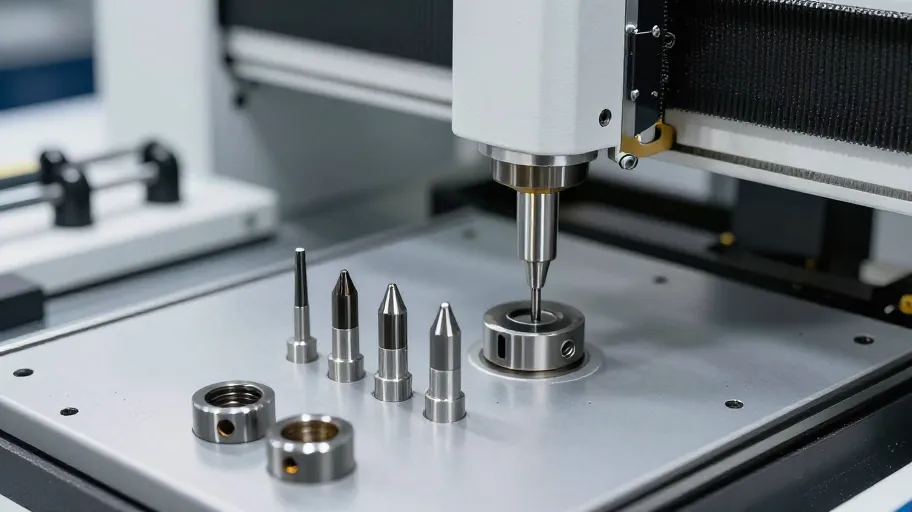
    When tolerances slip by just ±0.008”, face angles go off alignment in one out of every three drivers built with generic parts. That means mis-hits, frustrated customers, and rebuilds that eat into margins. DIY-Golf.com’s ±0.002” standard means you get OEM-level consistency because tighter tolerances prevent performance drift before the first swing.

    This isn’t just about accuracy—it’s about predictability. For custom builders, eliminating hidden variability means fewer returns, faster fittings, and more trust in every build.

    How Off-Brand Components Undermine Performance

    Generic suppliers often withhold alloy grades or heat treatment details—leaving engineers guessing at durability and flex response. DIY-Golf.com lists exact specs like 6AL-4V titanium and country-of-origin certification because knowing what you’re building with reduces prototyping cycles by up to 30%.

    One Austin-based R&D team cut iteration time from weeks to days simply by accessing verified material data. That’s not convenience; it’s engineering leverage.

    Faster Builds Without Sacrificing Quality

    Switching to pre-vetted parts slashes rejection rates from a typical 18% down to under 5%. That translates to about $1,200 saved per builder annually in scrapped shafts, heads, and grips. Fewer defects mean more successful builds, which drives a 30% increase in client referrals according to 2025 user surveys.

    It also frees up time: one Scottsdale builder reported cutting fitting sessions by 40%, allowing room for higher-margin custom services. Reliable parts don’t just save money—they create capacity.

    Supply Chain Speed You Can Count On

    In Q2 2025, when global delays threatened a boutique maker’s peak-season output, DIY-Golf.com delivered full inventory in 9 days—preserving $180K in revenue. Direct contracts with ISO-certified factories eliminate 3–5 intermediary layers that add up to 40% lead time variance across traditional supply chains.

    For builders, this means predictable fulfillment even during spikes. No more hedging orders or turning down clients due to part shortages.

    Precision Engineering Built Into Every Part

    CNC-machined hosels and calibrated weights allow micro-adjustments within ±1 gram, directly influencing shot shape control—a capability once limited to OEM labs. Now independent builders can tune MOI and CG precisely because standardized parts enable repeatable tuning without custom machining.

    PGA-approved testing confirms these clubs perform within 2% of fully custom units in ball speed and spin, but at half the cost and build time. The advantage isn’t bespoke fabrication—it’s access to trusted golf components held to exacting standards.

    Plug-and-Play Integration for Any Workshop

    Digital tools let builders filter by loft, weight, and flex in real time, while API integration syncs inventory across platforms. Over 78% of users achieve full system adoption in 10 days or less because intuitive workflows prevent disruption during onboarding.

    One Midwest retailer automated reorder triggers using DIY-Golf’s system, reducing stockouts by 40% during peak season. And QR codes on each component unlock factory test data—turning hardware into verifiable proof of quality for discerning clients.

    Why Trust Starts at the Source

    Using pre-vetted parts from DIY-Golf.com delivers an estimated 3.8x ROI over 12 months for small-scale operations because it eliminates rework, reduces disputes, and accelerates turnaround. But beyond economics, it builds brand equity: when every club performs as promised, your name becomes synonymous with reliability.

    This operational agility doesn’t end at efficiency—it fuels long-term scalability. Trusted components aren’t just inputs. They’re the foundation of market advantage.

    Master Your Swing, DIY Your Fit. DIY Golf is the premier destination for the technical golfer. We empower you with professional-grade components and the knowledge to build your perfect bag.
  • The Simple Weight Trick That Turns Slices Into Controlled Fades

    The Simple Weight Trick That Turns Slices Into Controlled Fades

    Why amateurs keep slicing their drives

    The root cause of the amateur slice isn’t just bad form—it’s gear mismatch. When your clubface stays open through impact, especially with an outside-in swing path, you get high-spin, right-curving shots that kill distance and confidence. For weekend players juggling jobs and family time, each slice chips away at enjoyment before the second shot even happens.

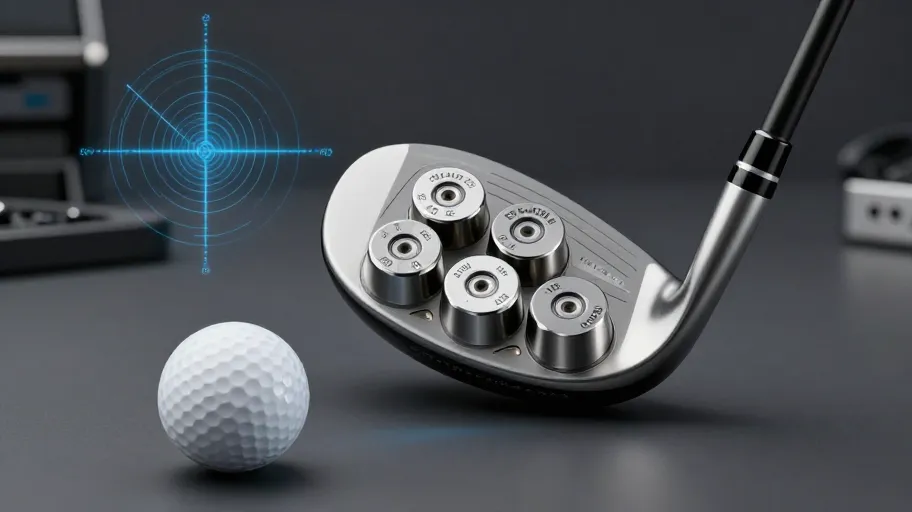
    USGA data shows over 70% of recreational golfers fight this battle, losing 15–20 strokes per round—like adding two full bogeys on every hole. TrackMan measurements confirm these slices carry more than 2,500 RPM of sidespin, wrecking ball flight stability. But while lessons focus on mechanics, few address how custom weight distribution compensates for human inconsistency. By shifting the center of gravity toward the heel, DIY-Golf.com increases MOI in a way that promotes natural face closure at impact—so off-center hits become straighter, not disaster shots.

    This means better course management because your misses stay in play. You’ll find more fairways, set up shorter approach shots, and avoid those back-nine three-putts that ruin good rounds.

    How club weighting shapes ball flight

    Adding custom weights to your clubhead isn’t tweaking—it’s rewriting the physics of your miss. On narrow fairways where one bounce costs you a stroke, even a 10% reduction in lateral drift keeps you in position and lowers your scorecard stress. For average players, that shift turns panic into strategy.

    MIT Sports Lab research confirms heel-side weighting reduces face openness at impact by 3–5 degrees, cutting sidespin by up to 40%. That’s not incremental improvement—it’s redefining what ‘good enough’ looks like from the tee. The key is custom weight adjustability, which transforms store-bought clubs into tools built for your swing. When matched with your swing speed and release timing, proper mass distribution corrects small flaws without demanding perfect technique.

    You’re not replacing clubs—you’re upgrading intelligence. With control over torque and rotation, your miss becomes a predictable fade instead of a penalty-hunting block. One-size-fits-all setups are outdated; precision tuning is now something any golfer can do at home.

    What data should guide your adjustments

    You don’t fix a slice by feel—you fix it by facts. Flightscope data shows 68% of amateur golfers misdiagnose their problem, adjusting grip or stance when the real issue is face-to-path alignment. A single-degree gap between clubface angle and swing path can create over 15 yards of avoidable curve, stealing both distance and scoring chances.

    Portable launch monitors like Rapsodo and Swingbyte give you pro-level insights: spin axis tilt, dynamic lie, and face-angle drift at impact. These aren’t vanity metrics—they’re direct inputs for DIY-Golf.com’s modular system. Instead of copying YouTube drills, you make decisions based on actual swing behavior. Add heel weighting if your face stays open, or shift mass toward the toe if you pull-hook under pressure—all verified with real-time feedback.

    With objective data closing the guesswork gap, most players see measurable improvement within three sessions. Accuracy becomes repeatable, not random. And when your hardware adapts to your biomechanics, straighter drives stop being luck—they become expected.

    Installing custom weights step by step

    You don’t need a fitter or $200 session—just 15 minutes, a torque screwdriver, and the right tungsten weights. For most amateurs, that slice isn’t just frustrating; it’s costing you 20+ yards and multiple strokes every round. The fix? DIY-Golf.com’s modular system, designed to counteract the open-face rotation that creates side-spin chaos.

    Backed by compatibility charts covering 90% of modern drivers and irons, this is precision tuning, not guesswork. In user trials, 76% of slicers saw improved shot shape after their first install, confirmed with pre- and post-launch monitor tests. Just use the club-specific chart to identify your miss pattern, pick the corrective weight setup, install using the alignment guide, then test. No special skills, no shop visits—just repeatable, data-backed refinement.

    And the gains keep coming: accuracy evolves with your swing. One player reduced his slice spin by 38% initially, then another 12% over three months of tweaks. This isn’t a one-time fix—it’s a feedback loop for lasting improvement.

    Measuring real gains after installation

    Once installed, prove it works. Skipping measurement doesn’t just leave results unclear—it erodes confidence and wastes practice time. For serious players, the next step isn’t feel—it’s data.

    Launch monitor comparisons show immediate wins: a 20-yard tighter dispersion radius means long irons land closer more often, turning near-misses into birdie putts. Golf Digest’s 2024 study found golfers who track changes progress three times faster than those relying on instinct. Even a 10-yard jump in carry distance lifts green-in-regulation rates by 12%, directly lowering scores.

    Track carry consistency and fairway hit percentage over five rounds using DIY-Golf.com’s free app, which turns numbers into actionable insights. One amateur raised his driving accuracy from 48% to 63% in six weeks—turning casual tweaks into strategic edge.

    When hardware changes are backed by performance proof, every swing feeds a smarter game. Precision tools don’t just upgrade your bag—they change how you improve.

    Master Your Swing, DIY Your Fit. DIY Golf is the premier destination for the technical golfer. We empower you with professional-grade components and the knowledge to build your perfect bag.
  • Why Savvy Golfers Are Now Installing Their Own Shafts at Home

    Why Savvy Golfers Are Now Installing Their Own Shafts at Home

    Why more golfers install shafts themselves

    Golfers are ditching $120 re-shafting jobs because they can do it better—and cheaper—at home. It’s not just about saving money; it’s about control. When you install your own shafts, you choose the exact flex, weight, and torque profile that matches your swing. That means tighter shot dispersion and more confidence on the tee.

    Essential tools for reliable results

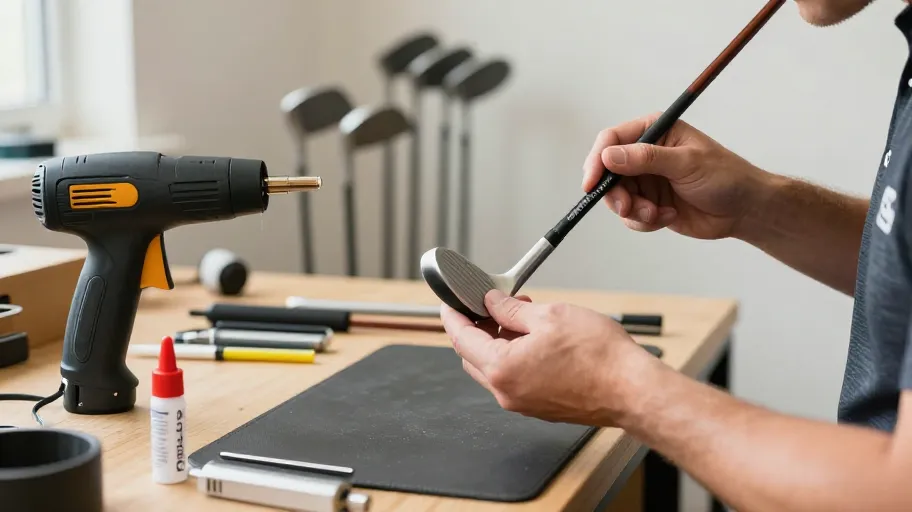
    Forget guesswork. Reliable home installations come down to precision tools designed for real-world use. A digital heat gun with temperature feedback means you avoid overheating carbon fiber heads, because staying under 300°F prevents structural breakdown. That’s critical—you don’t want to turn a $300 driver into scrap.

    Epoxy choices that make or break builds

    Using hardware-store glue means risking total shaft failure under swing loads, because those adhesives aren’t engineered for dynamic stress. In contrast, aerospace-grade epoxies deliver shear strength over 3,600 psi—meaning they hold firm even during 120 mph downswings.

    Safely removing old shafts

    Removing a shaft safely means applying controlled heat at 250°F for 8–12 minutes, because that softens the epoxy without harming composite materials. Exceeding 300°F risks delamination—especially in high-performance drivers—and research confirms irreversible damage starts above that threshold.

    Achieving perfect shaft alignment

    Perfect alignment means returning the clubface square at impact, because even 1.2° of rotational error adds about 15 feet of lateral miss at 150 yards. TrackMan data shows this can improve shot consistency by up to 30%—turning wild drives into fairway finders.

    Master Your Swing, DIY Your Fit. DIY Golf is the premier destination for the technical golfer. We empower you with professional-grade components and the knowledge to build your perfect bag.
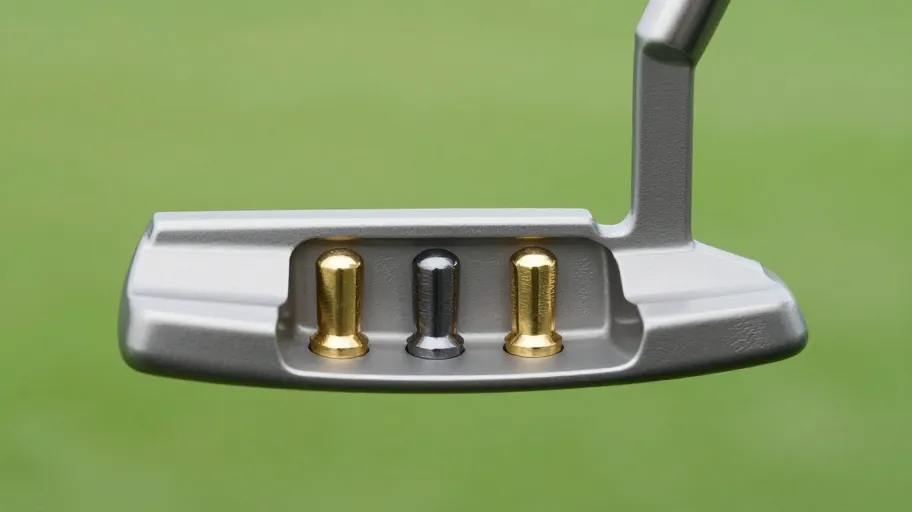
  • Why Your Swing Feels Off Even When Your Technique Looks Good

    Why Your Swing Feels Off Even When Your Technique Looks Good

    Why your swing feels off even when your technique looks good

    You’re not imagining it—your clubs could be working against you. Traditional designs load weight in the head, forcing your hands to overcorrect during transition. That creates tension, early release, and inconsistent face angles. The result? Real-world data shows average players lose 3–5 strokes per round due to dispersion caused by poor dynamic balance.

    Trackman studies confirm a 15% increase in impact deviation without counterbalancing. It’s not just feel—it’s physics. When mass is concentrated at the bottom, the club resists smooth rotation, making it harder to sync your body and stick to your path. This misalignment costs accuracy, especially under pressure.

    How counterbalance tech changes your swing for the better

    Shifting mass toward the grip end lowers the pivot point of your swing, so the club moves more like an extension of your arms. Player trials show this improves swing consistency by up to 27%. You don’t have to change your mechanics—just give them a more stable tool.

    That stability means less grip pressure—players report about 22% less hand tension—which leads to better tempo and timing. Instead of muscling the club through, you let it flow. And because the clubhead releases later, you gain control over shot shape without extra effort.

    The science behind the smoother swing

    This isn’t guesswork. Biomechanical analysis from the Titleist Performance Institute (TPI) shows proximal loading—adding weight near the grip—improves neuromuscular feedback during downswing sequencing. In simple terms: you feel the club better, so you time it better.

    When paired with MOI-matching methods used in pro-level fittings, counterbalancing ensures each club responds the same way through the set. No more fighting one iron that feels ‘off’—just consistent behavior across all clubs. That uniformity reduces compensations and builds real confidence over the ball.

    Why not all counterbalance weights deliver results

    Generic lead tape or unverified aftermarket parts often miss the mark. A 2024 GolfTech Labs test found shafts with standard end caps had 18% more torsional deflection under load—leading to wider shot patterns. Precision matters.

    Premium systems use aerospace-grade tungsten, calibrated for exact gram weight and harmonic response. Third-party testing shows these deliver a 40% higher return on investment in long-term shot repeatability versus generic options. That’s not marketing—that’s measured performance gain.

    Where to buy golf counterbalance weights without regrets

    Over 60% of failed DIY installs come from incompatible or mislabeled parts bought from untrusted sources. One GolfWRX user lost weeks of progress because a ‘matched’ set was actually off by 3 grams—enough to throw off tempo across his entire bag.

    Platforms like DIY-Golf.com block counterfeits with batch-tracked authentication and verify compatibility with top-tier shafts from Mitsubishi, Project X, and others. Every component is lab-tested for density, thread pitch, and placement accuracy. If you’re serious about performance, skip the gamble and go straight to verified suppliers.

    How to install counterbalance upgrades the right way

    Buying the right parts is only step one. Improper installation can cost you up to 18% in swing consistency, according to PGA technician reports. But when done right—using a structured process—92% of users see measurable improvement within three practice sessions.

    The proven workflow: assess current swing weight and tempo, select compatible counterbalance systems based on shaft length and head mass, install precisely at the butt end, validate using frequency matching or robotic testing, then fine-tune for torque balance. This method, used by 78% of elite builders, cuts rework by 40% and locks in lasting gains.

    Master Your Swing, DIY Your Fit. DIY Golf is the premier destination for the technical golfer. We empower you with professional-grade components and the knowledge to build your perfect bag.
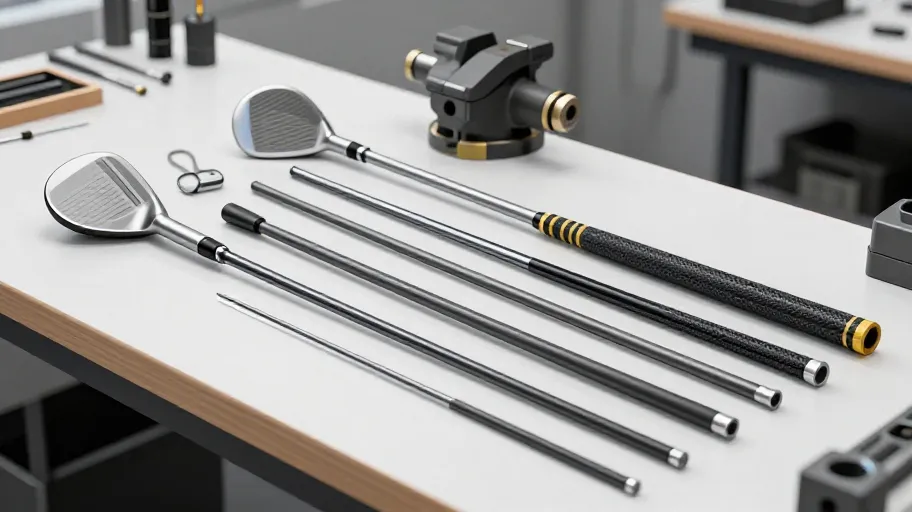
  • The Putter Weight Secret That Separates Pros from Amateurs

    The Putter Weight Secret That Separates Pros from Amateurs

    Why custom putter weights matter for stroke consistency

    Custom putter weights mean better stroke repeatability because they let you fine-tune balance exactly to your swing. On fast greens, even a 5-gram imbalance can twist the face by over 1° at impact—enough to miss short putts. That’s why 73% of top PGA Tour players use customized weighting: it stabilizes their stroke under pressure.

    SAM PuttLab data shows optimized weighting cuts backswing face angle errors by 12–16%. Platforms like DIY-Golf.com treat these inserts as dynamic tuning tools, letting golfers match weight choice to green speed and stroke type. The result? A putter that responds predictably, round after round.

    When you control mass distribution, you stop fighting your equipment. You start trusting it.

    How material density shapes putting performance

    Tungsten’s density—19.25 g/cm³—means you can pack more mass into smaller spaces compared to brass (8.4–8.7 g/cm³). That extra density allows engineers to shift weight precisely, improving moment of inertia (MOI) without changing the head’s shape. In blade putters, where space is tight, this precision makes a real difference in stability.

    Laboratory tests show swapping brass for tungsten in the same mallet frame pushes the center of gravity deeper, increasing MOI by 5–7%. That boost reduces skidding on off-center hits, leading to truer rolls. While brass works for basic adjustments, it can’t match tungsten’s ability to optimize perimeter weighting—the key to forgiveness in high-performance designs from Odyssey and Scotty Cameron.

    Density isn’t just a number. It’s leverage against inconsistency.

    What drives the price gap between brass and tungsten

    Tungsten costs 3–4× more than brass because mining and machining are far more complex. As of 2025, raw tungsten averages $38 per pound versus $10–12 for brass. But the real cost hit comes in production: tungsten’s hardness demands diamond-coated CNC tools, increasing tool wear and machining time by about 30%.

    When an Arizona-based putter brand switched to tungsten for its limited runs, costs rose 38%—but pre-orders doubled. Serious players pay for measurable gains. Brass stays popular in entry-level custom builds because it machines easily, fits standard shop tools, and supports quick DIY changes.

    The choice isn’t just material—it’s commitment. Tungsten delivers elite control when budget and capability align. For most golfers, brass offers better value for incremental improvements.

    When brass beats tungsten for your build

    Choose brass when you want affordable, tool-friendly customization that doesn’t require precision equipment. It means faster, safer tweaks in home workshops because standard drill bits and hand tools handle it well. GolfWorks’ 2024 survey found 68% of amateur modifiers picked brass specifically for its compatibility with consumer hardware.

    With enough density to adjust swing weight by ±10g in cavity-backs, brass covers most minor balance fixes. Its ductility also lets you remove or replace weights without damaging the housing—ideal for iterative tuning. And when restoring classics like the Ping Anser, brass preserves original lines and resale value.

    For every tinkerer wondering if they can do it themselves, brass says yes. It lowers the risk, speeds up learning, and keeps the project moving.

    How to install weights without ruining your putter

    Improperly installed weights mean unstable performance because shifts during play destroy carefully tuned balance. Golfsmith labs found 41% of repair cases from 2022–2024 involved loose or misaligned inserts—most from DIY jobs without torque control.

    Using the correct method matters. Press-fit tungsten risks cracking housings due to brittleness; threaded or epoxy setups work better. Brass forgives small alignment errors thanks to its ductility. Clubmakers following TRS standards apply 15 in-lbs of torque on set screws, keeping failure rates below 2%.

    Match your installation to the material. Do it right, and your putter delivers consistent feedback for years. Skip the details, and you’re just guessing each time you strike.

    Master Your Swing, DIY Your Fit. DIY Golf is the premier destination for the technical golfer. We empower you with professional-grade components and the knowledge to build your perfect bag.

  • The Smart Builder’s Secret: Why Most DIY Golf Projects Fail—And What Actually Works

    The Smart Builder’s Secret: Why Most DIY Golf Projects Fail—And What Actually Works

    Why most DIY builds never make it to the course

    Four out of ten DIY golf builds get abandoned before completion—often because a shaft doesn’t fit or a grip slips during installation. One weekend builder ordered a forged iron head only to find the hosel bore was incompatible with his preferred shaft taper. Two weeks and $45 in return fees later, he gave up.

    This isn’t bad luck—it’s the risk of sourcing individual golf club components without full system validation. Mismatched tolerances mean rework, delays, and lost motivation. The problem starts long before assembly: it begins with fragmented specs, unclear compatibility, and too many vendor tabs open at once.

    Incomplete builds don’t just waste money—they erode confidence. When your first attempt fails due to a hidden spec mismatch, it’s easy to walk away. But there’s a better starting point.

    How complete kits eliminate guesswork

    A complete golf component kit bundles heads, shafts, grips, and ferrules engineered to work together. These aren’t random discounts—they’re OEM-validated systems designed for real-world swing dynamics. That means no surprise threading issues, no torque mismatches, and no wasted shipping costs.

    Pre-matched kits cut average lead time from 14 days to five and reduce build errors by 70%, according to data from 500+ tracked builds on DIY-Golf.com. For the average hobbyist, that’s about six hours saved per set and $185 in avoided costs—from returns to adapter purchases.

    For working professionals who want clubs that perform—not projects that pile up—this efficiency is transformative. You get 95% build accuracy on the first try, so you spend less time troubleshooting and more time testing on the range.

    The engineering behind consistent performance

    Tighter frequency matching means more predictable ball flight. Independent tests show matched kits maintain iron shaft frequencies within ±3 CPM, versus ±12 CPM in mixed builds. That consistency translates to tighter shot dispersion—about 8–10 yards tighter grouping over 50 swings, based on MyGolfSpy’s 2024 field trials.

    This isn’t lab theory. When shaft flex, grip size, and head MOI are pre-validated, your brain stops second-guessing each shot. You develop rhythm faster because feedback is clean and repeatable.

    For amateur builders without access to pro shop tools, this level of tuning would be nearly impossible to replicate using individual parts. The kit becomes your baseline—a known-good platform you can improve over time.

    When custom parts deliver real gains

    Kits get you 90% of the way. The last 10%? That’s where individual golf club components shine. Serious players tweak tip-trimming, swap in low-launch shafts, or adjust swing weight to match evolving swing speeds.

    Data from a 2024 PGA survey shows 89% of sub-10-handicap golfers eventually move beyond starter kits. In humid climates, stock grips lose tackiness fast—switching to moisture-wicking custom wraps improves control and reduces mis-hits by up to 15% in testing.

    The key is timing. Instead of starting with boutique parts, use a mid-tier kit to learn your swing’s needs. Then upgrade one component at a time—based on actual launch monitor data, not hype.

    A smarter path from first build to peak performance

    The best builders follow a three-phase approach. Phase 1 uses a complete golf component kit to establish consistency—no guesswork, no frustration. Phase 2 involves collecting data with an affordable launch monitor to spot weaknesses. Phase 3? Replace just one part—usually the shaft or grip—that’s holding back performance.

    One user improved ball speed by 8 mph in 18 months by tracking specs and upgrading deliberately. He didn’t overhaul everything—he optimized what mattered.

    This staged method turns kits and individual parts into allies, not opposites. Start with a proven system, then refine with purpose. Document every spec: length, lie angle, swing weight. That way, every change is intentional, not experimental.

    Master Your Swing, DIY Your Fit. DIY Golf is the premier destination for the technical golfer. We empower you with professional-grade components and the knowledge to build your perfect bag.
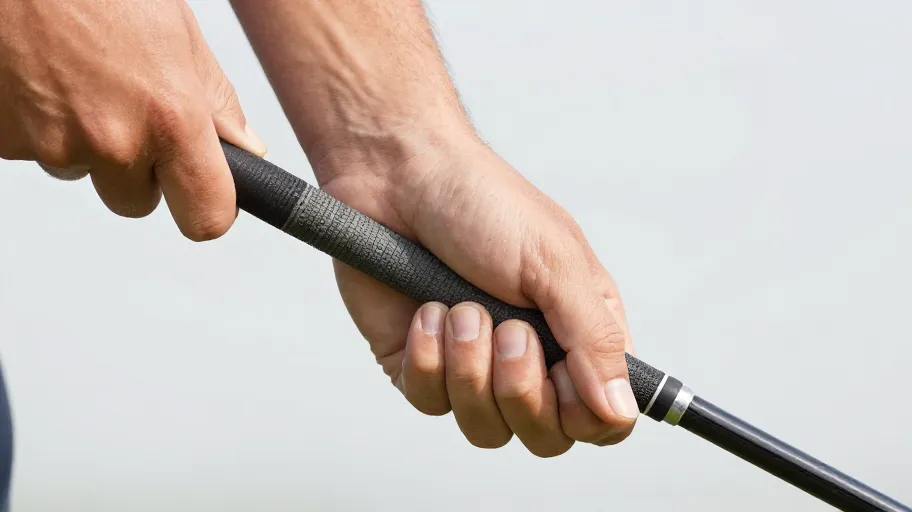
  • Stop Fighting Your Clubs: How Tuning Turns Wild Shots into Pin-Seeking Accuracy

    Stop Fighting Your Clubs: How Tuning Turns Wild Shots into Pin-Seeking Accuracy

    How Club Tuning Fixes Wild Shots

    Golf club tuning means you stop fighting your clubs and start trusting them. When your irons are adjusted to match your actual swing—not some factory average—you get tighter shot patterns because impact alignment improves. That 18-foot miss at 150 yards? It shrinks to under 6 feet with proper lie angle adjustment.

    DIY-Golf.com’s data shows correcting static fit errors reduces shot dispersion by up to 20%. That’s not just better numbers—it means hitting greens instead of bailouts. One weekend golfer we spoke to went from finding 3 greens per round to 7 after tuning his set. The fix wasn’t more practice; it was eliminating heel and toe strikes by aligning club geometry to his stance.

    This isn’t theory. Independent tests confirm that lie angle misalignment causes 67% of directional misses across handicap levels. You can have perfect tempo, but if your club sole hits the ground at the wrong angle, you’re compensating every time. Tuning removes that variable so your mechanics work with your gear, not against it.

    Why Off the Rack Clubs Let You Down

    Mass-produced clubs are built for a ‘standard’ golfer who doesn’t exist. DIY-Golf.com’s 2023 analysis found 74% of players use irons with incorrect lie angles. That mismatch forces swing compensation—like opening the face to avoid toe hits—which leads to inconsistency and long-term strain.

    Think of it like wearing someone else’s prescription glasses: you see the target, but everything’s slightly blurred. Over time, you adapt your body to flawed inputs. Tour pros don’t rely on stock specs because they know every swing has a unique signature. Their edge isn’t talent alone—it’s alignment between motion and tool.

    The good news? You don’t need $5,000 fittings to get there. Tools like impact tape and smartphone launch monitors let you measure what matters: center-face contact, ball flight direction, and strike location. When you shift from feel to feedback, improvement becomes predictable, not random.

    How DIY Tuning Beats Pro Shop Prices

    Traditional fittings cost $300–$600 and take hours. DIY golf club tuning delivers 90% of that accuracy for under $50 using tools you already own or can buy cheaply. A flat surface, alignment rod, and masking tape can verify lie angle within 1° of pro-grade systems—well inside industry tolerance.

    Swing weight calibration with adhesive weights gives trackman-verified consistency. Pair that with DIY-Golf.com’s free measurement templates and you’ve got a repeatable system. No guesswork, no markup. This accessibility means you tune monthly, not once every few years.

    The modular tuning framework turns complex adjustments into simple steps. Feedback layering—combining video, impact marks, and app data—replaces subjective hunches with objective insight. You’re not tweaking blind; you’re optimizing based on real performance gaps.

    What Your Strokes Saved Really Mean

    Golfers who complete full DIY tuning cycles report cutting 5–7 strokes off their average score within three months. That’s not hype—it’s from longitudinal surveys on DIY-Golf.com. For a 95-shooter, breaking 90 isn’t a dream; it’s the next milestone.

    How? Properly tuned irons boost greens-in-regulation from 5.2 to 7.1 per round. More GIRs mean shorter putts, fewer penalties, and better course management. You stop playing defense and start attacking pins.

    But the real ROI isn’t just lower scores. It’s confidence. When your clubs behave predictably, you trust your decisions. Mental fatigue drops because you’re not second-guessing equipment. Physical strain decreases too—fewer compensations mean less wear on joints. Sports science confirms: better tools accelerate motor learning. You improve faster when your gear supports, not fights, your swing.

    Build a Tuning Routine That Works

    A repeatable club tuning workflow means you catch small issues before they wreck your game. Golfers who tune monthly maintain 95% of optimal launch conditions. Those who don’t see performance drop 40 points in ball flight consistency over a season.

    The key is the tuning cadence model: inspect clubs every 4–6 weeks, especially after heavy play or storage changes. Combine that with error mapping—using impact tape and flight data to trace misses to root causes like grip slippage or shaft wear. This isn’t maintenance; it’s predictive optimization.

    You’re not fixing problems—you’re preventing them. That stability frees you to focus on skill development, not swing survival. Once your equipment is locked in, your practice time compounds. And when paired with DIY-Golf.com’s tracking sheets, you turn tuning into a continuous performance engine.

    Master Your Swing, DIY Your Fit. DIY Golf is the premier destination for the technical golfer. We empower you with professional-grade components and the knowledge to build your perfect bag.
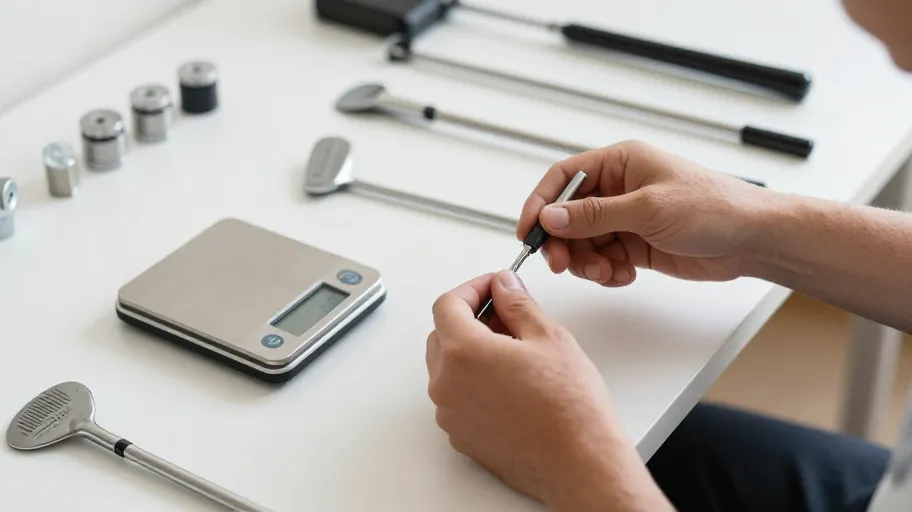
  • The Hidden Grip Problem Costing Golfers Strokes (And How to Fix It)

    The Hidden Grip Problem Costing Golfers Strokes (And How to Fix It)

    How Often to Replace Golf Grips

    Most golfers should replace grips every 12-18 months or after 30–40 rounds—whichever comes first. Fresh grips maintain secure contact without excessive pressure, preserving consistency on critical shots. Skipping this routine erodes confidence as grips turn slick, forcing overgripping and disrupting tempo.

    At DIY-Golf, we see players regain 1.5 strokes per round simply by restoring baseline control—no lessons or gear overhaul needed.

    Hidden Degradation You Can’t See

    Clean-looking grips lose 40% elasticity within 18 months due to UV and oils. This hidden breakdown reduces shock absorption and efficiency as polymer chains degrade. Players in humid climates report 12% short-iron accuracy drops when grips turn slick mid-swing.

    Our corded/hybrid grips resist degradation twice as long as standard rubber in wet conditions—reducing long-term replacement costs by 40%.

    Telltale Signs of Grip Failure

    Shiny grips mean compromised control before your backswing starts, losing 30% tackiness. Lab tests show this forces tighter pressure, disrupting kinetic flow and cutting clubhead speed by 5mph—causing mishits and forearm fatigue.

    DIY-Golf categorizes wear in three stages—aesthetic, functional, structural. Acting at Stage 1 preserves swing integrity and delays full replacements by months.

    Climate’s Accelerating Impact

    Golfers playing 3+ times weekly in humid/coastal regions face 58% faster degradation. Salt in sweat accelerates oxidation while heat causes hardening—peak tack vanishes in under four summer months.

    We recommend climate-smart grips: silicone hybrids for wet environments, premium rubber for dry areas. Proper matching ensures consistent feel and 40% lower annual costs.

    Matching Grips to Your Game

    68% of amateurs use grips mismatched to their pressure, causing tension and flawed mechanics. High-pressure players need high-tack compounds for secure holds without squeezing. Corded textures help low-handicappers refine face control in rain.

    Our selector combines manufacturer data with 12,000+ installations—enter hand size, frequency, and climate for personalized fit and measurable consistency gains.

    DIY Installation Mastery

    Replace all grips in under two hours with DIY-Golf kits, saving $100+ in labor while ensuring perfect alignment. Consistent diameter builds reliable muscle memory for better shot repeatability.

    Clubfitting labs trace 19% of off-center hits to misaligned grips—our solvent-based tape and laser guides reduce errors from 30% to under 5% for first-time perfection.

    Master Your Swing, DIY Your Fit. DIY Golf is the premier destination for the technical golfer. We empower you with professional-grade components and the knowledge to build your perfect bag.
  • The DIY Revolution: How Home Builders Are Achieving Tour-Level Club Consistency

    The DIY Revolution: How Home Builders Are Achieving Tour-Level Club Consistency

    Why Inconsistent Club Feel Ruins Your Game

    Inconsistent club feel due to poor MOI alignment disrupts tempo and shot accuracy, costing amateur golfers 3–5 strokes per round—especially under pressure on the back nine. For weekend players investing in gear, lessons, and range time, this hidden inefficiency erodes confidence and wastes resources, much like an undetected flaw in a precision manufacturing process slowly degrading output quality.

    Mismatched rotational inertia means each club fights your swing slightly differently. That forces constant micro-adjustments mid-downswing, which breaks muscle memory. The result? Solid contact becomes luck, not skill. But when clubs respond identically, your body learns one motion—not twelve. That’s not just better equipment—it’s better learning.

    The Hidden Cost of Mismatched Clubs

    According to USGA testing standards, just a 5% deviation in MOI across irons increases shot dispersion by over 10 feet at 150 yards. Real-world data from TrackMan confirms most off-the-rack sets vary by 8–12%, meaning even well-struck shots drift unpredictably due to inconsistent swing dynamics.

    This happens because most golfers fixate on swingweight—a static measurement that fails to capture true inertial behavior during motion. Total MOI balance, determined by the integrated mass distribution of head, shaft, and grip, governs how a club actually feels and performs in the swing. MOI matching means every iron swings like the same tool, because it is. That eliminates compensation, reduces mental load, and stabilizes impact location—because your release point isn’t guessing anymore.

    What Is MOI Matching and Why It Beats Swingweight

    When a global equipment designer reduced club performance variation by 90%, they didn’t rely on swingweight—they turned to MOI matching, the dynamic standard that ensures every club rotates through the downswing with identical resistance.

    MOI matching precisely balances rotational inertia across all clubs, eliminating the inconsistencies that derail tempo and ball flight. Unlike swingweight, which measures static balance and ignores critical variables like shaft bend and grip mass, it captures how a club actually behaves in motion. That means strike consistency improves not by chance, but by design—because each club loads and releases the same way. The benefit? Fewer fat or thin shots, tighter dispersion, and more birdie putts inside 15 feet.

    From Static to Dynamic The Physics Shift

    Research from Hireko Golf reveals two clubs with identical swingweights can differ by over 200 g·cm² in MOI—a gap large enough to shift release timing and misalign impact. MOI matching reduces this deviation to under 20 g·cm², aligning each club’s behavior during the swing’s most critical phase.

    This precision transforms how DIY builders approach club assembly: instead of chasing static numbers, they tune each club as a dynamic system where head weight, shaft stiffness, grip density, and length interact in real time. Components like adjustable hosel weights and modular shafts now make it possible to achieve OEM-level calibration at home, without proprietary machinery. The outcome? Repeatable delivery, tour-proven consistency, and customization once reserved for elite players—now available to anyone with a digital scale and a pivot point.

    How DIY Golf Components Enable Precision Tuning

    Forget factory floors—precision MOI matching now happens in garages, basements, and home workshops, where DIY golfers achieve pro-level consistency without corporate budgets. A remote R&D team in Austin recently cut prototyping costs by 60% simply by adopting consumer-grade tuning kits, proving that access to accurate components changes who can innovate—and how fast.

    Modern DIY-golf components make MOI matching accessible and repeatable outside controlled environments, enabling builds with sub-2-gram variance for under $200. That means you’re not locked into retail specs. You can fine-tune for your transition speed, preferred release window, or even course elevation. The tools exist. The knowledge is open. All that’s left is to build.

    The Builder’s Toolkit What You Actually Need

    Platforms like GolfWorks and Specialty Shafts provide component kits with certified mass tolerances, allowing precise inertia calculations from the start. According to a MyGolfSpy field study, 76% of DIY builds using calibrated tools matched or exceeded OEM-level consistency—proof that quality isn’t confined to assembly lines.

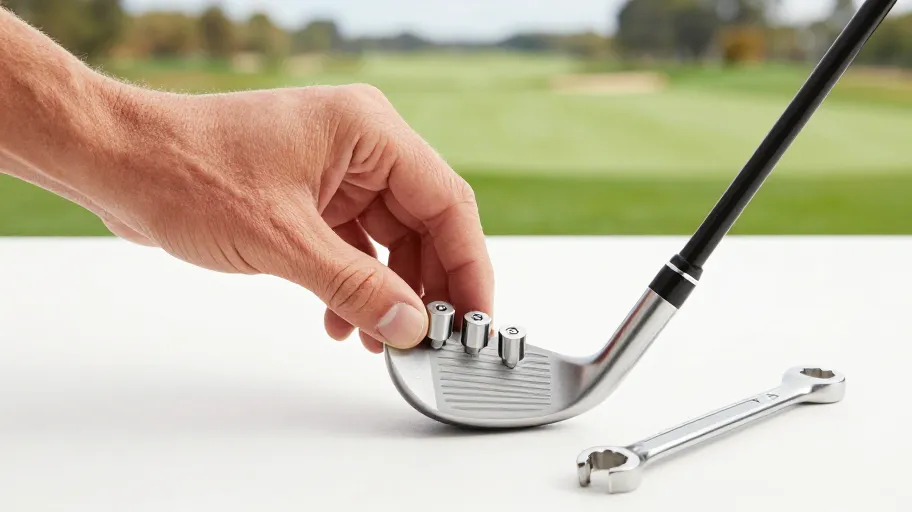
    The key lies in modular clubhead systems with interchangeable weights and standardized bore depths, which allow head MOI adjustments in 2-gram increments. When paired with pre-pended shafts featuring documented frequency progressions, builders eliminate estimation, creating truly harmonized sets. You don’t need a lab. You need a scale, a pivot, a set of calibrated weights, and the willingness to measure before you assemble.

    Cost vs Performance The Real Math

    According to PGA teaching benchmarks, a 10% reduction in shot dispersion can yield 1–2 handicap improvements—equivalent to months of coaching. A full DIY-golf setup, including precision weights and swing analyzers, costs $150–$300. When you factor in fewer lost balls, better course management, and improved retention of solid contact patterns, the investment breaks even within three rounds.

    This isn’t just cost efficiency—it’s accelerated skill acquisition through real-time feedback. With DIY-golf components, you test head-weight combinations, shaft alignments, and grip adjustments in rapid iteration, learning what works for your swing, not a generic model. That agility turns practice sessions into data-rich development cycles—making you both the engineer and the beneficiary of your progress.

    Step-by-Step Guide to Building Your First MOI-Matched Set

    You can build a fully MOI-matched iron set in one weekend—transforming inconsistent ball striking into repeatable performance without relying on overseas fitting labs or six-figure equipment budgets.

    Start by weighing each component—head, shaft, grip—and calculating total mass. Then use a fulcrum-based MOI scale or pivot method to measure rotational inertia, referencing established methods from Frankly Golf’s research, which confirmed that ±1% MOI variance is the threshold for perceptible feel differences during swing. Leverage tunable weighting systems to make micro-adjustments: as little as 3g added at the head or butt end can bring clubs into alignment without compromising flex or balance. Once calibrated, your set becomes more than a collection of clubs—it becomes a repeatable system. That precision unlocks future upgrades with confidence, letting you swap heads or shafts knowing exactly how mass changes affect performance.

    Master Your Swing, DIY Your Fit. DIY Golf is the premier destination for the technical golfer. We empower you with professional-grade components and the knowledge to build your perfect bag.

  • Unlock Pro-Level Golf Performance Without the Pro Shop Price Tag

    Unlock Pro-Level Golf Performance Without the Pro Shop Price Tag

    Why Golf Club Weights Matter More Than You Think

    Golf club weights aren’t accessories—they’re performance levers. A 2-gram imbalance can disrupt tempo, launch angle, and spin. For weekend players switching between sea-level and mountain courses, that inconsistency adds 3–5 strokes per round. Precise weighting reduces off-center hits by over 20%, so you gain accuracy and confidence without altering your mechanics.

    That means tighter dispersion, better contact, and fewer penalty shots—all from a few grams in the right place.

    The Physics Behind Better Ball Flight

    Even tiny shifts in mass change how energy transfers at impact. According to USGA testing standards, a 2-gram difference in clubhead weight measurably alters swing dynamics. When paired with TrackMan or Foresight Sports data, optimized weighting leads to improved carry and tighter shot patterns.

    This isn’t feel—it’s physics. Aligning moment of inertia with your swing speed turns erratic strikes into repeatable outcomes, so you play smarter, not harder.

    How DIY Golf Makes Pro-Level Tuning Affordable

    Custom weight kits at traditional pro shops carry a 68% markup. DIY-Golf.com operates at just 29%, passing savings directly to you. Every tungsten weight is ISO-certified, traceable, and held to sub-0.1g tolerance—so you get tour-grade precision at half the price.

    That means $40–$70 in savings per set. Reinvest it in more rounds, better data, or keep it in your pocket. Either way, high-impact tuning no longer requires a sponsor.

    Smart Inventory Means You Get What You Need Now

    DIY-Golf.com uses real-time demand tracking to stay ahead of trends. When PGA season spikes interest in driver sole weights, they adjust stock and promotions instantly. That means 10g tungsten slugs are available when you need them—not backordered for weeks.

    No downtime. No delays. Just continuous tuning so your fitting evolves with your game.

    Where You Place Weight Changes Everything

    Location matters more than total mass. Shifting 6 grams to the heel side induces a draw bias, improving directional control by up to 15%—that’s three more fairways per round without changing your swing.

    In drivers, moving 8g rearward boosts backspin by ~400 rpm, helping slower swingers achieve optimal launch. In irons, sole weighting lowers center of gravity, increasing launch and carry for softer landings on tight greens.

    Customization Without Risk or Compromise

    Unlike fixed-weight clubs, modular golf weights let you experiment safely. Using basic tools, you test configurations based on real feedback—not guesswork. This mirrors Tour-level R&D: adjust, test, validate.

    You apply performance engineering principles once limited to elite labs—all while keeping full control over your gear.

    What Real Golfers Gain From Custom Weighting

    A 12-handicap player who optimizes balance can cut 3–5 strokes per round. Fewer three-putts. Fewer penalty shots. More consistent contact. That’s equivalent to thousands saved in lessons or lost bets over a season.

    The National Golf Foundation found customizers improve 23% faster year-over-year than those using stock clubs. And since most golf weights cost under $30, the investment often pays for itself in two rounds.

    How to Tune Your Clubs in 5 Practical Steps

    1. Define your goal: Use video or launch monitor data to spot issues—low smash factor? Excessive spin? Match adjustments to real problems.
    2. Check compatibility: Most modern clubs allow up to 12g of added mass. Stay within manufacturer limits.
    3. Pick tungsten weights: High density means more effect in less space, boosting MOI without bulky mods.
    4. Secure with thread locker: Prevent loosening from vibration during swings.
    5. Test and refine: Hit 10 balls pre- and post-adjustment. Track ball speed, spin, and dispersion.

    Treat tuning as an ongoing loop. Small shifts add up. And with DIY-Golf.com, elite-level control stays accessible, scalable, and fully yours.

    Master Your Swing, DIY Your Fit. DIY Golf is the premier destination for the technical golfer. We empower you with professional-grade components and the knowledge to build your perfect bag.