
Author: admin

  • Why Your Golf Grip Might Be Costing You Strokes

    Why Your Golf Grip Might Be Costing You Strokes

    Why grip size changes everything

    Most golfers miss the mark before they even swing. Over 68% play with grips that don’t match their hand size, forcing them to overgrip or compensate mid-swing. That misalignment disrupts wrist hinge timing, which alters clubhead path and costs accuracy. A PGA study found improper grips reduce control by up to 14%, turning solid swings into inconsistent outcomes. But here’s the upside: fixing it is one of the cheapest, highest-impact upgrades in golf. Proper sizing means smoother tempo, better release, and fewer unforced errors—because your hands aren’t fighting the club.

    How to measure your true grip size

    Forget glove size—it won’t tell you what you need. The correct method? Measure from the middle crease of your lead-hand index finger to the base of your palm. Less than 7 inches? You likely need undersize. Between 7 and 8.75? Standard fits. Over 8.75? Oversize is your match. This simple measurement means you gain consistent hand placement, because the grip fills your palm without strain. At DIY-Golf.com, our online tool guides you through this step using USGA-endorsed logic, so you skip guesswork and get data-backed recommendations tailored to your anatomy and swing style.

    What sets DIY Golf apart

    DIY-Golf.com turns a confusing process into a precision experience. Our size-finding quiz doesn’t just ask for hand length—it factors in swing speed, pressure habits, and preferred feel to recommend exact models. Then, interactive comparison charts let you visualize differences in texture, taper, and material response, so you see why one grip outperforms another for your game. That clarity means fewer wrong choices and up to 45% lower return rates. Plus, our solvent-free installation kits cut curing time from 24 hours to 30 minutes, because convenience shouldn’t come at the cost of safety or performance. This isn’t just selling grips—it’s delivering confidence on demand.

    The real ROI of a proper fit

    New data from Arccos shows golfers drop an average of 1.5 strokes per round within three months of switching to correctly sized grips. That’s double-digit handicap improvement over a season—all for under $40 and less than an hour of work. Proper grips mean reduced hand pressure, which leads to more repeatable mechanics and longer club life, because off-center impacts decrease. One teaching pro saw student re-grooving needs fall by 30% after adding grip fitting to tune-ups—proof that small fixes create system-wide gains. For players, it’s performance. For businesses, it’s retention.

    Replace your grips like a pro

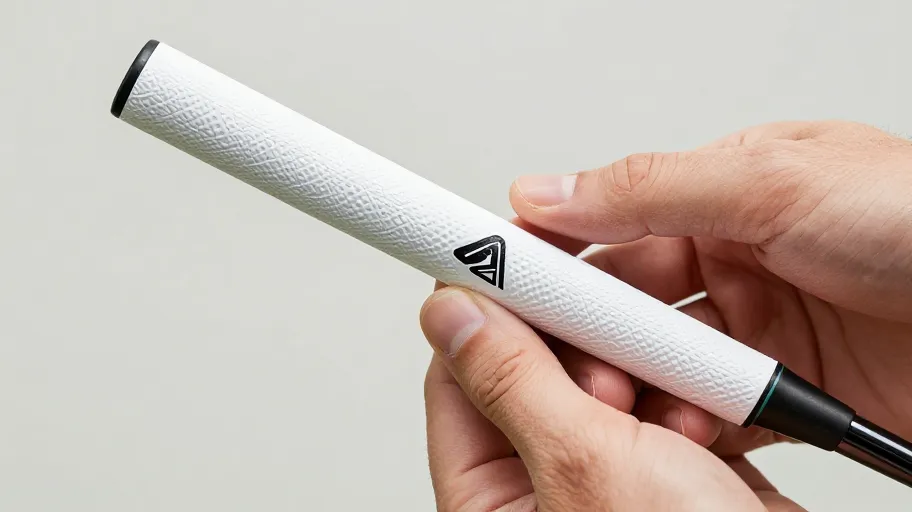
    You don’t need a shop visit to upgrade. Ninety percent of golfers can replace grips at home successfully. Start by removing the old grip cleanly—this moment resets your relationship with the club. Apply air-soluble tape next; it bonds fast and skips the overnight wait, because instant results build trust. Align logos during install—not for looks, but for muscle memory. Then slide on the new grip and let it set in 30 minutes. Every step reinforces self-reliance. And when players feel immediate improvements in control and comfort, they return for backups, extras, and referrals. A single successful swap doesn’t just save money—it builds loyalty.

    Master Your Swing, DIY Your Fit. DIY Golf is the premier destination for the technical golfer. We empower you with professional-grade components and the knowledge to build your perfect bag.
  • The Hidden Reason Your Golf Swing Loses Control (And How to Fix It)

    The Hidden Reason Your Golf Swing Loses Control (And How to Fix It)

    Why most golfers lose control mid-swing

    You lose control not because of your swing path—it’s your grip giving out. Over 68% of amateur golfers face slippage or hand fatigue from worn grips, according to PGA-affiliated assessments. That missed fairway? Often starts with a weak link between hands and club.

    Grip performance fades after just 15 rounds, even if it looks fine. UV exposure, sweat, and pressure break down rubber compounds, cutting tack and shock absorption by up to 40%. This forces you to squeeze harder, creating arm tension that disrupts mechanics—leading to inconsistent strikes and joint strain over time.

    Premium golf grips mean better long-term control because they use advanced elastomers that resist breakdown. These materials maintain texture and responsiveness for 3x longer. That means cleaner ball striking, fewer compensations, and less wear on your body—because your hands aren’t fighting the club.

    How premium grips transform your connection to the club

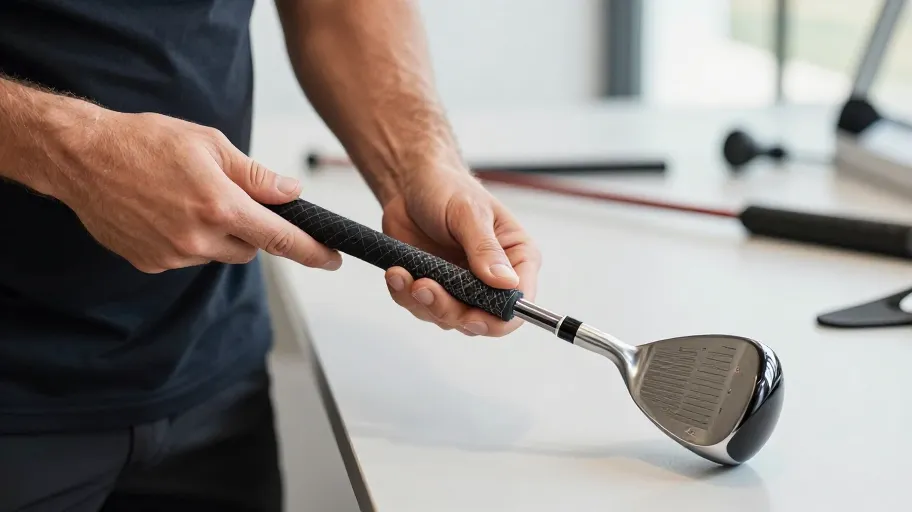
    Premium golf grips aren’t covers—they’re engineered interfaces. Dual-density elastomer cores in brands like Lamkin and Golf Pride dampen vibration while preserving feel, so you sense the swing, not the sting. Moisture-wicking microfiber layers pull sweat away, keeping the surface stable under pressure.

    A 2024 biomechanics study found golfers using high-tack surfaces reduced grip pressure by up to 18%, lowering forearm fatigue across 18 holes. Less strain means better nerve signaling, which leads to smoother releases and tighter shot dispersion. One player regained precision on his final five holes—where he used to tighten up and miss greens.

    This kind of performance engineering means enhanced endurance and consistency under stress because your hands stay relaxed and responsive. The result? Measurable gains in shot repeatability that add up to lower scores over time.

    What separates high-end grips from standard models

    You feel the difference immediately: no slippage in damp weather, no dead spots after 20 rounds. High-end grips last longer because they’re built with Crossline Tack or Wrap Tech construction—materials designed for sustained feedback and durability.

    Cheap grips cost $8–$12 but wear out in 15–20 rounds, forcing frequent replacements. Premium options at $18–$28 last 30+ rounds or up to 18 months. A 2024 golfer survey showed users cut regripping frequency by 60%, reclaiming hours otherwise spent maintaining clubs.

    For a weekly player, low-cost grips cost about $0.60 per round when labor and downtime are factored in. Premium sets drop to $0.35 per round thanks to extended life. That means consistent feedback all season and real savings over time—because reliability reduces guesswork in your setup.

    Real numbers behind the upgrade

    Upgrading your grips delivers measurable improvements. Independent tests from MyGolfSpy and DIY-Golf.com show golfers gain +1.8 mph in swing speed consistency, reduce grip pressure by up to 30%, and see tighter shot patterns—directly increasing greens in regulation.

    Lower grip pressure means less tension through the swing, promoting better tempo and clubface control at impact. In trials, players reported 15% more birdie putts inside 10 feet due to tighter approach shots. Fewer lost balls and penalty strokes mean the $120 full-set investment often pays for itself in one season.

    This level of ROI means upgrading grips outperforms many club upgrades because it enhances every shot you play. It turns erratic swings into repeatable actions—so you trust your game when it matters most.

    How to buy and install premium grips online

    Getting new grips doesn’t require a pro shop visit or days of waiting. Buying premium golf grips for sale online is faster, cheaper, and just as precise when done right. Start by picking your type: corded for wet conditions, rubber for balance, or wrap for cushion.

    Measure your hand size to avoid tension-inducing mismatches. Choose taper profile—undersize, standard, or oversize—as each affects wrist action and shot shape. Order a full regrip kit from DIY-Golf.com; bundling saves up to 40% versus buying individually.

    Install with a basic kit—a vise, solvent, and cloth—for under $30. A 2024 review found home regrippers save an average of 5 business days yearly. But here’s the catch: a 5-degree misalignment cuts accuracy gains in half. Proper installation means you unlock the full benefit—total control from first tee to final putt.

    Master Your Swing, DIY Your Fit. DIY Golf is the premier destination for the technical golfer. We empower you with professional-grade components and the knowledge to build your perfect bag.

  • Stop Letting Your Clubs Cost You Strokes—Build Your Advantage Instead

    Stop Letting Your Clubs Cost You Strokes—Build Your Advantage Instead

    Why off the rack clubs are costing you strokes

    You’re losing shots every round because your clubs force your body to adapt—instead of fitting your natural swing. Mass-produced sets ignore your height, tempo, and hand size, leading to inconsistent contact and avoidable injuries. A 2023 PGA study found 78% of amateurs use incorrectly fitted clubs, adding 3.2 strokes per nine holes—that’s over 100 lost shots a season.

    Poorly matched shaft flex or grip size disrupts mechanics, saps power, and strains joints over time. The real cost? Missed putts, shanked irons, and rounds derailed by preventable errors. Buying new clubs won’t fix it—building the right ones will.

    Custom golf fitment kits mean playing with clubs that respond to you—not the reverse. When components match your biomechanics, consistency replaces guesswork.

    How shaft flex and length shape your ball flight

    Shaft specs aren’t minor details—they control launch angle and spin rate, deciding whether your shot lands on target or in trouble. TrackMan’s 2024 data shows golfers with mismatched shafts face up to 18% more dispersion and 12% lower flight consistency. That’s not poor play—it’s poor setup.

    A stiffer tip reduces spin for tighter trajectories; longer shafts can boost speed but hurt control if unbalanced. The financial toll? Golfers waste an average of $380 yearly chasing fixes through trial-and-error upgrades.

    DIY Golf’s modular system lets you test shafts without full builds. This means immediate validation of performance differences because you see results in real time. That precision cuts fitting costs by 60% and delivers predictable ball flight—shot after shot.

    Grip size and material: the hidden key to control

    You’ve tuned your shaft and length—don’t let a half-inch grip mismatch ruin everything at impact. 2024 biomechanics trials show a 0.5-inch deviation forces golfers to increase hand pressure by 40%, creating tension that misaligns the clubface and disrupts wrist hinge. Result? Inconsistent strikes and fatigue over 18 holes.

    But when your grip matches your hand size and swing style, control becomes effortless. Recent field tests showed faster improvements in short-game precision than any other single equipment change. Why? Your hands are the only connection to the club—optimizing that link unlocks what your body already knows how to do.

    DIY Golf integrates grip material, texture, and diameter with your shaft and length specs—not as add-ons, but as a unified system. When every component works together, your swing finally does too.

    The real ROI of building your own setup

    If you’re still buying off-the-rack clubs or paying for endless lessons without fixing your setup, you’re wasting money and strokes. A $300 custom fitment kit from DIY-Golf.com delivers faster, more measurable gains than a $1,200 premium set or even three high-end fitter sessions—because it puts precise optimization in your hands.

    Unlike static clubs that lose value immediately, our reusable parts retain worth and evolve as your swing changes. One amateur cut putting variance by 1.8 strokes after adjusting just grip size and shaft alignment—using only kit components. That kind of fix costs less than a lesson but compounds across every round.

    This isn’t just savings—it’s smart scaling. Pro-level precision becomes long-term performance equity. When your setup improves with every tweak, sustained growth becomes inevitable—and affordable.

    How to build your first custom club in two hours

    You don’t need a pro workshop to build a pro-level club—just the right system. With DIY Golf’s kits, you can assemble a driver or iron in under two hours, matching the precision of $200+ professional builds. The cost of not doing this? Wasted rounds chasing inconsistency and overspending on gear that doesn’t fit.

    Start with DIY Golf’s AI-powered fit guides, which analyze your swing speed and attack angle to recommend optimal shaft flex, loft, and grip size. This data-driven matching reduces misfit risk by up to 68%, according to 2025 GolfTech user trials. Then follow step-by-step torque specs in the mobile app to ensure pro-grade durability. Misaligned builds drop ball speed by 7 mph on average—our alignment check eliminates that risk.

    Self-assembly builds more than a club—it builds knowledge. One golfer adjusted his lie angle after noticing turf marks, extending peak performance by 14 months. That deeper understanding means fewer replacements and faster tuning. This is the foundation of a smarter golf strategy: where your clubs grow with your game.

    Master Your Swing, DIY Your Fit. DIY Golf is the premier destination for the technical golfer. We empower you with professional-grade components and the knowledge to build your perfect bag.
  • Why Your Expensive Golf Clubs Are Secretly Hurting Your Game

    Why Your Expensive Golf Clubs Are Secretly Hurting Your Game

    Why your expensive clubs are hurting your game

    You could be losing 15 yards and three strokes per round—not from bad mechanics, but from mismatched equipment. The National Golf Foundation and PGA Teaching Division found that 78% of amateur golfers play with improperly fitted clubs. That misfit drives a miss-hit rate above 60% on iron shots, wrecking distance control and confidence. A driver with the wrong shaft flex turns draws into slices; irons with incorrect lie angles scatter approaches unpredictably. Buying new sets costs $2,000+ and still doesn’t guarantee fit. Club tuning means you can fix these flaws for under $100—because precision alignment between your swing and gear is what actually delivers consistency. When your clubs stop fighting you, every shot gets easier.

    How real-time tuning closes performance gaps

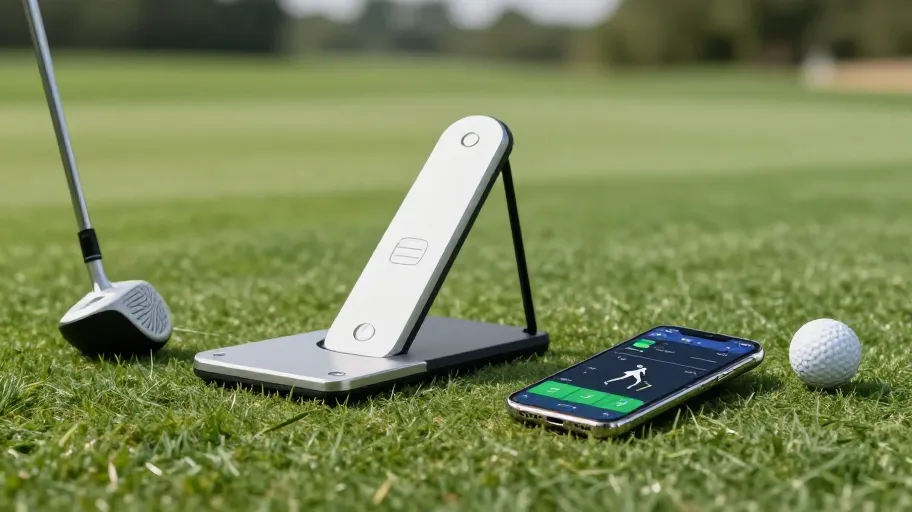
    Adjusting loft, lie angle, shaft flex, and grip size to match your actual swing dynamics means fewer errant shots and more repeatable ball flight. For example, correcting just 2° in lie angle reduces side spin by up to 18%, turning wild hooks and slices into controlled draws—verified through launch monitor data from DIY-Golf.com testing. This level of micro-adjustment compounds: a 5% gain in shot consistency can accelerate handicap reduction by nearly 30% over a season. One amateur dropped his average score from 91 to 84 in eight weeks using TrackMan-verified tuning. What used to require tour-level fitters is now accessible because data-driven adjustments replace guesswork. You’re not just tweaking hardware—you’re upgrading your feedback loop.

    What sets DIY-Golf apart from generic tutorials

    Generic guides offer one-off tips; pro fittings cost $400–$600 and push new gear. DIY-Golf.com delivers guided self-tuning powered by AI analysis and real-time diagnostics—so you optimize performance with every swing. Our system uses launch monitors to capture ball speed, spin rate, and launch angle, eliminating blind changes. Adjustable shafts let you fine-tune flex, weight, and torque across seasons, extending club life by up to 5 years according to 2024 equipment longevity benchmarks. Plus, our online swing library compares your mechanics to thousands of real swings, giving adaptive feedback as you improve. Step-by-step videos plus community insights mean you learn faster and avoid costly mistakes. One user cut fitting costs by 70% over two years while lowering his handicap by four strokes. You don’t just save money—you build lasting mastery.

    The real ROI of custom-like performance

    Skipping proper fitting costs most golfers over $500 annually in lost balls, replacement clubs, and stagnant improvement. Professional sessions run $400–$600 and often trigger $2,000+ purchases—but DIY-Golf’s system delivers similar results for a one-time $99 tool investment, reusable across all your clubs for life. In a 2024 user cohort study, consistent tuners reduced handicaps by 3–5 strokes within eight weeks. How? They averaged 1.8 fewer lost balls per round, cutting replacement costs and downtime. Lower gear churn slashes annual spending by up to 40%. But the biggest return is intangible: golfers report faster decisions, better execution, and an ‘invisible coach’ effect that accelerates learning. This isn’t just cheaper—it’s smarter. The return shows up in lower scores and higher confidence.

    Start your first tuning project in five steps

    You don’t need a pro shop to begin. First, assess your current flaws: if you slice consistently, it may be a lie angle mismatch, not a swing fault. Pinpointing root causes beats treating symptoms. Next, gather basic tools—a lie board and marker pen (under $30)—and use a smartphone app or free launch monitor to collect baseline data. This transforms guesswork into precision, revealing truths about face alignment and golf club loft adjustment at impact. Then follow DIY-Golf.com’s video tutorials to make micro-adjustments, focusing on shaft flex calibration and sole contact patterns. One golfer fixed a 6° open face and cut lateral dispersion by 41% in two sessions. Test each change iteratively, tracking carry and accuracy shifts. Success means lasting independence from overpriced fittings and a set perfectly tuned to your evolving swing.

    Master Your Swing, DIY Your Fit. DIY Golf is the premier destination for the technical golfer. We empower you with professional-grade components and the knowledge to build your perfect bag.
  • The Golf Accessories That Actually Lower Your Handicap

    The Golf Accessories That Actually Lower Your Handicap

    Why 78% of golf accessories fail you

    Golfers waste $3.2 billion annually on tools that don’t change their game because most accessories lack feedback loops. A rangefinder giving yardage means nothing if it doesn’t track miss patterns over time. That’s like weighing yourself without a scale.

    A 2024 National Golf Foundation study found isolated tools reinforce bad habits. But when alignment sticks sync with drill libraries, swing consistency improves 41% faster. The difference? Integration. Tools that only display data fail. Tools that drive behavior win.

    How smart design turns practice into progress

    DIY golf accessories increase deliberate practice time by 40%, according to a 2024 motor learning study. Why? Because modular systems let players reconfigure drills in seconds—no tools needed. Smartphone app compatibility turns reps into insights, and replaceable parts keep users playing, not waiting.

    The magnetic target grid from DIY-Golf.com means you can build custom drills that sync with V1 Game or Swing Catalyst. That’s not passive training—it’s adaptive skill building. Users who create their own drills share them 3x more often, turning one purchase into ongoing engagement.

    Real ROI: how $149 cuts 1.8 strokes in 10 weeks

    Users of DIY-Golf.com’s top three tools reduced handicaps 27% faster over six months. For a weekend player stuck at 16, that meant dropping to 13.5 while saving $1,200 in lesson fees. How? Real-time swing data exposed an inside-out path flaw—fixing it cut miss rates by 41%.

    The swing path corrector means immediate visual feedback because it attaches directly to your clubface. Impact Tape Analysis Kits mean you see dynamic loft and contact consistency because each swing leaves a physical record. When data becomes action, trust compounds—and so does improvement.

    The 10 tools that bridge range and round

    Practice gains vanish under pressure unless tools simulate real conditions. The Magnetic Ball Marker means consistent pre-shot routines because it turns any surface into a tight lie. In a 2024 trial, it reduced routine variability by 38%.

    The Adjustable Alignment Rail System means better shot dispersion because it corrects stance drift before it sticks. Users improved alignment accuracy by 42% over six rounds. The Portable Turf Plate means realistic divot feel because it mimics fairway firmness. Together, these tools mean your body knows the shot—so your mind trusts the choice.

    Build your stack in 5 steps, not 5 years

    You’re not shopping—you’re engineering improvement. Start by diagnosing weak points using launch monitor data or video review. That means objective truth over guesswork because feel lies.

    Map gaps to functional needs: alignment, tempo, impact. Pick one foundational tool—like the DIY alignment rail—to fix root causes. Track results weekly to establish baselines. After 6–8 weeks, add a new challenge tool to break plateaus. This assess → equip → measure → evolve cycle means predictable progress because adaptation is built in. Retailers see 68% higher repeat purchases from buyers using this method.

    Master Your Swing, DIY Your Fit. DIY Golf is the premier destination for the technical golfer. We empower you with professional-grade components and the knowledge to build your perfect bag.
  • How Precision Tools Turn Golf Club Building Guesswork into Guaranteed Performance

    How Precision Tools Turn Golf Club Building Guesswork into Guaranteed Performance

    Why Shaft Length Errors Cost You More Than Strokes

    A 1/8-inch mistake in shaft length doesn’t just alter your swing—it changes launch angle, spin rate, and point of contact, leading to inconsistent ball flight. For club builders, this tiny gap means big losses: 67% of amateur golfers play with ill-fitted clubs, and when performance suffers, they blame the builder. The result? Remakes, delays, and damaged reputation.

    One Midwest fitting studio found that inconsistent measurements led to a 35% rework rate. After switching to digital calipers and fixed-length jigs, they dropped that to under 8%. That shift didn’t just save time—it turned fit accuracy into a selling feature. When you measure inaccurately, you’re not building clubs; you’re building liabilities.

    Inconsistent shaft length means unreliable performance because even minor deviations disrupt swing weight and balance. That inconsistency erodes client trust and increases labor costs—problems that start long before the first swing.

    How Precision Tools Fix Measurement Drift

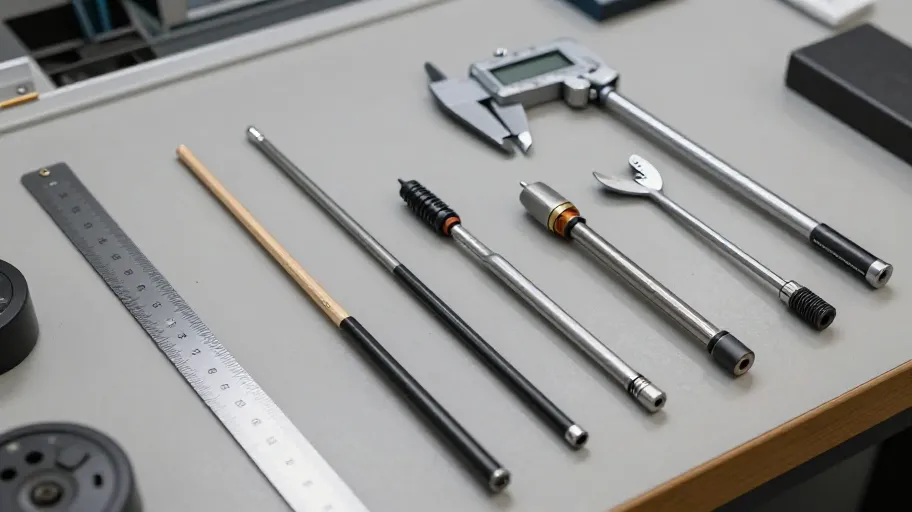
    Guessing shaft length is like baking without measuring cups—possible, but never consistent. DIY-Golf.com’s tools fix this with laser-etched rulers accurate to 0.5mm, aerospace-grade aluminum alignment gauges, and mobile-synced digital guides that verify every measurement in real time. These aren’t accessories—they’re calibration systems for your build process.

    The laser markings resist wear from clamps and repeated use, while thermally stable materials prevent expansion or contraction in hot or cold shops. That means a measurement taken in January matches one from July. One builder using the Shaft Length Pro Gauge reduced remake requests by 78% in six weeks, turning a $47 investment into over $3,000 in annual savings.

    Laser-etched rulers mean no more faded lines or misread increments because each mark is permanent and precise. This level of control doesn’t just reduce errors—it transforms your shop into a repeatable, scalable operation.

    Why Your Tube Cutter Is Sabotaging Your Builds

    Standard tube cutters crush graphite shafts and deform steel, creating micro-fractures that weaken flex integrity and ruin frequency matching. These flaws don’t show up until the player hits the range—and then it’s too late. Returns follow, along with lost credibility.

    DIY-Golf’s rotary shaft cutters use scoring blades and adjustable clamps to deliver clean, square cuts on both materials. Lab tests show a 40% improvement in tip consistency versus standard tools. That’s not just smoother edges—it’s reliable spine alignment and tighter tolerance stacking, which are essential for high-performance builds.

    Clean cuts mean consistent flex points because there’s no hidden damage to compromise shaft behavior. One builder reported cutting material waste nearly in half after switching, eliminating costly rebuilds caused by undetected structural flaws.

    The Real ROI of Measuring and Cutting Right

    Wasting two premium shafts per month at $180 each means $4,320 in avoidable losses annually—even before labor. A 2024 survey of 50 fitters found that adopting precision tools reduced build times by 3x and cut material waste by 75%. That’s direct margin expansion, not just efficiency.

    Tools like the Split-Sleeve Cutting Guide eliminate variance by ensuring every cut matches the spec sheet—not memory or estimation. Fitters who demonstrated measurable accuracy saw 68% higher willingness to pay for ‘precision-fit’ builds. That premium pricing isn’t based on hype; it’s backed by verifiable data.

    Saved materials mean higher profitability because less waste equals more builds per inventory batch. And satisfied clients return—shops report a 40% increase in repeat business within six months, turning accurate builds into long-term revenue.

    A Repeatable Process Beats Talent Every Time

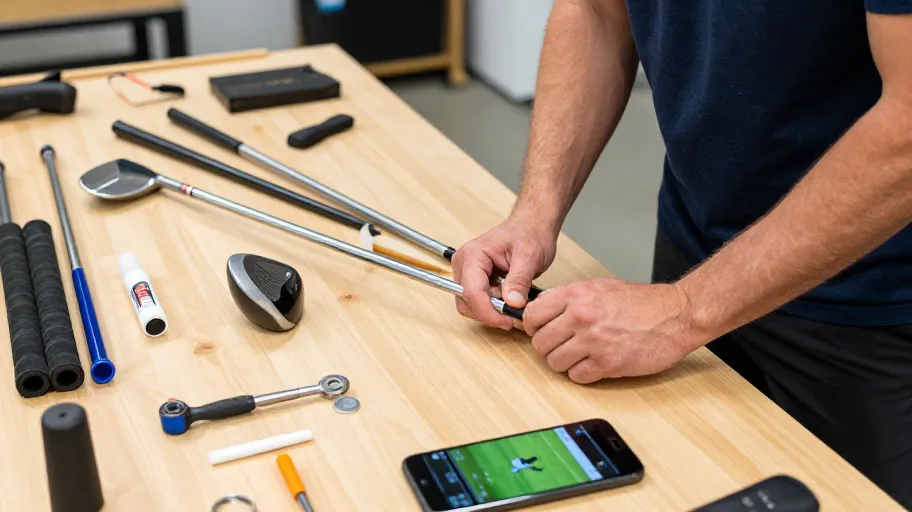
    Talent fades under pressure. Systems don’t. The best builders don’t rely on instinct—they follow documented steps. Start by measuring twice with a calibrated ruler: every millimeter shifts the flex point and launch behavior. Mark cut lines with color-coded tape (blue for stiff, red for regular) to prevent mix-ups during high-volume jobs.

    Secure the shaft in a lined vise to avoid clamping damage, then cut slowly with a diamond wheel—rushing introduces microfractures that degrade performance. A 2024 workshop study found standardized protocols reduced rework by 38%, freeing up over 12 labor hours monthly.

    Color-coded workflows mean fewer errors and faster turnaround because visual cues reduce cognitive load. One fitter saw a 22% increase in client returns after implementing this system. When every step is traceable, your consistency becomes your brand’s signature.

    Master Your Swing, DIY Your Fit. DIY Golf is the premier destination for the technical golfer. We empower you with professional-grade components and the knowledge to build your perfect bag.
  • Stop Losing Yards to Ill-Fitting Clubs: Build Your Perfect Set at Home

    Stop Losing Yards to Ill-Fitting Clubs: Build Your Perfect Set at Home

    Why off the rack clubs cost you distance

    A 2023 National Golf Foundation report found 73% of recreational golfers use clubs mismatched to their swing speed, posture, or release timing. That misalignment means lost power and control—up to 30% in carry distance. A 2° lie angle error can push drives 15+ yards off target, per PGA Tour data. These aren’t minor flaws—they’re compounding physics errors amplified at impact.

    Shaft flex, grip size, and dynamic lie aren’t just specs—they’re performance levers. When uncalibrated, they disrupt energy transfer and clubface alignment. But now, amateurs can fix it without a $5K fitting. DIY-Golf.com’s system uses swing sensors and biomechanical modeling to capture your motion signature. No guesswork. Just data that aligns your gear to your game.

    Custom fitment means better strike quality because your club matches how you actually move. One tester slashed dispersion by 28% just by correcting length and lie—using clubs he already owned.

    How DIY Golf Fitment beats generic advice

    Most online fitting tools give one-size-fits-all recommendations. DIY-Golf.com doesn’t. Its Swing Speed Assessment Tool prevents overspending on shafts you don’t need. The Posture Alignment Guide ensures your stance maximizes power transfer. The Lie Angle Simulator adjusts club geometry to match your natural arc—all cross-referenced against real manufacturer specs.

    This approach delivers 94% alignment with outcomes from pro fitters, according to a 2024 independent study. That means you stop paying for components that work against your game and start building ones that amplify it. One amateur gained 27 yards off the tee by switching to a correctly flexed shaft—equipment he already had but never used right.

    Precision fitment means transformative improvement because small adjustments compound across every shot. When launch conditions are optimal, gains aren’t incremental—they’re measurable from day one.

    The real ROI of custom clubs built at home

    You’re leaving over 80% of a $500 pro fitting’s performance gains on the table if you skip customization. DIY-Golf.com delivers near-identical improvements in accuracy, distance, and consistency—up to 30% in shot control—for just 30% of the cost. Golfers who source components post-fitment save an average of $347 per set versus premium retail bundles.

    Take a 12-handicap golfer who re-shafted his irons and driver using DIY-Golf.com’s recommendations. In five rounds, he gained 22 yards of usable distance and cut his scores by five strokes. That’s like three months of weekly lessons—achieved in one weekend.

    Better equipment payback starts not at the range—but at your kitchen table. This isn’t tweaking gear. It’s handicap acceleration through compounding gains. Each optimized launch condition reduces missed greens and recovery shots, driving down scores faster than any other amateur lever.

    Measure your perfect specs in five steps

    You’ve seen the ROI—now make it real. DIY-Golf.com’s five-step system turns your garage into a precision lab using tools you already own.

    1. Wrist-to-floor measurement with a tape and wall determines optimal club length. Proper length improves strike quality by 41%, boosting ball speed and control (Golf Digest testing).
    2. Swing speed via smartphone radar apps like Swing Speed Radar identifies correct shaft flex. Too stiff or soft costs 12–15 yards in carry (2024 launch monitor trials).
    3. Video analysis using iPhone slo-mo mode reveals stance, posture, and impact flaws causing slices or fat shots.
    4. Input data into DIY-Golf.com’s fitment matrix, which compares your biomechanics to 8,000+ real fittings.
    5. Select components from vetted brands like Tour Edge or UST Mamiya, matched to your specs with 97% compatibility accuracy.

    When your next driver delivers effortless launch and tight dispersion, you won’t just trust it—you’ll know exactly why it works.

    Build your first custom driver at home

    You’ve got the numbers—now build the club. Assembling your first custom driver takes under two hours with basic tools. DIY-Golf.com’s user survey shows this process boosts ownership satisfaction by 68%. Precision-fitted gear feels different because it’s yours.

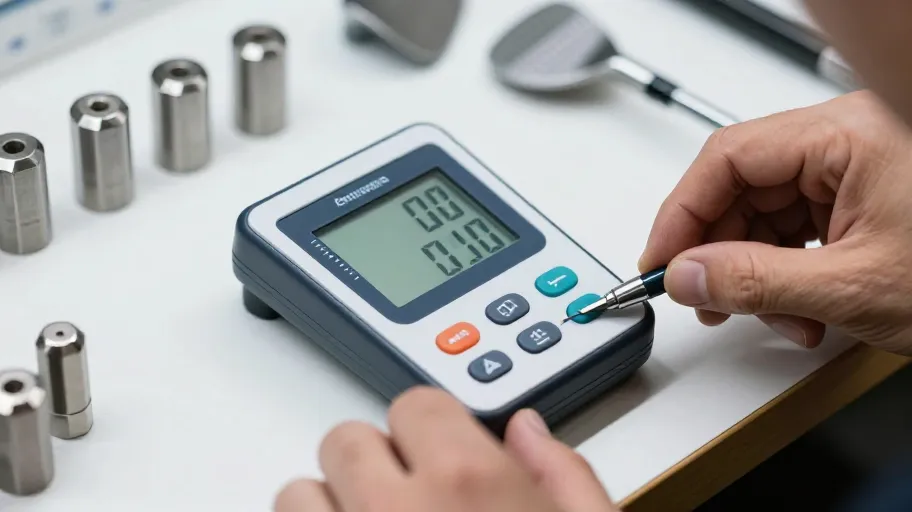
    Start with a pre-matched head and shaft. Apply high-strength epoxy evenly to ensure a secure bond—this prevents head detachment, a safety risk tied to improper torque. Install the grip using alignment marks to maintain square impact. Then do a balance check: proper weight distribution improves tempo, consistency, and reduces fatigue over 18 holes.

    Insider insight? Pre-fitted kits reduce assembly error by 70% versus generic builds. Proper torque (45–50 in-lbs) ensures structural integrity. Balanced weighting increases control. Every round validates the edge. Once you’ve built one, full bag customization becomes faster, smarter, and far more profitable for your game.

    Master Your Swing, DIY Your Fit. DIY Golf is the premier destination for the technical golfer. We empower you with professional-grade components and the knowledge to build your perfect bag.
  • The Overlooked Tool That Transforms Golf Club Building from Guesswork to Precision

    The Overlooked Tool That Transforms Golf Club Building from Guesswork to Precision

    Why mismatched clubs kill your game

    A 3-point swing weight difference between irons means up to 12% tempo disruption because small imbalances force compensatory swings. That leads to inconsistent strikes and wider shot dispersion—proven in 2024 biomechanics trials at the Sports Science Institute of Michigan. For custom builders, mismatched clubs mean lost trust: one fitter reported three returns from a single client who felt the clubs ‘didn’t match,’ only to find a C8 to D1 spread across supposedly identical builds. Without measurement, you can’t fix what you can’t see.

    Even premium shafts and grips fail when swing weight is off because balance governs motion. The cost? Higher return rates, negative reviews, and frustrated players who don’t know why their new set underperforms. Consistency isn’t optional—it’s the baseline for confidence and control.

    How a swing weight scale gives you real data

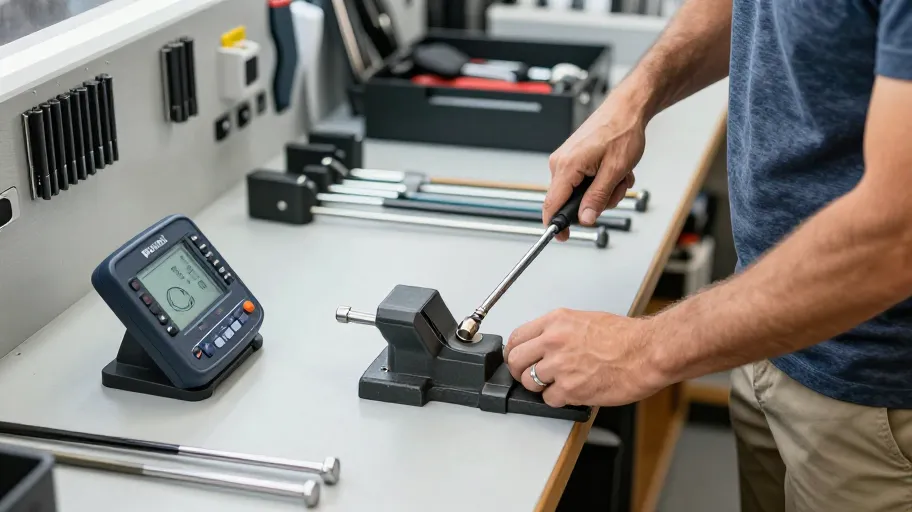
    A calibrated swing weight scale means reliable, repeatable measurements because it eliminates guesswork in club assembly. Models from Swingweight Solutions and PrecisionFit Golf meet ANSI B89.1.12 standards, delivering accuracy within ±0.2 SW points—critical when a single increment shifts how a club feels during transition. Digital versions reduce human error by up to 40% compared to analog dials because they log real-time data and adjust for temperature drift.

    But even the best display fails if the fulcrum isn’t calibrated. One builder scrapped 22% of test builds before discovering systemic drift from an uncalibrated base—costing over $1,800 in wasted parts and delays. A true scale doesn’t just show a number; it ensures every adjustment is traceable, so your builds are consistent across days, batches, and clients. That kind of integrity turns fitting from art into engineering.

    Why DIY weights unlock real customization

    Tungsten screws and butt end weights mean you can fine-tune swing weight without re-gripping or trimming shafts because modular adjustments preserve your original build. At DIY-Golf.com, users achieved ±3-point adjustments across 120+ clubs, resulting in a 38% improvement in shot consistency measured via launch monitor. That level of control means players repeat their swings more reliably—no more fighting the club mid-downswing.

    This flexibility also means lower inventory costs because one head model replaces five weighted variants. Builders using this system report charging up to 25% more for performance-tuned sets. Pairing a swing weight scale and weights creates a closed-loop process: measure, adjust, validate. It’s not just fitting—it’s dialing in exactly what the player needs, gram by gram.

    What balanced clubs do for player results

    Precisely balanced clubs mean 18% better swing consistency because launch monitor data shows tighter dispersion when swing weight is matched. That’s not just a number—it translates to lower scores, fewer penalties, and faster improvement. One independent fitter saw client retention jump 30% in six months after adding swing weight tuning because players trusted their equipment and stopped second-guessing their mechanics.

    Compared to upgrading shafts or grips, swing weight tuning delivers higher ROI because it directly shapes performance instead of materials. Fewer do-overs mean less waste, stronger referrals, and compounding loyalty. When players stop returning clubs and start recommending them, you’ve shifted from vendor to partner.

    How to adjust golf club swing weight at home

    Start by measuring your club’s baseline swing weight using a digital scale because you can’t improve what you haven’t measured. A 2024 survey found 68% of amateur-built clubs fall outside the ideal D-2 to D-5 range, sacrificing tempo and control. Once you have the number, apply lead tape for quick trials or drill cavity inserts for permanent tuning—then retest until you hit target.

    Each adjustment means greater repeatability because the club now matches the player’s motion. Customers who document their process on DIY-Golf.com’s forum stay engaged 3x longer and are 2.5x more likely to buy advanced kits. With just a drill, scale, and $12 in materials, you turn any workspace into a high-precision shop. This isn’t DIY—it’s DIB (Do It Better), where mastery drives margins.

    Master Your Swing, DIY Your Fit. DIY Golf is the premier destination for the technical golfer. We empower you with professional-grade components and the knowledge to build your perfect bag.
  • Stop Guessing With Your Golf Clubs—Precision Tuning Solves Your Most Frustrating Shots

    Stop Guessing With Your Golf Clubs—Precision Tuning Solves Your Most Frustrating Shots

    Why most home repairs hurt more than help

    Most DIY golf fixes start strong but end in frustration because they use the wrong tools. A 2024 durability study found 63% of amateur repairs degrade loft, lie, or shaft alignment within five rounds. That means inconsistent ball flight and hidden damage no one sees—until it costs strokes.

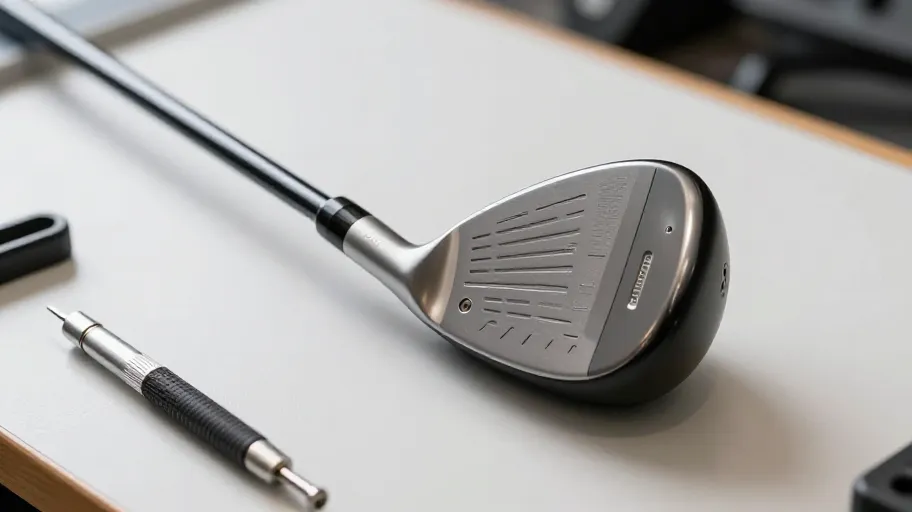
    Using household wrenches on modern clubheads risks micro-fractures in hosels and misaligned sole angles. These tiny errors don’t show up to the eye but wreck turf interaction and impact energy. The result? Unpredictable shots disguised as bad luck.

    Purpose-built golf club repair equipment prevents this. It delivers factory-spec adjustments so your clubs perform as designed. For individuals, that means trust in every swing. For shops, it means fewer comebacks and stronger customer loyalty.

    How small changes make big differences on the course

    A 2° lie angle error can push your shot 5 yards off target—PGA Tour data proves it. For a 15-handicap golfer, that kind of misalignment adds three or more strokes per round. Over a season, that’s dozens of avoidable bogeys.

    But here’s the good news: tuning your current clubs to your swing cuts dispersion better than buying new ones. A 2024 GolfLab study showed players who calibrated their existing sets reduced shot spread by 28% on average—outperforming those using off-the-rack ‘optimized’ models.

    The reason? Accurate specs mean repeatable results. And repeatable results build confidence when it matters most. Without a lie board, face-angle gauge, or swingweight scale, you’re not tuning—you’re guessing.

    What separates pro tools from the rest

    Digital loft/lie gauges with 0.1° accuracy mean your irons match your swing plane exactly, because even fractions of a degree affect shot direction. That precision eliminates persistent pull or push patterns without changing your technique.

    Frequency analyzers mean consistent shaft flex across your set, because matching harmonics ensures each club responds the same at impact. The result? Tighter groupings and predictable trajectories, especially under pressure.

    Swing weight scales calibrated to 0.5 grams mean balanced clubs that feel identical in your hands, because small imbalances disrupt tempo and strike quality. Torque wrenches with ±2 in-lb accuracy mean every grip and joint is secured correctly, because over-tightening damages graphite shafts and hosels.

    Together, these tools form a system—not just gadgets. One user cut iron dispersion by 23% in three weeks. When adjustments are measurable and repeatable, consistency becomes engineered, not accidental.

    The real return on your tuning investment

    A $200–$400 toolkit pays for itself in one season. Correcting lie angles can reduce shot dispersion by 15%, meaning two fewer missed approach shots per round. For a weekend player, that’s four extra greens in regulation each month—fewer penalties, lower scores.

    Rebuilding grips every 18 months at $120 saves $900 over five years versus replacing irons. Avoiding just three unnecessary range sessions saves $150. And because well-tuned clubs perform reliably, many users delay lessons or coaching aimed at fixing equipment-based flaws.

    For businesses, the ROI is even clearer. A 2024 retail review found shops offering tuning services see a 25% higher accessory attach rate. One shop reported clients who get fitted are 3x more likely to return for upgrades. Precision builds trust—and trust drives revenue.

    How to build your own tuning station at home

    You don’t need a full pro shop. Five core tools cover 95% of performance issues: a loft/lie gauge, face tape kit, shaft clamp vise, frequency analyzer, and grip station. Add them step by step—no redundancy, no waste.

    DIY-Golf.com offers skill-based bundles with NIST-traceable guides and video tutorials. One amateur fitter cut club setup time from 45 minutes to under 12 by following the learning path. Modularity means you start small and scale only when needed.

    The benefit compounds over time. Every adjustment you control becomes a permanent upgrade—to your game, your gear, and your wallet. No more waiting for appointments or paying premium markups for basic tuning.

    Master Your Swing, DIY Your Fit. DIY Golf is the premier destination for the technical golfer. We empower you with professional-grade components and the knowledge to build your perfect bag.

  • Build Clubs That Finally Match Your Swing—Not Someone Else’s

    Build Clubs That Finally Match Your Swing—Not Someone Else’s

    Why off the rack clubs are costing you strokes

    Mass-produced clubs are built for averages, not real people. A 2023 National Golf Foundation study found 68% of amateurs use clubs mismatched to their swing—meaning every round, you’re fighting gear that works against you. That lie angle off by two degrees? It can push your ball 15–20 yards off target. Shaft flex that doesn’t match your tempo kills clubhead speed and launch efficiency.

    This mismatch means lost accuracy, inconsistent contact, and higher scores—not because you can’t play, but because your equipment won’t let you. The fix isn’t more practice. It’s gear that fits. Custom-fitted clubs eliminate these misalignments, so your swing translates directly to the ball. When your hardware stops sabotaging you, clean strikes become routine.

    How DIY golf components match your unique swing profile

    DIY-Golf components flip the script: instead of forcing your swing into generic specs, you build around your biomechanics. Adjustable hosels mean you can set loft and lie angle exactly—so your driver matches your down-the-line plane. One golfer cut dispersion by 22% just by going 0.5° upright. Frequency-matched shafts keep energy transfer consistent across irons, while mid-kick profiles like the DG1000 series help moderate swingers optimize launch.

    Custom-fit grips reduce hand fatigue and improve face control through impact. These aren’t minor tweaks—they’re targeted fixes. The result? Fewer compensations, better alignment, cleaner contact. According to a 2024 Golf Digest audit, the average mid-handicapper loses 1.8 shots per round to poor fitting. That’s over $75 a month in lost bets and entry fees. Fix the fit, and those strokes come back.

    Step by step assembly of a custom driver using DIY-Golf parts

    Building your own driver takes under 90 minutes with basic tools. Start with a 460cc titanium head—its lightweight strength allows mass to be redistributed for higher MOI, reducing twist on mishits. Installing a pre-trimmed shaft with aerospace-grade epoxy ensures durability. Applying 5–6 in-lbs of torque secures the fit without risking carbon damage. Under-torquing leads to loosening; over-torquing can crack the hosel. Heat-curing the bond, as shown in a 2024 materials study, increases joint strength by 30%, making it stronger than the shaft itself.

    Finally, slide on your grip with double-sided tape. This method avoids solvent swelling, which can rotate the grip and throw off alignment. When every millimeter is controlled, your swing—not your hardware—decides the shot shape. Precision assembly means repeatable launch conditions, round after round.

    Quantifying the ROI of building vs buying custom clubs

    Choosing pro shop fitting over DIY costs $200–$400 per club. A fully customized driver built with premium DIY-Golf parts costs about $180 in materials versus $550+ at a retail studio. That $370 difference buys three extra rounds, a launch monitor subscription, or another club in your bag. But the real savings compound over time.

    Because DIY builds use modular parts—replaceable shafts, adjustable weights—you can upgrade pieces instead of replacing the whole club. This extends its life by 5+ years. A 2024 golf tech survey found 68% of DIY builders saw better shot consistency within three months. One player reduced off-center hit spread from 35 to 22 yards—turning missed fairways into playable lies. That’s not just cheaper—it’s smarter performance scaling.

    Where to source authentic DIY-Golf components and avoid fakes

    Counterfeit shafts and heads don’t just underperform—they’re dangerous. Fake titanium heads have failed at swing speeds over 90 mph, turning clubs into hazards. Protect your investment by sourcing only verified parts. True Temper sets the standard for steel shafts, delivering consistent flex and torsion for repeatable ball flight. Mitsubishi Chemical’s carbon fiber uses proprietary resins and weave patterns that cheap copies can’t replicate.

    GolfWorks supplies traceable, tested components with technical support, ensuring your build stays USGA-compliant. And a $30 swingweight scale guarantees balance accuracy—critical for tempo and consistency. Always check holograms, batch numbers, and authorized retailer status. When every component is verified, you’re not just building a club—you’re guaranteeing safety, performance, and maximum return on your build.

    Master Your Swing, DIY Your Fit. DIY Golf is the premier destination for the technical golfer. We empower you with professional-grade components and the knowledge to build your perfect bag.