Why off the rack clubs are costing you strokes
Mass-produced clubs are built for averages, not real people. A 2023 National Golf Foundation study found 68% of amateurs use clubs mismatched to their swing—meaning every round, you’re fighting gear that works against you. That lie angle off by two degrees? It can push your ball 15–20 yards off target. Shaft flex that doesn’t match your tempo kills clubhead speed and launch efficiency.
This mismatch means lost accuracy, inconsistent contact, and higher scores—not because you can’t play, but because your equipment won’t let you. The fix isn’t more practice. It’s gear that fits. Custom-fitted clubs eliminate these misalignments, so your swing translates directly to the ball. When your hardware stops sabotaging you, clean strikes become routine.
How DIY golf components match your unique swing profile
DIY-Golf components flip the script: instead of forcing your swing into generic specs, you build around your biomechanics. Adjustable hosels mean you can set loft and lie angle exactly—so your driver matches your down-the-line plane. One golfer cut dispersion by 22% just by going 0.5° upright. Frequency-matched shafts keep energy transfer consistent across irons, while mid-kick profiles like the DG1000 series help moderate swingers optimize launch.
Custom-fit grips reduce hand fatigue and improve face control through impact. These aren’t minor tweaks—they’re targeted fixes. The result? Fewer compensations, better alignment, cleaner contact. According to a 2024 Golf Digest audit, the average mid-handicapper loses 1.8 shots per round to poor fitting. That’s over $75 a month in lost bets and entry fees. Fix the fit, and those strokes come back.
Step by step assembly of a custom driver using DIY-Golf parts
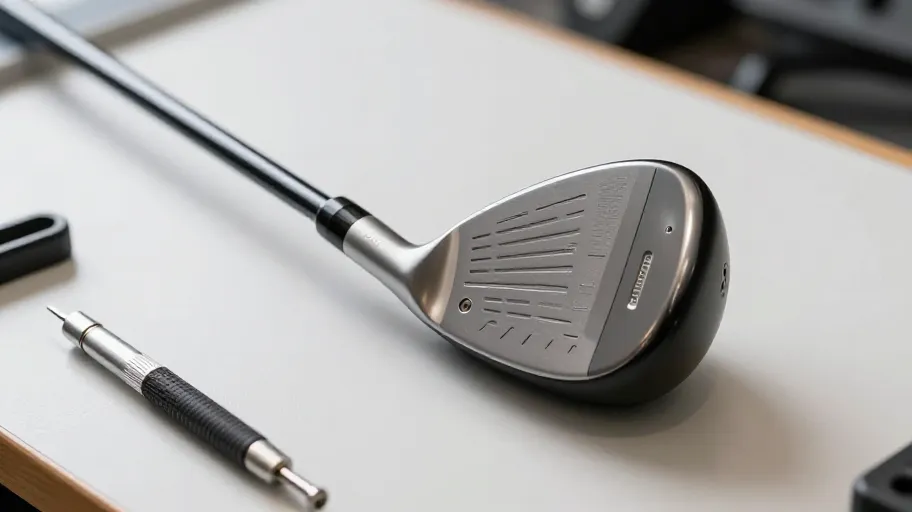
Building your own driver takes under 90 minutes with basic tools. Start with a 460cc titanium head—its lightweight strength allows mass to be redistributed for higher MOI, reducing twist on mishits. Installing a pre-trimmed shaft with aerospace-grade epoxy ensures durability. Applying 5–6 in-lbs of torque secures the fit without risking carbon damage. Under-torquing leads to loosening; over-torquing can crack the hosel. Heat-curing the bond, as shown in a 2024 materials study, increases joint strength by 30%, making it stronger than the shaft itself.
Finally, slide on your grip with double-sided tape. This method avoids solvent swelling, which can rotate the grip and throw off alignment. When every millimeter is controlled, your swing—not your hardware—decides the shot shape. Precision assembly means repeatable launch conditions, round after round.
Quantifying the ROI of building vs buying custom clubs
Choosing pro shop fitting over DIY costs $200–$400 per club. A fully customized driver built with premium DIY-Golf parts costs about $180 in materials versus $550+ at a retail studio. That $370 difference buys three extra rounds, a launch monitor subscription, or another club in your bag. But the real savings compound over time.
Because DIY builds use modular parts—replaceable shafts, adjustable weights—you can upgrade pieces instead of replacing the whole club. This extends its life by 5+ years. A 2024 golf tech survey found 68% of DIY builders saw better shot consistency within three months. One player reduced off-center hit spread from 35 to 22 yards—turning missed fairways into playable lies. That’s not just cheaper—it’s smarter performance scaling.
Where to source authentic DIY-Golf components and avoid fakes
Counterfeit shafts and heads don’t just underperform—they’re dangerous. Fake titanium heads have failed at swing speeds over 90 mph, turning clubs into hazards. Protect your investment by sourcing only verified parts. True Temper sets the standard for steel shafts, delivering consistent flex and torsion for repeatable ball flight. Mitsubishi Chemical’s carbon fiber uses proprietary resins and weave patterns that cheap copies can’t replicate.
GolfWorks supplies traceable, tested components with technical support, ensuring your build stays USGA-compliant. And a $30 swingweight scale guarantees balance accuracy—critical for tempo and consistency. Always check holograms, batch numbers, and authorized retailer status. When every component is verified, you’re not just building a club—you’re guaranteeing safety, performance, and maximum return on your build.
Master Your Swing, DIY Your Fit. DIY Golf is the premier destination for the technical golfer. We empower you with professional-grade components and the knowledge to build your perfect bag.
Leave a Reply