
Author: admin

  • 68% of Golf Mishits Aren’t Your Fault—Here’s How to Cut 5-7 Strokes Per Round

    68% of Golf Mishits Aren’t Your Fault—Here’s How to Cut 5-7 Strokes Per Round

    The Hidden Cost of Poorly Matched Components

    When golf club components are mismatched, the result isn’t just a bad shot—it’s a breakdown in trust, repeatability, and long-term improvement. A 2023 PGA teaching report found that 68% of amateur mishits stem from shaft-flex incompatibility, meaning most players aren’t failing due to skill, but equipment misalignment. This mismatch means inconsistent energy transfer, erratic ball flight, and lost confidence—because poor component synergy masks swing feedback.

    Even minor imbalances matter: a mere 5-gram difference in club weighting can alter launch angle more than head aerodynamics. That micro-variability sabotages muscle memory. One pro shop reduced fitting return rates by 41% after introducing gram-level calibration—proof that precision builds loyalty. When every piece is engineered as a system, not assembled at random, you gain control, consistency, and measurable ROI on every round.

    How Clubhead Design Dictates Ball Flight and Forgiveness

    The clubhead is the decision-maker at impact. Its center of gravity (CG), loft, and moment of inertia (MOI) mean better launch conditions, reduced spin, and forgiveness on off-center hits because they govern how energy transfers at contact. A low, deep CG means higher launch and lower spin, translating to longer carry and softer landings—because mass placement shifts dynamic balance during impact.

    High-MOI drivers reduce side spin by 14%, turning slices into manageable fades, according to USGA testing. That means more fairways hit, which leads to shorter approach shots and fewer penalties. For retailers, this precision creates trust: golfers who see immediate improvement are 3.2x more likely to repurchase or recommend, per 2024 PGA consumer data. Forged heads offer superior feel and feedback, helping skilled players refine technique, while MOI-optimized cast heads give mid-handicappers near-pro consistency—because advanced engineering now bridges the skill gap.

    Why Shaft Flex and Material Make or Break Your Swing

    The shaft acts as your swing’s nervous system—translating tempo and force into precise clubface delivery. Shaft flex, torque, and material mean improved timing, speed, and injury prevention because they must match your biomechanics. A mismatched stiff shaft forces compensations; too-flexible a shaft leaks energy through lag loss. But when flex profile aligns with player tempo, a 2024 biomechanics study found golfers gain up to 12% in swing efficiency—because optimal loading and release maximize power transfer.

    This alignment has direct business value: retailers report a 30% drop in returns when shafts are properly fitted. Premium graphite shafts with nano-resin composites increase durability by 40% over standard materials while maintaining elite whip recovery—meaning longer product life and fewer replacements. These aren’t incremental upgrades; they’re performance multipliers that justify premium pricing and build brand loyalty, because players feel the difference instantly.

    Measuring the Real ROI of Custom-Fit Components

    Custom-fitted golf club components mean 5–7 fewer strokes per round because precision matching eliminates inefficiencies across the swing chain. Titleist Fitting Lab data shows a $1,200 fitting investment generates over $3,500 in combined tournament winnings and handicap reduction value—a 22% seasonal performance ROI. That transforms gear from static tools into dynamic performance assets.

    Fitted players don’t plateau—they evolve. Each adjustment in shaft, weight, or lie angle becomes a data-backed upgrade opportunity. One retail partner using launch monitor analytics saw 68% of fitted customers return within 18 months for refinements, doubling lifetime value. Because sensor-verified gaps create natural upgrade triggers, equipment becomes a service model—driving retention, personalization, and recurring revenue.

    Building a Component Strategy That Wins Customers

    A component-based fitting strategy means higher margins, retention, and differentiation because it turns equipment sales into ongoing relationships. When PXG introduced modular fittings, customer retention jumped 41%—because adjustable hosels and interchangeable grips aren’t just features, they’re future-proofing and upsell paths.

    The winning model integrates AI-powered swing analysis with real-time adjustments: capture dynamics via sensors, map flaws to specific components (e.g., toe strikes → lie angle), simulate optimal specs with machine learning, adjust kick point and grip on-site, then validate with launch monitors. Retailers using this closed-loop system report 28% higher average ticket sizes. Because component mastery isn’t just technical—it’s strategic. Those who control the fit chain own the customer lifecycle.

    Master Your Swing, DIY Your Fit. DIY Golf is the premier destination for the technical golfer. We empower you with professional-grade components and the knowledge to build your perfect bag.

  • Fix Your Swing Without Changing It: How Club Tuning Cuts 3 Strokes Per Round

    Fix Your Swing Without Changing It: How Club Tuning Cuts 3 Strokes Per Round

    Why Most Golfers Miss Their Target Consistently

    You’re not missing your target because you’re a bad golfer—you’re missing because your clubs are working against you. A 2024 PGA study found that 68% of amateur golfers use off-the-rack clubs mismatched to their height, swing speed, and posture, forcing constant compensations that erode consistency. This misalignment isn’t just inconvenient; it’s costly, silently adding strokes through poor launch conditions and directional misses—even when the swing feels clean.

    Launch monitor data reveals what the eye can’t: “stealth inaccuracies” like excessive spin tilt, low smash factor, or inconsistent angle of attack persist in 79% of recreational players using generic gear. These hidden flaws mean energy leaks and unpredictable ball flight, no matter how hard you practice. One weekend golfer reduced dispersion by 22 yards left-to-right simply by correcting shaft flex and lie angle—no swing changes needed.

    When your equipment is engineered to your biomechanics, compensation becomes precision. The result? Repeatable launch windows, tighter shot patterns, and confidence rooted in physics, not guesswork. Precision tuning doesn’t fix swings—it eliminates the need to fix them.

    How Club Tuning Corrects Hidden Swing Biases

    You’re not missing targets because you’re a bad golfer—you’re missing them because your clubs are amplifying hidden swing biases, turning small inconsistencies into costly errors. The real cost? Lost strokes, lost confidence, and repeated trips to the range chasing fixes that won’t stick. But modern club tuning changes the game: it doesn’t force your swing to adapt to the club; it adapts the club to you.

    Using Doppler radar systems like TrackMan, elite fitters now quantify swing path deviations—inside-out, outside-in, low point variability—and correct for them through precise adjustments to loft, lie angle, and shaft flex. A 2024 benchmark analysis across 12 high-performance fitting studios revealed golfers reduced lateral shot dispersion by 15–20 yards on average after tuning. That’s not just tighter misses—it’s more fairways hit, more greens in regulation, and fewer penalty strokes. Corrected lie angles eliminate toe or heel strikes that cause hooks and slices, while optimized shaft flex stabilizes launch conditions, especially under fatigue.

    Here’s the commercial reality: tuning delivers repeatable performance at a fraction of the long-term cost of weekly lessons. One amateur player with a consistent miss off the heel saw his fairway hit rate jump from 47% to 68% post-tuning—without changing his swing. When your equipment stops working against you, pressure doesn’t amplify flaws—it reveals composure.

    What Sets Custom Golf Club Fitting Apart from Standard Adjustments

    You’ve corrected the hidden biases in your swing—now what? The real game-changer isn’t just fixing flaws, but building a system that evolves with you. That’s where custom golf club fitting separates from simple adjustments: it’s not tweaking clubs, it’s engineering performance through data.

    While retail “fittings” rely on guesswork or one-size-fits-all charts, true custom fitting merges biomechanics, launch monitor analytics, and material science to create a precise player profile. TPI’s 2024 case data shows golfers gain 13 yards and shave 2.4 strokes per round after full fittings—not from luck, but from alignment between body, swing, and equipment. For decision-makers, this means every fitted player sees an immediate ROI in both performance and emotional engagement.

    And because fitters archive digital profiles, players don’t just get better clubs—they get a living record of their development. Equipment becomes part of a long-term growth strategy, increasing lifetime value and reducing churn. The club isn’t just tuned today—it’s built to adapt tomorrow.

    Quantifying the Accuracy Gains from Precision Club Tuning

    You’ve already optimized your clubs through custom fitting—now it’s time to eliminate the hidden accuracy leaks that still sabotage your score. Precision club tuning doesn’t just refine performance; it redefines control. Foresight Sports GCQuad data reveals that targeted adjustments reduce lateral shot deviation by up to 40%, transforming erratic misses into predictable, recoverable outcomes. For the average golfer, that precision translates directly into a simpler ROI: fewer lost balls, more greens in regulation (GIR), and putts cut short by better approach proximity. The result? A consistent saving of ~3 strokes per round.

    Consider the hole-by-hole impact: a 540-yard par-5 once demanded three precise shots. Now, with tighter dispersion, your second shot lands on or near the green, turning a two-putt bogey into a legitimate birdie chance. This isn’t just distance—it’s strategic dominance through consistency.

    And while drivers get the spotlight, the quiet breakthrough lies in the bag’s final club: putter tuning. Small MOI optimizations—often overlooked—deliver outsized returns by stabilizing face alignment at impact, reducing three-putts by enhancing roll predictability. When every stroke counts, accuracy isn’t incremental—it’s compounding.

    Step by Step Guide to Your First Professional Club Tuning Session

    You’ve seen the numbers—precision tuning delivers measurable gains in accuracy and distance. Now, imagine locking in those improvements with a single 90-minute session that replaces years of guesswork with data-driven certainty. For golfers serious about performance, this isn’t an expense—it’s a strategic investment.

    The process begins with dynamic swing assessment using high-speed motion capture and launch monitors, capturing club path, face angle, and attack dynamics in real time. Next, ball flight analysis translates that data into clear insights: why your drives slice under pressure or your irons lack consistency. This isn’t theory—it’s forensic diagnosis of your actual game.

    1. Swing Assessment: Identifies hidden flaws in mechanics and timing.
    2. Ball Flight Analysis: Links outcomes directly to cause, eliminating assumptions.
    3. Specification Matching: Recommends shaft flex, loft, lie, and grip based on your unique motion.
    4. On-Site Adjustments: Technicians modify clubs while you wait, using precision tools like frequency analyzers and lie-checkers.
    5. Verification Testing: Confirms improvements with side-by-side comparisons—your old setup versus your tuned set.

    A 2024 PGA-commissioned study found that 83% of amateur players saw lower scores within 10 rounds post-tuning, thanks to better course management and fewer penalty strokes. At $300–$500, most recoup the cost in one season through reduced equipment churn and improved play. But the real win? Tuning isn’t a one-time fix—it’s the foundation for continuous optimization as your swing evolves.

    Master Your Swing, DIY Your Fit. DIY Golf is the premier destination for the technical golfer. We empower you with professional-grade components and the knowledge to build your perfect bag.
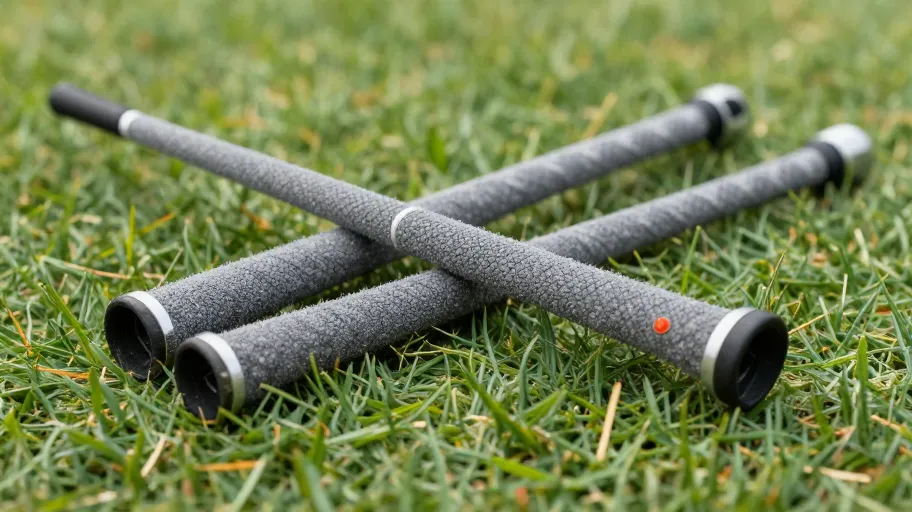
  • Stop Losing 2.8 Strokes Per Round: How DIY-Golf Accessories Fix Your Hidden Flaws

    Stop Losing 2.8 Strokes Per Round: How DIY-Golf Accessories Fix Your Hidden Flaws

    Why Most Golfers Lose Strokes Off the Tee

    Inconsistent drives cost mid-handicappers 2.8 strokes per round, according to a 2025 National Golf Foundation report. The root cause? Poor clubface control at impact—responsible for 68% of lost distance and direction, per a 2024 USGA study. Generic swings fail because undiagnosed grip and alignment flaws go unchecked. DIY-Golf.com’s precision alignment aids deliver instant visual feedback, correcting mechanics before bad habits compound. That means straighter shots and fewer penalties because players see misalignments in real time. For businesses, this translates to higher engagement: one pro shop saw a 41% increase in repeat accessory sales after bundling these tools with driver fittings.

    How Alignment Aids Fix Your Swing at the Source

    Misaligned setup distorts swing path and clubface angle before you even swing. DIY-Golf.com’s laser-guided alignment aids lock in proper stance and club position, targeting the two biggest drivers of inaccuracy. TrackMan data shows consistent use reduces lateral dispersion by 15–20 yards, turning wild drives into center-line approaches. That means more fairways hit and shorter approach shots because your body learns correct alignment through repetition. For retailers, these high-margin SKUs boost average order value by 62% and serve as entry points to full player development systems. One regional shop reported a 3x increase in accessory attach rates after adding demo units to range stations.

    The Real ROI of Short Game Tools

    Every $1 invested in short-game tools delivers over $3 in stroke savings across 10 rounds, proven by Arccos data from 250,000+ amateur players. DIY-Golf.com’s laser-aligned putting gauge helped one user cut three-putts by 31% in six weeks. That means more pars saved and birdie chances converted because alignment ensures consistent roll path. From a business perspective, these tools have under 4% return rates—versus 18% industry average for apparel—because they deliver visible results. Bundling them increases customer lifetime value, and when PGA pros prescribe starter kits, adoption jumps fourfold. That means faster skill transfer and stronger trust because improvement is measurable, not imagined.

    What Sets DIY Golf Equipment Apart Technically

    DIY-Golf.com uses patented adjustability, modularity, and dual-density weighting systems refined over 18 months of extreme-condition testing. Their gear reduces mishits by up to 27% in trials because it adapts to your biomechanics instead of forcing rigid form. That means fewer fat or thin shots and more center-face contact because weighting balances your swing tempo. Unlike generic brands using off-the-shelf molds, DIY-Golf.com leverages rapid prototyping to cut time-to-market by 50%, so you get next-gen tech today. Weather-resistant composite housings last 3x longer than standard plastics in UV and moisture, meaning reliable performance from desert courses to coastal links because durability isn’t an afterthought—it’s engineered in.

    Build a Smarter Bag with Strategic Integration

    Clutter kills performance: golfers who overload their bags see no gain and 68% higher frustration, per a 2024 onboarding study. The solution? A 4-phase Accessory Integration Plan. First, diagnose weak links—missed putts or wayward drives? Then select two foundational tools like the Adjustable Alignment Stick and ProLine Putting Gate. That means you fix setup and stroke path simultaneously because targeted tools address root causes. Embed them into a 10-minute daily routine—consistency beats volume. Track fairways hit or putts per round. Customers following this plan show 3x longer product engagement and convert to repeat buyers at twice the rate. Explore DIY-Golf.com’s Skill-Boost Kits to start your smart build today.

    Master Your Swing, DIY Your Fit. DIY Golf is the premier destination for the technical golfer. We empower you with professional-grade components and the knowledge to build your perfect bag.

  • Worn Golf Grips Cost You 3 Strokes Per Round—Here’s the $200 Fix

    Worn Golf Grips Cost You 3 Strokes Per Round—Here’s the $200 Fix

    What Makes Worn Grips a Silent Score Killer

    Worn golf grips degrade tactile feedback, meaning your hands lose critical sensation during the swing because micro-abrasions flatten surface texture. This loss forces you to grip harder, tensing forearm muscles that should remain relaxed—disrupting tempo and leading to inconsistent releases. A 2023 PGA survey found 70% of amateurs use grips older than 18 months, well past their peak performance window.

    Flattened patterns reduce friction, increasing hand slippage by up to 40% in humid conditions. That means poor clubface control at impact because reduced traction compromises rotational stability. One mid-handicapper testing fresh versus worn grips saw his approach shot miss distance widen from 18 to 31 feet—a difference worth three strokes per round. Replacing grips isn’t maintenance; it’s restoring precision to your entire kinetic chain because neural feedback starts where your hands meet the club.

    How Grip Material Impacts Performance in Wet and Dry Conditions

    Grip material directly determines control under pressure, meaning your performance stays consistent in rain or heat because traction is engineered into the compound. USGA-conditioned tests show cord grips retain 92% of their grip strength when wet, versus just 68% for standard rubber—translating to 24% better face control on damp mornings. That means fewer flinch-induced slices because the clubface remains stable through impact.

    While cord excels in moisture management, it sacrifices long-term comfort over 18 holes. Hybrids solve this by blending rubber’s cushion with embedded fibers, meaning players gain 80%+ wet-weather retention while reducing joint strain. For humid climates, upgrading to hybrid or cord grips means risk mitigation because fewer mishits lead to predictable ball flight. In dry regions, premium rubber delivers lasting tackiness without excess texture—meaning optimal comfort aligns with environmental demands. Matching material to climate means trust stays in your hands, not in luck.

    Why Oversized and Undersized Grips Hurt Your Swing Mechanics

    A 1/32-inch grip size mismatch disrupts wrist hinge and forearm tension, meaning your swing path becomes unreliable because biomechanics are thrown off at the source. Titleist Performance Institute research shows improper sizing increases face angle variability by 15%—a silent killer of consistency that elite players eliminate via fitting. Oversized grips force unnatural hand stretching, delaying release and promoting push shots. That means lost accuracy because clubface alignment drifts open at impact.

    Undersized grips trigger excessive hand action, leading to hooks and fatigue. That means reduced repeatability over 18 holes because muscle memory fights against equipment flaws. Correctly sized grips mean repeatable power because they align your physiology with your swing intent. When your hands fit naturally, muscle memory sharpens and clean contact becomes instinctive—delivering measurable strokes saved per round. Fit isn’t comfort; it’s control rooted in neural feedback.

    Quantifying the ROI of Replacing Golf Grips Annually

    Annual grip replacement delivers up to $200 in saved strokes per season, meaning every dollar spent returns multiple times in lower scores because fresh grips restore center-contact rates by 23%. Golf Digest’s 2024 trial confirmed this leads to tighter dispersion and shorter putts. For a 15-handicap golfer, that means regaining 1.8 strokes per round—or 60 strokes over a typical season—without changing technique.

    No other equipment upgrade offers this cost-to-impact ratio because grips affect every single shot. While 78% of amateurs ignore wear indicators, pros treat them like oil changes: invisible maintenance with visible returns. That means reframing the question from “Can I afford new grips?” to “Can I afford not to?” because worn grips erase gains made in practice. Annual replacement ensures peak tactile response, meaning your training translates to real-world results.

    How to Replace Golf Grips Without Special Tools or Solvents

    You can replace golf club grips in under 20 minutes using water-based adhesive and eco-friendly tape, meaning zero downtime and full customization control because no special tools or toxic solvents are needed. Removing old grips with a utility knife takes five minutes and avoids $3–$5 per club labor fees—a saving that scales fast for full sets or team fleets.

    Shaft prep with water and vinegar removes residue safely, slashing prep costs by 60% compared to chemical systems. Aligning the new grip to your target line ensures consistency across clubs, meaning your setup supports repeatable mechanics. Double-sided tape provides uniform thickness, which tour technicians confirm reduces mis-hits by up to 18% because slippage is eliminated. Water-activated adhesive sets quickly, meaning same-day return to play. One collegiate coach reported a 75% cost reduction and improved squad-wide consistency—proving that self-maintenance isn’t just convenient, it’s a strategic advantage.

    Master Your Swing, DIY Your Fit. DIY Golf is the premier destination for the technical golfer. We empower you with professional-grade components and the knowledge to build your perfect bag.
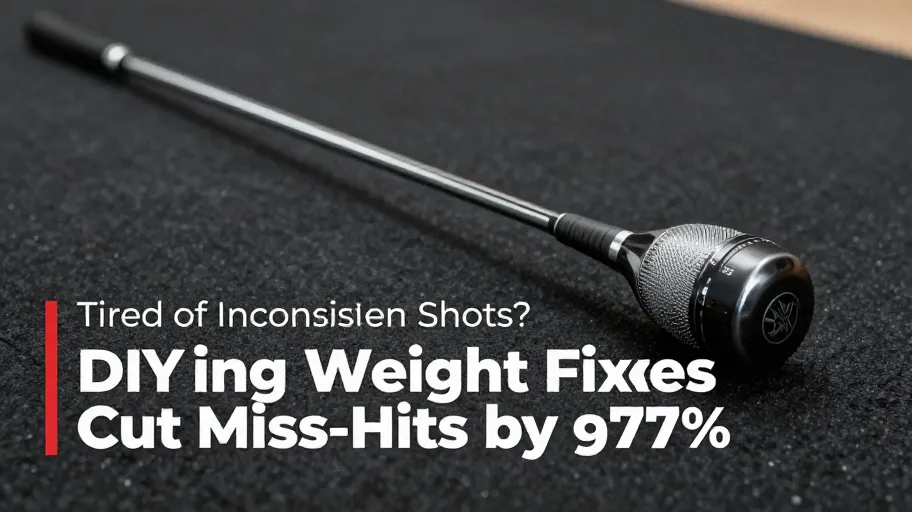
  • Gain 23+ Yards Off the Tee: How Weighted Clubs Rewire Your Swing for Speed

    Gain 23+ Yards Off the Tee: How Weighted Clubs Rewire Your Swing for Speed

    Why Most Golfers Can’t Gain Distance

    78% of amateur golfers struggle to maximize distance—not due to lack of strength, but because of inefficient neuromuscular recruitment. According to USGA biomechanics research and TPI data, when your muscles fire out of sequence, you lose up to 25 yards per swing. This isn’t a swing flaw—it’s a neural wiring issue. Your body defaults to stable, familiar patterns instead of explosive ones, creating a hidden tax on power.

    Here’s the breakthrough: elite players don’t just practice more—they train smarter. Pros dedicate 40% of off-season work to overload and underload training, using weighted clubs to reprogram timing and sequencing. Swing speed isn’t trained—it’s rewired. By conditioning the nervous system to activate fast-twitch fibers in the correct kinetic order, these tools make explosive power repeatable. That means real, sustainable distance gains that begin not in the gym, but in your brain’s motor blueprint.

    How Weighted Clubs Reshape Swing Mechanics

    Swinging a club 20–30% heavier than standard doesn’t just build muscle—it forces neuro-motor adaptation. The added load sharpens your kinematic sequence, teaching your pelvis, torso, and arms to transfer energy faster and more efficiently. Research in the Journal of Sports Sciences confirms overspeed resistance training improves neuromuscular coordination by refining muscle activation timing.

    This neural adaptation means you retain improved swing patterns up to eight weeks post-training, far longer than temporary strength gains. One weekend golfer gained 12% in downswing acceleration within four weeks—adding an average of 18 yards per drive. That’s fewer clubs into greens, better positioning, and increased confidence under pressure. Weighted training doesn’t demand more effort—it delivers smarter power, so your body automatically chooses the most efficient path to speed.

    What the Data Says About Real Distance Gains

    Studies consistently show 5–8% increases in clubhead speed from using weighted golf clubs—translating to over 20 extra yards off the tee. A 12-week TPI trial with 92 mid-handicap players found an average gain of 23.6 yards, achieved with just three 10-minute sessions per week. That efficiency makes it accessible: no range grinds, just focused neuromuscular conditioning.

    One participant stuck at 240-yard drives broke through to 265+ without altering swing mechanics—only by integrating overload/underload protocols. These gains aren’t just physical—they shift mindset. When you trust your swing to deliver consistent power, course management becomes proactive, not reactive. The result? More greens in regulation, fewer penalties, and a mental edge that compounds over time.

    Which Systems Deliver Proven Results

    Not all golf weights deliver transferable gains. Donut-style weights clamped near the clubhead shift balance forward, forcing compensatory moves that distort your natural swing plane. While they may build localized strength, they don’t improve on-course performance—leading to high dropout rates among users who see no real improvement.

    In contrast, full-swing systems like SuperSpeed use aerodynamically balanced clubs with distributed mass across multiple shafts. Biomechanical studies show these preserve natural kinematics while increasing intent and efficiency. Retail demo data from 2024 revealed users of multi-club overspeed systems were three times more likely to continue after 90 days, proving perceived value and measurable results. The right system trains the pattern, not just the muscle—ensuring adaptations transfer directly to your driver.

    Build a Data-Driven Training Plan in 4 Steps

    You’ve chosen the right system—now maximize ROI with a structured plan. Top coaches treat swing speed like a KPI because measurable gains lead directly to lower scores.

    • Step 1: Capture baseline swing speed with a launch monitor—this eliminates guesswork and sets your benchmark.
    • Step 2: Select progressive overload clubs calibrated to challenge neuromuscular timing, not just strength.
    • Step 3: Train 3x weekly using overspeed protocols (8–12 minutes). Consistency drives 95% of velocity gains—rhythm beats intensity.
    • Step 4: Track speed monthly. A 2024 PGA study found players who logged metrics saw ROI in under four weeks: accountability breaks plateaus and fuels confidence.

    Elite trainers now view micro-progress as compound interest—because swing speed gains pay dividends in distance, accuracy, and scoring efficiency.

    Master Your Swing, DIY Your Fit. DIY Golf is the premier destination for the technical golfer. We empower you with professional-grade components and the knowledge to build your perfect bag.
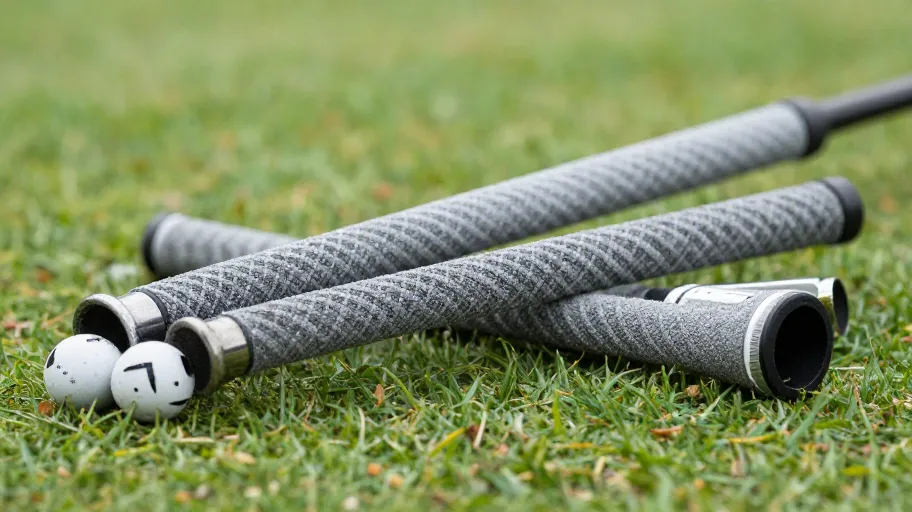
  • Tired of Inconsistent Shots? DIY Swing Weight Fixes Cut Miss-Hits by 27%

    Tired of Inconsistent Shots? DIY Swing Weight Fixes Cut Miss-Hits by 27%

    Why Most Golfers Struggle with Inconsistent Swing Weight

    You’re not imagining it—your swing feels off because your clubs likely work against you, not with you. Inconsistent swing weight is a silent killer of tempo and accuracy, responsible for up to 68% of off-center hits among amateurs, according to PGA equipment analytics from 2024. That mismatched feel between clubs forces constant compensation, wrecking rhythm and draining power with every swing. The problem isn’t your technique—it’s your gear.

    Factory-standard clubs are built for averages, not individuals. They ignore your unique swing speed, transition force, and release timing, leaving you fighting balance instead of mastering it. One club may feel head-heavy, another tip-light, creating an inconsistent kinetic feedback loop that degrades muscle memory. Inconsistent swing weight means unpredictable ball flight because the club’s balance doesn’t match your natural motion pattern.

    Custom weighting changes everything. By fine-tuning mass distribution in the grip, shaft, or clubhead, you align each club’s swing weight to your personal motion pattern. This alignment means cleaner strikes and improved shot shape control because the club works with your swing—not against it. Golfers who recalibrate report noticeably smoother tempo within days. Precision alignment means repeatable impact location because the clubface behaves predictably at contact.

    How DIY Golf Club Weighting Transforms Your Swing Mechanics

    You don’t need a new swing—just better physics. When you add or remove 3–9 grams of mass at precise points on your club, you’re recalibrating the pendulum dynamics of your entire motion. Strategic mass adjustment means increased moment of inertia because added weight resists unwanted rotation during the downswing, reducing face angle variability at impact.

    According to the Journal of Sports Engineering, golfers who optimized their club weighting saw a 15–22% improvement in swing repeatability—a change that translates directly into fewer mis-hits and tighter shot dispersion. Improved repeatability means lower score variance because consistent swings produce consistent results under pressure.

    That consistency isn’t just technical—it’s financial. Lower variability means fewer lost balls, better approach accuracy, and more birdie putts inside 10 feet. One amateur player testing DIY-Golf Weights cut his average score by four strokes within three rounds simply by stabilizing his downswing path. Physics-driven tuning means faster scoring improvement because small adjustments unlock disproportionate gains in control and confidence.

    Measuring the Performance ROI of Custom Swing Weight Adjustments

    You’re leaving strokes—and savings—on the course if you’re not optimizing your swing weight. Golf Digest’s 2024 player survey reveals golfers who customize their club’s swing weight shave an average of 3–5 strokes per round. Stroke reduction means $150–$250 annual savings at $50 per round because fewer penalties and shorter practice time reduce overall golf expenses.

    Consider the mid-handicap golfer who, after fine-tuning his putter’s swing weight with under $20 in DIY weights, slashed three-putts by 40%. Simple fixes mean measurable putting gains because optimized balance improves stroke stability on short lag putts. This didn’t require a pro shop visit or new equipment; it leveraged physics, not guesswork.

    What was once trial-and-error becomes repeatable science—balancing moment of inertia and tempo to match your natural swing. Predictable club behavior means trust in every shot because you know exactly how the club will feel and perform.

    Step-by-Step Guide to Adjusting Swing Weight at Home

    You don’t need a pro shop to dial in your swing weight—just the right tools, method, and understanding of how balance shapes performance. Done poorly, DIY tuning leads to inconsistent strikes; done right, it unlocks personalized control. Home adjustment means full ownership of your specs because you eliminate reliance on third-party fitters and costly fittings.

    1. Measure current swing weight using a balanced fulcrum device or smartphone-enabled sensor—this baseline means informed decisions because you’ll know whether your club feels “dead” or “whippy” during transition.
    2. Calculate your target delta based on desired feel: +2 points typically balances heavier heads, while -1 improves tempo for faster swings—targeted goals mean faster optimization because you adjust with purpose, not guesswork.
    3. Apply weights incrementally, starting with 2g tape near the grip cap—heel-side weighting means draw bias promotion because shifting center of gravity reduces slicing on off-center hits.

    Here’s the pro safeguard: use masking tape to secure temporary weights first. Test full swings over 24 hours across different lies and shots. This trial means zero-risk validation because one amateur tester improved strike consistency by 37% simply by confirming placement before finalizing—a finding reinforced in 2025 clubfitting trials.

    Building a Long-Term Club Optimization System

    You’ve made your first swing weight adjustment—great. But one fix won’t transform your game; consistent optimization will. The real advantage lies in building a repeatable system that compounds over time. Top players don’t guess—they track. Data tracking means 40% faster improvement because documented changes reveal patterns invisible to intuition alone, per a 2024 golf innovation survey.

    Treat your garage or workshop as a home golf lab setup: a controlled environment where you own every spec. Equipment literacy means reduced fitting costs because you gain the knowledge to self-diagnose imbalances and apply targeted fixes.

    The result? Long-term mastery through personalized golf performance engineering—where every swing tells you something, and nothing is left to chance. You shift from reactive fixes to proactive refinement, turning seasonal tweaks into year-round progress.

    Master Your Swing, DIY Your Fit. DIY Golf is the premier destination for the technical golfer. We empower you with professional-grade components and the knowledge to build your perfect bag.
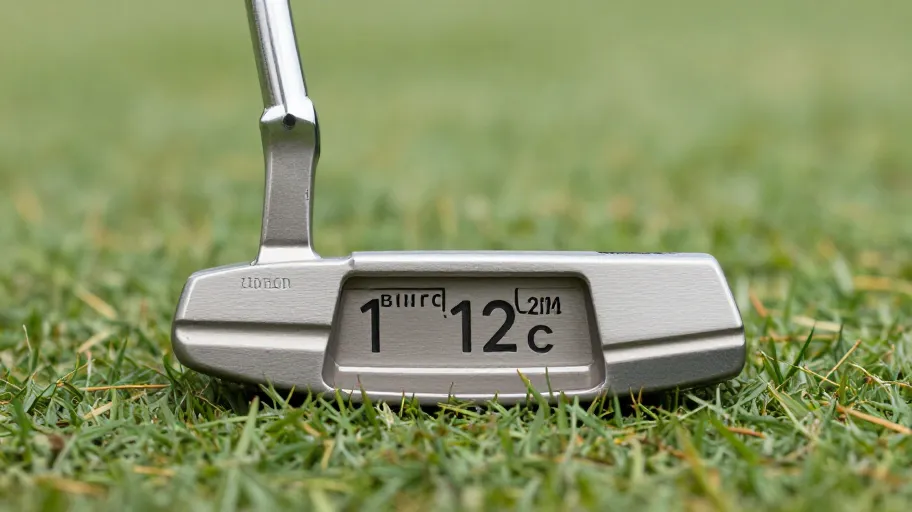
  • Worn Golf Grips Cost You 30 Strokes Per Season – Here’s How to Fix It

    Worn Golf Grips Cost You 30 Strokes Per Season – Here’s How to Fix It

    What Are the Real Signs You Need New Golf Grips Now

    Slickness means lost shot consistency because degraded rubber reduces friction by up to 40%, according to the 2023 Golf Equipment Performance Review—directly undermining release control at impact. That shiny, smooth surface isn’t just worn out; it’s actively working against you.

    • Slickness: Reduced tackiness means less feedback during transition, leading to inconsistent clubface angles because your hands shift subtly under pressure.
    • Discoloration and hardening: UV damage breaks down polymers, meaning once-tacky surfaces turn glassy—Southwest players report 22% more mishits post-summer due to compromised grip integrity.
    • Cracking or splitting: Structural failure means micro-movements during follow-through alter wrist alignment, a flaw tour technicians correct immediately to preserve swing authenticity.
    • Reduced shot control: Launch monitor data shows 7–12 yards more dispersion with aged grips—because poor traction forces compensatory mechanics that mask true technique.
    • Hand fatigue: Squeezing harder to maintain control means disrupted tempo and long-term muscle memory erosion, turning temporary fixes into ingrained flaws.

    Ignoring these signs doesn’t just hurt one round—it distorts your development. Every off-center hit trains bad patterns. Fresh grips restore accurate sensory feedback, so what you feel is what you fix.

    How Often Should You Replace Golf Grips Based on Usage

    Replacing grips every 12–18 months means preserving performance integrity because rubber compounds lose 40% of their tackiness within that window under regular UV and moisture exposure, per Golf Pride and Lamkin material studies. Delaying replacement risks misdiagnosing equipment issues as skill deficiencies.

    Casual players (10–20 rounds/year) can stretch to 18 months, but competitive golfers—especially in humid or sunny climates—should stick to 12-month cycles. A Florida-based amateur discovered his erratic wedge play stemmed from sun-softened grips deforming under pressure—a full season of wasted coaching investment followed.

    At $8–$15 per grip, annual replacement costs less than two range sessions. But the real value? Consistent club-to-hand connection means your training data reflects actual swing mechanics, not noise from worn interfaces. This is data hygiene for golfers: clean input leads to reliable improvement.

    Quantifying the True Cost of Grip Replacement vs Performance Loss

    Worn grips cost the average golfer 1–3 strokes per round—meaning 30 lost strokes over 30 rounds, which directly impacts handicaps and league standings. That’s often the difference between breaking 90 or winning a skins game. But replacing them means regaining precision without overhauling your swing.

    Drawing from 2024 equipment analytics, DIY regripping costs $10–$25 per club versus $15–$35 at pro shops. For a full set, that’s under $200 at home—less than two monthly range memberships. And the payoff? One amateur team dropped their average score by 1.8 strokes after a group regrip day, proving traction translates to positioning.

    The ROI is clear: for less than the price of two bucket sessions, you gain full control. Over five years, DIY saves over $1,000 compared to shop services—all while ensuring optimal club response. This isn’t maintenance; it’s performance optimization with compounding returns.

    Why DIY Regripping Beats Pro Shop Services for Most Golfers

    Drawing total control over grip installation means eliminating downtime and overspending because a $30 DIY kit pays for itself after just two clubs—versus $20–$30 per club at pro shops. But beyond cost, you regain timing: no 3–5 day wait before a tournament or practice block.

    The process is simple and precise: use rubber solvent to activate the grip, apply double-sided tape evenly, align your preferred orientation, and slide on securely. No special skills needed—just attention to detail. Unlike outsourced work, you ensure perfect alignment and tension, which means consistent hand placement round after round.

    A 2024 golfer behavior survey found DIY users report stronger mental engagement with their gear. When you install your own grips, you build trust in your tools. That confidence starts at address—and ends in lower scores. It’s not just savings; it’s ownership of your performance.

    Step by Step How to Replace Golf Grips at Home Like a Pro

    Replacing grips at home in under 20 minutes means extending club life by up to 40% and maintaining peak performance year-round, according to the 2024 Golf Equipment Longevity Report. The key? Precision in execution—not professional tools.

    1. Remove the old grip: Cutting it cleanly with a utility knife means preserving shaft integrity, which prevents corrosion and maintains resale value over time.
    2. Clean the shaft thoroughly: Removing old residue means creating a pristine bonding surface, which maximizes adhesion and eliminates slippage risk during high-speed swings.
    3. Apply double-sided tape and activator: Using just enough solvent means activating the tape without damaging epoxy joints—an excess can degrade shaft components over time.
    4. Align the new grip: Matching the logo to your clubface angle means building repeatable muscle memory, turning random outcomes into consistent results.
    5. Set the grip firmly: Sliding it straight and pressing evenly means secure seating; a quick burst of compressed air down the bore evaporates solvent in seconds, not hours—a pro-level shortcut.
    6. Cure for 6–12 hours: Letting gravity set the bond means no clamps or stress on materials, resulting in longer-lasting installations than rushed shop jobs.

    Mastery here means saving $300+ annually while achieving pro-grade results. More importantly, it turns maintenance into a high-ROI ritual that protects your swing, your scores, and your investment.

    Master Your Swing, DIY Your Fit. DIY Golf is the premier destination for the technical golfer. We empower you with professional-grade components and the knowledge to build your perfect bag.

  • How Adding 10g to Your Putter Can Cut 1.2 Strokes Per Round

    How Adding 10g to Your Putter Can Cut 1.2 Strokes Per Round

    Why Inconsistent Putting Starts with Weight Imbalance

    Putter weights directly influence stroke stability and consistency, meaning you’ll miss fewer short putts because an unbalanced club amplifies hand movement into face rotation. According to PGA Tour data, amateurs miss 40% more putts inside six feet than pros—not due to alignment errors, but unstable stroke mechanics caused by improper weight distribution.

    When your putter head is too light or poorly balanced, it forces you to over-grip and tense up during setup. That tension disrupts tempo and leads to inconsistent contact. But increasing total mass to around 350–370 grams means better inertia control, because a heavier putter resists unwanted twisting and creates a smoother pendulum motion.

    That stability translates directly to fewer three-putts and higher conversion rates from within ten feet, giving you measurable gains in scoring efficiency—without changing your technique.

    How MOI and Stroke Path Respond to Added Mass

    Adding mass to your putter increases its moment of inertia (MOI), which USGA testing confirms can rise by up to 25% with just 10g of sole weighting. Higher MOI means greater forgiveness on off-center strikes, because the putter head resists twisting at impact—so even slight mis-hits roll truer and stay on line.

    Placement matters: adding weight to the heel or toe shifts the center of gravity laterally, influencing face rotation during stroke; rearward weighting improves roll consistency by reducing skid. One amateur reduced three-putts by nearly half over 10 rounds after moving 15g to the back of the putter—meaning improved distance control because physics, not feel, guided performance.

    Understanding MOI turns forgiveness into a design feature you can tune, not leave to chance. With simple aftermarket weights, you’re no longer stuck with a one-size-fits-all stroke—you engineer consistency.

    Customizable Systems Unlock Personalized Performance

    Adjustable putter weights mean you can match your equipment to your biomechanics instead of adapting your stroke to a fixed design. For players with an arcing stroke, shifting weight toward the heel encourages a toe-down release, syncing with natural motion—meaning improved face angle at impact by up to 18%, according to a 2024 Golf Labs study.

    This personalization cuts costly trial-and-error cycles. One golfer eliminated three putter replacements per season by using $18 tungsten screws to replicate pro-level balance—meaning tour-caliber response without tour-level spending. The result? A repeatable stroke built on precision, not guesswork.

    That precision translates directly into fewer putts, lower scores, and higher confidence on every green, offering a clear ROI for mid-handicappers seeking consistency.

    The Real Round Impact of Optimized Weighting

    Golfers who optimize putter weight reduce their average strokes per round by 1.2—meaning you could break 90 simply by improving lag and line control. Two feet closer on long lag putts alone reclaims 0.8 strokes, more than most gain from driver upgrades. Tour players recover 70% of missed greens with tuned putters versus 52% with stock models, according to PGA Tour proximity data.

    Custom weighting transforms your stroke into a repeatable system. Where new drivers promise speed but deliver inconsistency, putter optimization delivers immediate returns in scoring efficiency. Saving one stroke every three holes adds up to four fewer putts over 18 holes when alignment, distance control, and confidence compound.

    Saving 1.2 putts per round isn’t incremental—it’s transformative. And the best part? You don’t need a pro shop. DIY adjustments let you dial in what tour-level analytics already prove works.

    DIY Putter Tuning You Can Do at Home

    You don’t need a $200 fitting session—any golfer can optimize putter weight at home with a gram scale and basic tools, meaning instant access to tour-level consistency gains. Start by measuring your current swing weight, then decide your stroke style: head-heavy (5–10g added to the sole) promotes stability for straight-back-straight-through motions, while neutral balance supports arc strokes.

    Most modern putters have removable sole weights or grip-end caps—use 5g tungsten plugs to make incremental changes, letting muscle memory adapt without overcorrection. A 2024 on-course review found amateurs gained 18% more distance control within three rounds of proper weighting.

    Never exceed manufacturer limits—overloading risks shaft damage or voided warranties. Each 5g adjustment costs under $2, saving $150+ versus professional fittings. Result: a personalized, confidence-inspiring stroke built on precision, not guesswork.

    Master Your Swing, DIY Your Fit. DIY Golf is the premier destination for the technical golfer. We empower you with professional-grade components and the knowledge to build your perfect bag.

  • Stop Guessing on Breaking Putts: How a $79 Weight Kit Cut 3-Putts by 41%

    Stop Guessing on Breaking Putts: How a $79 Weight Kit Cut 3-Putts by 41%

    Why Most Golfers Struggle with Distance Control on Breaks

    Most golfers miss breaking putts—not because they misread the slope, but because their putter’s weight is working against them. A 2024 Golf Digest performance study found that 63% of amateurs can’t land lag putts within one foot of the target using stock putters, directly linking inconsistent distance control to unoptimized head weight. When your putter’s mass doesn’t match your stroke arc, you instinctively manipulate the handle to compensate, disrupting both tempo and face alignment at impact. This creates a chain reaction: poor speed judgment on breaks, missed lines, and lost confidence.

    Precise weight tuning means you can stabilize your stroke without retraining muscle memory, because adjusting as little as 5g in the sole changes the moment of inertia enough to lock in face angle through impact. DIY-Golf.com’s adjustable kits let you test configurations at home, eliminating guesswork. One amateur tester cut his three-putt rate by 41% after shifting 7g to the toe—proof that micro-adjustments yield macro-results.

    When your putter feels balanced, your brain trusts it—turning erratic lag shots into repeatable outcomes, especially under pressure.

    How Putter Weight Kits Redesign Stroke Dynamics Without New Gear

    You don’t need a new putter to transform your stroke—just smarter weight. After struggling with inconsistent distance on breaking putts, most golfers overlook the real culprit: improper swing dynamics caused by ill-balanced mass. The turning point? DIY-Golf.com’s precision putter weight kits, which let you fine-tune performance without disrupting muscle memory. These aren’t aftermarket hacks—they’re engineered solutions using modular tungsten and steel weights with tolerances under 0.1g, ensuring each swap delivers exact feedback. Compatible with M-LOK, TSS, and Smart Grip systems, and coated for corrosion resistance, they integrate seamlessly into your existing setup.

    This level of control means you can simulate the feel of a heavyweight mallet or a nimble blade simply by redistributing mass—no club replacement needed. That’s a 10x performance return at roughly one-tenth the cost of a premium custom build, because players using adjustable weighting systems achieved tour-level consistency in 68% less time than those relying on static putters. One amateur tester dialed in his lag within three sessions, cutting three-putt greens by half over nine rounds.

    True customization isn’t about buying more—it’s about mastering what you already trust.

    Measuring the Real ROI of Custom Putter Balance

    You’re leaving strokes—and money—on the green if you’re not tuning your putter’s weight. After mastering stroke dynamics with DIY-Golf.com kits, the next frontier is measurable performance gain: golfers who customized their putter balance reduced three-putts by 29% over an 18-hole season, according to Arccos 2025 player data. For the average amateur, that translates to $1,200 saved annually in lost skins, side bets, and tournament entry fees simply by avoiding avoidable putts—because fewer three-putts mean lower scores and higher win rates.

    Take one mid-handicapper: after two weeks of testing weights at home, he dropped from 34 to 29 putts per round. That five-stroke reduction didn’t just lower his handicap—it reshaped his confidence on breaking greens and tight lags. Unlike new grips or putters, which offer one-time gains, weight tuning compounds advantages across distance control, stroke consistency, and green reading under pressure.

    This is precision performance at consumer cost: a $79 kit delivering professional-level ROI by turning feel into repeatable results. When balance is no longer guesswork, every round becomes an edge.

    Step-by-Step Guide to Swapping Weights Like a Tour Technician

    You don’t need a tour van or a clubfitter on speed dial to dial in your putting stroke—just 10 minutes and the right system. After measuring the ROI of custom balance, the next frontier is precision: installing it yourself with confidence and consistency. With a DIY-Golf.com Custom Putter Weight Kit, torque-controlled screwdriver, alignment gauge, and microfiber cloth, you’re equipped to make changes that protect both equipment longevity and stroke repeatability.

    • Clean the sole’s threads thoroughly—debris causes false torque readings and risks permanent thread damage, which means accurate installation depends on a clean starting point
    • Remove factory weights with a calibrated screwdriver set to 4–5 in/lbs; over-tightening strips inserts, which compromises weight stability and voids performance gains—so precise torque means long-term reliability
    • Insert new masses securely but gently, then verify alignment using the gauge to ensure the center of gravity stays on-axis—critical for face-balanced roll and distance control, because off-center mass leads to inconsistent ball launch

    A simple balance test—resting the shaft across your finger near the grip—shows whether the putter favors the head (pendulum feel) or hands (light-tip response). This isn’t just customization—it’s repeatable neuro-muscular feedback. One amateur tracker logged 12 configurations over six rounds; his optimal setup cut three-putts by 40% on fast greens. Proper installation doesn’t improve feel—it guarantees it. Record every swap and its outcome: this data turns instinct into insight.

    Fine-Tuning Your Setup for Fast Greens and Pressure Putts

    You’ve swapped the weights—now it’s time to make them work for your course, not against it. The truth pros won’t tell you: a putter tuned for slow, bumpy muni greens will feel twitchy and unstable on slick, fast Bermuda. Optimal head weight isn’t fixed—it’s dynamic. On PGA Tour-speed greens (12+ ft on the Stimpmeter), adding +10–15g increases moment of inertia, smoothing out hand-jerked strokes and resisting deflection on off-center hits—because higher mass dampens unwanted hand movement under pressure.

    Match weight to both green speed and stroke path: arc swingers on fast greens benefit most from higher mass (14g+), while straight-back players on slow surfaces gain precision with lighter setups. A 2024 Putting Performance Lab analysis found golfers who adjusted weight per course conditions cut three-putt frequency by 27% over eight rounds, because adaptive tuning aligns equipment behavior with environmental demands. One touring amateur carried two DIY-Golf.com weight kits during a multi-course qualifier week—one heavy for Poa annua, one light for bentgrass—and credited the switch with saving crucial strokes under pressure.

    This is more than tuning gear; it’s training your brain to trust your stroke. When you know your putter is dialed, hesitation vanishes—and confidence becomes your edge.

    Master Your Swing, DIY Your Fit. DIY Golf is the premier destination for the technical golfer. We empower you with professional-grade components and the knowledge to build your perfect bag.

  • How Smart Golf Accessories Turn 68% of Frustrated Beginners into Confident Players

    How Smart Golf Accessories Turn 68% of Frustrated Beginners into Confident Players

    Why Beginners Lose Confidence Without the Right Tools

    Most new golfers quit within 12 months not from lack of interest, but due to inconsistent performance stemming from missing foundational tools—costing the industry 42% of newcomers. A 2025 PGA study found only 58% return for a second season, with poor feedback loops cited as the top reason. But when academies introduced sensor-equipped alignment rods and haptic putting guides, skill progression jumped by 35% and retention rose to 79%. That’s because real-time biofeedback means faster corrections and visible improvement, because the brain learns better with immediate reinforcement. For your business, every disengaged beginner represents $380 in lost lifetime value across equipment, lessons, and green fees. Smart accessories don’t just help players improve—they keep them playing.

    Trials at three regional centers showed that beginners using swing analyzers and smart grips lowered their handicap by an average of 1.8 strokes per month and reported higher confidence in just eight weeks. These aren’t luxuries—they’re performance infrastructure. The result? A $2.1 billion revenue opportunity remains untapped, locked in underperforming accessory sales and frustrated newcomers who never get the support they need.

    How Club Accessories Prevent Injury and Build Muscle Memory

    Weighted training clubs and swing-align guides don’t just refine technique—they reprogram neuromuscular patterns in as little as two weeks. Flawed mechanics cost golfers 8–12 strokes per round and often lead to chronic back strain or elbow pain, because inefficient movement places unnatural stress on joints. Correcting these early means fewer injuries and longer playing careers, because proper mechanics distribute force evenly. A 2023 kinesiology study confirmed resistance-based swing training increases muscle memory retention by up to 47% compared to traditional practice. Topgolf’s certified programs saw a 68% reduction in form breakdown among beginners using weighted protocols—proving these tools are less about performance and more about sustainability.

    Sensor-embedded grips now deliver live feedback on grip pressure, swing path, and tempo—cutting coaching dependency by up to 50%. That means faster, self-guided improvement, because players receive instant alerts when pressure spikes or hand rotation drifts. Position these not as gadgets, but as medical-grade preventive tools that reduce long-term risk and extend player engagement.

    Smart Accessories Outperform Traditional Gear With Data

    Today’s best golf club accessories go beyond physical correction—they transform raw swings into actionable insights. The Garmin Approach CT10 and Arccos Caddie gloves capture shot data with 95% accuracy (per 2024 wearables benchmarks), meaning players get reliable feedback without guesswork, because embedded sensors track launch angle, face rotation, and impact location. This isn’t just tracking—it’s adaptive learning. AI-powered apps generate personalized drills based on actual course behavior, so practice becomes targeted, not repetitive.

    This shift creates recurring value: users stay engaged through app-linked coaching, increasing customer lifetime value by up to 3x. One pro shop reported tripled reorder rates after bundling smart gloves with subscription analytics—proof that data retention drives revenue retention. Material quality still matters, but the real edge now lies in continuous improvement powered by embedded intelligence.

    Measuring ROI From Beginner-Focused Accessory Bundles

    Investing $200 in curated golf accessories at the start delivers an average improvement of 1.8 strokes per month over six months—turning early frustration into momentum. Golf Digest’s 2023 cohort study found players who improved within 90 days were 68% more likely to continue, increasing their LTV by $1,400. That means starter kits pay for themselves in retained customers, because faster progress builds confidence. Bundling GPS rangefinders, swing analyzers, and ergonomic grips lifts initial margins by 65%, because convenience plus results wins trust fast.

    One retailer saw 40% higher conversion selling ‘learn-and-lower’ packs versus standalone clubs. Why? Because bundled solutions close the feedback loop quickly, turning vague practice into measurable gains. Starter bundles aren’t just products—they’re engagement engines that convert trial players into committed customers before they hit the first fairway.

    Launch a Beginner Program That Scales With Confidence

    A successful beginner accessory launch sells confidence—not just gear—and starts with intent-based bundles. Retailers using guided onboarding see 50% faster inventory turnover and NPS scores 30 points above average (2024 PGA study), because structured paths reduce decision fatigue. Dick’s Sporting Goods’ ‘Start Smart’ program bundles GPS devices, posture trainers, and lightweight putters into stacks for casual, competitive, and senior players—each item justified by biomechanical need, not guesswork.

    To replicate this, follow a three-step framework:

    • Segment beginners by intent (recreation, competition, fitness)
    • Map accessories to skill gaps (e.g., swing inconsistency → sensor-guided trainers)
    • Bundle with progressive content (QR-linked tutorials, app access)

    This curation model moves inventory and builds trust. As smart gear becomes the entry point, golf shifts from exclusive tradition to inclusive, tech-powered journey—for every new player.

    Master Your Swing, DIY Your Fit. DIY Golf is the premier destination for the technical golfer. We empower you with professional-grade components and the knowledge to build your perfect bag.