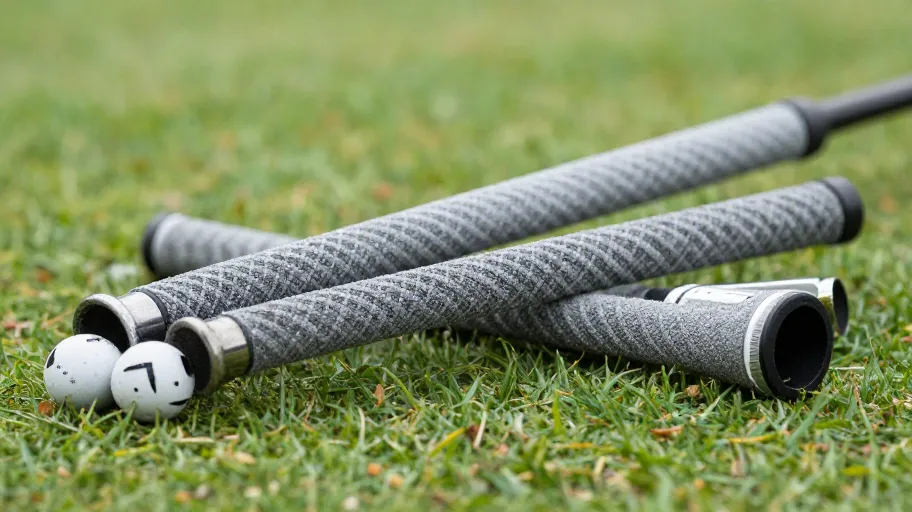
What Are the Real Signs You Need New Golf Grips Now
Slickness means lost shot consistency because degraded rubber reduces friction by up to 40%, according to the 2023 Golf Equipment Performance Review—directly undermining release control at impact. That shiny, smooth surface isn’t just worn out; it’s actively working against you.
- Slickness: Reduced tackiness means less feedback during transition, leading to inconsistent clubface angles because your hands shift subtly under pressure.
- Discoloration and hardening: UV damage breaks down polymers, meaning once-tacky surfaces turn glassy—Southwest players report 22% more mishits post-summer due to compromised grip integrity.
- Cracking or splitting: Structural failure means micro-movements during follow-through alter wrist alignment, a flaw tour technicians correct immediately to preserve swing authenticity.
- Reduced shot control: Launch monitor data shows 7–12 yards more dispersion with aged grips—because poor traction forces compensatory mechanics that mask true technique.
- Hand fatigue: Squeezing harder to maintain control means disrupted tempo and long-term muscle memory erosion, turning temporary fixes into ingrained flaws.
Ignoring these signs doesn’t just hurt one round—it distorts your development. Every off-center hit trains bad patterns. Fresh grips restore accurate sensory feedback, so what you feel is what you fix.
How Often Should You Replace Golf Grips Based on Usage
Replacing grips every 12–18 months means preserving performance integrity because rubber compounds lose 40% of their tackiness within that window under regular UV and moisture exposure, per Golf Pride and Lamkin material studies. Delaying replacement risks misdiagnosing equipment issues as skill deficiencies.
Casual players (10–20 rounds/year) can stretch to 18 months, but competitive golfers—especially in humid or sunny climates—should stick to 12-month cycles. A Florida-based amateur discovered his erratic wedge play stemmed from sun-softened grips deforming under pressure—a full season of wasted coaching investment followed.
At $8–$15 per grip, annual replacement costs less than two range sessions. But the real value? Consistent club-to-hand connection means your training data reflects actual swing mechanics, not noise from worn interfaces. This is data hygiene for golfers: clean input leads to reliable improvement.
Quantifying the True Cost of Grip Replacement vs Performance Loss
Worn grips cost the average golfer 1–3 strokes per round—meaning 30 lost strokes over 30 rounds, which directly impacts handicaps and league standings. That’s often the difference between breaking 90 or winning a skins game. But replacing them means regaining precision without overhauling your swing.
Drawing from 2024 equipment analytics, DIY regripping costs $10–$25 per club versus $15–$35 at pro shops. For a full set, that’s under $200 at home—less than two monthly range memberships. And the payoff? One amateur team dropped their average score by 1.8 strokes after a group regrip day, proving traction translates to positioning.
The ROI is clear: for less than the price of two bucket sessions, you gain full control. Over five years, DIY saves over $1,000 compared to shop services—all while ensuring optimal club response. This isn’t maintenance; it’s performance optimization with compounding returns.
Why DIY Regripping Beats Pro Shop Services for Most Golfers
Drawing total control over grip installation means eliminating downtime and overspending because a $30 DIY kit pays for itself after just two clubs—versus $20–$30 per club at pro shops. But beyond cost, you regain timing: no 3–5 day wait before a tournament or practice block.
The process is simple and precise: use rubber solvent to activate the grip, apply double-sided tape evenly, align your preferred orientation, and slide on securely. No special skills needed—just attention to detail. Unlike outsourced work, you ensure perfect alignment and tension, which means consistent hand placement round after round.
A 2024 golfer behavior survey found DIY users report stronger mental engagement with their gear. When you install your own grips, you build trust in your tools. That confidence starts at address—and ends in lower scores. It’s not just savings; it’s ownership of your performance.
Step by Step How to Replace Golf Grips at Home Like a Pro
Replacing grips at home in under 20 minutes means extending club life by up to 40% and maintaining peak performance year-round, according to the 2024 Golf Equipment Longevity Report. The key? Precision in execution—not professional tools.
- Remove the old grip: Cutting it cleanly with a utility knife means preserving shaft integrity, which prevents corrosion and maintains resale value over time.
- Clean the shaft thoroughly: Removing old residue means creating a pristine bonding surface, which maximizes adhesion and eliminates slippage risk during high-speed swings.
- Apply double-sided tape and activator: Using just enough solvent means activating the tape without damaging epoxy joints—an excess can degrade shaft components over time.
- Align the new grip: Matching the logo to your clubface angle means building repeatable muscle memory, turning random outcomes into consistent results.
- Set the grip firmly: Sliding it straight and pressing evenly means secure seating; a quick burst of compressed air down the bore evaporates solvent in seconds, not hours—a pro-level shortcut.
- Cure for 6–12 hours: Letting gravity set the bond means no clamps or stress on materials, resulting in longer-lasting installations than rushed shop jobs.
Mastery here means saving $300+ annually while achieving pro-grade results. More importantly, it turns maintenance into a high-ROI ritual that protects your swing, your scores, and your investment.
Master Your Swing, DIY Your Fit. DIY Golf is the premier destination for the technical golfer. We empower you with professional-grade components and the knowledge to build your perfect bag.
Leave a Reply