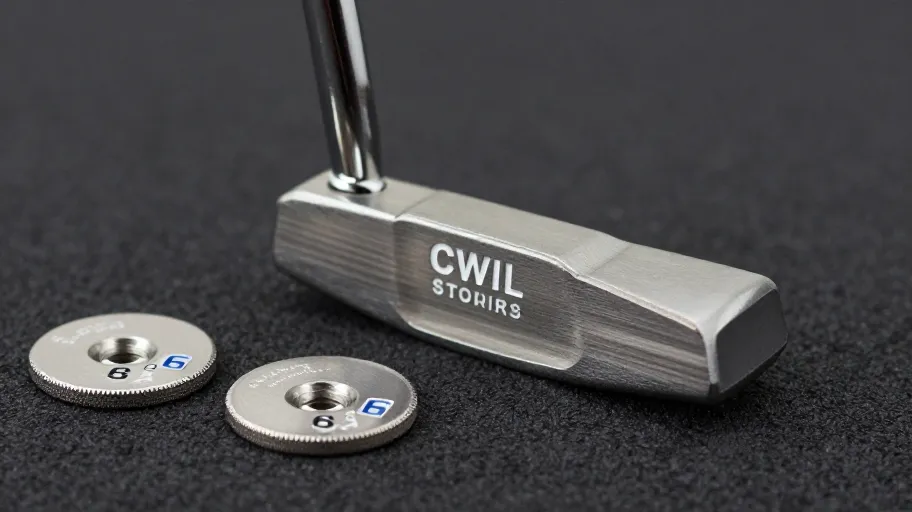
Cut 2.3 Putts Per Round With This $40 DIY Putter Hack
Why Stroke Consistency Starts with Weight BalanceImproper putter weight distribution means lost tempo, misaligned face angles, and shaky confidence be...
Read More arrow_forwardExpert tips, product reviews, and guides to help you improve your game.
Why Stroke Consistency Starts with Weight BalanceImproper putter weight distribution means lost tempo, misaligned face angles, and shaky confidence be...
Read More arrow_forward

Why Inconsistent Swing Weight Ruins Your GameMismatched swing weight means unpredictable shot patterns because your body can’t build reliable muscle...
Read More arrow_forward
Why Most Golfers Play With the Wrong EquipmentMass-produced clubs don’t fail due to poor craftsmanship—they fail because they’re designed for a ...
Read More arrow_forward
Why Poor Putter Balance Kills Putting ConsistencyMost golfers miss putts not because of poor reads—but because their putter’s imbalance forces han...
Read More arrow_forward

Why Beginners Quit Before They ImproveGolf equipment that doesn’t fit means slower progress and higher dropout rates because beginners waste energy ...
Read More arrow_forward
Why Most DIY Adjustments FailOver 68% of DIY golf club adjustments fail—not because golfers lack skill, but because they’re working blind. Accordi...
Read More arrow_forward

Why Most Amateurs Lose Strokes to Poor Club FitOver 70% of recreational golfers use off-the-rack clubs mismatched to their biomechanics—costing them...
Read More arrow_forward

Why Most Golfers Lose Distance Off the TeeEvery yard you’re leaving on the tee starts with a silent culprit: your shaft. It’s not swing flaws or p...
Read More arrow_forward

Why Most Amateurs Fight Their Own ClubsGolf club components are engineered systems that directly influence shot accuracy, distance, and consistency. M...
Read More arrow_forward
Why Off the Rack Clubs Are Costing You StrokesWhen you use off-the-rack clubs, you’re forcing your body to adapt to the club instead of the other wa...
Read More arrow_forward
Why Golf Club Heads Fail So Often on the CourseLoose golf club heads aren’t random—they’re the result of modern design trade-offs that prioritiz...
Read More arrow_forward
Why Most Golfers Replace Accessories Too SoonMost golfers replace their gear far too soon—not because it’s worn out, but because they’ve never c...
Read More arrow_forward
Why Amateurs Keep Blaming Their SwingMost amateur golfers misdiagnose inconsistency as a swing flaw—but 68% of off-center hits stem from shaft-flex ...
Read More arrow_forward
Why Your Slice Is Costing You Strokes and ConfidenceA persistent slice isn’t just a bad shot—it’s a systemic leak in your scoring engine. Accord...
Read More arrow_forward
Why Most Golfers Miss This One Critical FlawMismatched swing weight means inconsistent shot patterns because your body can’t build reliable muscle m...
Read More arrow_forward
Why Most Golfers Play With the Wrong Shaft FlexOver 60% of amateur golfers are playing with the wrong shaft flex—sabotaging their distance, accuracy...
Read More arrow_forward
Why Poor Grips Sabotage Even the Best SwingsWorn or ill-fitting golf club grips degrade swing performance by over 30%, per PGA data—meaning even eli...
Read More arrow_forward
How Often Should You Replace Golf Club GripsReplacing your golf club grips every 12–18 months or after 30–40 rounds means you maintain peak shot c...
Read More arrow_forward
Why Worn Grips Are Killing Your Game and BudgetYou’re losing strokes—and money—every time you swing with worn grips. It’s not just about comfo...
Read More arrow_forward
Why Most Golfers Fight Their Own PutterFactory-default putters are designed for mass production, not your biomechanics—meaning 68% of amateur golfer...
Read More arrow_forwardUse the Golf Component Lab to choose a source-scoped compatibility check, a used-shaft inspection workflow or a measurement-first fitting guide.
Open the Golf Component Lab