Golf Grip Logo Position: What to Check Before Installation
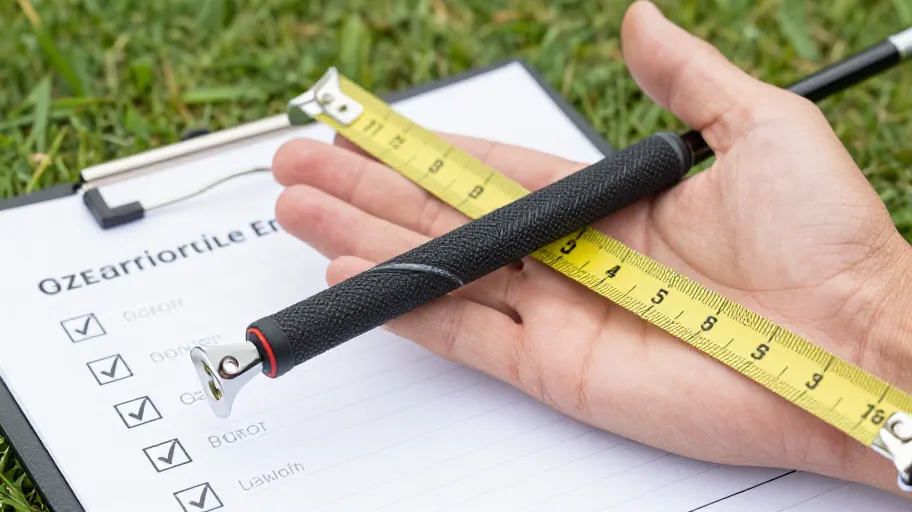
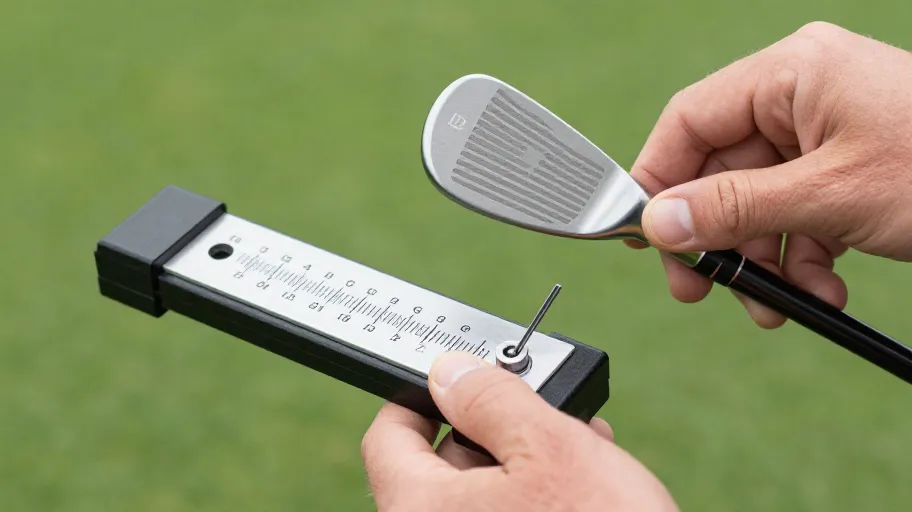
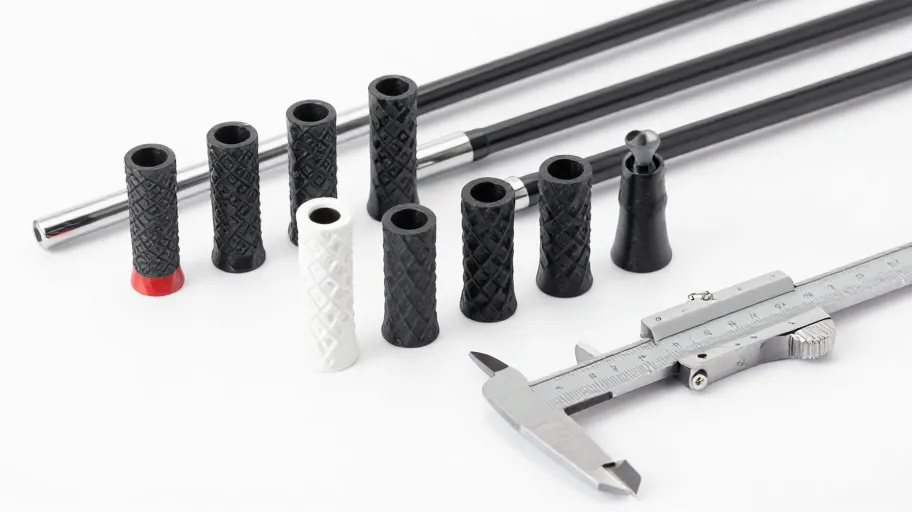
Golf grip logo position is the orientation of the grip's printed logo and alignment marks relative to the clubface when the grip is installed. Before ...
Read More arrow_forwardExpert tips, product reviews, and guides to help you improve your game.

Golf grip logo position is the orientation of the grip's printed logo and alignment marks relative to the clubface when the grip is installed. Before ...
Read More arrow_forward

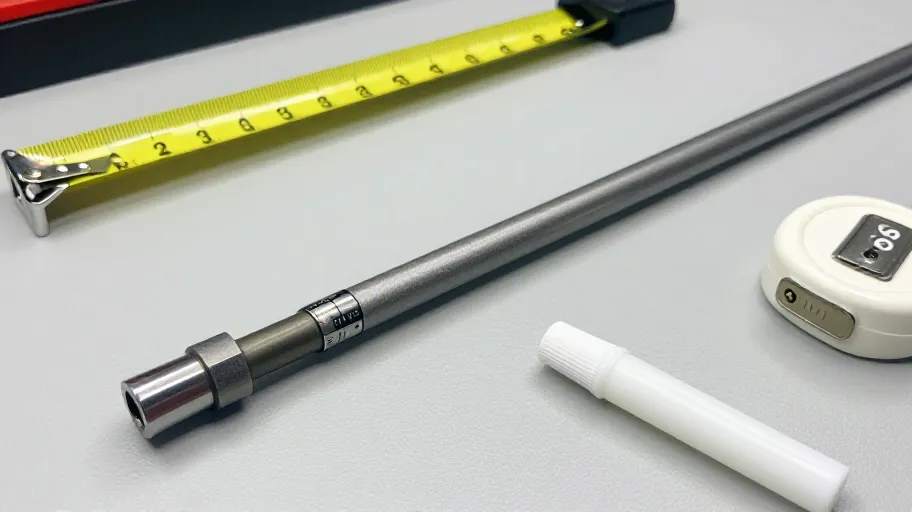
Choosing the right putter length starts with your own setup, not a chart: measure the putter you use now, check whether your eyes, arms and hands sit ...
Read More arrow_forward
A golf club loft chart is only meaningful when it names the exact brand, family and model it describes. Loft values are specified club by club within ...
Read More arrow_forward
Swapping the shaft in your driver is one of the most controllable ways to tune how a specific head feels and launches, but the swap only succeeds if t...
Read More arrow_forward
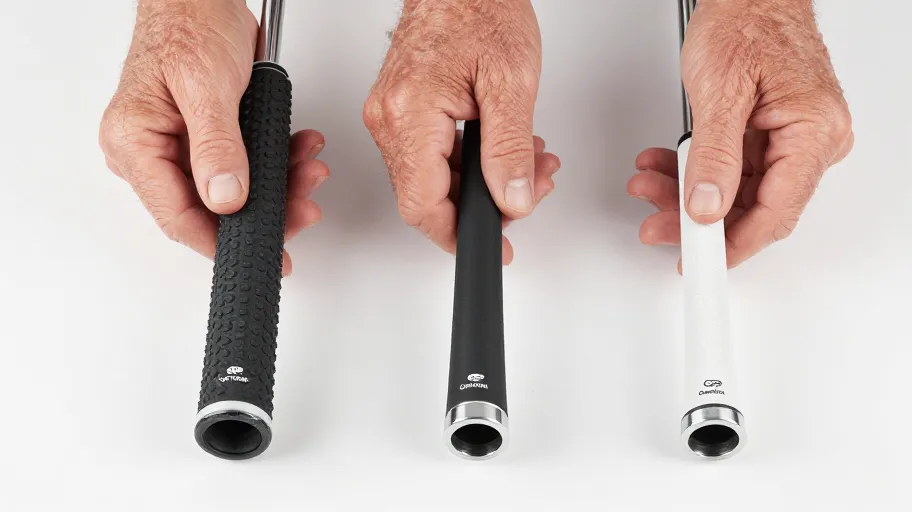
Most golfers choosing golf grips for seniors should compare three variables in a fixed order: grip size first, then surface texture, then weight. This...
Read More arrow_forward
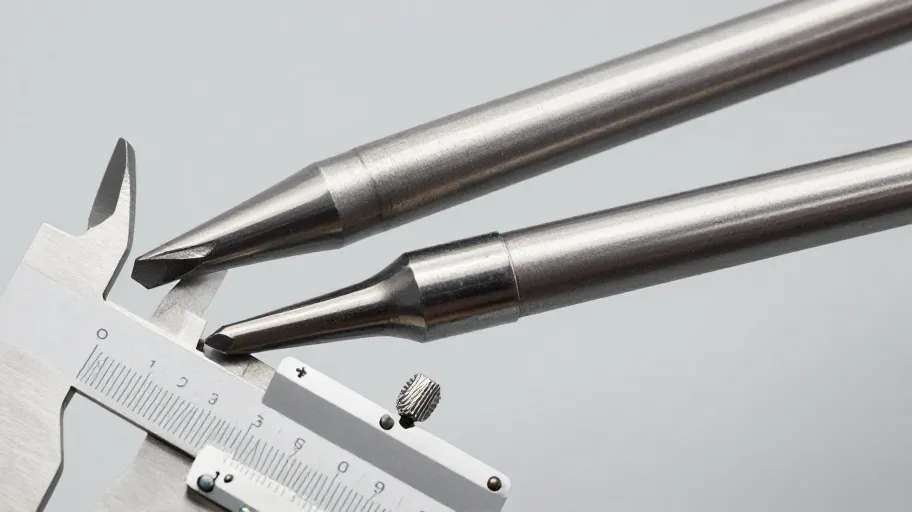
Choosing between a parallel vs taper tip shaft comes down to one question: does the lower section of the shaft match the inside geometry of your club'...
Read More arrow_forward
Why Retailers Get Rory’s Grip WrongMost golf retailers misrepresent Rory McIlroy’s grip setup because they confuse visual appearance with function...
Read More arrow_forward
Choosing a golf grip size is not a preference call you make once and hope for — it is a build decision you should document, verify and approve befor...
Read More arrow_forward
Evaluating a grip setup against a named player reference does not require trusting a product page — it requires documented specifications, a repeata...
Read More arrow_forward
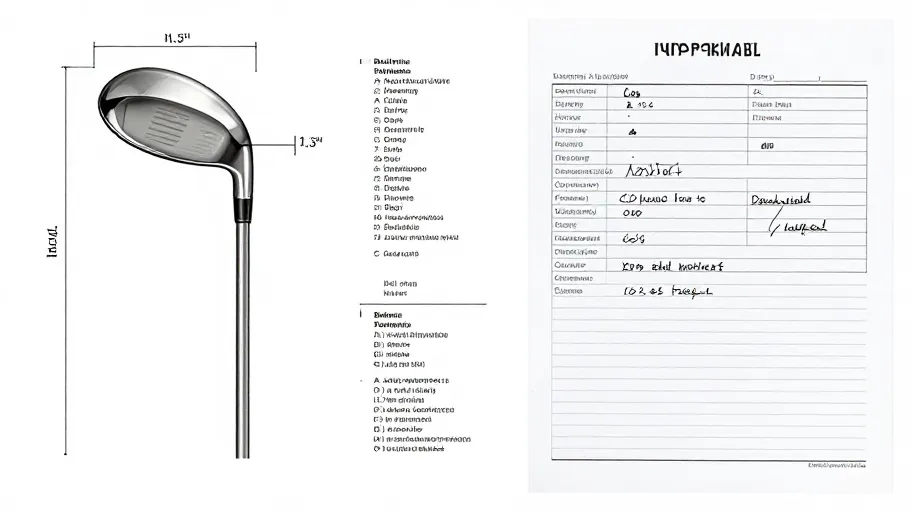
Sourcing a mcilroy putter grip comes down to one discipline: verifying that the sample in your hand matches the drawing you approved, for the exact mo...
Read More arrow_forward
A driver weight replacement is only safe to order once three things are confirmed: the physical port or screw interface matches your exact head (Port)...
Read More arrow_forward
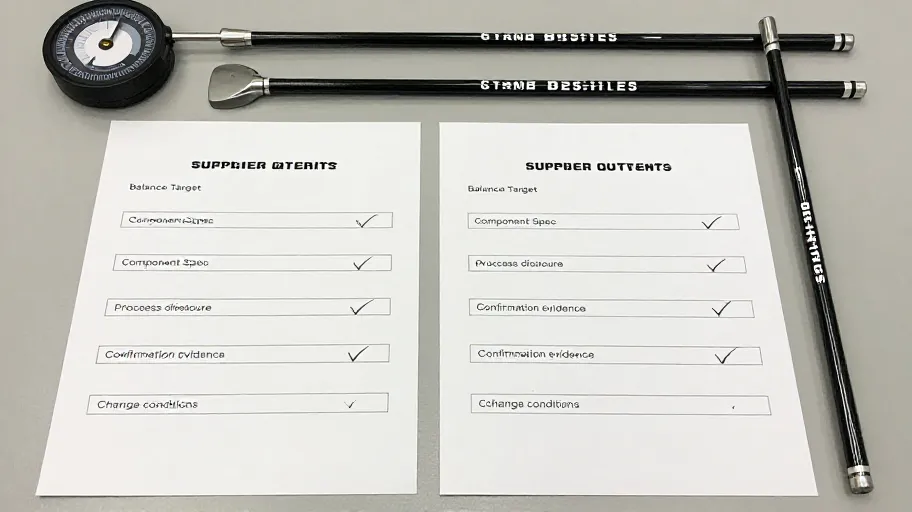
This swing weight guide gives you a repeatable way to compare two supplier quotes for swing-weight adjustment or component work: score each quote on f...
Read More arrow_forward
Reviewing a revised golf grip size sample does not require starting over: hold one reference constant, change one variable at a time, and approve or l...
Read More arrow_forward
A useful swing weight guide does not start with formulas — it starts with decisions. Use the Approve–Verify–Document sequence: approve the balan...
Read More arrow_forward
When a supplier suggests changing your grip material, treat golf grip size as a written specification rather than an assumption — compare the propos...
Read More arrow_forward
Sourcing a grip for a specific club brand, family and model starts with grip pressure — how much squeeze force the grip's surface and core construct...
Read More arrow_forward
Before any supplier can quote a driver weight replacement accurately, they need three things identified precisely: the brand of your driver head, the ...
Read More arrow_forward
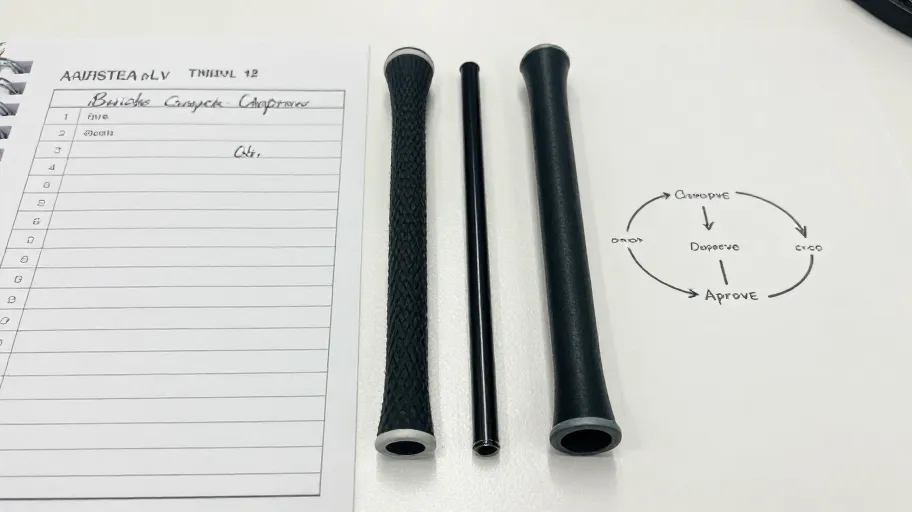
When you order or modify components to change how a club feels at address, every balance-related detail should exist in one of three places: the drawi...
Read More arrow_forward
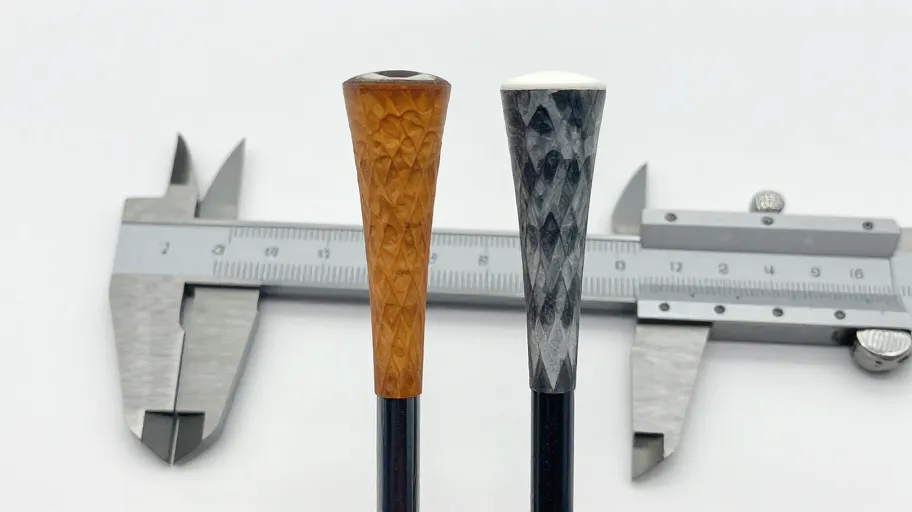
Golf grip size is not one number on a package — it is a bundle of specifications you should be able to verify before a single grip ships: core diame...
Read More arrow_forward
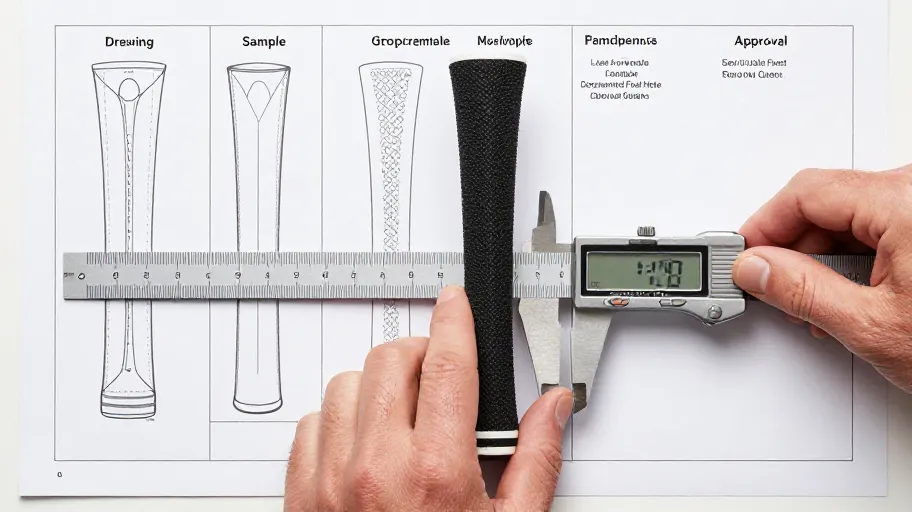
Why Your Putting Feels Unstable (Even When Everything Else Is Right)The root cause of inconsistent putting isn’t grip pressure, posture, or alignmen...
Read More arrow_forwardUse the Golf Component Lab to choose a source-scoped compatibility check, a used-shaft inspection workflow or a measurement-first fitting guide.
Open the Golf Component Lab