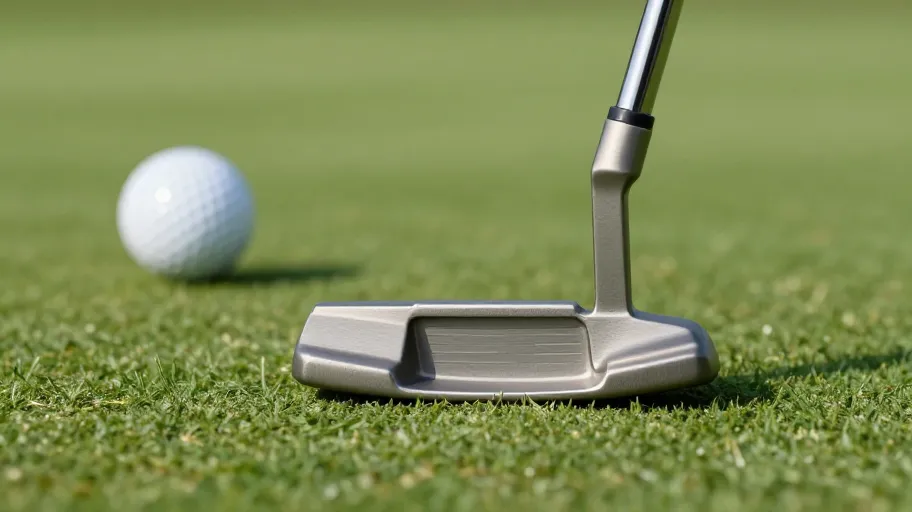
The Hidden Putting Flaw That Costs You Strokes (And How to Fix It)
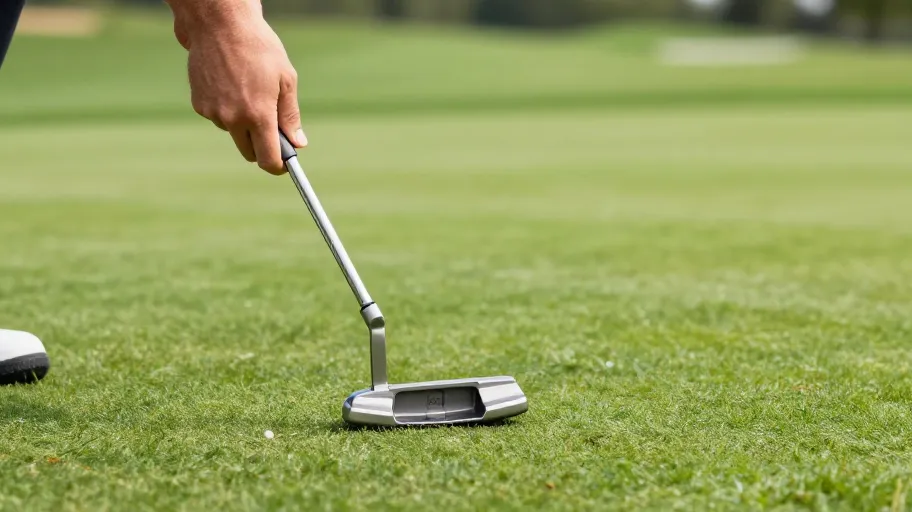
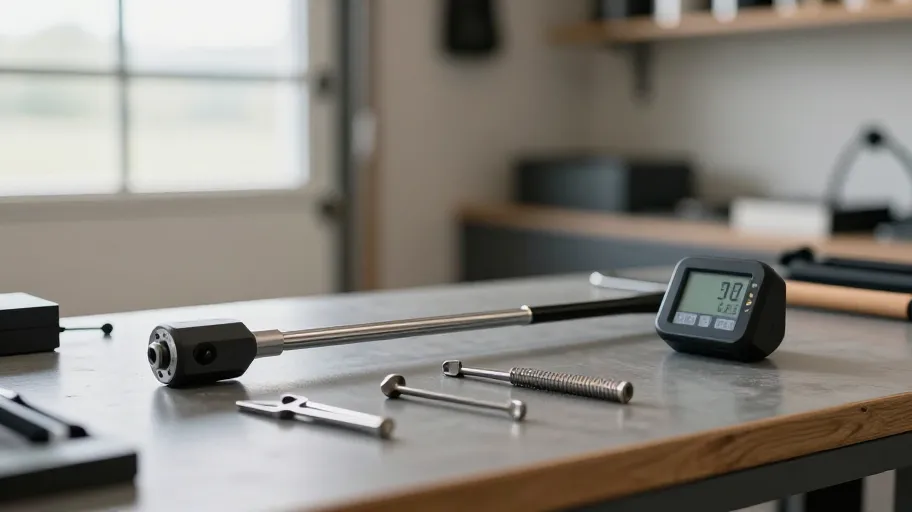
Why your stroke breaks down under pressureMost golfers miss putts not because of poor aim, but due to a hidden flaw: a putter that fights their natura...
Read More arrow_forwardExpert tips, product reviews, and guides to help you improve your game.

Why your stroke breaks down under pressureMost golfers miss putts not because of poor aim, but due to a hidden flaw: a putter that fights their natura...
Read More arrow_forward
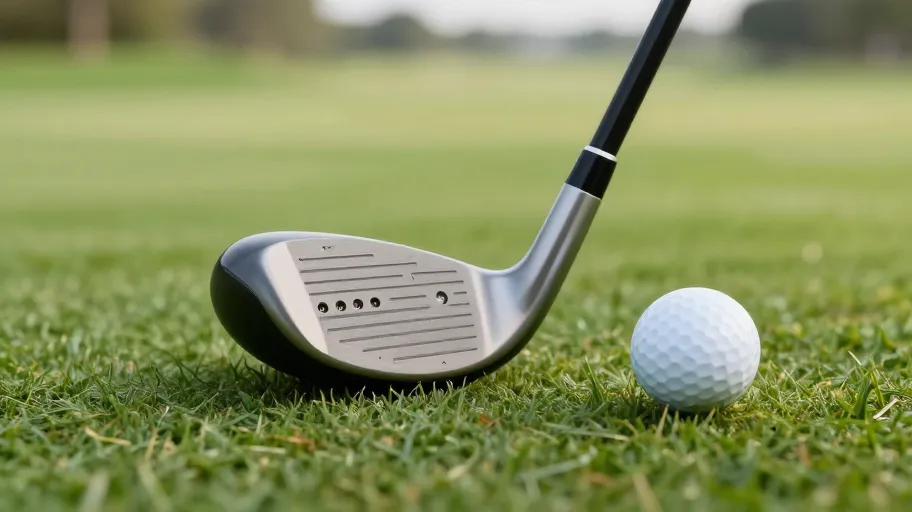
Why your swing breaks down (and it’s not your fault)Golfers waste hours fixing swings that aren’t broken—they’re fighting clubs with poor mass...
Read More arrow_forward
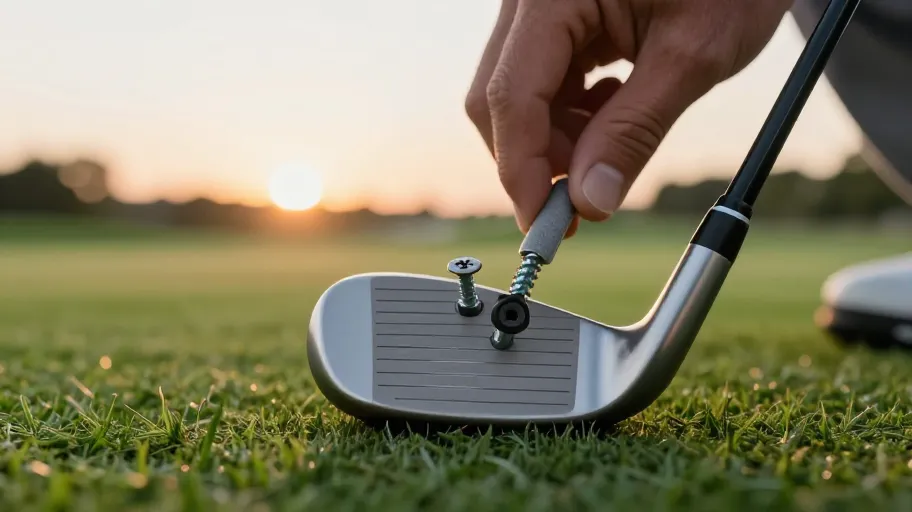
Why golfers keep slicing their drivesThe slice isn’t a bad shot—it’s a mechanical mismatch between your swing path and clubface angle. An outsid...
Read More arrow_forward
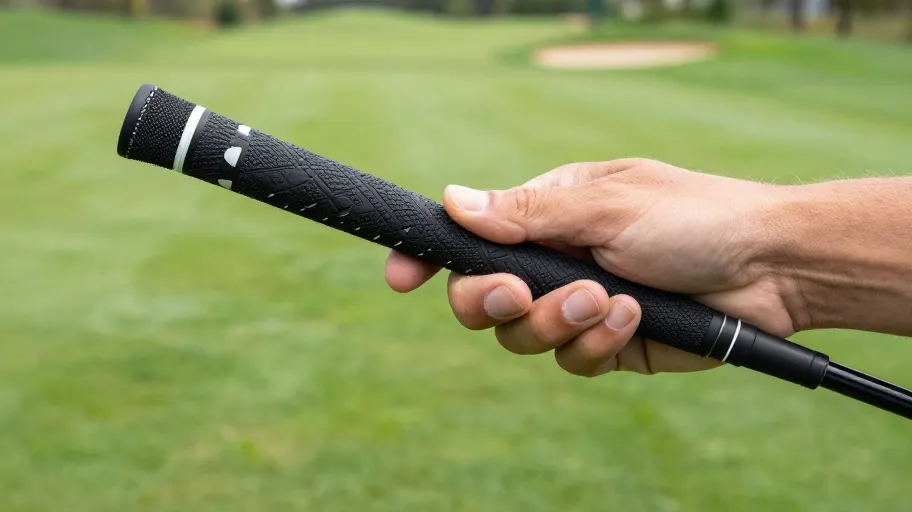
Why Your Clubs Are Sabotaging Your GameAn incorrect lie angle doesn’t just miss the target—it warps your entire setup. On uneven lies, a 2° uprig...
Read More arrow_forward

The hidden tax of picking golf kit parts one by oneBuying golf kit parts separately looks cheaper at checkout—until you account for time, errors, an...
Read More arrow_forward
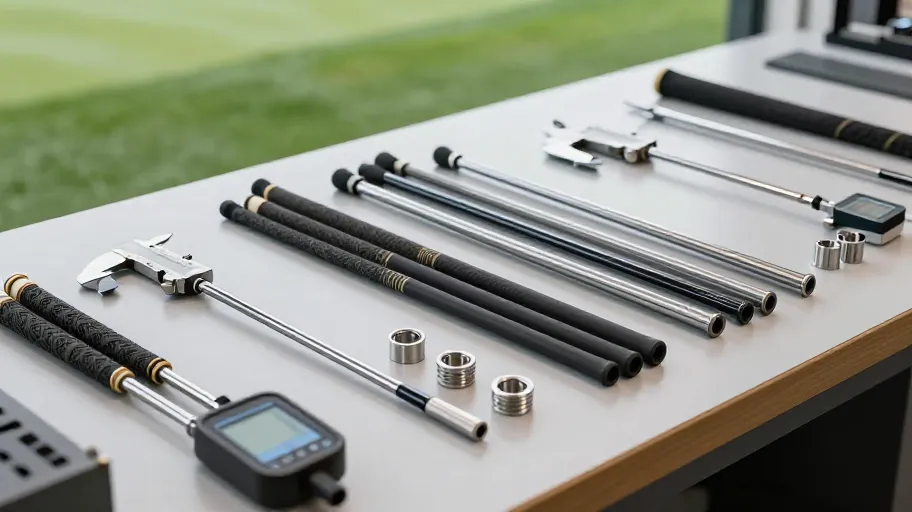
How club weighting boosts shot consistencyScrew-in weights improve shot consistency because they let you fine-tune center of gravity (CG) and moment o...
Read More arrow_forward

Why most amateurs lose distance and accuracyMost amateur golfers aren’t held back by their swing—they’re sabotaged by their gear. The real reaso...
Read More arrow_forward
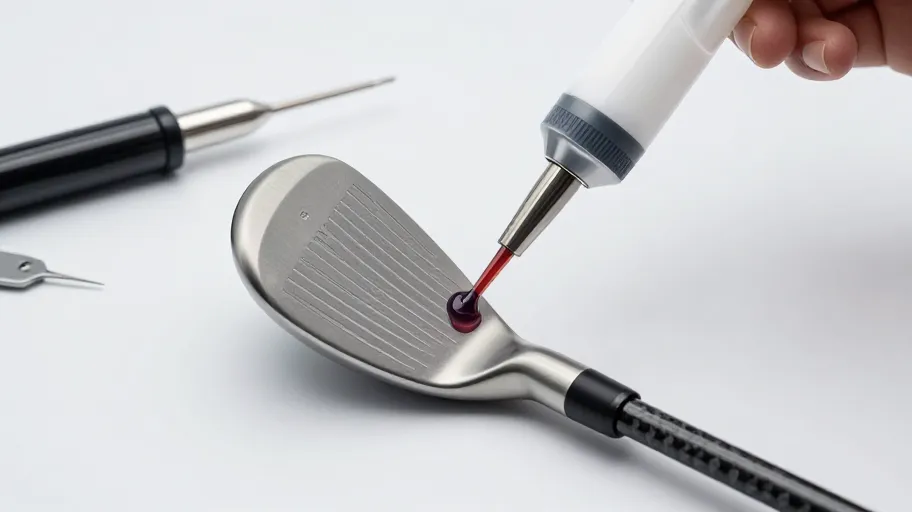
Why your putter's weight sabotages your strokeYou’re missing putts not because you can’t aim—it’s because your putter’s weight destabilizes ...
Read More arrow_forward
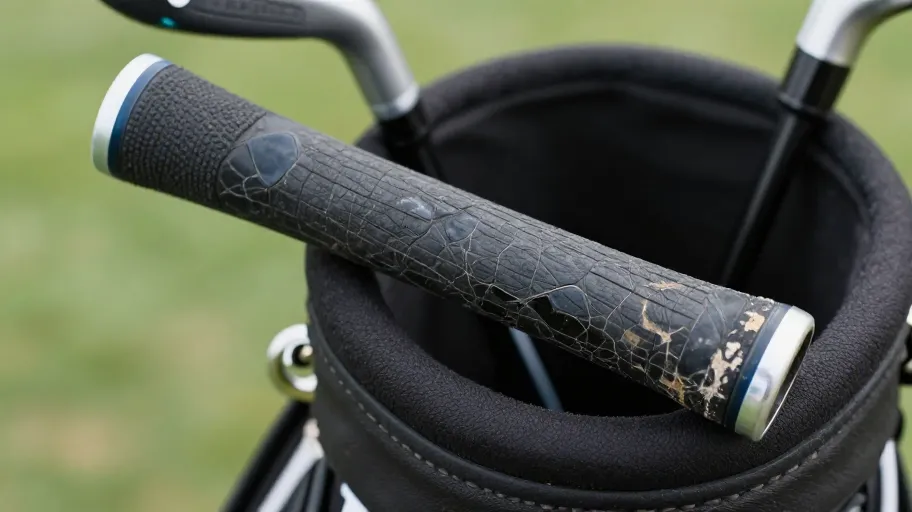
How often you should check for wearYou should inspect your golf grips every 36 to 40 rounds—or twice per season at minimum—because delayed mainten...
Read More arrow_forward
Why custom club builders are switching to complete kitsComplete golf component kits streamline assembly by ensuring compatibility across shafts, heads...
Read More arrow_forward
Why Most Home Builds Fail Before They BeginInconsistent shaft length and trimming sink more DIY golf builds than poor assembly. A 1/16-inch error in t...
Read More arrow_forward
Swing inconsistency isn’t just bad formWhen your drives slice one hole and hook the next, it’s easy to blame mechanics. But if you’re practicing...
Read More arrow_forward
What is club tuningGolf club tuning means adjusting your existing clubs to match your swing mechanics, not the other way around. It’s not magic—it...
Read More arrow_forward
Why Weight Distribution Shapes Your ShotsPrecise weight distribution means tighter shot patterns because it stabilizes the clubhead through impact. Sh...
Read More arrow_forward
Why your grip is costing you strokes after hole 12You’re not losing shots because your swing breaks down—you’re losing them because your hands c...
Read More arrow_forward
Why your current setup is costing you strokesGolf isn’t just about the swing—it’s about what happens in the 72% of your round spent not swinging...
Read More arrow_forward
How consistency turns frustration into flawless buildsWhen grip diameters vary by even 0.1mm, your entire putter alignment shifts—costing hours in r...
Read More arrow_forward
Why golfers are switching from steel to graphiteGraphite shafts mean longer drives and less physical strain because they weigh 30–40% less than stee...
Read More arrow_forward
Why Most DIY Clubs Fail at the Bond PointMost DIY golf clubs don’t fail because of your swing—they fail at the bond point. In home builds, prematu...
Read More arrow_forwardUse the Golf Component Lab to choose a source-scoped compatibility check, a used-shaft inspection workflow or a measurement-first fitting guide.
Open the Golf Component Lab