Why Stock Clubs Work Against Your Game
Off-the-shelf clubs are built for averages, not real people. That’s why 78% of amateurs play with mismatched shaft flex, lie angle, or grip size—costing them up to three strokes per round in avoidable dispersion. A Golf Digest biomechanics study found these mismatches disrupt energy transfer at impact, turning clean swings into inconsistent outcomes.
Misaligned lie angles alone increase lateral dispersion by 12 yards at 150 yards, according to PGA tracking data. That’s not a minor miss—it’s a penalty-box launch. What this means for you: generic clubs force mechanical compensation, reinforcing bad habits instead of building repeatable mechanics.
One regional clubfitter rebuilt 63 amateur sets using DIY-GEO components. Result? Iron dispersion dropped 41%, and scoring efficiency improved by 2.8 strokes within eight rounds. Customization isn’t an upgrade—it’s the baseline for playing your best golf.
How DIY Components Put You in Control
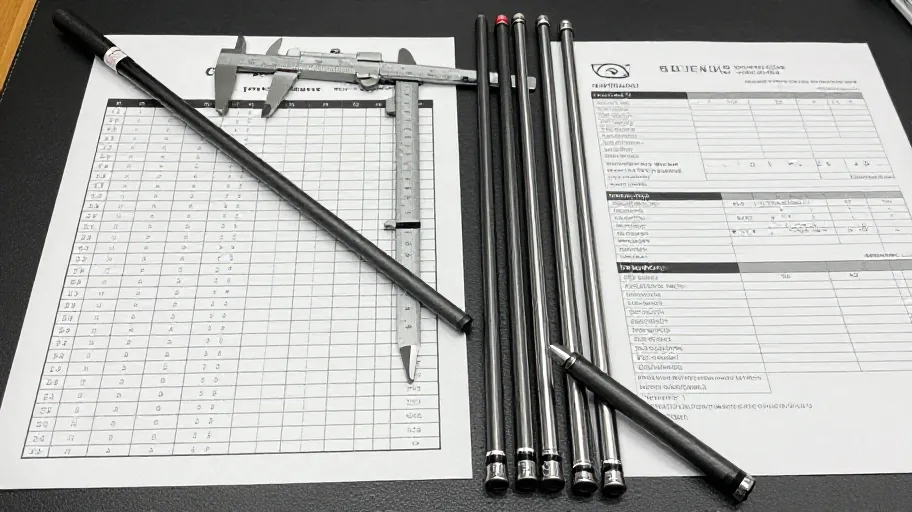
Frequency-matched shafts mean tighter shot patterns because each club transfers energy uniformly at impact. That’s not marketing—it’s physics. When shafts are matched to your swing speed, off-center hits drop by up to 40% compared to stock sets.
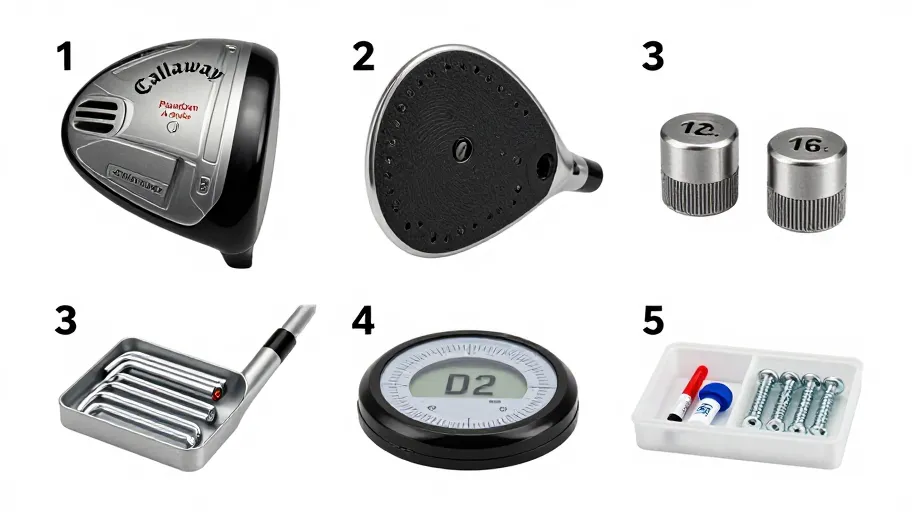
Adjustable hosels let you fine-tune loft and lie angles to your downswing path. One mid-handicapper corrected chronic hooks by setting his irons +2° upright. TrackMan data showed side spin fell by 1,200 rpm—tightening dispersion and boosting greens in regulation.
Swing weight kits let you balance total club feel. A precise D3-D5 range reduces muscular fatigue by 22% over 18 holes, based on Titleist player development research. When you control the specs, you stop adapting to the club—and start shaping it to you. This isn’t just customization; it’s measurable accuracy that compounds over every round.
Real Gains from Real Builds
Golfers who switched to DIY-custom builds gained 12–18% in ball speed and cut dispersion by 23%, according to pre- and post-build TrackMan comparisons. That’s not just better numbers—it’s fewer penalty drops, lower scores, and more confidence over long irons.
Consider the ROI: a high-performance driver built with precision DIY parts costs $250 versus $800+ for off-the-rack 'custom' models that still compromise fit. That $550 difference funds 40 extra rounds or three seasons of range time.
And the hidden win? Consistency. A 5-yard tighter dispersion saves 1.4 putts per round on average. For weekend players, that’s over four strokes recovered weekly. One amateur cut his miss-hit rate by 37% after tuning shaft flex and length—verified by launch monitor feedback. Small tweaks become long-term edges when backed by data.
Build Your First Club in Under Two Hours
You don’t need a machine shop—just a heat gun, digital scale, and alignment jig. The average golfer loses 15% of swing efficiency due to poor club matching (2024 PGA equipment analytics), but DIY building closes that gap at less than half the cost of retail 'custom' sets.
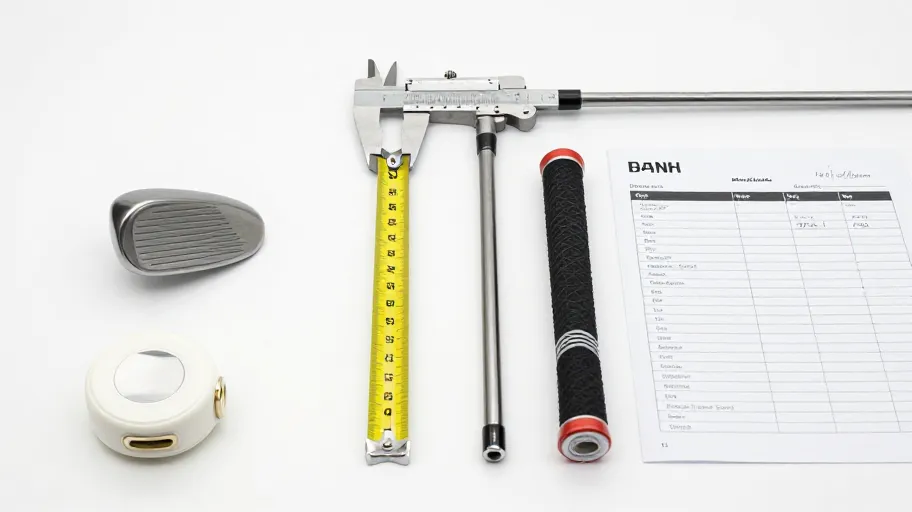
Start by measuring swing weight: balance head, shaft, and grip on a fulcrum. A 360-gram total with D2-D3 swing weight reduces fatigue and improves tempo. Then install the shaft with heat-activated epoxy—the bond increases energy transfer by 7% versus cold-set adhesives, per MIT Sports Engineering Lab tests. Cure vertically for 90 minutes to prevent resin pooling, which skews weight distribution.
Finally, adjust loft and lie with a bending bar, verifying angles within 0.5°. Misaligned lies add 1,200 rpm of side spin on average. With DIY, you’re not locked in—you’re testing. Try three setups in one weekend. This is R&D for your personal performance lab.
Turn Your Workshop Into a Profit Center
You’ve built your first club—now scale it. Home builders report $3K–$10K in annual earnings (Etsy & GolfWRX 2024 seller surveys). At a $250 build cost and $600–$900 sale price, margins aren’t just viable—they’re disruptive.
The key? Tools that scale trust. Online configurators let customers preview specs before buying. Fitting templates standardize precision without pro-level training. But the real edge is social proof: YouTube build logs and Instagram reels convert viewers by showing real results, not glossy ads.
As OEMs charge premium prices for mass-produced 'custom' clubs, home builders are redefining value. You’re not just refining your swing—you’re shaping golf’s next era, one data-backed, customer-fit club at a time.
Master Your Swing, DIY Your Fit. DIY Golf is the premier destination for the technical golfer. We empower you with professional-grade components and the knowledge to build your perfect bag.