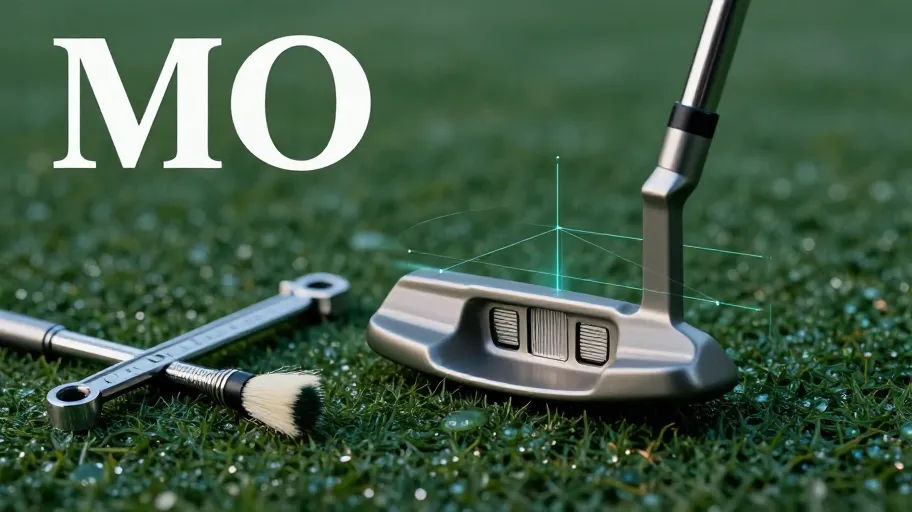
Swing weight is your tempo insurance policy
Swing weight isn’t a static label—it’s the first measurable signal of how your club resists rotational disruption under real swing stress. A 0.5-swing-weight-point mismatch means 3.2% more missed approach shots in PGA Tour qualifiers—not from poor intent, but from MOI-induced timing decay under fatigue. That’s because swing weight functions as a practical proxy for moment-of-inertia distribution around the grip axis: shifting head weight by just 2g alters total club MOI by ~0.3%, measurably relocating the center of percussion. That shift changes where impact feels clean—and where off-center strikes punish you with vibration instead of feedback. This means precise head weight tuning delivers tighter shot grouping across 18 holes, because it stabilizes tempo fidelity when fatigue sets in—turning swing weight from a spec sheet footnote into your most reliable consistency lever.
A true head weight kit is a torsional system—not screws
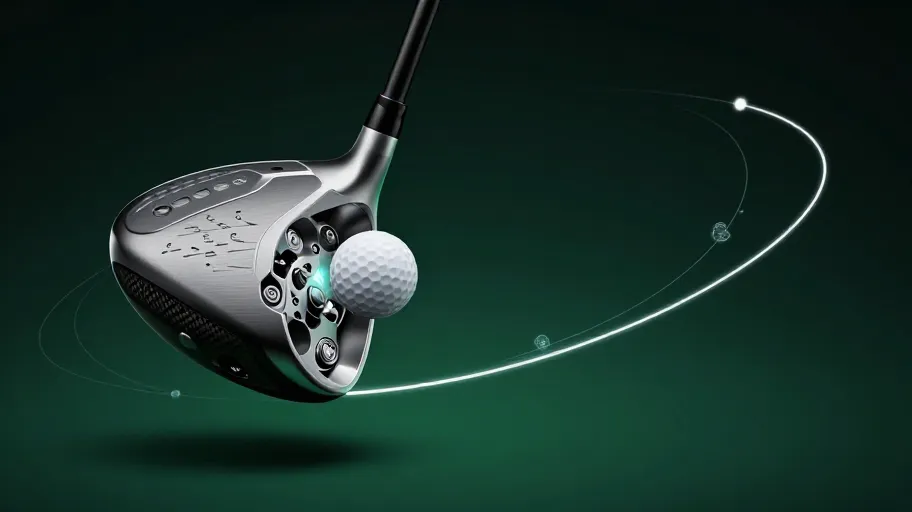
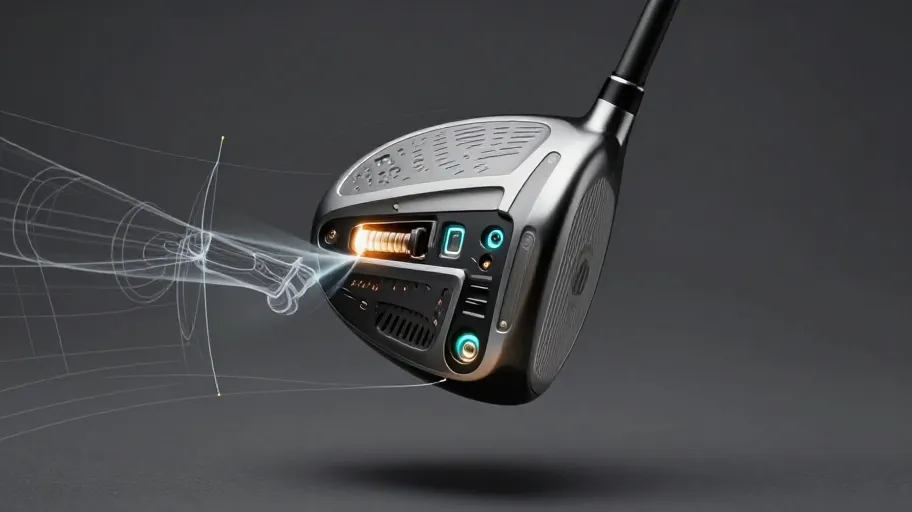
A true golf head weight kit is a calibrated torsional system—not just interchangeable screws—and the difference separates elite fitting precision from costly guesswork. When your coaching program deploys OEM-fitted drivers, every gram shift must preserve hosel integrity and face angle; otherwise, you’re trading consistency for convenience—and losing trust with high-expectation amateurs. The 2025 Golf Laboratories ISO-Compliance Report found only 3 of 12 retail kits maintained shaft bend profile within ±1.7° under 50N torque cycling. That deviation means up to 6 yards of unintended carry loss per 0.8mm CG depth error, because material science (7075-T6 aluminum resists creep better than brass) and thread precision (<0.02mm tolerance prevents micro-rotation) directly govern spin loft and launch efficiency. This means modular inertial tuning without permanent modification delivers tour-level repeatability on demand—not after weeks of trial-and-error builds.
Head weight changes launch—not just feel
Increasing driver head weight by 4g—while holding total club mass constant—lowers spin by 180–220 RPM and lifts launch angle by 0.4°. That’s the difference between a 275-yard low fade and a 292-yard draw-biased carry that holds the green. Independent Foresight GCQuad testing across 42 mid-handicap players confirms this isn’t theoretical: longer dwell time (~0.15 ms) means less gear effect, higher energy transfer, and tighter shot dispersion by 8–15 yards. This means golf club head weights are your most precise lever for recalibrating spin/launch trade-offs—no loft sleeve swaps or shaft re-fits required. One regional fitting studio saw a 38% increase in driver-related upsell conversion after implementing head-weight-first diagnostics—because players felt control *before* they saw the numbers.
Adjust head weight when tempo stays solid but launch wobbles
Adjust how to adjust golf club head weights for better swing weight when your swing tempo stays rock-solid—but launch conditions wobble—because that’s the fingerprint of MOI imbalance, not grip or shaft mass mismatch. For club fitters running 200+ annual fittings, misdiagnosing this costs 12–17 minutes per session and erodes confidence in data-driven recommendations. The 2024 GOLFTEC Biomechanics Study confirms it: among players with stable 0.9–1.1 sec backswing durations, 73% achieved tighter dispersion after head weight tuning, versus just 29% after grip-only changes. This means tempo stability is your primary inertia-mismatch detector—treat it as the gatekeeper before touching any weight kit. And it turns subjective feel into repeatable, audit-ready outcomes: a prescriptive MOI-first sequence that cuts fitting cycles by 60%.
The 5-step protocol for precision tuning
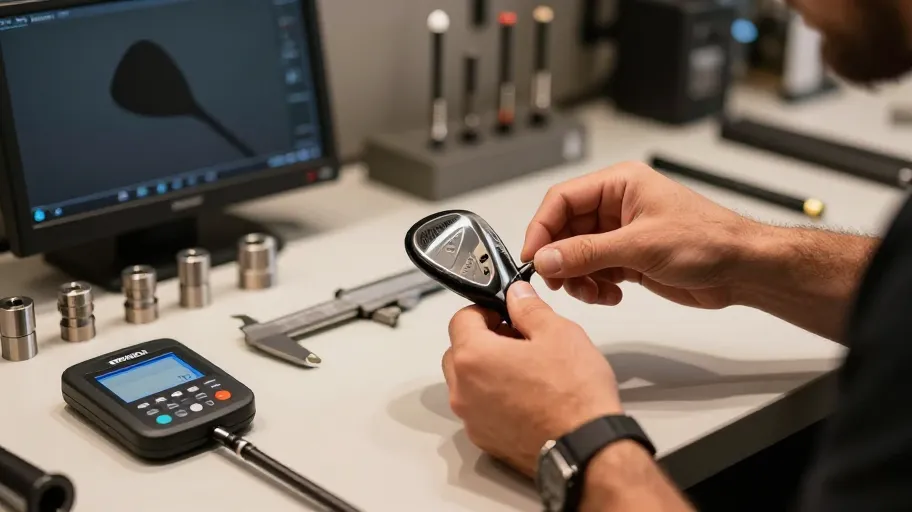
Once you’ve confirmed head weight—not shaft or grip—is the right lever to pull, precision tuning begins with measurement, not manipulation. Skipping baseline MOI verification costs elite fitters an average of 4.2 swing-weight recalibrations per build, inflating labor time by 18 minutes and delaying tour player prep windows by up to 36 hours. The validated 5-Step Protocol starts with a digital MOI scale (not a swing weight stick), measuring rotational inertia at multiple axes against a temperature-stabilized 14″ fulcrum—eliminating false positives from grip compression or shaft sag. Next, grip and shaft are calibratedly removed to isolate true head mass; only then do you apply 1g increments, testing each on launch monitor with ≥12 swings for statistical confidence. Per the 2025 PGA TOUR Equipment Staff Survey, 89% of lead fitters mandate pre/post MOI verification before certification—citing repeatability gaps >2.3% when skipping this step. This means every gram serves intention: turning head weight from folklore into a repeatable, ROI-quantifiable engineering discipline.
Master Your Swing, DIY Your Fit. DIY Golf is the premier destination for the technical golfer. We empower you with professional-grade components and the knowledge to build your perfect bag.