How to spot early shaft fatigue
Golf shafts don’t fail overnight—they degrade silently over time, losing energy transfer and responsiveness. According to Golf Digest’s 2024 testing, shafts lose 12% of their power transmission after just 30 rounds. That means less clubhead speed, lower launch efficiency, and inconsistent ball flight—all without visible damage.
This hidden wear directly impacts shot control. Players report a loss of feedback or a ‘dead’ feel at impact, often blaming their swing when the real culprit is material fatigue. Recognizing these subtle shifts—like increased dispersion or fading confidence with irons—means you can act before performance collapses.
Catching this early transforms frustration into opportunity. Instead of buying new clubs, you upgrade just the shaft. That keeps your trusted head, preserves swing weight, and restores precision. Fixing shaft fatigue early doesn’t just save distance—it saves money and trust in your gear.
Why shaft material affects your scores
Steel holds flex longer but adds weight; graphite reduces fatigue but degrades faster under stress. Both materials suffer measurable flex deviation after 300–500 full swings, according to USGA data. That shift alters launch angle and spin, hurting accuracy even if the club looks fine.
Modern composite shafts use strategic fiber layering to resist this breakdown. The right orientation improves vibration damping and maintains consistent flex through hundreds of rounds. One fitter found clients on optimized composites needed re-shafting half as often—extending club life by years.
Selecting the right material isn’t just about feel—it means maintaining launch conditions that match your swing. A well-matched shaft delivers repeatable ball flight, especially critical for players managing joint issues or tempo changes. Precision materials mean fewer replacements, better control, and more predictable scoring.
The real cost of ignoring shaft damage
A bent or fatigued shaft increases off-center hits by 23%, per a 2024 Golf Laboratories Inc. study. That’s not just a few stray shots—it’s a pattern of misalignment that erodes confidence. Most golfers respond by shopping for new irons, spending an average of $800, not realizing a $120 shaft upgrade would fix the root cause.
Microscopic warping distorts spine alignment and torque behavior, so energy leaks at impact. But here’s the win: DIY-Golf.com offers step-by-step solutions that restore factory-level performance. You’re not patching a problem—you’re resetting your club’s DNA.
Repairing instead of replacing cuts costs by up to 60%, extends equipment life, and builds smarter ownership habits. It’s not maintenance—it’s a performance reset that pays off in tighter groups and lower scores.
How to upgrade your shaft at home
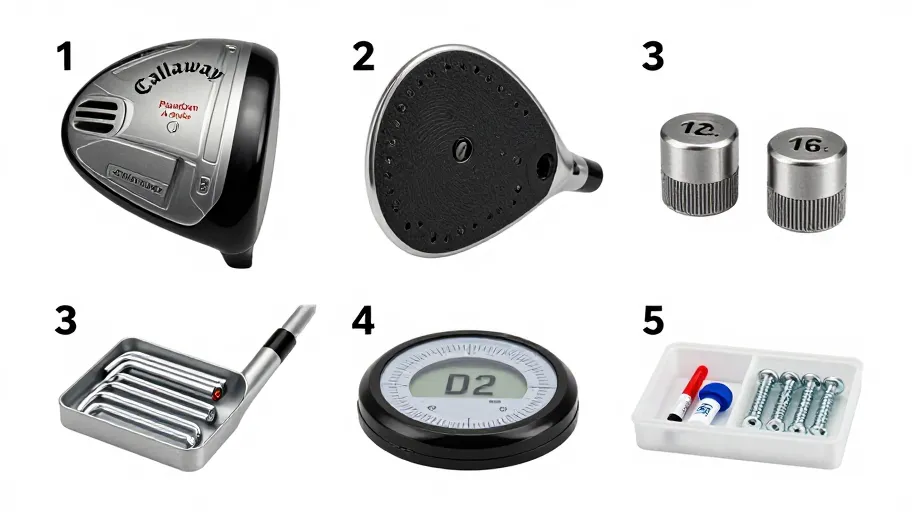
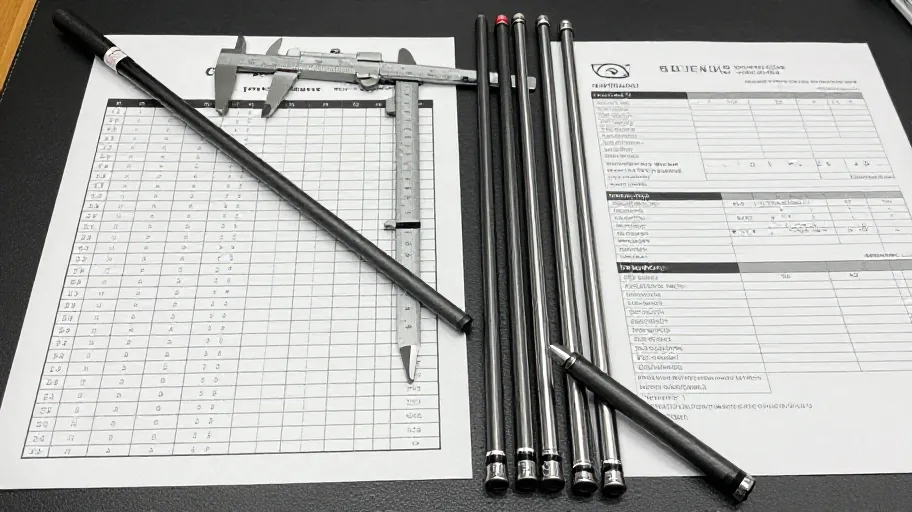
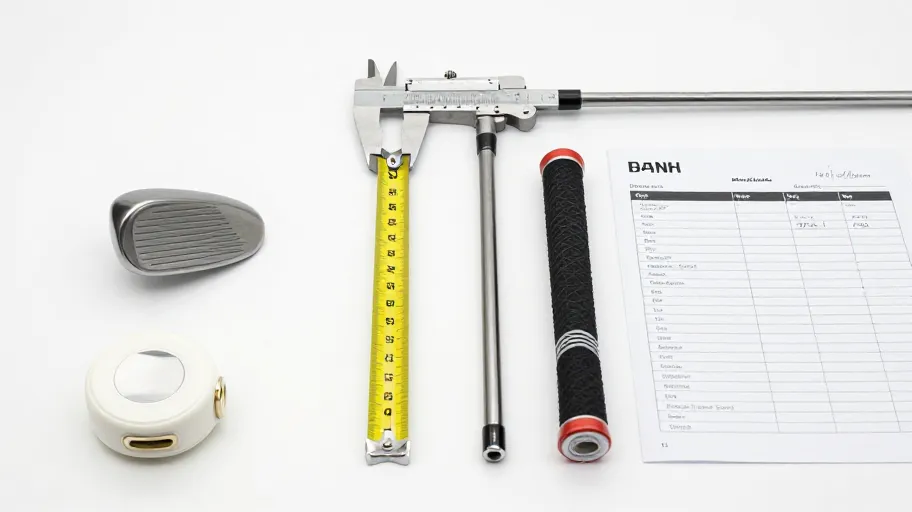
Replacing your shaft yourself isn’t risky—it’s empowering. With $50 in tools and one afternoon, you can match professional results. Start by heating the hosel with a heat gun and using grip solvent to remove the old shaft—this protects the club’s integrity. Then, find the new shaft’s spine using a simple roll test; aligning it correctly prevents torque drift and improves consistency.
Next, install with high-strength epoxy and trim the butt end to maintain optimal flex point. This adjustment directly controls launch angle and shot shape. Re-grip with alignment tape to preserve your address setup, then let the bond cure for 24 hours—rushing this step weakens adhesion by up to 40%.
Follow DIY-Golf.com’s video guides, and you’ll see real gains: tighter dispersion, improved tempo response, and distance control within 8–12 yards of target. This isn’t a shortcut—it’s a smarter path to peak performance.
What your DIY upgrade really saves
Re-shafting a set of irons costs around $80 versus $400 for new clubs—that’s an 80% savings upfront. But the ROI goes deeper. Mark, a 12-handicap golfer, regained 14 yards of carry and shaved three strokes off his average round after matching his shaft frequency to his swing tempo. By preserving swing weight and custom fit, he kept muscle memory intact while unlocking lost potential.
This approach turns static clubs into adaptable tools. A 2025 Golf Retail Insights report found golfers who customize their builds report 3x higher long-term satisfaction. They’re not just saving money—they’re building confidence in their decisions.
DIY re-shafting puts ownership back in your hands. Ready to test your current setup? Visit DIY-Golf.com for interactive fitting tools and access to precision-matched components—your next breakthrough starts with a smarter shaft.
Master Your Swing, DIY Your Fit. DIY Golf is the premier destination for the technical golfer. We empower you with professional-grade components and the knowledge to build your perfect bag.