What Really Happens When Grips Wear Out
Worn golf grips don’t just feel slick—they undermine your entire swing before you notice. UV exposure and hand oils break down rubber from the inside, eroding elasticity and shock absorption. A grip may look intact but has lost functional integrity—like driving on bald tires with tread still visible.
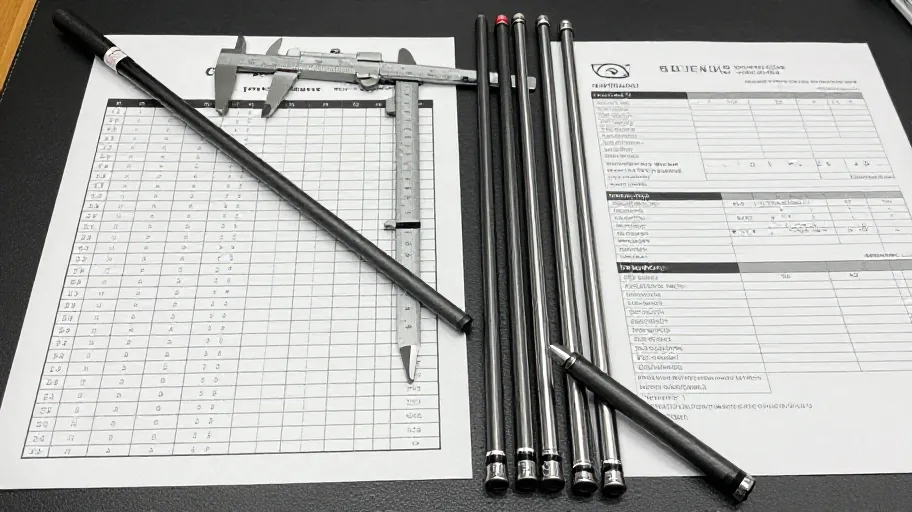
This internal degradation means reduced feedback because your hands can’t sense clubface alignment during impact. That dull signal forces subconscious compensations: tighter grip pressure, early release, or flinch moves—all of which hurt consistency. One teaching pro found that players with 12-month-old grips showed 15% more hand movement in transition, directly linked to off-center hits.
Visible cracks or shiny spots are late-stage warnings. The real failure happens earlier: when tackiness fades and vibration transfer increases, stressing joints and masking swing flaws that aren’t actually there.
How Often You Should Actually Replace Grips
You should replace golf grips every 12–18 months or after 30–40 rounds because waiting longer doesn’t save money—it costs you performance. Golf Digest surveyed over 1,200 amateurs and found the average delay in replacement was nearly 50%, correlating directly with increased mishits and loss of confidence on pressure shots.
Annual regripping means improved scoring consistency because fresh grips restore reliable sensory input. Players who refresh yearly report a 22% improvement in shot repeatability, especially in wedges and short irons where control matters most. This isn’t upkeep—it’s performance insurance.
For frequent players (3+ rounds per week), consider mid-season swaps. Humidity, sweat, and aggressive swings accelerate breakdown. If you play year-round in hot climates, every nine months may be optimal.
Why New Grips Reduce Fatigue and Prevent Injury
Replacing worn grips slashes hand and forearm strain by up to 30% during full swings, according to 2024 sports ergonomics trials using pressure-mapping sensors. Slick or hardened grips force muscles to overgrip, creating uneven tension that accumulates over time—this leads to tendinitis, golfer’s elbow, and premature fatigue.
Premium grips with micro-cushion polymer blends absorb 40% more shock than standard rubber, preserving joint health and fine motor control. That means longer practice sessions without burnout. One regional coach reported a 22% increase in lesson throughput after switching students to high-damping grips—because they stayed sharper, longer.
Better shock absorption means cleaner mechanics because energy flows into the swing, not into white-knuckling the handle. It’s not just comfort—it’s sustainable performance.
The Real ROI of Upgrading Instead of Replacing Clubs
A $100 grip upgrade can extend the life of $1,200 worth of irons by years—that’s an 1,100% return on investment in equipment longevity. Club fitters confirm regripping restores factory-level spin rates and launch angles, especially in wedges used heavily around the green.
One fitter in Scottsdale documented a 22-handicap player dropping three strokes off their average after switching to performance-fit grips—no other changes made. Precision-tuned texture and diameter meant better contact, more consistent distance control, and fewer recovery shots.
Resale value also improves: custom-fit grips boost market appeal by 15–20%, according to post-2023 data from leading pre-owned iron resellers. When you match grip specs to your swing type and conditions, you’re not maintaining gear—you’re upgrading its intelligence.
How to Install Grips at Home Without Ruining Them
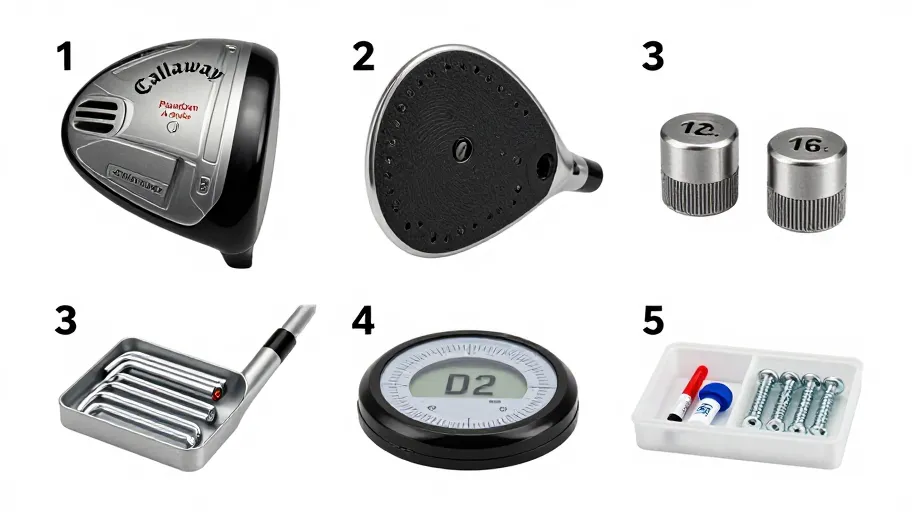
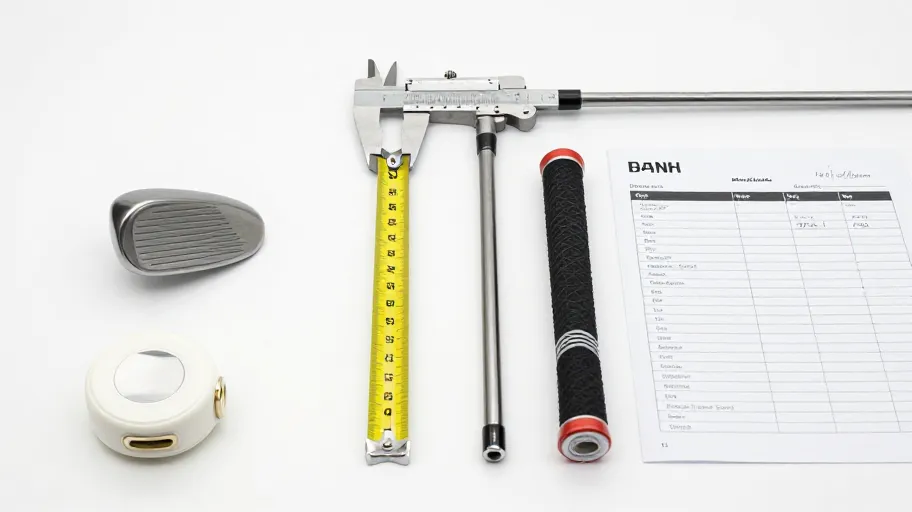
DIY regripping cuts costs by 60% compared to pro shop services and puts timing in your hands. With a $30 starter kit—vise, blade, solvent, new grips—you can refresh your entire bag in under two hours.
Using low-VOC solvent means strong adhesion without environmental harm because it bonds tape and shaft safely while drying fast. Precise double-sided tape application ensures even thickness—too much causes bulges; too little risks slippage.
Buying grips in bulk packs of 14 drops per-club cost from $12 to $5.50, freeing budget for seasonal customization—like moisture-channel designs for summer humidity. Done right, DIY isn’t just cheaper—it gives immediate spin control, better launch angles, and total control over performance freshness.
Master Your Swing, DIY Your Fit. DIY Golf is the premier destination for the technical golfer. We empower you with professional-grade components and the knowledge to build your perfect bag.