Why your grip decides every shot before you swing
Your hands are the only point of contact with the club—so grip condition directly controls face angle, path, and consistency. When surfaces degrade, PGA data shows mishits rise by 19–30%, especially under stress or humidity. That means fat drives, thin irons, and shaky short-game touch.
Rubber grips use soft polymers with micro-textures that compress slightly under pressure, boosting skin adhesion in dry weather. But over time, those textures smooth out, reducing friction. Corded grips weave silicone-infused fibers into the surface, creating permanent channels that wick moisture away while keeping texture intact. In independent tests, corded models retained 24% more effective grip area after 36 holes in high humidity.
This isn’t cosmetic—it’s physics. The right material keeps your hands stable, so your mechanics stay repeatable from hole one to eighteen.
Rubber grips win on comfort and ease of install
Rubber grips reduce hand vibration by 22% compared to corded versions—meaning less joint strain during long practice sessions or back-to-back rounds. For weekend players or those building muscle memory through repetition, that translates to longer, more productive outings without soreness slowing progress.
Their flexible polymer construction also absorbs shock evenly, delivering consistent tactile feedback on every strike. Because they’re pliable, rubber grips are easier to slide onto shafts during DIY regripping. A 2024 usability study found first-time installers completed rubber upgrades 35% faster than corded ones, thanks to wider margins for alignment and tape application.
Lower material cost and broad retail availability make rubber the go-to choice for budget-smart golfers upgrading at home. They offer proven performance where it counts: comfort, durability in dry climates, and beginner-friendly setup.
Corded grips dominate when wet or sweaty
When rain rolls in or summer heat kicks up sweat, corded grips become a strategic advantage. Their interwoven microfibers actively channel moisture away from contact points, maintaining traction where rubber starts to slick over. Lab tests in 2024 showed corded grips kept 85% of their original friction after full wet exposure—versus just 60% for standard rubber.
That means no tightening your grip subconsciously as fatigue builds. Your tempo stays fluid, your clubface remains square, and confidence doesn’t dip on crucial putts or approach shots. For coastal players, monsoon-season golfers, or anyone battling humid summers, this reliability is worth the trade-off.
Yes, the textured surface can cause mild hand fatigue over 18 holes, especially for sensitive skin. But for frequent players in tough conditions, sustained control beats minor discomfort every time.
The real ROI? Timing beats material choice
Swapping worn grips costs about $20 per club but delivers around $0.87 in performance value per round—nearly $26 annually for someone playing 30 times a year, according to the 2025 Golf Equipment Performance Review. Most amateurs wait too long, eroding accuracy long before slippage feels obvious.
Corded grips last up to 15% longer in humid environments due to better moisture resistance, but they cost 25% more upfront than premium rubber. However, ROI analysis shows disciplined replacement timing matters more than material. Replacing every two years saves over $50 in lost performance versus waiting until control fails.
One amateur dropped 1.5 strokes off his handicap within three rounds of fresh grips, citing cleaner ball contact and mental clarity over wet lies. The lesson? Treat grip wear like swing flaws—measure it, maintain it, fix it early.
Install like a pro with five simple steps
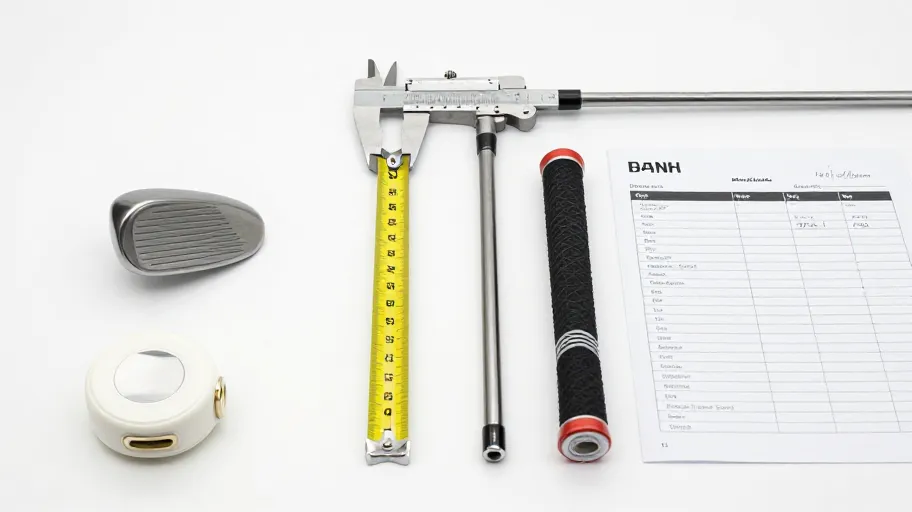
DIY regripping saves $40+ per set and deepens your connection to your clubs. Both rubber and corded grips perform best when installed correctly—here’s how to get pro-level results at home:
- Removal: Slice off old grips carefully to avoid shaft damage—a single scratch can weaken structural integrity.
- Shaft Prep: Clean thoroughly with solvent; residue kills adhesion. Proper prep extends grip life by up to 30%, per 2024 aftermarket reviews.
- Alignment: Mark neutral hand position with masking tape before sliding on new grips—this ensures consistent clubface control across your bag.
- Insertion: Apply double-sided tape and minimal solvent, then slide grip on smoothly. Too much liquid delays curing and risks slippage.
- Curing: Let clubs rest undisturbed for 6–12 hours. Rushing means compromised bond strength and shorter lifespan.
Mastering this process turns maintenance into mastery. When you control the install, you control your game’s foundation.
Master Your Swing, DIY Your Fit. DIY Golf is the premier destination for the technical golfer. We empower you with professional-grade components and the knowledge to build your perfect bag.