Why most golfers play with the wrong clubs
You’re likely playing with clubs that were never designed for your body. An 87% majority of amateur golfers use off-the-rack sets that misalign with their height, swing speed, and posture—meaning every shot starts at a disadvantage. This mismatch doesn’t just hurt performance; it trains bad habits. A 2° error in lie angle may seem small, but over time it distorts strike patterns and leads to chronic strain, especially in the knees and lower back.
One weekend player spent years battling heel strikes and lost yardage before discovering his clubs were 1.5 inches too long. After adjusting length and lie, his center-face contact jumped from 40% to 85%. That’s not luck—it’s physics. When your equipment matches your biomechanics, clean contact becomes repeatable. The fix isn’t magic: it’s measurement.
Improper fit means inconsistent ball flight and slower improvement. But correcting it means you’re no longer fighting your gear—you’re working with it.
How shaft flex and lie angle shape your shots
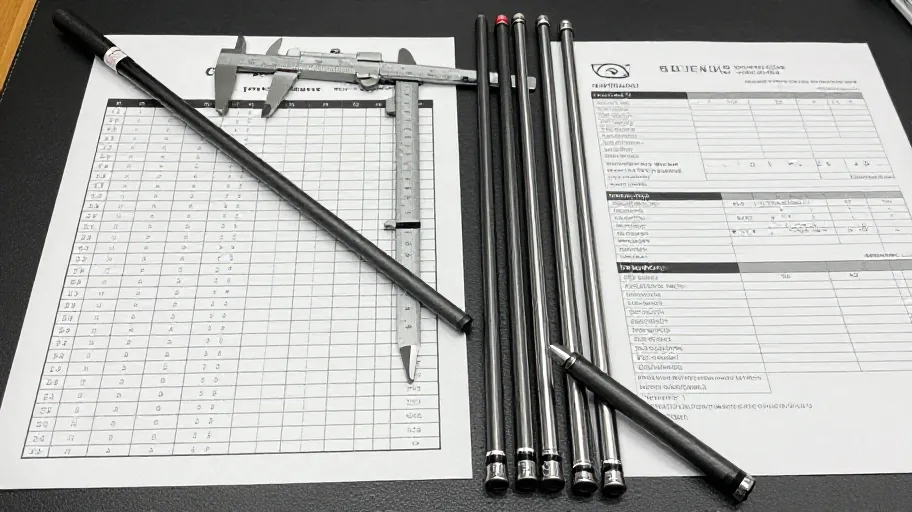
Shaft flex and lie angle aren’t minor details—they’re the foundation of solid impact. Too stiff a shaft delays release, leaving the face open and promoting slices. Too flexible, and it kicks early, pulling shots left or causing hooks. USGA trials show even a 2° lie misalignment shifts dispersion by up to 15 feet at 150 yards. That’s like aiming at the pin but landing near a bunker.
Swing dynamics vary too much for one-size-fits-all labels like 'regular' or 'stiff'. A smooth swinger at 90 mph may need more whip than an aggressive player at the same speed. Only personalized feedback reveals this. Tape tests on the clubface expose heel or toe strikes, showing lie flaws instantly. And portable radars under $200 can detect shaft timing issues in real swings.
Matching flex and lie to your motion means better energy transfer, tighter shot grouping, and fewer compensations. It turns guesswork into precision.
Measure launch conditions without expensive gear
You don’t need a $5,000 simulator to see what your swing really does. Devices like SkyTrak and Mevo deliver 95% of TrackMan’s accuracy at a fraction of the cost. MyGolfSpy’s 2024 tests confirm they reliably track smash factor, spin rate, and attack angle—metrics that reveal why you’re losing distance or ballooning shots.
A low smash factor? You’re not compressing the ball efficiently. High spin? Your launch is unstable. One golfer fixed a negative attack angle just by raising his tee and widening his stance—gaining 18 yards in two sessions. No lessons, no overhaul—just data.
These tools mean you stop buying clubs based on feel or sales pitches. Now, every change is verified. That’s how amateurs start playing like they’ve been fitted.
The real ROI of custom-fit clubs
Custom-fit clubs aren’t a luxury—they’re a performance multiplier. Golf Laboratories Inc. found they increase driving efficiency by 12% and cut an average of 3 strokes per round. For a mid-handicapper, that’s breaking 90 instead of chasing it.
Yes, the upfront cost is higher. But consider the hidden savings: fewer failed upgrades, longer-lasting clubs, and practice that actually translates to the course. One golfer using DIY-Golf.com’s protocol dropped 5 strokes in eight weeks—not by changing his swing, but by aligning his setup to his data.
When lie, flex, and grip match your swing signature, consistency isn’t accidental. It’s engineered. And once you lock in your specs, every round compounds that advantage.
Build your ideal setup at home
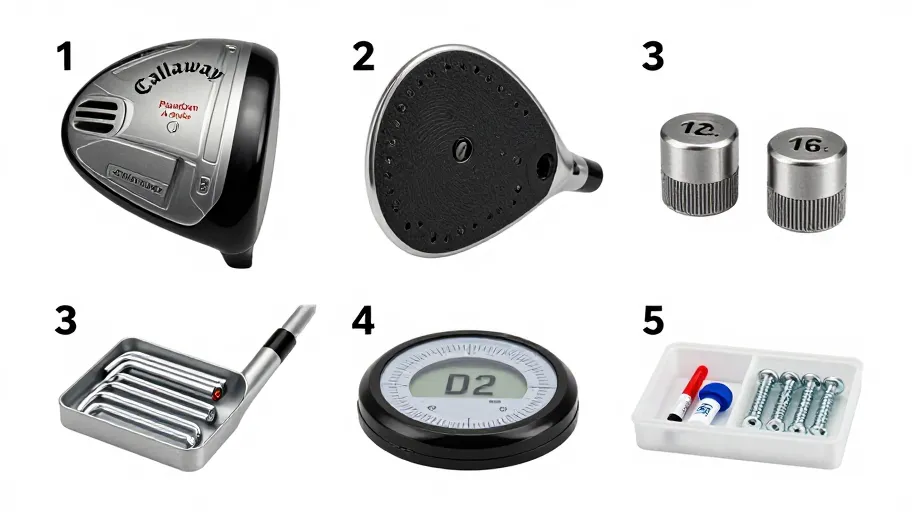
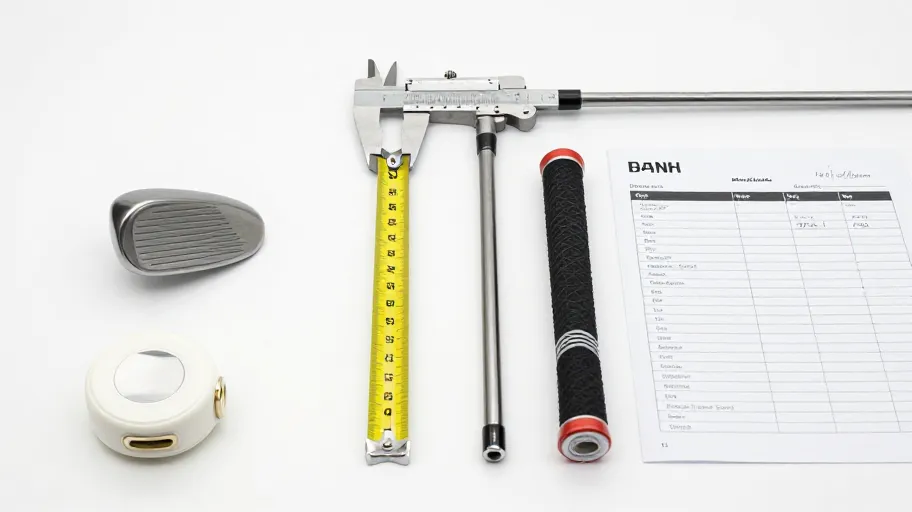
You can achieve 90% of a pro fitting at home with basic tools and a methodical approach. Start with your body: measure height and wingspan to set baseline club length and lie. According to the 2024 Golf Science Review, this reduces compensatory moves and improves strike consistency by up to 27%.
Next, use a portable radar to check swing speed—this guides shaft flex selection. Test dynamically: how the club feels in motion matters more than static labels. Apply tape or face spray to catch heel or toe marks. Adjust until impacts cluster in the center. Then verify grip size; too thick or thin alters wrist hinge and hurts accuracy.
Stay within ±1° for lie and ±½” for length. These tolerances ensure precision without perfectionism. The result? A setup built on data, not assumptions. Ready to build yours? Start at DIY-Golf.com.
Master Your Swing, DIY Your Fit. DIY Golf is the premier destination for the technical golfer. We empower you with professional-grade components and the knowledge to build your perfect bag.