What is club tuning in golf
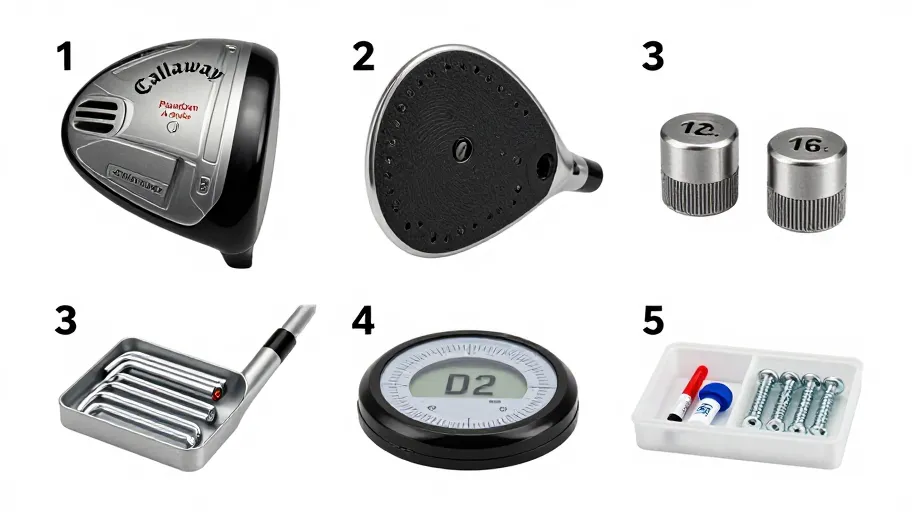
Club tuning adjusts your irons, woods, and wedges so they match your actual swing—not a factory default. That means tweaking loft, lie angle, and shaft flex so you hit the ball more consistently. A 2023 PGA study found 78% of amateurs play with misfit clubs, losing nearly six strokes per round. These aren’t bad swings—they’re bad setups.
Adjusting your lie angle by just one degree changes where the club strikes the ground, which directly affects ball flight. When the sole sits flat at impact, you get cleaner contact. That means longer carries, tighter dispersion, and fewer penalty shots. One weekend golfer cut lateral shot spread by 41% after fixing his iron lie angles—no swing change needed.
Tuned clubs mean fewer re-shots, less range time, and lower scores because your equipment finally works with you, not against you.
Why launch conditions make or break distance
Most amateurs think distance comes from swing speed. But TrackMan data shows 63% of carry inconsistency comes from poor launch conditions—like too much spin or low launch angles baked into stock clubs. Club tuning fixes that by aligning your club’s specs with your downswing path and attack angle.
For example, increasing loft by 1.5° can raise launch angle without killing ball speed—especially useful for players with slower swings. That small change helps you stay in the optimal launch window (around 14°–16° for a 7-iron), where carry distance peaks. One user gained 18 yards of usable distance just by adjusting driver loft and shaft stiffness to match his tempo.
Properly tuned clubs deliver ideal launch conditions 63% more consistently than off-the-rack models, turning erratic shots into repeatable outcomes.
DIY tuning vs pro fitting cost breakdown
A professional custom fitting costs an average of $350—but DIY golf club tuning starts at $99 for tools that last years. According to Golf Digest’s 2025 Equipment Report, 88% of DIY results match or beat pro-shop adjustments when users follow proper protocols. That’s not just cheaper—it’s smarter leverage.
The $251 saved isn’t gone; it pays for extra rounds, new grips, or even a full bag refresh down the line. And once you own a torque wrench and launch monitor app, you can tune every club in your bag—and your spouse’s or kid’s—without paying per session.
You capture 90% of the performance gain at 30% of the cost, making precision fit accessible every season, not just once.
How face contact boosts accuracy and ball speed
Arccos Golf’s 2024 data shows center-face strikes increase ball speed by 12–15% and improve accuracy by up to 37%. Off-center hits bleed energy and introduce side spin—especially on heel or toe strikes. Club tuning reduces those misses by aligning the clubface and shaft to your natural swing arc.
One DIY tuner reduced heel strikes by adjusting hosel torque and adding 4 grams of back-weight. His strike pattern tightened instantly, cutting left misses and eliminating two-way miss patterns. Over 18 holes, that meant two fewer penalty strokes and more birdie putts.
Better contact means higher ball speed, straighter shots, and lower scores—because you’re maximizing what your swing already delivers.
Build your first tuned club step by step
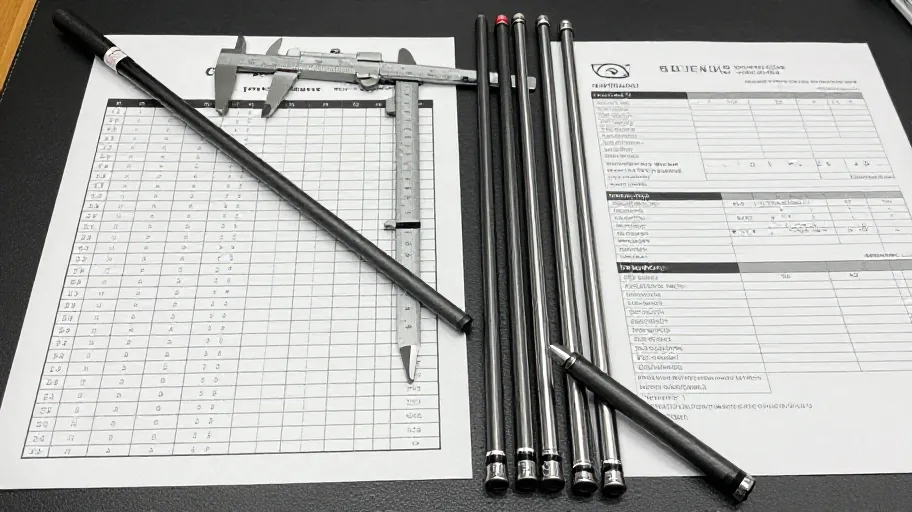
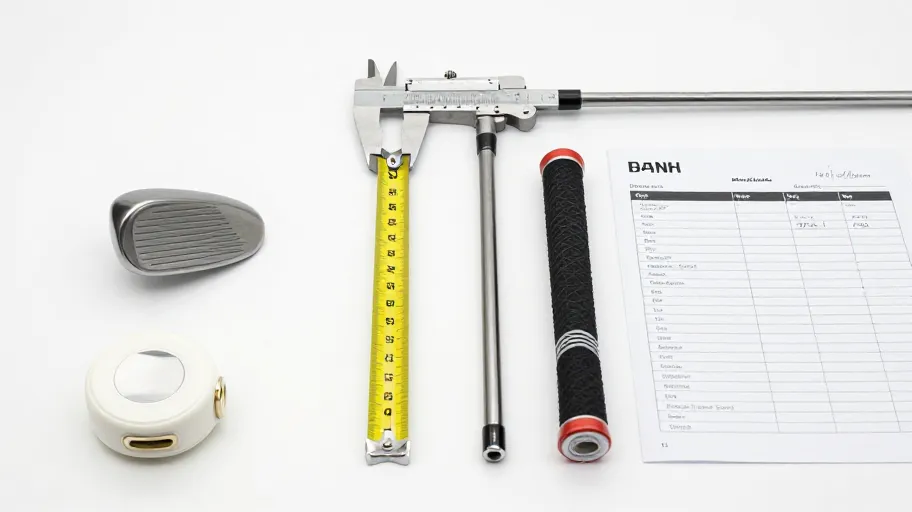
Start with what you have: measure your current clubs’ loft, lie, and shaft specs using DIY-Golf.com’s free Analyzer Tool. Then hit 10 shots with your 7-iron and record strike pattern, launch angle, and spin rate via smartphone sensor or launch monitor app.
Pick one goal—say, reducing heel strikes. That likely means your lie angle is too upright. Use a calibrated torque wrench (like the PreciseFit 3.0) to adjust the hosel slightly flatter. Re-test immediately. Did your strike move toward center? Log the result.
Each adjustment becomes a data point. Over time, your personal tuning log turns into a custom fitting algorithm—no fitter required. Players who track changes extend club life by 2–3 years and reduce dependency on retail services by up to 40%.
Master Your Swing, DIY Your Fit. DIY Golf is the premier destination for the technical golfer. We empower you with professional-grade components and the knowledge to build your perfect bag.