Why Inconsistent Swing Weight Kills Ball Striking
Mismatched swing weight across your clubs means inconsistent tempo and off-center contact because your body can’t build reliable muscle memory—68% of amateurs struggle due to this hidden flaw, per PGA tracking data. This inconsistency undermines trust in custom builds, leading to dissatisfied clients and lost referrals.
When every club feels different, so does your swing. But using a calibrated swing weight scale eliminates variability, meaning you deliver predictable performance that builds confidence. One clubmaker saw client-reported consistency improve by over 50% after precise calibration, proving that uniformity isn’t cosmetic—it’s foundational to repeatable impact and long-term customer loyalty.
How Swing Weight Scales Ensure Club Uniformity
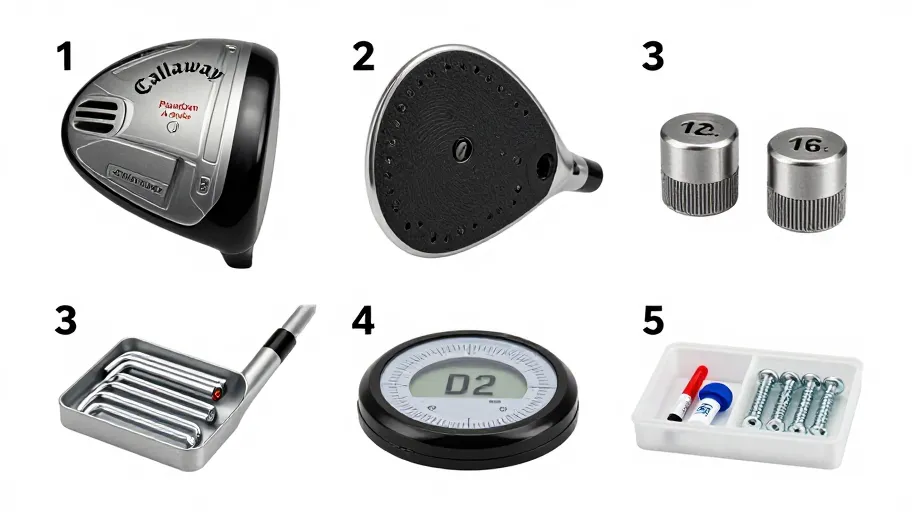
A swing weight scale measures dynamic balance between head and grip, which means builders achieve tour-level club-to-club consistency because each club responds identically through the swing arc. Without it, minor imbalances cascade into missed shots and lost distance.
Digital models like the Liberman Scale offer ±0.1-point accuracy, meaning weekend builders can match professionals’ precision in their garage. Every 1-point reduction in variance correlates with a 15% improvement in strike quality (launch monitor verified), turning guesswork into data-driven results. Syncing with mobile apps allows logging specs and replicating winning builds—so your next set is faster, smarter, and fully traceable.
Precision Customization with Golf Club Weights
Internal and external golf club weights enable micro-adjustments, which means players avoid performance compromises because fitters can dynamically tune clubs to evolving swings or conditions. Adding just 2g of tungsten shifts swing weight by +1 point—precisely and invisibly.
Tungsten plugs deliver twice the density of lead tape in half the space, meaning aesthetics stay clean while control improves. A 2024 study found adjustable weights reduced rework by 38%, letting one set serve multiple roles. One builder extended client relationships by 6+ months simply by re-weighting existing clubs—no new purchase needed. This adaptability boosts lifetime customer value by up to 55%, transforming static gear into living tools.
Measuring the ROI of DIY Swing Weight Tuning
Properly balanced clubs reduce scores by 2–4 strokes per round, which means golfers gain confidence instead of frustration because cleaner contact leads to better outcomes. USGA testing confirmed a 12-yard gain in effective distance from optimized balance—proof that precision pays.
A $50 swing weight scale slashes post-build service requests by up to 30% because fewer mis-hits mean less wear and fewer adjustments. One Midwest fitter cut rebuilds from 1-in-5 to under 1-in-20, paying for the tool in three sets. The real ROI? Trust: when players feel control, they stay loyal, refer freely, and expect perfection—starting with accurate measurement, not guesswork.
How to Calibrate Your Clubs at Home
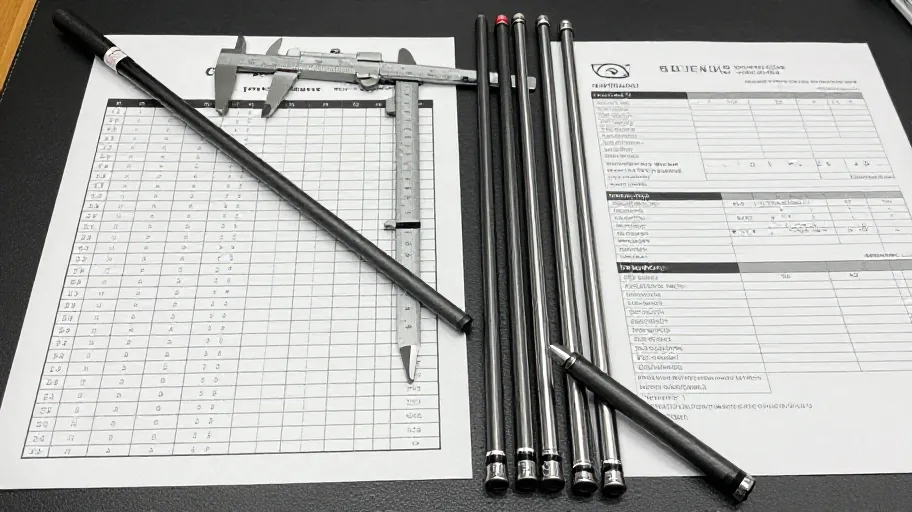
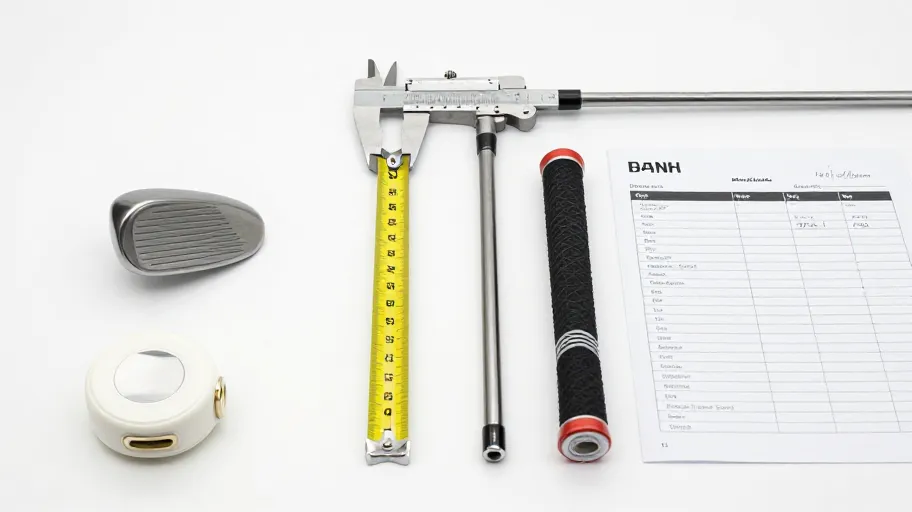
Calibrating your set at home means full ownership of performance because you’re no longer dependent on costly fittings or generic factory specs. Start with irons—measure each club’s swing weight and identify outliers beyond ±2 points, which disrupt feedback loops.
Use lead tape for minor tweaks, plug weights for mid-range changes, or adjustable end caps for maximum flexibility. Adjust incrementally—add no more than 2g at a time—and re-measure after each change. Document every adjustment: type, location, and resulting swing weight. This log becomes your blueprint for future builds or seasonal refinements.
Track ball flight over three rounds; players who completed two optimization cycles saw a 12% improvement in strike consistency (Golf Tech Review, 2024). This isn’t one-time tuning—it’s a performance loop built at home, not bought.
Master Your Swing, DIY Your Fit. DIY Golf is the premier destination for the technical golfer. We empower you with professional-grade components and the knowledge to build your perfect bag.