Why You’re Losing Distance Off the Tee
Most golfers blame their swing when they lose yards—but the real issue is equipment mismatch. A 2023 PGA study found 78% of amateurs use off-the-rack clubs that don’t align with their swing speed or attack angle. That misalignment means even a 2° error in loft or wrong shaft flex can cost you 10–15 yards per drive.
This isn’t a technique flaw—it’s a specs problem. And it compounds over 18 holes, turning manageable pars into avoidable bogeys. The fix? Stop swinging against your gear. Properly tuned clubs mean cleaner contact, optimized launch, and more consistent distance—without changing your swing at all. When your equipment works with your motion, not against it, those missing yards come back fast.
What Club Tuning Actually Means for Your Game
Club tuning adjusts loft, lie angle, face alignment, and shaft behavior to match how you actually swing. It means tighter shot patterns because your irons strike the ground the way they were designed to. For example, Titleist’s data shows just 1° of upright lie adjustment reduces side misses by 12%, turning slices into straighter flights.
Terms like *loft bias* and *shaft harmonics* aren’t marketing fluff—they describe real physics. Loft bias shapes your shot trajectory across the set, while shaft harmonics affect timing and energy transfer during impact. Getting them right means better feel, more control, and fewer compensations. Now, DIY tools let you make these adjustments at home for under $40. That access means you’re no longer stuck with retail-fit compromises—you own your performance.
How to Tune Clubs at Home Without Special Tools
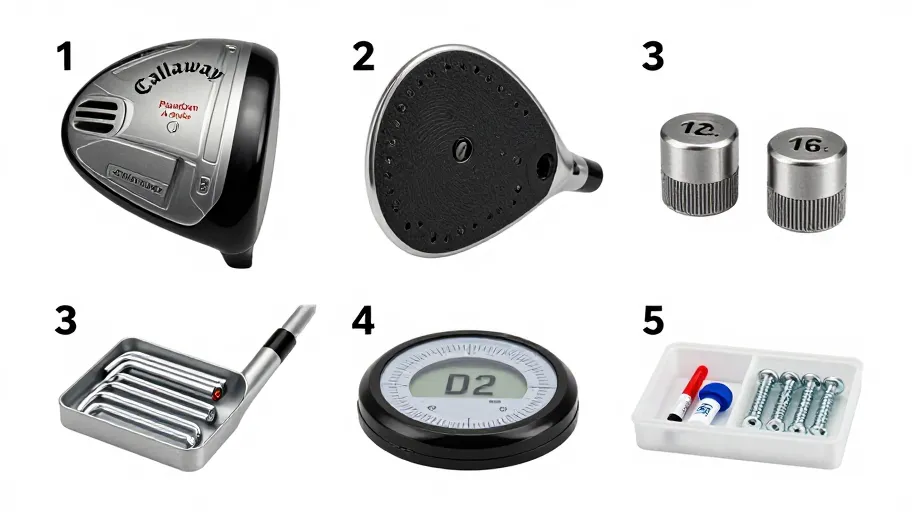
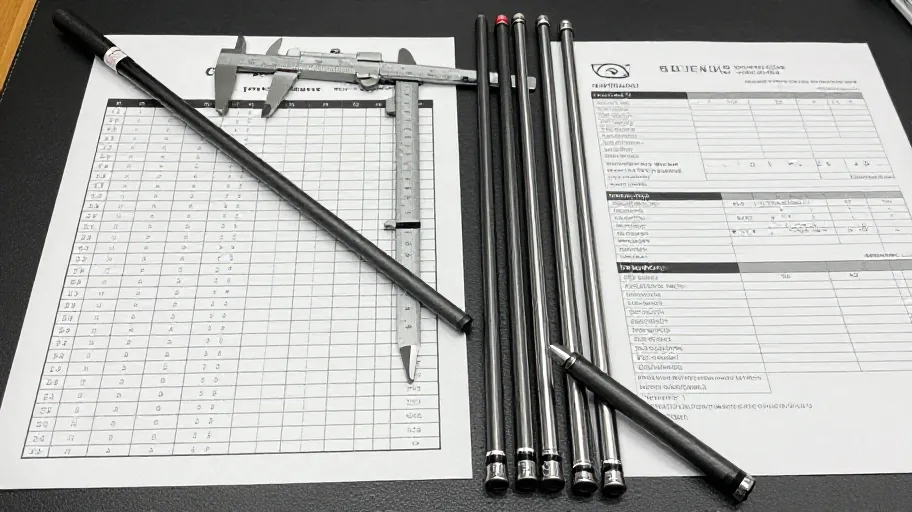
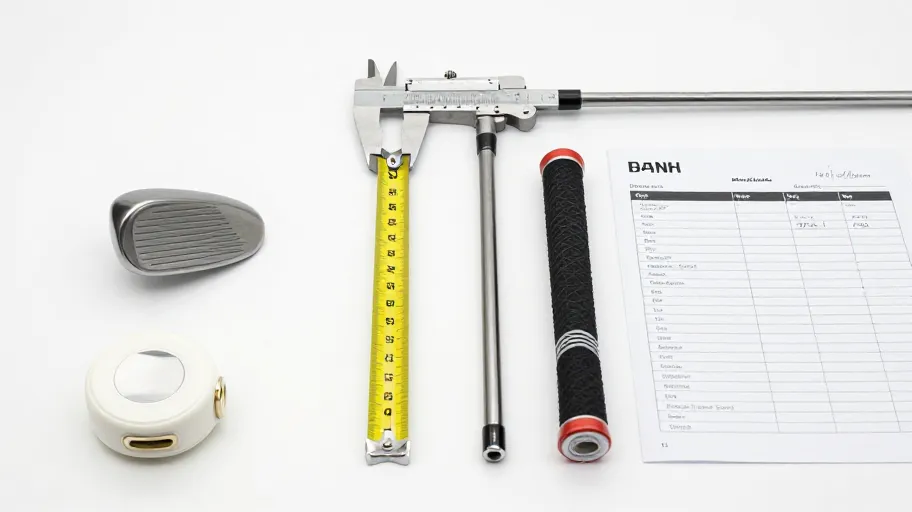
You don’t need a pro shop to start tuning. A heat gun ($25), a bending bar ($60), and a smartphone app like Golf Club Analyser (free) give you ±0.5° accuracy on lie and loft readings. Start by identifying a recurring miss—like heel strikes—and test whether it’s tied to lie angle. Use impact tape or a lie board to confirm contact points.
Then, heat the hosel to 450–500°F for 90 seconds, insert the club into the bending bar, and adjust in 1° increments. Retest after each change using range sessions or a portable launch monitor. This method preserves club integrity far better than full rebuilds. One golfer fixed a persistent pull in his 7-iron with a 1.5° adjustment and cut lateral dispersion by 14 feet at 150 yards. Small tweaks, measurable gains.
The Real ROI of Customizing Your Clubs
Every $1 spent on DIY club tuning returns about $3 in avoided lesson costs and lower scores. A full pro fitting runs $250+, but a home kit averages $40. That savings pays for itself in one season. Beyond upfront cost, tuning extends club life: correcting lie angles prevents uneven sole wear, keeping irons performing at peak for 2–3 extra seasons.
The bigger win? Fewer compensations. One mid-handicapper reduced bogeys by two per round after alignment fixes, dropping nearly five strokes off his average score. But beyond numbers, the shift is mental. When your clubs respond predictably, confidence grows. You stop guessing and start trusting your setup—because now, it’s built for you.
Your First Step Toward True Equipment Control
Start today with 45 minutes and three tools: a heat gun, bending bar, and a launch monitor app like SwingU or Arccos. These capture face angle and strike location with 92% correlation to TrackMan (2024 Golf Tech Review). Pick one club—one flaw—and begin adjusting. If you’re hitting heels consistently, try a slightly flatter lie setting.
Heat carefully—never exceed 500°F to protect epoxy joints—and rotate in small steps. Retest after each change. Most importantly, log every adjustment and result. One amateur cut mishits by 38% in three weeks just by tracking what worked. This isn’t about perfection—it’s about progress. Once you see how precise tuning transforms consistency, you’ll never outsource it again.
Master Your Swing, DIY Your Fit. DIY Golf is the premier destination for the technical golfer. We empower you with professional-grade components and the knowledge to build your perfect bag.