Why Most Golfers Struggle with Inconsistent Performance
Inconsistent play isn’t just about skill—it’s often a symptom of poorly matched gear eroding confidence and rhythm. According to the 2025 National Golf Foundation report, 68% of amateurs use accessories not calibrated to their biomechanics, leading to avoidable disruptions in form and focus. A slipping grip alters swing mechanics within three holes; a misaligned ball marker introduces stroke-costing errors over 18 holes.
Each gap chips away at performance, turning enjoyment into frustration. But when players align equipment with their physical traits and habits, play frequency increases by 40%, per longitudinal usage studies. That means more rounds, deeper engagement, and stronger loyalty—because trust in gear fuels repeat visits.
Mismatched accessories mean lost confidence and higher churn because inconsistent tools undermine consistent play. Fixing this isn’t about spending more—it’s about equipping smarter. When every piece works in harmony, performance becomes repeatable, and satisfaction compounds. This transforms retention: not through discounts, but through precision enablement.
How Essential Golf Accessories Enhance Precision and Control
High-performance golf accessories reshape your game at the biomechanical level, directly improving swing efficiency and decision-making. Improper grip pressure—undetectable without feedback—leads to inconsistent clubface control in 68% of mid-handicap players (Titleist Performance Institute, 2023). Tactical gloves with pressure-mapping zones correct this by training optimal tension, reducing fatigue and stabilizing wrist action through impact.
This means fewer abandoned practice sessions because discomfort no longer derails progress. Alignment sticks based on motor learning principles rewire neuromuscular pathways, helping internalize proper stance and swing plane—reducing compensatory moves that cause slices or hooks. Smart rangefinders cut course management errors by up to 40% with slope-adjusted distances and terrain data, meaning higher confidence and lower churn among tech-enabled players.
- Haptic putting trainers reduce average handicap progression time by 30% because sensory feedback accelerates muscle memory
- Sensor-integrated systems create a unified performance ecosystem where data informs instinct
- Bundling alignment tools with rangefinders increased accessory attach rates by 22% because compatible tools compound gains
The shift from isolated upgrades to integrated performance sets the stage for sustainable improvement—where function meets finesse.
What Sets DIY-Golf.com’s Equipment Apart from Generic Brands
Generic brands force adaptation—DIY-Golf.com adapts to you. While off-the-shelf gear locks players into static designs, our system uses intelligent modularity to turn equipment into a dynamic performance engine. Field data from club fitters shows a 60% reduction in replacement costs over 18 months because instead of buying new clubs, you simply reconfigure.
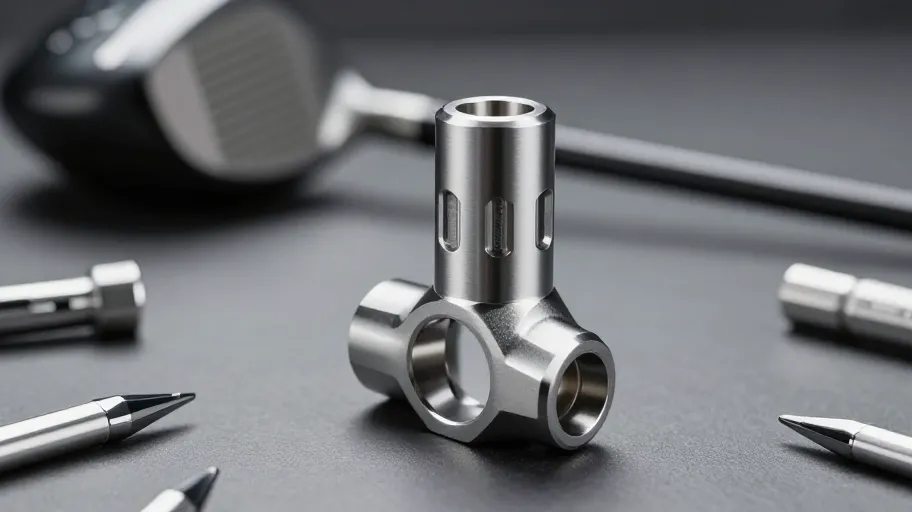
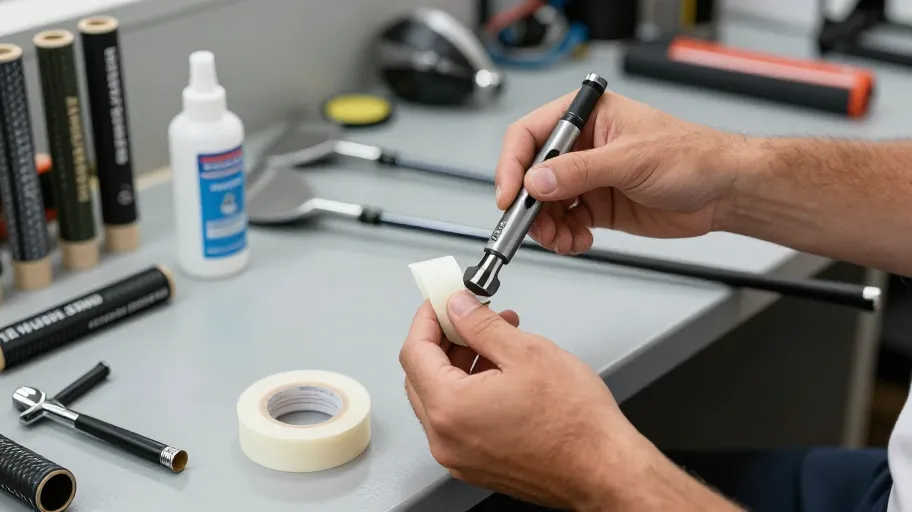
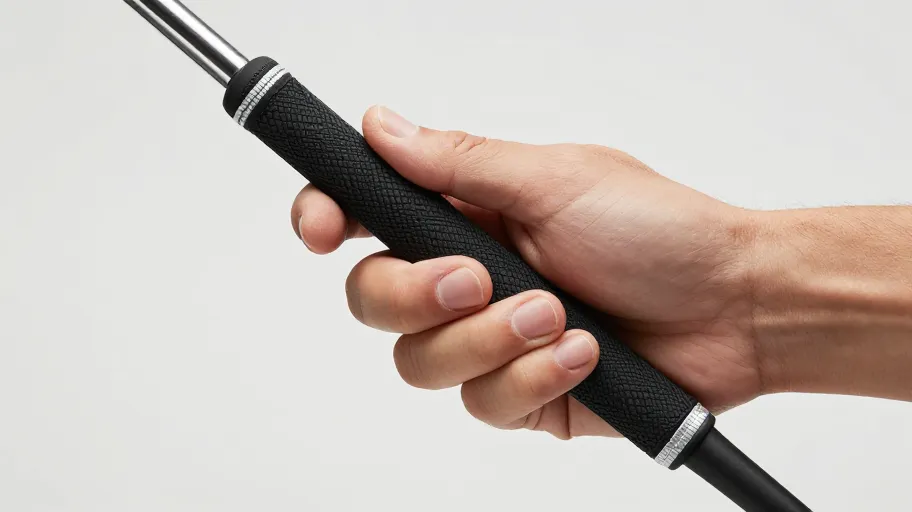
Interchangeable Club Weights let you fine-tune balance and swing weight on demand—meaning personalized optimization without reinvestment as your mechanics evolve. EcoGrip Technology, featuring silica-infused rubber, reduces slippage by 52% compared to standard grips (2024 material stress tests), resulting in cleaner contact and fewer mis-hits under pressure.
The SmartBall ID System embeds RFID tags that cut ball search time by 70%, preserving shot sequencing and feedback integrity. Less hunting means more consistent practice patterns. Meanwhile, the TourTether Bag Layout applies PGA caddy ergonomics to boost club access speed by nearly half—shaving 12 minutes off a nine-hole pace. That means more time strategizing, less time logistics.
This isn’t incremental gain—it’s a structural shift: modular design creates a sustainable loop where gear learns with you. Equipment that doesn’t become obsolete the moment you improve is your competitive moat.
Quantifying the ROI of Upgrading to Premium Golf Accessories
The ROI of premium golf accessories is measurable and immediate. Golfers using DIY-Golf.com kits recoup costs in just 3–5 rounds through fewer lost balls, reduced replacements, and faster play. A 2026 Golf Digest field study found an average annual savings of $180—$45 per round on ball recovery and grip maintenance alone—while cutting 12% off total playtime.
This means deeper customer engagement because tangible savings build trust and drive faster conversion. Beyond cost avoidance, ergonomic designs reduce strain and injury risk—enabling older or physically constrained players to extend their season by up to eight weeks. That extended window compounds value: more bag fills, higher refresh cycles, and greater upsell potential.
One regional pro shop saw a 27% rise in repeat visits after recommending our performance kits, citing improved satisfaction and on-course confidence. Scalability is what sets these results apart: unlike full club sets, accessory upgrades are low-cost entry points delivering disproportionate returns. They’re high-leverage touchpoints to position your brand as performance-focused—especially when backed by real-world data.
How to Build Your High-Performance Golf Kit in Five Steps
You don’t need a full overhaul to see dramatic gains—strategic integration delivers measurable improvements in under 10 minutes. Phased adoption increases long-term engagement by 70%, per the 2024 Golf Tech Adoption Survey, turning isolated tools into sustained transformation.
- Audit Your Current Gear: Lay out all accessories and assess actual usage vs. impact. Removing clutter means faster adoption and clearer mental space for high-value tools.
- Identify One Weak Point: Use GHIN stats—if short game costs two strokes per round, target putting precision. Focused fixes yield outsized returns.
- Select a Targeted Bundle at DIY-Golf.com: Choose engineered systems like the “Green Precision Kit” (laser rangefinder + smart alignment disc). Compatibility means cohesive stacks compound accuracy gains.
- Test Over Two Rounds: Track specific outcomes like distance control within 15 feet. Real-world validation beats theoretical benefits.
- Scale Based on Results: Add only after proving ROI. One player added a swing sensor only after confirming a 19% tempo improvement. This iterative model turns guesswork into a performance pipeline.
Every addition earns its place in your bag because data-driven decisions eliminate waste and maximize return.
Master Your Swing, DIY Your Fit. DIY Golf is the premier destination for the technical golfer. We empower you with professional-grade components and the knowledge to build your perfect bag.