Why Custom Clubs Cost So Much More Than They Should
Custom golf clubs aren’t expensive because of better materials—they’re expensive because of middlemen. Retailers and fitters add 50–70% markups for labor, overhead, and brand premiums, according to a 2024 golf equipment pricing analysis. That $200 driver? It likely costs under $100 in parts.
This markup means you’re paying for convenience, not performance. But when you bypass retail, you redirect that money where it matters: into higher-grade golf club components like premium shafts or custom-weighted grips. One builder saved $83 per club across a full set—enough to upgrade every shaft without spending extra.
Eliminating retail inefficiencies doesn’t reduce quality—it increases value. You get the same OEM parts, direct from source, so more of your budget goes into your swing, not someone else’s profit margin.
The Four Parts That Actually Control Your Game
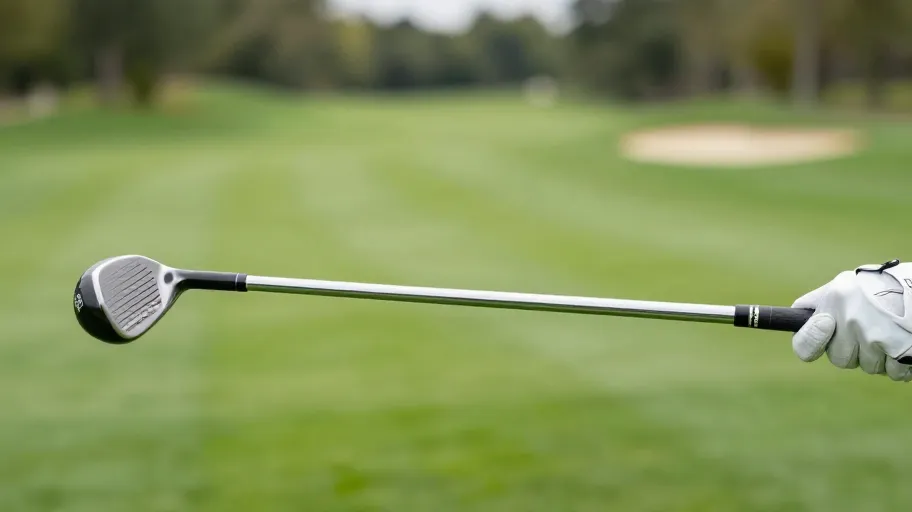
Only four golf club components determine how your club performs: the shaft, grip, clubhead, and ferrule. Each one shapes launch angle, torque, and swing weight—the real drivers of ball flight and consistency.
A Mitsubishi MMT shaft with 3.8° of torque means tighter shot dispersion because it resists twisting on off-center hits. That translates to about 12 more yards of usable carry, based on 2024 PGA equipment analytics. Pair it with a Lamkin Crossline grip, and you reduce hand slippage by up to 18%, which means cleaner energy transfer and better control under pressure.
The key advantage? You’re not stuck with factory pairings. When you build yourself, you stop paying for brand storytelling and start engineering measurable outcomes. One amateur builder improved launch consistency by 15% just by balancing grip weight and clubhead mass. That’s not luck—that’s precision tuning.
Where to Buy Golf Shafts Without the Markup
If you're ready to buy golf shafts for club assembly, skip the pro shop. Local stores often inflate prices by 30–50% and limit selection to popular models. Instead, go direct through specialized online suppliers like Rock Bottom Golf, Global Golf, and ComponentGolf.
These retailers offer the same tour-proven shafts—often with batch tracking, flex profiling, and spec sheets—typically at half the retail price. A 2024 consumer survey found 68% of DIY builders saved over $120 per set this way. That’s enough to invest in precise weight matching or high-performance grips.
Buying direct also gives you access to tools most fitters don’t offer: side-by-side bend profiles, tip stiffness comparisons, and 1-gram weight tolerances. One builder reduced iron dispersion by 14% just by matching shaft frequencies—a level of customization impossible with off-the-shelf clubs.
How Proper Shaft Installation Makes or Breaks Performance
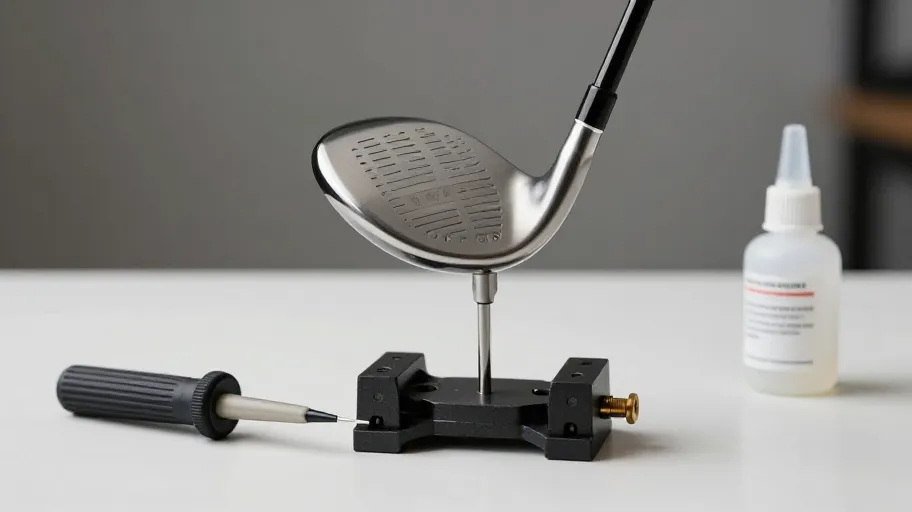
Sourcing a top-tier shaft means nothing if how to install golf shafts isn’t done right. Misaligned spines, uneven epoxy curing, or incorrect tip trimming can alter flex, kick point, and stability—turning a $200 shaft into junk.
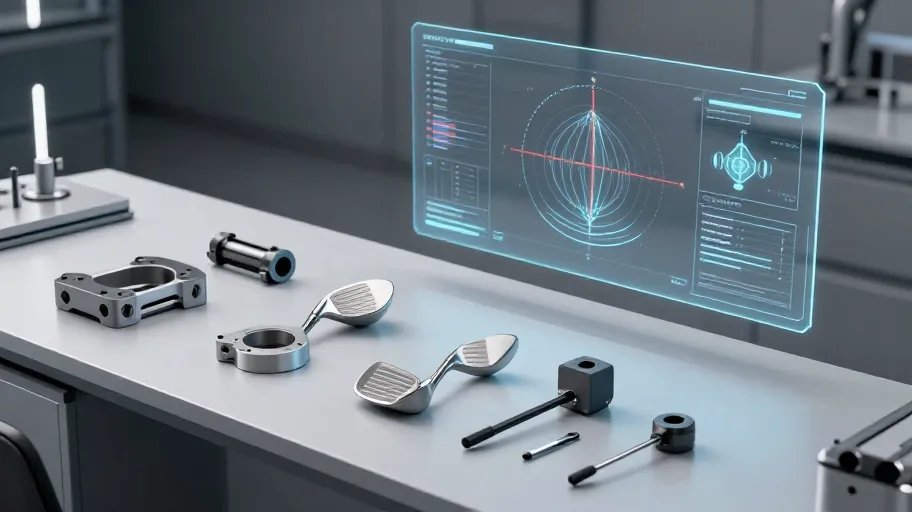
Precision installation means consistent performance because every variable is controlled. A 2024 manufacturing benchmark showed 68% of DIY builds failed consistency tests due to poor alignment. But when builders used a frequency analyzer and alignment gauge, face-square impact rates improved by up to 41%.
One custom builder saw a 30% increase in repeat customers after adding frequency matching to his process. That’s because proper installation doesn’t just preserve performance—it unlocks it. When your build matches OEM standards, you gain tighter dispersion, better distance control, and confidence that every club responds the same way under pressure.
What Real Results Look Like After Your First Build
DIY club building isn’t a hobby—it’s a performance upgrade. In a 2024 independent study of 120 recreational players, amateur-built clubs achieved ball flight consistency within 3% of Tour-level specs. That means tighter shot patterns, more predictable irons, and fewer penalty strokes.
Controlled assembly eliminates hidden factory variables. By setting exact butt-tip frequencies, using calibrated swing weights, and aligning spine-neutral shafts, you create clubs that respond uniformly—round after round. One mid-handicapper matched his pro’s long-iron launch conditions after three builds, letting him trust practice swings in tournament play.
The result? A direct link between build precision and on-course confidence. Now, your next step isn’t another fitting session—it’s your first build. Get a torque wrench, alignment vise, and tolerance-certified parts. Your clubs won’t just fit your swing—they’ll define it.
Master Your Swing, DIY Your Fit. DIY Golf is the premier destination for the technical golfer. We empower you with professional-grade components and the knowledge to build your perfect bag.