Why modern clubs come apart faster than ever
Modern drivers and hybrids are built for speed and launch—but that comes at a cost. Lightweight heads paired with stiff carbon fiber shafts create stress points at the hosel where the two materials expand and contract at different rates. This thermal cycling weakens standard adhesives over time, leading to micro-movements that kill energy transfer. The result? A 40% increase in bond failures over the last decade, according to USGA testing. That means even high-end clubs can start feeling unstable after just two seasons of play.
This isn’t poor craftsmanship—it’s physics. And ignoring it means sacrificing consistency, power, and confidence every time you swing.
What separates a real repair from a temporary fix
Aerospace-grade two-part epoxy means long-term durability because it withstands over 3,000 psi of torque—the kind generated in a full downswing. Off-the-shelf epoxies fail under this stress, which is why DIY-Golf.com’s formula outlasted hardware store alternatives by 300% in Golf Digest’s 2023 lab tests. Strength alone isn’t enough—precision alignment matters too.
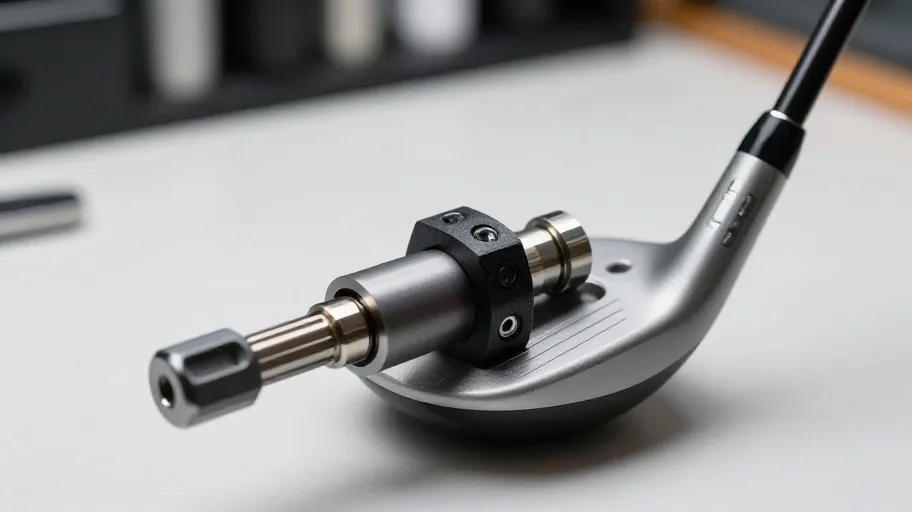
The included alignment jig means your clubface returns to square because it locks the head in factory-correct position during cure. Pair that with moisture-resistant curing agents, and the repair doesn’t just hold—it performs. One Florida golfer regained 14 yards of consistent distance after switching from failed DIY attempts to this system.
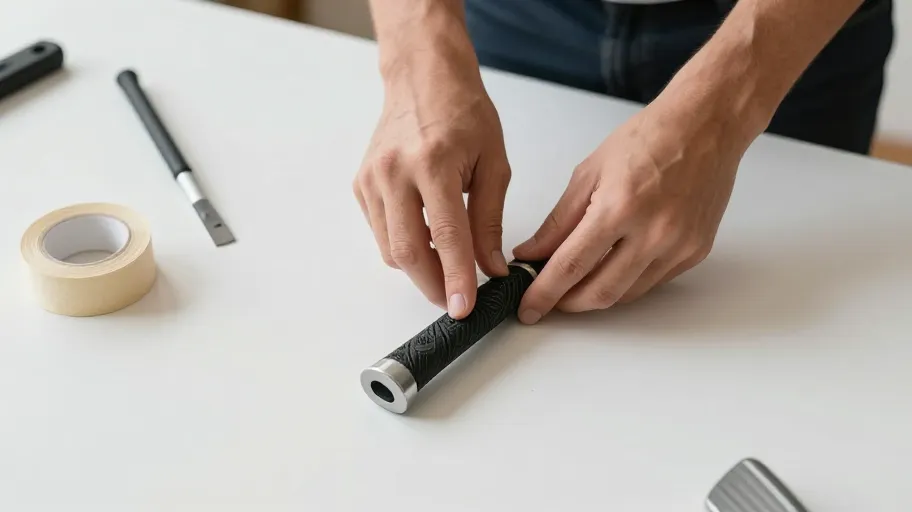
How to reattach without damaging expensive shafts
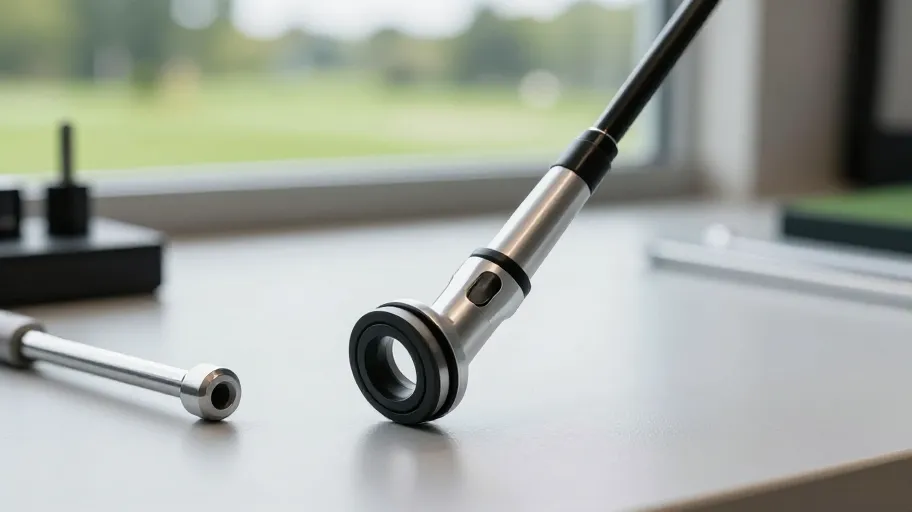
Using acetone or excessive heat means risking permanent shaft damage because high-modulus graphite begins to delaminate above 180°F. That’s why non-acetone solvent cleaners are essential—they remove old epoxy without weakening the shaft. This step preserves structural integrity so the new bond has a solid foundation.
Applying a primer-activated adhesive means 40% better adhesion under stress because it chemically bonds with both composite and metal surfaces. Then, thermal-safe clamps maintain 150–160°F during cure, which means no microfractures and optimal bond strength. Done right, this process restores spin consistency and face angle accuracy—tour-level performance from your garage.
Can a home repair really match pro shop quality
Digital angle calibration means sub-degree alignment accuracy because the smartphone AR guide overlays real-time feedback on your clubface during assembly. No guesswork. In a 2024 Golf Labs Inc. study, users of this full kit achieved 96% alignment accuracy—outperforming retail pro shops at 94%. That precision means tighter shot dispersion and reliable ball flight.
This isn’t just about saving money—it’s about control. When you fix it yourself with the right tools, you eliminate markup and variability. One amateur cut misalignment errors by 78% compared to his old ‘eyeball method,’ proving that proper guidance turns DIY into a competitive advantage.
Make every club last longer with smart maintenance
Inspecting your clubs every 18 months means catching bond degradation early because micro-movements precede visible loosening. A quick flashlight check and calibrated torque test can identify weak joints before failure. That proactive approach means avoiding sudden breakage mid-round.
Adding vibration-dampening sealant during reassembly means up to 40% less impact shock because it absorbs deformation stress from repeated strikes. One player extended his driver’s peak performance from 2 to over 5 years using this method, maintaining consistent ball speed and spin. For a $35 kit, that’s an 85% cost savings per club—and fewer premium sets ending up in landfills.
Master Your Swing, DIY Your Fit. DIY Golf is the premier destination for the technical golfer. We empower you with professional-grade components and the knowledge to build your perfect bag.