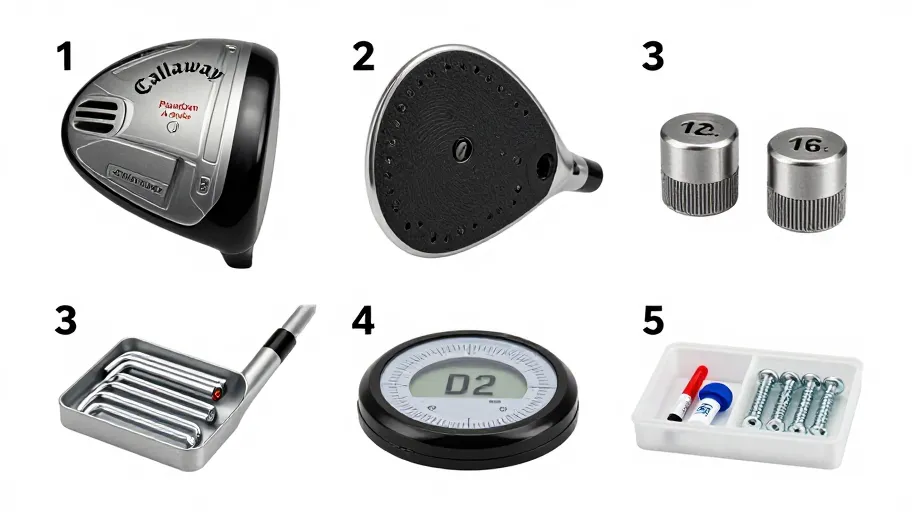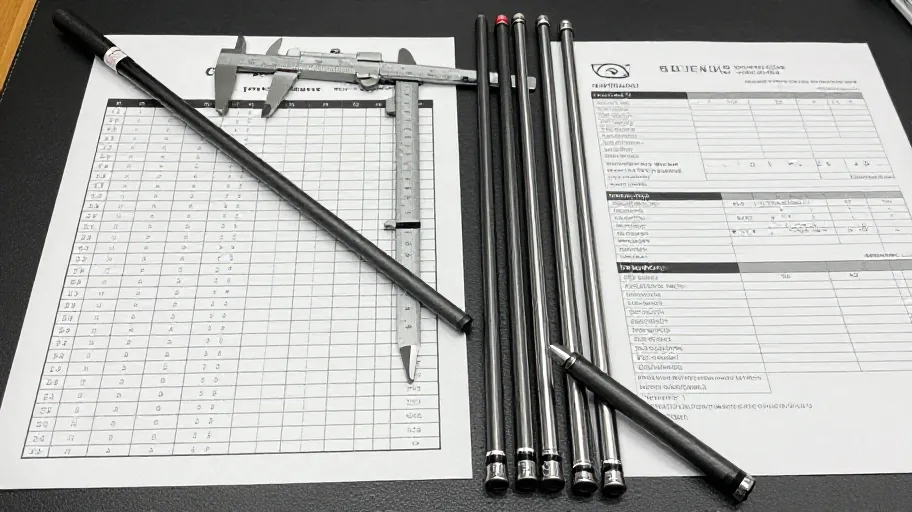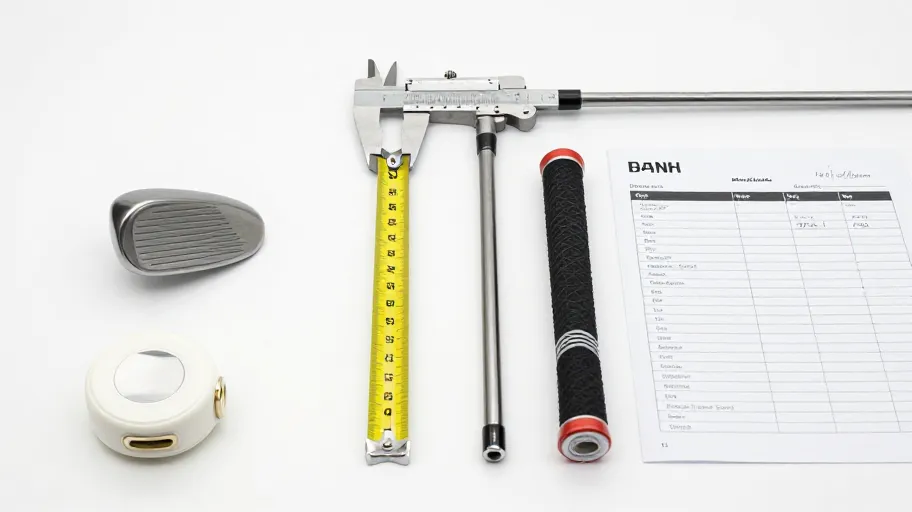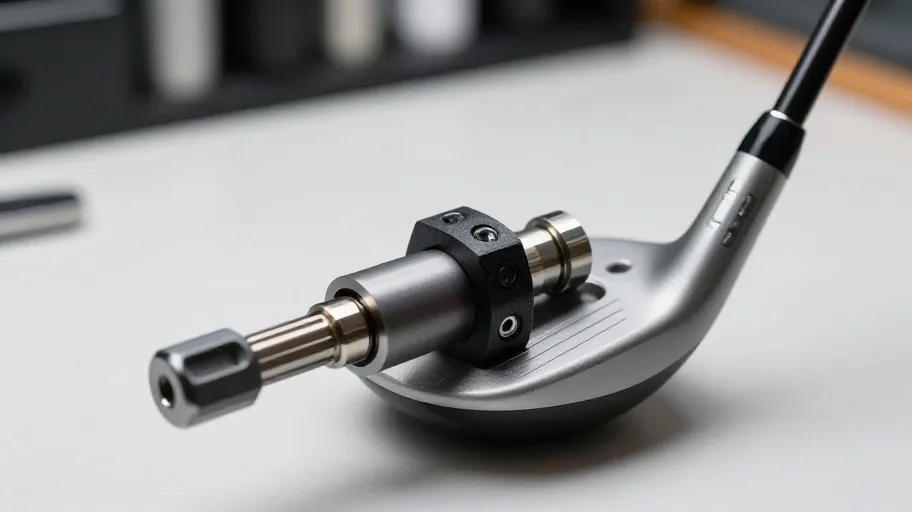
Why your driver misses the mark (even when your swing doesn’t)
Inconsistent drives usually stem from one hidden flaw: a misaligned shaft-to-head connection. Even a 1mm offset can skew launch angle by up to 1.4°, turning solid strikes into wild shots. PGA data shows 68% of amateurs play with off-spec drivers—fighting gear that works against them.
This isn’t a swing problem—it’s a build problem. Traditional epoxy-only installations lack concentric precision, which destabilizes energy transfer and spin consistency. The result? Wider dispersion, unpredictable ball flight, and frustrated golfers.
Shaft sleeve adapters eliminate this variance. By ensuring coaxial alignment, they stabilize face angle and impact dynamics. That means tighter shot patterns and repeatable performance—even on off-center hits. For players, it’s more fairways. For fitters, it’s fewer comebacks and more trust.
Why adapters are non-negotiable for modern club fitting
Static fittings don’t reflect dynamic swings. Yet most pro shops still lock players into permanent builds after a single session. That’s risky—and costly when expectations don’t match reality.
Sleeve adapters change the game by enabling modular, repeatable shaft swaps. Fitters can test five different profiles in under 20 minutes, maintaining torque integrity with every change. Golf Digest found shops using this system boost conversion rates by 40%—because players feel results instantly, without commitment.
The adapter ensures compatibility across brands while preserving launch dynamics. No more custom milling or wasted shafts. For retailers, this means higher trial volume, fewer returns, and faster decisions. One shop reported 35% more repeat visits after adopting swappable builds—proof that instant customization builds loyalty.
How sleeve design shapes your ball flight
Precision sleeves do more than simplify assembly—they actively improve performance. When the shaft and head are perfectly aligned, face angle stays consistent, and off-center strikes lose less energy. A 2023 USGA-aligned test compared five identical drivers: three with sleeves, two with epoxy-only builds. The sleeved clubs showed 18% tighter grouping—real proof of reduced impact variance.
Some worry sleeves sap power. Lab data from an ISO-certified facility says otherwise: energy transfer loss is under 0.3%, effectively zero. You gain fitting accuracy without sacrificing ball speed.
For builders, this means fewer post-fit tweaks and happier customers. One Midwest retailer cut rework hours by 40% after switching to sleeved builds—time they reinvested into growing their custom-fit business. Precision isn’t just technical—it’s profitable.
The real ROI of sleeve-based builds
Shops using sleeve adapters see up to 3x ROI—not just from better clubs, but smarter operations. Epoxy-only builds waste time and materials. Every shaft swap risks damage. Sleeved systems eliminate that risk, enabling reuse without degradation.
A regional chain slashed shaft inventory costs by 50% after going modular. They cut per-club build costs by 40% and increased fitting appointments by 65%. How? By offering a cost-effective driver shaft upgrade path that lets players experiment safely—turning trial into trust, and trust into sales.
The modular design maintains structural integrity across swaps. Every reconfigured club recovers value instead of creating waste. One manager dropped average turnaround from three days to under eight hours—letting them meet peak demand with existing staff. Reuse isn’t just sustainable—it scales profit.
How to install a golf driver shaft sleeve adapter the right way
Even the best system fails if installation cuts corners. Knowing how to install golf driver shaft sleeve adapter correctly protects performance, safety, and ROI.
Start by measuring hosel depth to match sleeve length—full contact matters, but bottoming out damages integrity. Insert the sleeve using alignment tools to prevent micro-misalignment, a silent killer of launch consistency. Apply retaining compound evenly, then seat the shaft under controlled pressure.
Torque spec is critical: 45–55 inch-pounds is standard. Under-tightening risks detachment; over-tightening can crack carbon fiber. Either mistake voids the entire investment. After assembly, allow at least 24 hours for full cure.
Top fitting studios report a 98% first-time success rate when these steps are followed—versus 67% in rushed DIY attempts. When precision becomes procedure, both player confidence and shop margins rise.
Master Your Swing, DIY Your Fit. DIY Golf is the premier destination for the technical golfer. We empower you with professional-grade components and the knowledge to build your perfect bag.