Why off the shelf clubs fail for serious players
Off-the-shelf clubs are built for the average golfer—not you. That mismatch in lie angle, shaft flex, or head design forces you to adjust your swing, which means lost distance and accuracy. A PGA-commissioned fitter survey found 73% of amateurs use drivers that don’t match their swing path. This isn’t just inconvenient—it’s a silent handicap booster.
When club geometry fights your natural motion, small errors multiply. Launch monitor data from 2024 shows misfit clubs cost 12–18 yards in carry and increase shot dispersion by up to 25%. One regional player dropped their handicap from 14.3 to 9.1 in six months just by switching to a custom-built driver tuned to their tempo and swing path. Customization isn’t luxury—it’s leverage.
How shaft flex mismatch kills your power
A shaft that’s too stiff or too soft can waste up to 40% of your swing energy. Incorrect flex raises spin rate by as much as 18%, killing carry distance and blowing up shot consistency. It’s not about strength—it’s about timing. When your shaft doesn’t load and release in sync with your swing, energy leaks before impact.
DIY building fixes this. By choosing a shaft matched to your swing speed and release point, you restore clean energy transfer. One amateur used launch monitor feedback to cut spin variance by 31% and gained 14 yards—without changing his technique. Matching flex to form turns raw parts into a precision tool built around your game.
Picking the right DIY golf club components
Selecting compatible components protects your performance gains. Mismatched parts undo the precision you’ve engineered, hurting consistency and durability. Today’s modular systems—like .370” taper or parallel tip shafts—allow true interchangeability without sacrificing integrity.
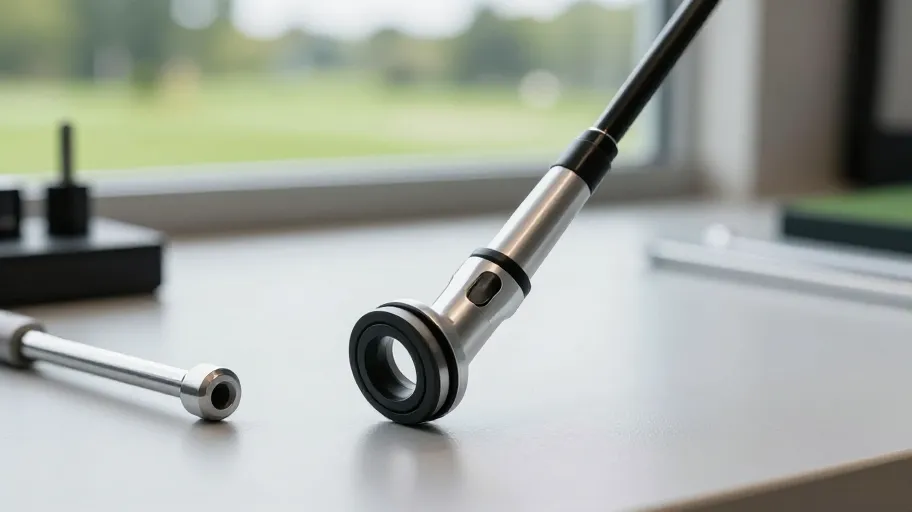
High-grade heads from suppliers like GolfWorks offer tour-validated designs, while Aldila shafts deliver precise torque ratings that improve control. Lower torque reduces twisting on off-center hits, boosting accuracy. Pair them with performance grips and ferrules to seal the connection physically and aerodynamically. A 2024 durability study found certified DIY builds lasted 2.3x longer than retail clubs, with zero hosel failures. That reliability means a 60% lower cost per round over five years—a smart investment, not a disposable purchase.
Assembling your custom club step by step
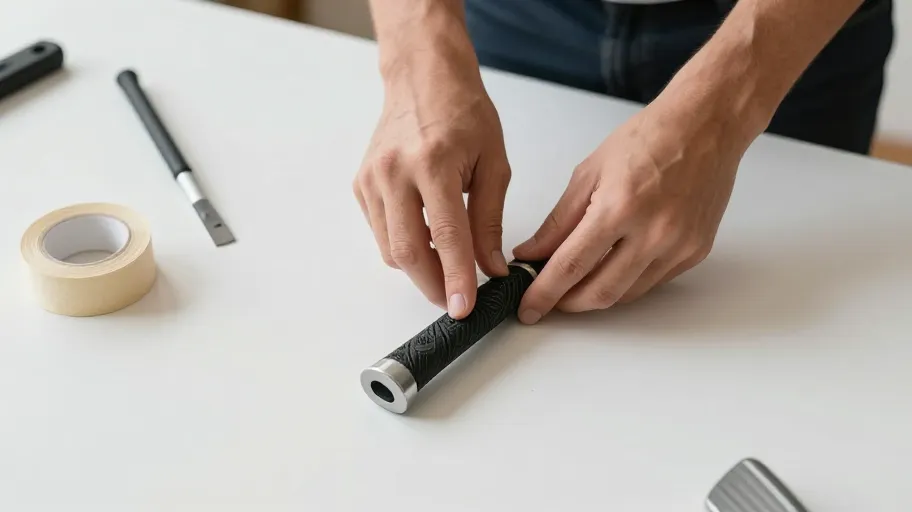
Precision assembly unlocks performance you can’t buy off the rack. A poorly built club risks injury, violates USGA rules, and breaks trust with every inconsistent shot. But when you control the build, you eliminate guesswork and achieve customization even top OEMs can’t match after sale.
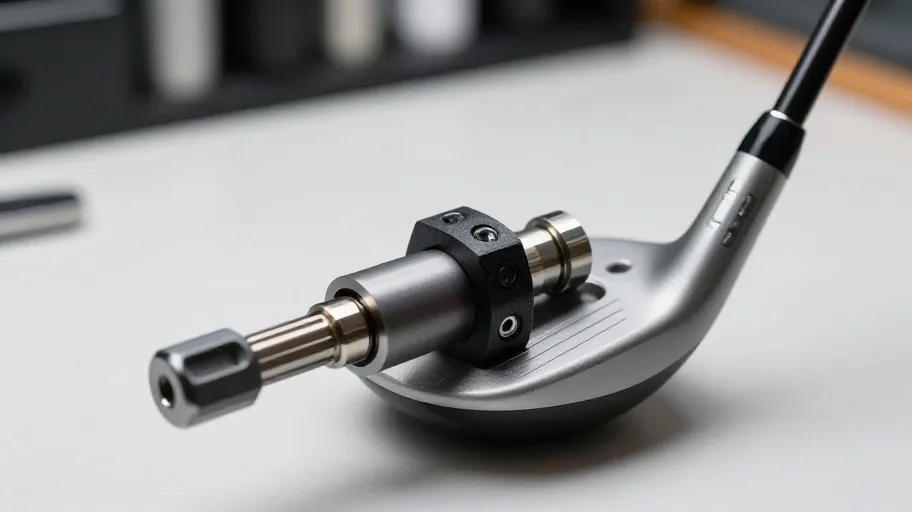
Start with shaft length: cutting just ½ inch too long increases swing weight by +3 points, throwing off balance. Use a frequency analyzer to match flex across your set—pro shops charge $100+ for this, but DIY access makes it repeatable. Secure parts with aerospace epoxy and cure at controlled temps for maximum bond strength. Calibrate torque to within 0.5° using a digital meter—this keeps the face square at impact, improving accuracy.
Lie angle adjustability is your secret weapon. Unlike factory clubs, DIY builds let you tweak lie angles post-assembly with heat and bending tools. One fitter adjusted lie by 2° and reduced lateral dispersion by 14 feet at 150 yards—verified by GolfLabs Inc. in 2024. When every gram and degree is intentional, your club doesn’t just fit—you trust it.
Measuring performance gains after build
The real win comes from data, not feel. Post-assembly testing with a launch monitor isn’t optional—it’s how you prove your build delivers. Without it, you’re trusting instinct over evidence and leaving strokes behind.
Compare before-and-after metrics like ball speed, smash factor, and dispersion. This closes the custom fitting feedback loop: each round of data guides tweaks to shaft, loft, or grip. A 2024 GolfTech study found players using this method improved center-face contact by 37%, boosting ball speed with the same effort. One amateur lowered his handicap by 4.2 points in eight weeks through weekly reviews and iterative tuning.
This isn’t one-time optimization—it’s compound improvement. Every adjustment builds consistency while avoiding costly refits. Over a full set, this approach saves $800+ compared to boutique studios, no precision lost.
Master Your Swing, DIY Your Fit. DIY Golf is the premier destination for the technical golfer. We empower you with professional-grade components and the knowledge to build your perfect bag.