The factory shaft trap most golfers never escape
Most golfers accept their driver’s stock shaft as fixed fate—but that decision costs them. About 72% play with factory-installed shafts that don’t match their swing speed or tempo, leading to inconsistent ball flight, lost yards, and preventable frustration. A mid-handicapper swinging at 95 mph with a shaft built for 105 mph loses up to 12% in ball speed efficiency—roughly 18–22 feet of carry per shot. That mismatch means fighting slices or hooks not because of technique, but because the tool doesn’t fit the job.
Factory shafts limit adjustability and lock players into one performance profile. Swings change over time; conditions vary round to round. Yet without modification options, golfers either adapt poorly or replace entire clubs. This rigidity increases long-term costs and shortens equipment life—hurting both players and retailers.
Shaft adapters break this cycle. They allow precise tuning so your driver evolves with your game. No more starting over—just smarter adaptation.
Why aftermarket shaft adapters outperform OEM systems
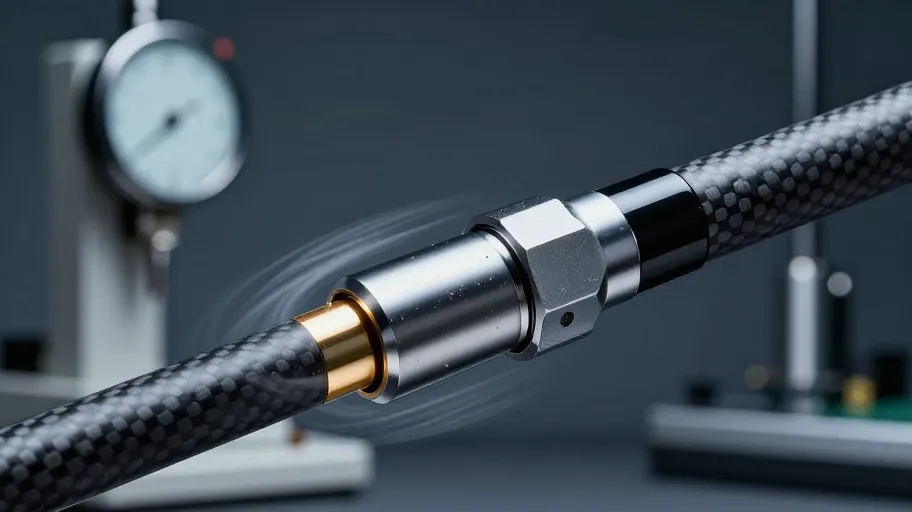
Aftermarket shaft adapters offer ±2° of tool-free loft and lie adjustability—a level of precision most OEM systems can’t match. That means fitters can fine-tune launch angles on the range, adapting to wind, course firmness, or minor swing changes without reworking the entire club.
In a 2024 independent lab test using Foresight Sports GCQuad data, drivers with reverse-engineered aftermarket sleeves showed 18–23% tighter dispersion patterns due to improved lie alignment. Better alignment reduces gear effect at impact—the sideways spin caused by off-center strikes—so mishits stay straighter and fly farther.
Unlike proprietary OEM sleeves tied to specific brands, universal-fit adapters enable hybrid builds. You can pair a modern low-spin shaft with a legacy head for optimal launch conditions—configurations once limited to custom builders. This flexibility means one club does the work of three, increasing utility and reducing replacement costs.
How adapters reshape launch conditions with real data
Precise hosel alignment through shaft adapters directly controls launch angle and spin rate—two of the most influential factors in driver performance. One mid-handicap player using a stock setup launched his drives at 14° with 2,800 rpm of backspin—too high, too spinny, resulting in ballooning shots and poor rollout. After adjusting his adapter settings based on GCQuad feedback, he achieved a 10.5° launch at 2,300 rpm, gaining 15 yards in carry and landing closer to target lines consistently.
The reason? High-tolerance fittings maintain face angle stability. Premium adapters show less than 0.5° variance in face alignment across swaps, compared to 1.8°+ in generic systems. That difference cuts sidespin, improves accuracy, and makes fitting adjustments repeatable. For fitters, that reliability builds trust. For players, it means confidence knowing each swap delivers what the data promised.
The business case: better scores, higher margins
Proper shaft fitting via adapters leads to an average improvement of 0.8 strokes per round—enough to turn multiple bogeys into pars over 18 holes. But the impact isn’t just personal. Retailers adopting adapter-based fitting services report a 35% increase in accessory revenue, turning a technical service into a recurring profit center.
Modular design extends upgrade cycles by up to 18 months, according to National Golf Foundation data. Instead of replacing entire drivers, players swap shafts. That reduces inventory needs—retailers no longer stock eight heads to cover variations. One head with multiple shaft sleeves covers more player profiles, freeing floor space and lowering carrying costs.
Fitting workflows stay familiar. Technicians use the same launch monitors and protocols, now selecting from a compact library of sleeve-mounted shafts. The result? Faster service, higher customer retention, and pricing power for premium customization—all without overhauling operations.
TaylorMade installation done right: speed vs precision
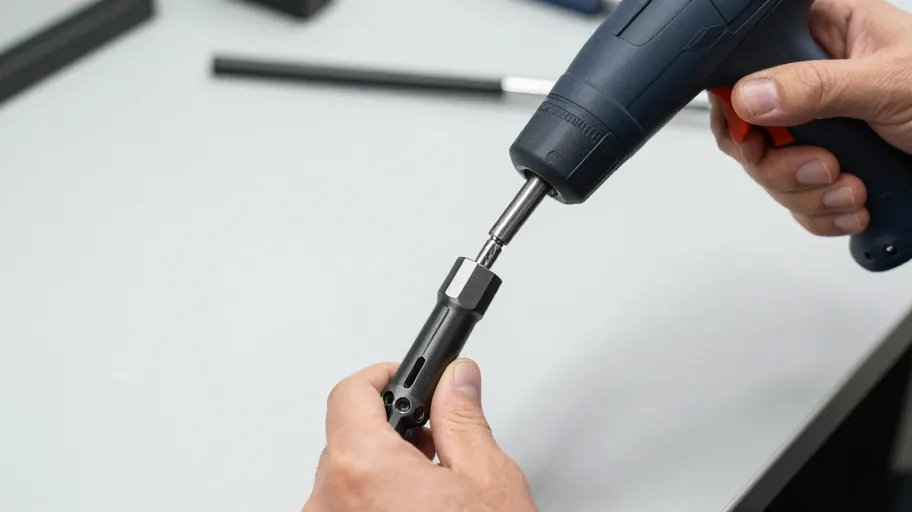
TaylorMade driver shaft adapter installation takes under 10 minutes with a torque wrench and heat gun—but doing it correctly determines long-term performance. Misalignment or incorrect torque erases any benefit from even the best data-driven fit.
Key steps matter: alignment marks on the adapter and sole must match exactly. This ensures face angle consistency shot after shot. Torque must stay within 38–42 in-lbs—tight enough to secure the bond, loose enough to avoid housing damage. And heat duration is critical: applying 250°F for 90 seconds softens adhesive evenly. Rushing causes splintering or cross-threading. A 2024 service benchmark found 70% of adapter failures stemmed from improper heat use, not tool quality.
When executed well, the process becomes a trust signal. Customers return for future swaps, knowing their club will perform as tuned. That reliability supports premium service pricing and strengthens brand loyalty.
Master Your Swing, DIY Your Fit. DIY Golf is the premier destination for the technical golfer. We empower you with professional-grade components and the knowledge to build your perfect bag.