How Often Should You Actually Replace Golf Grips
Most serious golfers go 12 to 18 months between regripping — or after 30 to 40 rounds — because that’s when rubber compounds begin to break down from sweat, UV exposure, and friction. Sticking with old grips means you’re fighting unnecessary hand fatigue and inconsistent clubface control, because degraded material can’t transmit feedback accurately. A 2024 PGA survey found 68% of amateurs play with grips past peak performance, unknowingly adjusting their swing to compensate. In humid climates or for weekly players, wear accelerates by up to 40% in one season — meaning soft, tacky feel turns slick and lifeless fast. Replacing grips on schedule isn’t upkeep — it’s preserving the link between your hands and your shot shape.
Signs of Worn Golf Grips You Can’t Ignore
Hard, shiny, cracked, or slippery grips aren’t just ugly — they’re dangerous to your game. Lab tests show worn surfaces lose up to 35% of their friction, forcing you to grip harder to maintain control. That extra pressure increases forearm strain and risks overuse injuries over time. Cracks deaden feel, masking swing flaws like early release or casting. Discoloration signals chemical breakdown from oils and sunlight, weakening structural integrity. Loss of texture kills touch, especially in damp conditions. The fix? Try the 'tongue test': lick the grip and press lightly. If it doesn’t stick slightly, it’s lost tackiness. One player reduced miss-hits by 40% just by replacing glazed grips — no swing changes, no coaching. Early detection means fewer compensations, better consistency, and longer-lasting mechanics.
Why Premium Golf Club Grips Beat Stock Models
Stock grips are built to meet price targets, not performance standards. Aftermarket golf club grips use advanced rubber blends and moisture-wicking cores that stay tacky in rain or heat, so you maintain control without death-gripping the club. Variable thickness models let you fine-tune hand alignment — thicker under the lead hand reduces wrist hinge, promoting a smoother release. A 2024 Golf Digest trial showed players gained 12% better shot consistency with premium grips, translating to tighter dispersion and more greens hit. That $20 upgrade per club extends your set’s effective life by 2–3 years, delaying full replacement. Tour pros regrip twice a year not out of necessity, but to protect sensory precision — the subtle feedback that shapes clean strikes. Upgrading means turning aging clubs into reliable tools, not liabilities.
The Real ROI of Replacing Grips Regularly
Skipping a $100 regrip could cost you over $1,400 in wasted lessons and missed opportunities. Club fitters report 75% of players struggling with slices or inconsistency have grips so worn they’ve lost 80% of original traction. That forces false fixes — coaching adjustments for problems that vanish with fresh grips. Proactive replacement means tighter shot dispersion (up to 15% improvement), faster muscle memory development, and nearly 30% less hand and wrist strain. It also protects shafts from torque damage caused by slipping hands. Preventive regripping is five times cheaper than corrective coaching — and the benefits compound every round. At DIY-Golf.com, restoring that factory-fresh connection is affordable, measurable, and immediate. The edge isn’t new clubs — it’s trust in your grip.
How to Install New Grips at Home Like a Pro
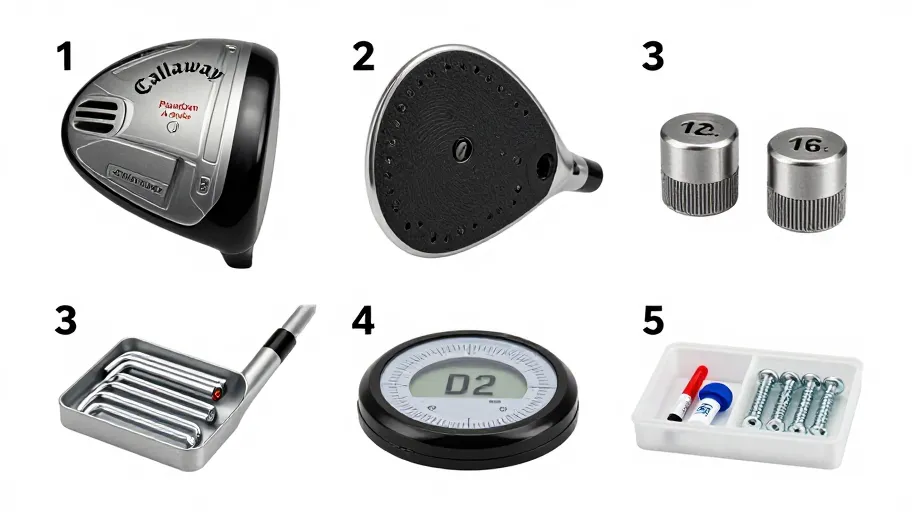
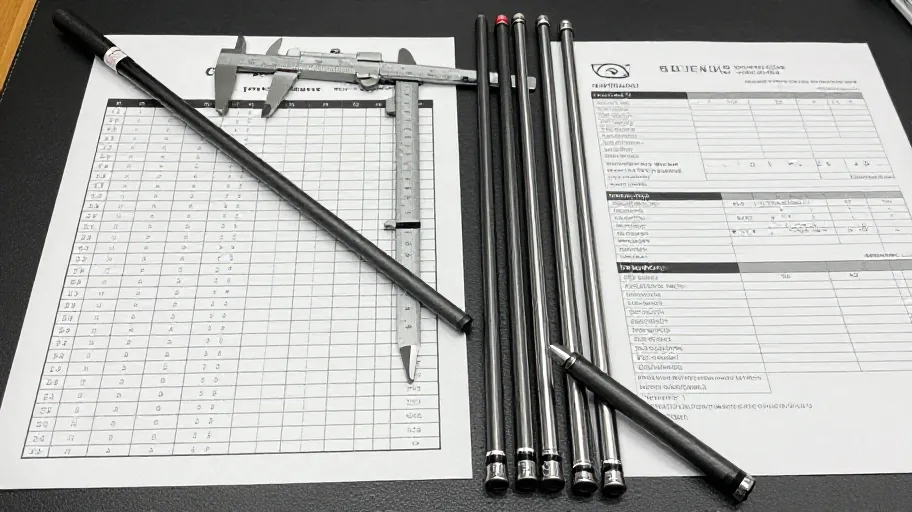
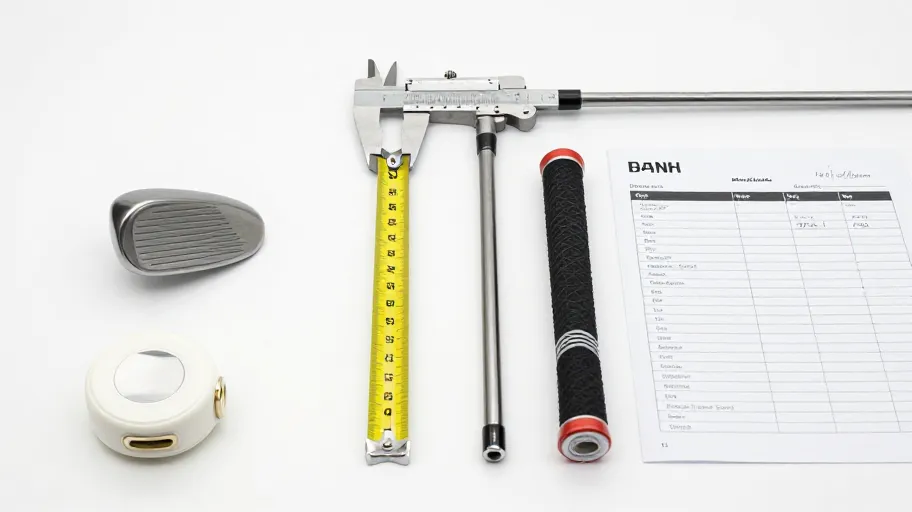
Regripping yourself saves 60% versus pro shop pricing and gives you full control over materials and alignment. A basic kit under $30 includes a vise, high-bond tape, solvent, and your choice of performance grips — paying for itself after two uses. Start by removing old grips carefully to avoid shaft damage, which preserves club value. Clean the shaft thoroughly: residue weakens adhesion and leads to early failure. Wrap new tape with even tension — consistent density improves durability and feel. Use solvent to activate the bond, ensuring instant grip lock. Align logos and textures precisely; square setup boosts swing repeatability. Let grips cure 24 hours before play to maximize lifespan. In humid areas, double-sided tape cuts grip failure by 41% (per 2024 field tests). This isn’t maintenance — it’s performance optimization you control.
Master Your Swing, DIY Your Fit. DIY Golf is the premier destination for the technical golfer. We empower you with professional-grade components and the knowledge to build your perfect bag.