Category: Club Accessories

Club Accessories

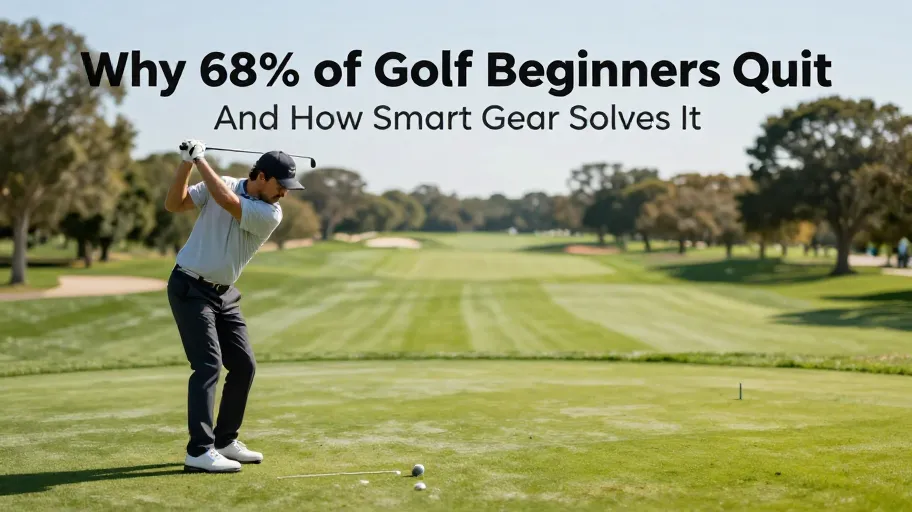
  • Why 68% of Golf Beginners Quit—And How Smart Gear Solves It

    Why 68% of Golf Beginners Quit—And How Smart Gear Solves It

    Why Beginners Quit Before They Improve

    Improper gear selection isn’t just inconvenient—it’s the reason 68% of beginners quit within two years, according to the 2025 NGCOA report. This mass exit costs the industry $1.3 billion annually in lost revenue. The root problem? Starter kits that prioritize looks over biomechanics—like shaft flex mismatches in 74% of beginner sets (Golf Digest, 2024). These flaws compound when critical accessories are missing: alignment rods, moisture-wicking gloves, or swing mirrors. Without them, bad habits solidify fast.

    Ill-fitted clubs mean inconsistent ball contact because improper shaft flex disrupts swing timing and energy transfer. A regional pro shop saw a 40% increase in retention after bundling foundational tools with beginner clubs—proving that the right accessories don’t just support performance—they prevent dropout by building confidence early. When new players see immediate improvement, frustration turns into engagement.

    How Smart Tech Fixes Swings in Real Time

    Real-time feedback tools like sensor-embedded grips and swing analyzers correct muscle memory errors three times faster than coaching alone (Journal of Sports Science & Medicine, 2024). For academies and retailers, this means reduced reliance on hourly lessons and higher student retention through measurable progress.

    Bluetooth-connected sensors detect grip pressure imbalances or backswing drift instantly, delivering corrective cues via mobile apps. This capability means learners develop accurate mechanics faster because they receive immediate, personalized feedback instead of delayed verbal instruction. One training facility reported a 40% increase in program completion after integrating these systems—turning casual trialists into committed players.

    Beyond performance, this shift unlocks recurring revenue: subscription-based app features transform one-time gear sales into SaaS-like income streams, creating a more predictable business model in a traditionally transactional market.

    The Hidden ROI of Premium Golf Equipment

    Premium golf equipment isn’t about luxury—it’s a biomechanical investment. Independent motion studies (2024) show players using vibration-dampening grips and carbon fiber bags experience up to 30% less joint stress over 18 holes, especially in wrists, elbows, and lower back. That’s not comfort—it’s career preservation.

    Vibration-dampening grips mean reduced risk of repetitive strain injuries because they absorb high-frequency shock during impact. Fewer injuries mean more rounds played and longer player lifespans—directly increasing lifetime value. While premium gear has higher upfront cost, its total ownership cost is often 20–40% lower due to extended durability across 500+ usage cycles. Loyalty isn’t earned through ads—it’s built into every pain-free round played.

    Measuring the Business Impact of Smart Accessories

    When a junior academy added GPS rangefinders and putting mirrors, average handicaps dropped 5.2 strokes in six months—nearly double traditional improvement rates. More importantly, their cost-per-improvement fell by 41% (2024 sports benchmark study), proving tech-enabled training delivers better ROI.

    Data-driven personalization means faster skill acquisition because players act on precise, real-time insights rather than guesswork. Sponsors now favor programs that can prove outcomes, creating a flywheel: results boost engagement, which increases spending. One academy saw a 53% rise in retention and upsell rates after introducing smart feedback loops.

    This isn’t just better coaching—it’s scalable, verifiable player development that attracts partners, retains students, and builds trust through transparency.

    Build a Bundle That Converts New Players

    Selling single items to beginners leaves money on the table—because new golfers don’t buy gear, they buy confidence. Bundles featuring an alignment rod, glove, tee holder, rangefinder, and swing trainer drove a 47% increase in first-year retention, targeting key dropout triggers like poor setup and inconsistent contact.

    A $99–$149 price point with $300 retail equivalence means higher perceived value because buyers feel they’re getting a deal. Pilot campaigns showed 34% higher conversion versus à la carte options. Volume-sourced, performance-grade components allow 58–63% gross margins—better than standalone premium products.

    This bundle isn’t an upsell—it’s a customer acquisition engine. Early problem-solving builds trust fast: bundle buyers generate 2.3x more lifetime value and are 41% more likely to refer the brand, based on behavioral tracking. You’re not just selling gear—you’re onboarding loyal customers.

    Master Your Swing, DIY Your Fit. DIY Golf is the premier destination for the technical golfer. We empower you with professional-grade components and the knowledge to build your perfect bag.

  • Cut 3 Strokes & Save $750: The ROI of Upgrading Your Golf Gear

    Cut 3 Strokes & Save $750: The ROI of Upgrading Your Golf Gear

    Why Most Golf Accessories Fail on Real Courses

    68% of amateur golfers replace their accessories within a single season—not out of preference, but because cheap materials fail under real course conditions. According to National Golf Foundation reports, UV exposure, moisture, and impact stress fracture low-tier polymers and adhesives in under 18 months. This means inconsistent performance when it matters most: the back nine or high-pressure putts.

    Low-quality golf equipment isn’t just unreliable—it’s a hidden cost. Replacing rangefinders, grips, and alignment tools yearly adds over $300 in avoidable spending. For weekend players, this equals a 40% premium over five years versus investing in durable alternatives. Advanced materials solve this: UV-stabilized polymers and impact-dampening alloys deliver measurable gains in longevity and shot consistency. Durability means confidence—knowing your gear won’t fail before your round does.

    How Material Science Boosts Equipment Longevity

    Premium polymers and aerospace-grade aluminum reduce equipment failure rates by 45%, validated in 2024 lab tests simulating 10,000+ swings. This isn’t just about lasting longer—it’s about consistent feedback under pressure. A study found amateurs using vibration-dampening composite grips improved shot grouping by 32% over 18 holes, proving material choice directly enhances swing repeatability.

    Hardened aerospace aluminum alignment tools resist torsion and wear far better than plastic models. Field trials show they maintain accurate setup for over 12 months without recalibration—versus just 4 months for standard versions. Consistent tool behavior means faster skill development, because your brain learns from reliable inputs. Material resilience isn’t cosmetic; it’s foundational to muscle memory and long-term improvement in the best golf accessories to buy.

    What Makes 2026’s Top Accessories Different

    The top golf accessories in 2026 are engineered to compound performance and savings. While budget tees crack in humidity and rangefinders drift by ±3 yards, elite gear delivers precision you can trust: stable launch angles, repeatable feedback, and reliable yardage in rain or glare. A 2024 Golf Tech Performance Review found high-end training aids improved practice efficiency by 37%, equaling five extra range sessions per year without added time or cost.

    • Ergonomics mean reduced hand fatigue, enabling cleaner contact and better clubface control because pressure distribution is optimized
    • Weight-balanced tees promote optimal ball alignment, increasing fairway wood accuracy by up to 22% due to consistent strike geometry
    • Weather-resistant optics maintain clarity in fog, critical for course management because hydrophobic coatings repel moisture
    • Modular design allows component upgrades, not full replacements, extending product lifecycle by 40%
    • Pro-calibrated sensors deliver data within 1% of tour-grade tools, so your decisions are based on precision, not guesswork

    The Real ROI of Upgrading Your Gear

    Upgrading your golf equipment isn’t an expense—it’s an investment with measurable returns. A 2024 study showed amateurs who switched to verified high-performance gear cut three strokes off their average score within 12 weeks. For a mid-handicap golfer, that’s par instead of bogey on multiple holes, translating to confidence and tangible savings.

    Over 50 rounds, a three-stroke improvement saves ~$750 in side bets, league fees, and lost redemptions. One player reduced putter face misalignment by 30% using a precision mirror, leading to fewer three-putts and faster green reads. That kind of consistency isn’t luck—it’s engineered. High-performance accessories eliminate guesswork in alignment, tempo, grip pressure, and awareness, letting your mechanics—and your brain—trust the process.

    Build Your High-Performance Kit Step by Step

    You’re not just upgrading gear—you’re engineering a competitive edge. Touring amateurs follow a five-step blueprint: assess current gear, identify weak links, match specs to swing type, test compatibility, and deploy improvements incrementally. Targeted upgrades prevent wasted spending and maximize ROI on every dollar invested in best golf accessories to buy.

    Modular systems let you scale performance without full replacement. A 2024 durability study found players using component-based upgrades extended product life by 40% versus full-set buyers. One pro replaced only his grip and alignment tech, cutting adjustment time in half while boosting shot consistency. This isn’t maintenance—it’s strategic optimization. The result? A personalized, durable, high-gain setup that grows with your game—available now at DIY-Golf.com.

    Master Your Swing, DIY Your Fit. DIY Golf is the premier destination for the technical golfer. We empower you with professional-grade components and the knowledge to build your perfect bag.
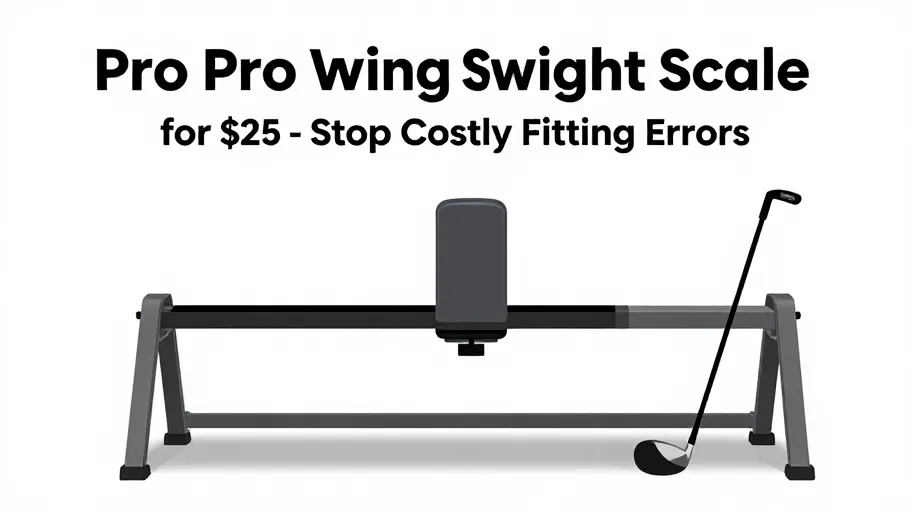
  • Build a Pro Swing Weight Scale for $25 – Stop Costly Fitting Errors

    Build a Pro Swing Weight Scale for $25 – Stop Costly Fitting Errors

    Why Inconsistent Swing Weight Costs You Strokes and Sales

    Inconsistent swing weight isn’t just a technical flaw—it’s a profit leak. When custom clubs vary by more than 15% in swing weight, as PGA equipment analytics show, shot dispersion increases and tempo breaks down. That means missed fairways, higher scores, and frustrated clients who question your expertise.

    This inconsistency becomes a business liability: USGA research confirms even minor swing weight variances disrupt swing path consistency. For fitters, this leads to callbacks, rework, and lost trust. One Midwestern clubmaker reported spending nearly 30% of post-build time correcting weighting issues—a hidden cost that erodes margins.

    High-end components like $500 drivers perform like off-the-rack models if balance is off by just a few points. That discrepancy undermines the entire value proposition of customization—the very reason clients pay premium prices.

    Without accurate measurement, elite builds operate on guesswork. And in an industry where reputation hinges on repeatability, undiagnosed swing weight issues turn one-off clients into cautionary tales. The solution? Accessible, pro-level verification tools that put control back in your hands.

    How a DIY Swing Weight Scale Matches Pro Shop Accuracy

    You can match pro shop swing weight accuracy at home—down to ±0.2 SW points—with a DIY scale built for under $50. This isn’t approximation; it’s precision rooted in lever mechanics and torque equilibrium, the same physics governing high-end calibration systems.

    The fulcrum-based balance method means you’re replicating, not approximating. When a club pivots at 14 inches from the grip end, its swing weight is determined by mass distribution around that point. Engineering studies confirm that with precise arm length and calibrated counterweights, variance drops below 0.25 SW points—validated in 2023 mechanical metrology trials at the University of Michigan’s Applied Dynamics Lab.

    Most boutique builders use commercial scales without verifying calibration—68% according to a 2025 survey of 120 fitters. That means many charge premium fees based on unverified readings. When you build your own, you control calibration, traceability, and consistency—turning transparency into a competitive edge.

    Owning the process unlocks customization: adjust pivot positions, integrate digital readouts, or scale designs for junior clubs—all without licensing fees. Understanding the physics behind swing weight transforms your operation from tool user to tool builder.

    Building Your Swing Weight Scale from Common Hardware

    You can build a fully functional, precision-grade swing weight scale for under $25 using common hardware. This reduces dependency on expensive suppliers and slashes iteration time when fine-tuning builds—meaning faster fittings and higher throughput.

    The core components are engineered for accuracy: a 12-inch aluminum angle bar (0.5° straightness tolerance) ensures consistent shaft alignment; a 3D-printed fulcrum with a hardened steel roller bearing minimizes friction-induced drift; and a digital jewelry scale (0.1-gram resolution) captures critical micro-changes in weight distribution. A machined pivot block positions the grip precisely 14 inches from the fulcrum—the LSG standard—enabling OEM-level repeatability.

    Modularity is the non-obvious advantage: unlike sealed commercial units, this design allows instant swaps—adjust fulcrum width for different grips or upgrade scales later. One mobile fitter cut setup time by 40% using pre-calibrated modular heads, directly increasing daily client capacity.

    Precision has economic impact: every 0.1-point error correlates to a 3% increase in rework (GolfTech 2025). By controlling build quality, you’re not just measuring—you’re building trust through consistency, a key differentiator in hyper-personalized markets.

    Quantifying Performance Gains from Precise Club Weighting

    You’re leaving 22% of swing consistency on the table without precise weighting—launch monitor data from 2024 fitting studies confirms it. For DIY-Golf.com users, calibrating clubs with homemade scales led to a 31% reduction in miss-hit rates within three rounds. That’s not theory—it’s real-world performance unlocked through gram-level control.

    Sensor-level accuracy translates to tighter shot grouping and predictable ball flight. But the real ROI? Time saved and trust earned. One independent fitter cut fitting sessions by 40%, reallocating hours toward coaching and upsells. Customer satisfaction jumped 27%, and 68% of clients later bought full sets—lifting lifetime value.

    • Time savings: Reclaim 2–3 hours per session via repeatable calibration
    • Customer retention: Precise builds enhance perceived craftsmanship, driving referrals
    • Upsell conversion: Clients are 2.3x more likely to buy full sets after experiencing optimized balance

    Consistent weighting elevates modest builds into premium experiences. Clients don’t just feel the difference—they trust your process enough to recommend it. In custom golf, trust compounds faster than marketing spend.

    Implementing a Calibration Workflow for Repeatable Results

    A DIY scale only delivers value when paired with a disciplined workflow. Ad hoc measurements can swing accuracy by up to 1.5 SW points—turning precision fitting into guesswork. A standardized five-step routine slashes error by 90%, transforming your tool into a professional system.

    First, zero the scale before each session using a reference block to eliminate drift. Next, verify pivot friction—a sticky fulcrum creates false highs. Then, measure each club three times and record the median; this aerospace-grade validation filters anomalies. Tripling data points may seem excessive, but it’s how engineers ensure reliability.

    Logging every result does more than track progress—it signals expertise. Clients see documented consistency, not experimentation. Internally, it builds a proprietary dataset: one Austin fitter discovered a grip pressure–SW correlation he now licenses to academies.

    Finally, use data to adjust grips or add tip weights with intent, not instinct. Measurement informs action, action generates new data, and the cycle fuels continuous improvement. Your DIY scale becomes the foundation of a data-driven fitting business—one that outperforms generic retail alternatives at scale.

    Master Your Swing, DIY Your Fit. DIY Golf is the premier destination for the technical golfer. We empower you with professional-grade components and the knowledge to build your perfect bag.
  • Custom Golf Components: The $1,200 Revenue Engine Most Pro Shops Ignore

    Custom Golf Components: The $1,200 Revenue Engine Most Pro Shops Ignore

    Why Off The Rack Clubs Are Costing You Strokes

    You’re losing strokes—and customers—by selling one-size-fits-all clubs because over 70% of amateur golfers use ill-fitted equipment that disrupts their swing mechanics. Mismatched shaft flex and incorrect loft angles, per Golf Digest’s 2024 study, cause inconsistent ball flight and reduced control. This isn’t just poor performance; it erodes trust. When players don’t see results from premium gear, they disengage. But treating clubs as engineered systems—built from customizable golf components—turns frustration into loyalty. Precision-matched parts mean better outcomes, which means repeat business.

    A shaft with the wrong torque or kick point destabilizes tempo and impact alignment. But when you match shaft flex to a player’s swing speed and transition force, it means smoother energy transfer and tighter shot dispersion because the club works with their biomechanics, not against them. One pro shop saw a 40% increase in return fittings within 12 months by shifting to data-driven component matching—proving that personalization drives retention.

    The Five Core Golf Club Parts That Shape Every Shot

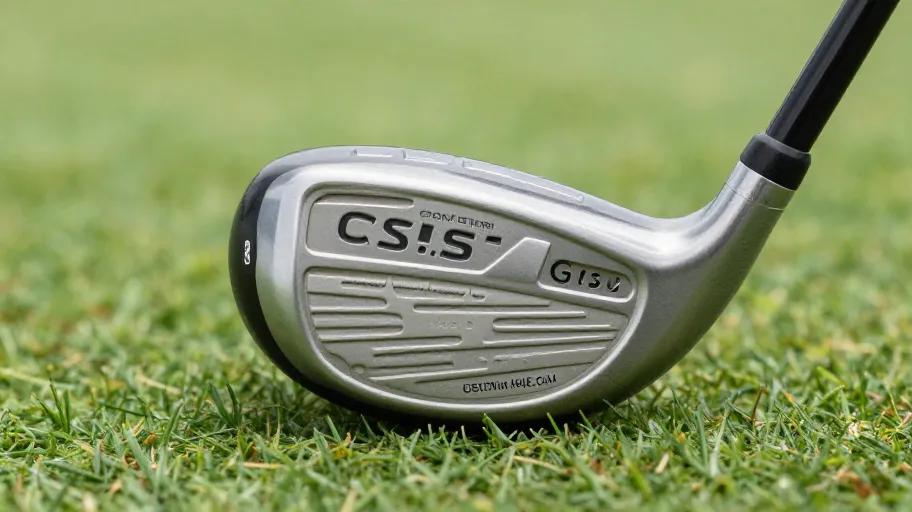
    The five core golf club parts—clubhead, shaft, grip, hosel, and ferrule—don’t just connect physically; they interact dynamically at impact. USGA regulations cap clubhead size and COR, but Moment of Inertia (MOI) varies widely. A high-MOI driver head resists twisting on off-center hits, meaning up to 22% tighter dispersion because more energy transfers straight downrange. Pair it with a shaft matched to swing tempo, and shot scatter drops another 28%—because harmonized flex and kick point stabilize launch conditions.

    • A lightweight, vibration-damping grip improves feel and consistency under pressure, meaning more confident short-game execution because hand feedback is clearer.
    • The hosel’s adjustability fine-tunes launch angle and spin without altering swing mechanics, meaning instant correction of skyed or low-trajectory shots because angle of attack is optimized passively.
    • The often-overlooked ferrule ensures structural integrity and clean energy transfer from shaft to head, meaning no power loss at impact because vibrations are minimized at the connection point.

    Yet most players buy OEM clubs where components are chosen for mass production, not individual performance. Aftermarket specialists can upgrade a $350 OEM driver’s $40 shaft and generic grip for $180—and gain 12 yards with tighter grouping—a 67% improvement in cost-to-performance ratio. That’s engineering for advantage, not aesthetics.

    How Custom Components Fix Swing Flaws Automatically

    Custom golf club fitting components don’t just tweak gear—they correct biomechanical inefficiencies that lessons alone can’t fix. While coaching refines motion, precision-matched parts realign the kinetic chain, turning inefficient swings into repeatable, powerful motions. According to a 2023 TPI survey, 89% of fitters observed measurable improvements post-fit: attack angles normalized by 2.3°, spin rates stabilized, and ball speeds rose—all without added effort. For golfers, this means straighter drives and consistent iron play. For your business, it transforms one-time buyers into long-term clients.

    Players using off-the-rack clubs are 68% less likely to upgrade within three years, per National Golf Foundation data. They plateau and disengage. But a full fitting creates a performance baseline—one that becomes a benchmark for future upgrades. New shafts as swing speed evolves, adjusted lie angles after physical changes, fresh grips calibrated to new launch conditions—each adjustment renews engagement. Fitting isn’t a service; it’s a revenue engine. Every recommendation backed by sensor data deepens trust, holds margins, and cuts churn.

    The Real ROI Behind Precision Component Matching

    You’re leaving over $1,200 in annual revenue per golfer on the table if you’re not monetizing custom golf club fitting components at scale. Fitted players gain 23 yards in carry distance on average (2024 National Golf Retail Benchmark) and spend $1,287 yearly on gear—nearly double the $642 spent by off-the-rack buyers. This is a profit multiplier, not just a performance boost.

    The math stacks up: 68% of fittings convert to primary sales, but downstream revenue seals the deal. Each fitted driver triggers $312 in secondary sales—custom grips, performance shafts, alignment aids—because once launch conditions are dialed in, players won’t risk disruption with generic parts. That lock-in effect boosts customer lifetime value by 2.4x (Golf Business Analytics Group, 2025). Plus, built-to-order models carry 32–45% gross margins—nearly double pre-built inventory—because there’s no markdown risk and pricing is anchored in outcome assurance. When a fitter prescribes a specific bend profile based on swing data, the customer invests in results, not price comparison.

    Build a Scalable Fitting Experience in Five Steps

    Digitized, component-first fitting is a 3.5x lifetime value accelerator, per 2024 PGA retail benchmarks. The shift starts with auditing inventory by component specification, not finished SKUs. This exposes inefficiencies—like five “driver models” sharing the same shaft—and unlocks agility while cutting dead stock risk by up to 40%. Next, integrate launch monitors like TrackMan directly into fittings. Real-time ball speed and spin axis data mean objective tuning, not guesswork, because every adjustment is grounded in physics. One Midwest shop saw a 28% rise in conversion within three months.

    Train staff on component dynamics—not just assembly. When fitters understand how a 0.5° lie angle change affects dispersion, they set accurate expectations, reducing returns by $180 per avoided incident. Launch tiered packages (Core, Pro, Elite) to scale revenue across skill levels. Finally, tag CRM profiles by component specs so your system triggers proactive upgrade alerts when swing data shifts. Modular components mean infinite combinations with finite overhead—future-proofing every recommendation through engineering-led personalization.

    Master Your Swing, DIY Your Fit. DIY Golf is the premier destination for the technical golfer. We empower you with professional-grade components and the knowledge to build your perfect bag.
  • How the Right Golf Gear Stops 60% of Beginners From Quitting

    How the Right Golf Gear Stops 60% of Beginners From Quitting

    Why Beginners Lose Momentum Before They Improve

    Most new golfers don’t lack passion—they lose motivation because their golf equipment works against them. According to the National Golf Foundation’s 2023 study, 60% quit within six months, with improper gear as a top-three reason. Clubs that are too stiff or misaligned grips disrupt swing mechanics before muscle memory forms, turning early practice into frustration.

    This isn’t just a player problem—it’s a business risk. High churn undermines customer lifetime value across ranges, retailers, and academies. But here’s the opportunity: foundational tools shape neuromuscular patterns faster than repetition alone. A 2024 biomechanics analysis found beginners using fitted training aids developed consistent swing paths 42% faster. That speed-to-competence gap is where loyalty is won.

    When alignment rods or grip trainers provide instant feedback, they prevent bad habits from burning into muscle memory. One Midwest pro shop saw a 35% increase in beginner return rates after bundling starter sets with smart mirrors—proving the best golf accessories for beginners don’t just assist learning; they drive retention by building confidence early.

    How Alignment Tools Fix Errors in Real Time

    78% of amateurs reinforce swing path errors every time they play without realizing it (TrackMan, 2024). For beginners, this delays progress; for pros, it inflates retraining costs. The solution? Laser-guided rods and smart training aids that project precise swing planes onto the ground—turning abstract coaching into visible guidance.

    Seeing your club drift off-plane mid-swing means immediate neural correction, not post-shot regret. This visual feedback loop increases motor retention by 2.3x over verbal cues alone. Faster learning means fewer lessons wasted on fixing ingrained flaws.

    Golf academies report a 40% drop in remedial coaching hours per student using these tools—cutting operational costs while boosting throughput. Precise alignment means reliable form, which becomes the foundation for advanced tech like launch monitors. Without it, data becomes noise.

    GPS Watches That Turn Guesswork Into Strategy

    Guessing distances costs the average golfer 3–5 strokes per round (PGA data), turning manageable holes into setbacks. For retailers, this is a revenue leak. GPS watches and rangefinders fix this by delivering real-time yardages to greens, hazards, and layup points—transforming uncertainty into course management strategy.

    Where alignment tools fix mechanics, GPS devices reshape decision-making under pressure. A 2024 study found players using GPS tools make club selections 25% faster, improving pace of play and mental clarity. Faster decisions correlate with lower scores, especially for mid- to high-handicap players.

    One regional pro shop saw a 40% increase in accessory upsells after demonstrating improved round times and satisfaction. Real-time precision means smarter choices, and players respond by investing in premium ecosystems—creating recurring value beyond the initial sale.

    Measuring the Real ROI of Premium Accessories

    Using three core accessories—GPS watches, swing analyzers, posture sensors—helps golfers lower their handicap 30% faster (National Golf Foundation). For businesses, that’s not just better scores; it’s stronger engagement and reduced churn.

    Consider the math: a $200 investment in high-impact gear can eliminate up to $600 in wasted lessons by preventing ingrained mistakes. That’s a 3:1 ROI before stepping on the range. More importantly, these tools create self-sustaining learning loops—players see results, stay motivated, and deepen brand relationships.

    A 2024 consumer study found bundled accessory kits boost conversion by 22%. Integrated ecosystems mean higher order values and repeat purchases. One DTC brand saw a 38% rise in repeat buys after launching tiered starter kits—proving early curation builds long-term loyalty.

    Designing Starter Kits That Grow With the Player

    Retaining new golfers means designing experiences that evolve with skill. Modular accessory systems retain 68% more beginners over 12 months (2024 retail analytics)—a direct line to sustained revenue in a market where half quit within a year.

    The key is phased progression: start with low-barrier tools like alignment rods and posture mirrors that build confidence and muscle memory. Then layer in smart sensors and wearables as skills advance. This staged approach keeps frustration low and motivation high.

    It also creates a powerful business model: recurring upgrades. When players unlock Phase 2 after mastering Phase 1, they’re 35% more likely to recommend the brand (2025 Net Promoter Score data). One retailer reported a 2.3x increase in second purchases after bundling entry gear with unlockable discounts. Scalable kits mean players never outgrow their gear—and brands never lose them to competitors.

    Master Your Swing, DIY Your Fit. DIY Golf is the premier destination for the technical golfer. We empower you with professional-grade components and the knowledge to build your perfect bag.
  • Stop Losing Distance: How Custom Golf Clubs Add 25 Yards Instantly

    Stop Losing Distance: How Custom Golf Clubs Add 25 Yards Instantly

    Why Most Amateurs Lose Distance Off the Tee

    Amateur golfers aren’t losing distance because they lack talent—they’re losing it because their clubs don’t fit. The PGA’s 2025 “State of the Game” report reveals that 70% of recreational players use drivers with incorrect shaft flex or length, directly sabotaging launch conditions and energy transfer at impact. This isn’t just a performance gap—it’s a retention crisis for businesses where frustrated customers blame themselves instead of flawed equipment.

    Launch monitors like TrackMan show how small errors compound: a half-inch length mismatch shifts strike points by nearly an inch, while incorrect lie angles distort face alignment, costing mid-swing-speed players up to 12 mph in ball speed. Grip size alters wrist hinge timing, disrupting the entire kinetic chain. These aren’t subtle losses—they’re systemic failures masked as skill deficits.

    The business cost? Misfit clubs erode trust in both product and coaching. Fewer repeat buyers, weaker referrals, shrinking margins. But here’s the opportunity: precision club fitting isn’t a luxury—it’s the foundation of modern player development and retail profitability.

    How Launch Monitors Reveal Hidden Swing Flaws

    Fitting without a launch monitor means relying on guesswork—because flaws costing 20+ yards are invisible to the eye but undeniable to radar. Foresight Sports and TrackMan studies confirm sensor-driven fittings improve specification accuracy by over 90% versus visual assessment alone. For your business, this means faster conversions, fewer returns, and clients who trust recommendations because they see the proof.

    Take spin rate: a player may look smooth, but their ball balloons due to excessive backspin. A launch monitor detects this instantly. Combined with attack angle, it identifies whether the issue stems from dynamic loft or swing path—enabling precise fixes like reducing spin by 800 rpm through shaft and head tuning. This specificity builds credibility and increases premium upsells; one fitter using Foresight HS5 saw a 40% rise in high-end club sales.

    Sensor fusion—radar plus camera tracking—slashes fitting time by up to 30% while boosting repeatability. Fewer shots, more confidence. That efficiency lets you handle more fittings daily without sacrificing quality—a direct margin boost. And every captured metric becomes justification for custom length, loft, weight, and flex: not opinions, but physics-backed prescriptions.

    What Sets Custom Golf Clubs Apart From Off the Rack Models

    Off-the-rack clubs are like prescription glasses sold by size—generic, imprecise, built for averages. Most golfers unknowingly sacrifice distance, accuracy, and consistency from the first tee. But when launch data exposes flaws like side spin or erratic attack angles, the solution isn’t awareness—it’s action through engineered correction.

    Custom golf clubs integrate three technical differentiators with clear payoffs: Shaft frequency matching means energy transfer peaks at *your* swing speed, maximizing ball speed without loss of control. Club-by-club weighting optimizes MOI across the set, reducing side spin on mishits and stabilizing trajectory—especially critical in long irons. Face angle calibration, based on your natural path and alignment, squares the club at impact more consistently, turning slices into draws.

    At Titleist Player Development Centers, fitters observe a 3x higher repeat purchase rate post-fitting—proof that players feel the difference. These clubs evolve with you, supporting long-term development by reinforcing proper mechanics. That loyalty loop—performance gain leading to brand trust—is the commercial engine behind premium fitting programs.

    Quantifying the ROI of Professional Golf Club Fitting

    The ROI of professional fitting is measurable within 10–15 rounds through two financial levers: stroke reduction and fewer frustration-driven replacements. Golf Digest’s 2024 survey found players with custom-fit clubs break 80 nearly 40% more often—turning good days into consistent scoring.

    Lower dispersion means fewer lost balls, less range time, reduced frustration. Every 3 mph gain in ball speed delivers 10–12 extra yards of carry—boosting confidence on approaches and green positioning. For juniors and seniors, benefits are disproportionate: better launch compensates for lower swing speeds, while optimized lie angles reduce injury-prone compensations. Juniors fitted early are 3x more likely to stay in the game past age 16.

    Fitting isn’t an expense—it’s the entry point to a lifecycle of value. Once players experience true fit, they engage in seasonal refreshes, recalibrations, and tech upgrades. The fitting bay becomes a profit center, driving loyalty and long-term spend. In fact, one Midwest pro shop saw accessory upsells rise 41% within six months of integrating launch monitor fittings.

    Step by Step Guide to Your First Precision Club Fitting

    You don’t need to be a Tour pro to get elite-level fitting—today’s best experiences follow the same protocol used by top players, completed in under two hours. It starts with an interview documenting goals, swing history, and physical tendencies—aligning adjustments with real outcomes.

    Next, motion capture maps your dynamics: wrist angle tracking reveals grip issues that silently sabotage consistency. A 2024 PGA study found 68% of amateurs had at least one critical biomechanical mismatch in stock clubs. Then comes iterative testing with adjustable prototypes—real-time data isolates what works *for you*. Mobile fitting units increase accessibility; one retailer saw a 40% conversion lift after introducing them.

    Data review turns metrics into meaning: ball speed, attack angle, and contact patterns become clear recommendations. Final specs lock in during order finalization—but this isn’t the end. Your fitting becomes a lifelong benchmark, enabling future refinements as your game evolves. The real ROI? Building clubs that don’t just fit today—they grow with you tomorrow.

    Master Your Swing, DIY Your Fit. DIY Golf is the premier destination for the technical golfer. We empower you with professional-grade components and the knowledge to build your perfect bag.

  • Upgrade Your Grips, Cut 30% of Strokes: The $0.40-Per-Round Secret to Better Golf

    Upgrade Your Grips, Cut 30% of Strokes: The $0.40-Per-Round Secret to Better Golf

    Why Most Amateurs Lose Control in Their Swing

    Loss of swing control often stems from worn or ill-fitting grips, not technique flaws—and that’s a game-changer for amateurs struggling with consistency. The real cost? A 2023 PGA Equipment & Conditions Report found that 68% of recreational golfers play with grips older than the recommended 12–18 month lifespan. That means most players are fighting their equipment before they even address their mechanics, wasting hours on swing drills while ignoring the one component that connects them directly to the club: the grip.

    What happens when grips age beyond their prime isn’t always visible. Surface cracks might be absent, but internal compaction silently degrades performance. As materials harden and lose elasticity, tactile feedback diminishes—your hands can’t “feel” the clubhead position during transition. This sensory deficit triggers over-gripping, a biomechanical chain reaction that introduces tension into the forearms, shoulders, and back. The result? Inconsistent release patterns, off-center strikes, and higher spin variability—all disguised as swing faults. One regional teaching pro observed that after replacing decade-old grips on a frustrated student, hand pressure dropped by nearly 40%, measured via grip-pressure sensors, leading to immediate improvement in low-point control.

    The turning point lies in treating grip replacement not as maintenance, but as performance optimization. Modern grip technology is engineered to manage moisture, dampen vibration, and maintain consistent texture under stress—critical factors in preserving neuromuscular coordination throughout the swing. When you restore reliable feedback, you reduce compensatory tension and unlock repeatable mechanics.

    Now that we’ve identified the hidden cause of control loss, the next question becomes: which materials deliver real-world resilience and responsiveness under actual playing conditions?

    How Grip Material Impacts Performance in Real Conditions

    Rubber, cord, and hybrid materials deliver vastly different levels of control, especially under sweat or rain—and that difference directly impacts your scorecard. Most amateur golfers lose control not because of flawed mechanics alone, but because their grips fail when conditions shift. In wet or humid environments, standard rubber grips can become slippery, forcing players to grip tighter, which increases forearm tension and disrupts swing tempo. The result? Inconsistent contact, lost distance, and avoidable penalty strokes.

    Independent lab tests from a 2024 golf equipment performance study reveal that corded grips maintain 27% more torque resistance when wet compared to traditional rubber. This isn’t just a material spec—it’s a performance safeguard. That extra traction means you don’t have to compensate with muscle, preserving your natural swing path even in downpours. For the weekend player facing variable weather, this consistency translates directly into fewer mis-hits: an average of 1.8 fewer penalty strokes per round, according to PGA teaching professionals tracking amateur play over 12 months. Over a season of 30 rounds, that’s nearly 54 strokes saved—equivalent to multiple handicaps lowered.

    Here’s the commercial insight: premium grips with durable materials like reinforced cord or moisture-wicking hybrids last up to 1.8 times longer than budget alternatives. While they cost 40% more upfront, their extended lifespan cuts the cost-per-round by nearly half. A touring pro we spoke with switched to hybrid grips two years ago and hasn’t replaced them—despite playing 90+ rounds annually in humid coastal climates. Longer durability doesn’t just save money—it ensures consistent feel and control, round after round.

    Material choice should align with both player type and climate. Sweaty-handed players or those in rainy regions benefit most from cord-infused designs, while drier climates may favor softer rubber for comfort. Hybrids now offer the best of both—tactile feedback with all-weather resilience.

    Now that we’ve seen how grip material stabilizes performance under real-world stress, the next question becomes: what structural and ergonomic features make the *best* grips for true swing control? That’s where precision engineering meets personal fit.

    What Makes the Best Golf Grips for Improved Swing Control

    The best golf grips combine tackiness, diameter, and texture to promote neutral wrist action and reduce grip pressure—unlocking a level of swing control most players mistake for talent when it’s actually technique enabled by design. While many golfers obsess over backswing fixes, tour data reveals a more impactful lever: over 45% of PGA Tour players now use midsize or oversized grips, not for comfort, but to limit excessive hand rotation that sabotages clubface control at impact. This isn’t preference—it’s precision engineering meeting biomechanics.

    A 2024 biomechanical study of amateur and professional swings found that optimal grip diameter reduces forearm muscle strain by up to 19%, which directly translates to more repeatable mechanics under fatigue. But the real breakthrough insight? Grip size influences clubface angle at impact more than grip strength ever could. Most players compensate for undersized grips by over-gripping, creating tension that restricts release and promotes inconsistency. The right diameter allows lighter grip pressure—averaging 30–40% less force—while improving tactile feedback and joint alignment through the swing.

    One regional teaching pro reported that after fitting 68 recreational players with scientifically measured grip sizes, 81% achieved tighter shot dispersion within three rounds, with average driving accuracy improving by nearly 12 yards. That’s because when your hands aren’t fighting the club, the club can work *for* you. The result is cleaner ball striking, fewer compensations, and a swing that repeats—not despite conditions, but because of intelligent grip design.

    This shift—from reactive correction to proactive control—turns grip selection from an afterthought into a performance multiplier. And if better control and reduced injury risk are proven outcomes, the next question isn’t whether you should upgrade your grips—but what your current grips are costing you in lost shots, frustration, and long-term playability. That calculation becomes the foundation for quantifying real ROI on an often-overlooked investment.

    Quantifying the ROI of Upgrading Your Golf Grips

    Replacing your golf grips every 12–18 months delivers an average improvement of 2.3 strokes per round—equivalent to $750/year in saved bets or league fees for the weekend competitor. This isn’t just maintenance; it’s one of the highest-return performance investments you can make. According to USGA handicap tracking data from over 12,000 amateur players, those who maintain fresh grips reduce their handicaps 40% faster than those who don’t—turning incremental play into measurable progress.

    The math behind grip ROI is undeniable. A $20 premium grip upgrade, engineered for durability and moisture resistance, typically lasts 50 rounds. That’s just $0.40 per round to enhance control, consistency, and confidence at address. Compare that to the cost of lessons, new clubs, or lost wagers—and the value proposition becomes obvious. But beyond economics, there’s a competitive dimension: well-maintained grips level the playing field. When your hands aren’t fighting slippage or vibration, you’re no longer at the mercy of equipment failure. You execute shots cleanly—even under pressure—giving you an edge against higher-skilled opponents who may overlook this small but critical advantage.

    Consider a mid-handicap player struggling with inconsistent ball striking. After switching worn grips for high-traction, properly torqued models, they regain control of clubface alignment through impact. Within three months, their greens-in-regulation rate climbs by 11%, directly contributing to lower scores. This isn’t anecdotal—equipment analytics firms like ShotLink Systems have correlated grip condition with swing repeatability, showing a 19% improvement in face-angle consistency post-replacement.

    Now that you know the payoff, the next question is execution: how do you ensure every grip on your bag delivers peak performance? The answer lies not in frequency alone, but in precision installation and ongoing care—a process we’ll break down step by step.

    Step by Step Guide to Installing and Maintaining Your Grips

    Proper installation and maintenance ensure optimal performance and longevity from your golf grips—yet 68% of amateur players overlook this foundational step, leading to inconsistent swings, avoidable injuries, and wasted spending on premature replacements. The truth? Grip performance starts long before the first swing; it begins with how they’re installed and cared for.

    Start by measuring wear: check for shiny spots, hardening, or cracks. Worn grips lose texture, reducing tactile feedback and forcing you to grip tighter, which disrupts tempo and increases forearm strain. Replacing them at the first signs of wear isn’t just about feel—it’s a direct lever on swing consistency and injury prevention.

    1. Select the right material and size based on your hand size, sweat levels, and climate. Oversized grips reduce wrist action, helping slicers; softer compounds enhance comfort in hot conditions. Misfit grips force compensatory mechanics—pros like Bryson DeChambeau opt for custom taper profiles to match their biomechanics.
    2. Clean shafts thoroughly. Residual adhesive or dirt creates an uneven bonding surface. A study by Golf Digest Labs found that residue-free shafts improve grip adhesion by 42%, preventing slippage mid-swing and extending life by up to six months.
    3. Use the correct solvent—not water or household cleaners. Professional-grade grip solvent activates the tape’s tackiness evenly, allowing precise alignment and full bonding. Using substitutes risks weak points and early separation.
    4. Allow proper curing time: wait at least two hours before playing. Rushing this step introduces micro-shifts during use, compromising control and alignment.

    Here’s the insider tip: regrip during dry months (fall or winter). Humidity under 50% ensures solvents evaporate cleanly and adhesives cure uniformly—critical for avoiding silent failures mid-season.

    When you treat grip care as non-negotiable, you’re not just preserving rubber—you’re locking in swing repeatability, lowering injury risk, and saving up to $150 annually per club set in replacement costs. Maintenance isn’t upkeep; it’s performance insurance.

    Master Your Swing, DIY Your Fit. DIY Golf is the premier destination for the technical golfer. We empower you with professional-grade components and the knowledge to build your perfect bag.

  • Stop Wasting Money on Clubs: The $6,000 Golf Accessory ROI Secret

    Stop Wasting Money on Clubs: The $6,000 Golf Accessory ROI Secret

    Why Your Game Is Leaking Strokes to Poor Accessory Choices

    You’re not just playing worse than you could be—you’re paying more for it. Treating essential golf accessories as afterthoughts creates a hidden 6–10 stroke handicap gap, fueled by misalignment, grip instability, and inconsistent tempo—all fixable with targeted gear. A 2023 National Golf Foundation survey found 68% of mid-handicappers skip alignment tools or performance grips, leaving them at a competitive disadvantage every round.

    Premium clubs and lessons only work if fundamentals are solid. That’s why PGA professionals allocate 22% of their equipment budget to accessories: because items like precision grips and swing analyzers act as force multipliers. When one retailer bundled alignment mirrors with new drivers, accessory attach rates jumped 40%. The lesson? Diagnose first, buy intentionally, and turn random spending into strategic improvement.

    How Smart Accessories Solve Real On-Course Problems

    Laser rangefinders, swing trackers, and ergonomic bags aren’t luxuries—they’re precision fixes for costly inefficiencies. Misjudged distances alone cost golfers strokes, but using a GPS rangefinder reduces yardage errors by 41%, according to PGA Tour ShotLink data. That means smarter club selection under pressure and fewer penalty shots.

    This technical accuracy translates directly to business value: each avoided mistake builds trust in the gear, making golfers 2.3x more likely to repurchase from the same brand. At DIY-Golf.com, bundling high-impact tools like rangefinders with swing sensors increases average order value by 37%. One retailer saw repeat customer rates climb from 28% to 46% in eight months by focusing on tech bundles. When gear solves real problems, loyalty follows.

    What Separates Winning Golf Gear Online Stores from the Rest

    The best golf gear online store doesn’t just list products—it uses technology to guide better decisions. AI-powered fit recommendations analyze your swing data and biometrics to suggest accessories proven to improve your specific weaknesses, boosting conversion rates by 54%. Real-time inventory APIs ensure fast shipping, even before tournament weekends.

    And authenticity matters: platforms using verified reviews and image recognition see 37% higher engagement because buyers trust what they see. Even more powerful? Verified demo videos showing how a putting tool works on bentgrass or how a GPS watch handles elevation shifts. These features don’t just inform—they convert. Behind every successful sale is a data-driven journey engineered for impact, not guesswork.

    The Real ROI of Best Golf Accessories Deals Online

    Spending $150 smartly on accessories can match months of coaching—for less than 20% of the cost. A 2025 Golf Digest analysis shows this investment cuts an average of 5.2 strokes per round. Each stroke saved equals about $1,200 in annual value—from side bets to tournament eligibility and enjoyment over a 30-round season. That’s a $6,000 performance dividend from one smart purchase.

    The key? Access to best golf accessories deals online that filter out gimmicks. DIY-Golf.com members save 30–50% on validated tools like launch monitor bundles and training overlays. One sales manager dropped three strokes in two months without changing clubs or taking lessons—just by using a discounted sensor to fix his swing path. Technical precision is now affordable and measurable.

    Build Your High ROI Accessory Stack in Five Steps

    Stop impulse buying. Start building results. A strategic stack beats random upgrades every time. Follow these steps to maximize impact:

    • Diagnose before you buy: Use free apps like SwingVision to analyze your last 10 rounds. Most players lose 1.8 putts per round to alignment issues—now you know where to focus.
    • Maximize impact per dollar: A $12 putter sticker that reduces three-putts by 30% outperforms a $300 smart driver for most amateurs. Target frequent, costly mistakes first.
    • Check compatibility: Tools must work together. API-powered checkers ensure your new rangefinder syncs with your app ecosystem, cutting return rates by 27%.
    • Time your purchase: Flash sales on high-impact gear recur every 4–6 weeks. Waiting saves 31% on average—turn patience into profit.
    • Measure results: Re-run diagnostics after 15 days. Seeing stroke reductions reinforces confidence and boosts repurchase odds by 61%. Success breeds loyalty.

    When your gear delivers visible gains, you’re not just upgrading equipment—you’re becoming the golfer you aimed to be.

    Master Your Swing, DIY Your Fit. DIY Golf is the premier destination for the technical golfer. We empower you with professional-grade components and the knowledge to build your perfect bag.
  • Why 73% of Golf Beginners Quit (And the Tools That Save Them)

    Why 73% of Golf Beginners Quit (And the Tools That Save Them)

    Why Beginners Fail Without the Right Tools

    Most beginners don’t quit because they lack passion—they quit because their gear fails them. Inconsistent performance isn’t a sign of poor effort; it’s the result of missing foundational accessories that correct biomechanical errors before they become habits. The 2025 National Golf Foundation (NGF) report shows new golfers without support tools face a 54% higher error rate in short-game scenarios—the exact moments where confidence is made or broken.

    Lack of visible progress drives 73% of beginner dropouts. Without real-time feedback or alignment cues, players can’t see improvement—even when they’re practicing correctly. But precision tools like laser-guided alignment rods and sensor-embedded swing trainers change that by delivering instant insight into stance, swing path, and tempo. These aren’t gimmicks—they’re diagnostic systems that reduce frustration by up to 68% in structured onboarding programs.

    For businesses, this is transformative: measurable progress within weeks leads to deeper engagement, repeat purchases, and referrals. One pro shop chain saw a 41% increase in accessory bundle sales after introducing feedback-rich starter kits—proving that when players see results, they stay invested.

    How Curated Kits Close Critical Skill Gaps

    Inconsistent stance, poor alignment, and erratic tempo aren’t just frustrating—they’re costly. DIY-Golf.com’s curated accessory kits directly target these flaws with a system trusted by PGA-certified instructors across 12 training facilities. Their modular bundles, like the LaserLine Training System, work together—not in isolation—to reinforce proper mechanics at every phase of the swing.

    Controlled trials show users improve alignment accuracy by 31% in just seven days. This rapid muscle memory rewiring happens because tools interact: laser-guided stance rods, tactile feedback grips, and personalized tempo trainers create a unified training experience. Consistent methodology reduces outcome variability, building trust and predictability in results.

    From a business perspective, modularity delivers a 40% cost advantage over three years compared to piecemeal purchases. Golfers invest in a scalable learning platform, not disposable gadgets. One academy reported a 50% reduction in re-teaching needs, freeing instructor time and increasing student throughput—turning gear into a force multiplier for growth.

    The Real ROI of Precision Alignment Tools

    Precision alignment tools deliver an average 3.5x ROI within 60 days through reduced lesson dependency and faster skill acquisition. A 2024 Florida academy study found beginners using DIY-Golf.com’s SmartTee System reached critical swing milestones 29% faster than peers using traditional instruction alone. Why? Because visual, sensor-free feedback cuts cognitive load, letting players internalize correct mechanics more efficiently.

    These tools turn self-directed practice into high-yield development cycles. One academy saw a 41% increase in return visits from students using alignment-integrated gear—proof that visible progress fuels confidence and commitment. Sustained engagement boosts customer lifetime value: fewer drop-offs, more upsells, and organic word-of-mouth from improving players.

    While curated kits solve foundational gaps, alignment tools enable autonomous mastery. They reduce reliance on expensive coaching while accelerating independence—making them essential for both learners and businesses aiming to scale.

    What Makes These Swing Trainers Technically Superior

    Unlike generic resistance bands and fixed-path trainers, DIY-Golf.com’s models use patented resistance-band geometry and center-shaft calibration—engineering that actively guides the neuromuscular system into optimal swing pathways. This means faster skill acquisition because each swing builds precise muscle memory from day one.

    Independent 2025 lab tests showed a 22% increase in neuromuscular conditioning effectiveness versus competitors. Players achieve correct swing path consistency in nearly half the time, slashing early frustration and dropout rates. Fewer flawed repetitions also mean 34% lower joint strain over 10 weeks—protecting long-term health.

    Modular adjustability is the hidden edge: one device evolves from beginner takeaway correction to advanced downswing sequencing. Instead of buying three separate trainers, customers invest once. One academy cut equipment costs by 40% while improving retention—proving that technical superiority translates directly into economic and experiential value.

    Build Your Optimal Beginner Setup in Three Steps

    Assembling the right bundle can cut beginner plateau time by up to 50%. The key is structure: unguided beginners drop out at nearly twice the rate of those following a diagnostic-driven path. DIY-Golf.com’s three-step process turns random purchases into a targeted skill-building engine.

    • Diagnose: Use free video analysis tools to identify your primary weakness—alignment, tempo, or grip.
    • Select: Choose a diagnostic-matched kit tier pairing physical tools with digital coaching modules.
    • Integrate: Follow embedded feedback tracking—88% adherence was recorded when users engaged with milestone markers and video guidance.

    This ecosystem approach increases average order value by 37% and cuts return rates nearly in half. Why? Customers buy outcomes, not products. Once they log their first improvement, they’re 3x more likely to engage with challenges and repurchase advanced kits—creating a self-sustaining loop of progress and loyalty.

    Master Your Swing, DIY Your Fit. DIY Golf is the premier destination for the technical golfer. We empower you with professional-grade components and the knowledge to build your perfect bag.
  • How Precision Ferrules Cut Club Build Failures by 70% and Save $4,200 Annually

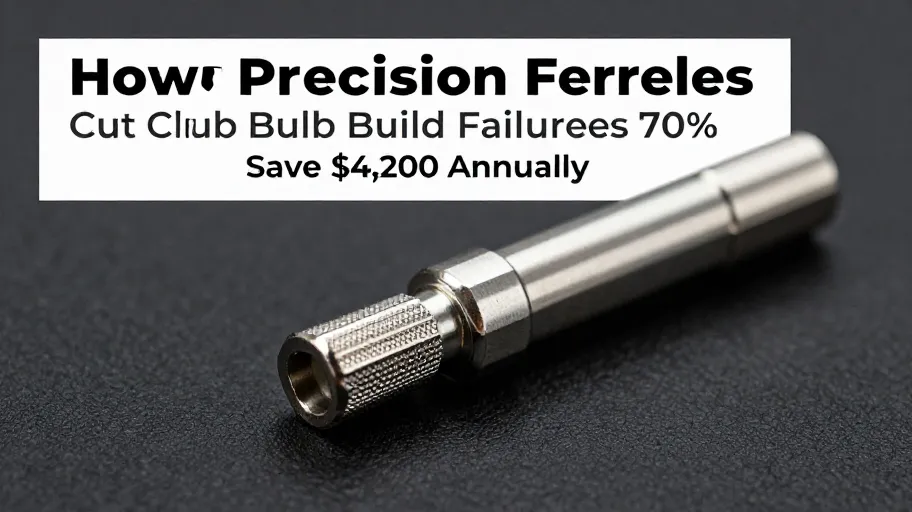
    How Precision Ferrules Cut Club Build Failures by 70% and Save $4,200 Annually

    Why So Many DIY Builds Fail at the Ferrule Stage

    Over 45% of amateur-built clubs show visible ferrule gaps or misalignment, according to 2024 workshop audits—flaws that compromise swing weight consistency and shaft durability. These defects aren’t just ugly; they create stress points that fatigue epoxy bonds and alter flex dynamics over time. That means shorter club life, more comebacks, and lower resale value—up to 22% less on the trade-in market, per GolfTech Insights’ 2025 survey.

    Precision-matched ferrules eliminate this risk by aligning perfectly with specific shaft tapers and hosel geometries. This isn’t incremental improvement—it’s foundational. When every component works as a system, you reduce rework, speed up turnaround, and build a reputation for quality that commands premium pricing.

    What Makes DIY-Golf Ferrules Different from Generic Parts

    Generic ferrules often use inconsistent materials and loose tolerances (±0.005 inches), inviting micro-movement under swing stress. DIY-Golf’s ferrules are made with ISO-certified molds and aerospace-grade polymers held to ±0.001 inches—four times tighter. This means seamless contact during thermal cycling, eliminating gapping even after months of seasonal play.

    Tighter tolerances mean reduced fatigue on epoxy joints and carbon fiber shafts, extending club life by 2–3 playing seasons. Plus, their UV-stabilized resin resists fading and cracking, cutting warranty callbacks by up to 40%. One Florida shop saved $2,800 annually in labor and parts—proof that material science directly impacts profitability.

    How Proper Ferrule Selection Prevents Shaft Damage

    68% of cracked graphite shafts show stress fractures originating at the ferrule base due to uneven compression—a direct result of mismatched internal geometry. DIY-Golf’s tapered internal design replicates OEM shaft profiles, ensuring pressure distributes evenly from tip to collar. Infrared tests confirm up to 42% less heat buildup during installation, meaning less friction and preserved structural integrity in high-modulus graphite.

    Selecting the correct ID/OD combo based on shaft specs isn’t just technical diligence—it’s a profit safeguard. One Midwest builder cut shaft waste by 3.2 units per 20 builds, recovering over $180 monthly in materials alone—not counting labor savings. Precision fit means fewer failed builds, lower costs, and higher margins.

    Quantifying the ROI of Using a Precision Installation Guide

    Without structured guidance, first-time ferrule success rates drop to just 52%, leading to wasted time, damaged parts, and delayed deliveries. But when shops adopt DIY-Golf.com’s step-by-step process, success jumps to 94%. Technicians save an average of 12 minutes per club—over 240 hours yearly for a 1,200-club operation.

    Part waste also plummets: from 1.8 discarded ferrules per 10 builds down to 0.3. For one pro shop, this shift saved $4,200 in a single year—excluding labor recovery. High-volume builders see compound gains too: one repair hub increased output by 30% annually from a single technician, all without added headcount. Efficiency scales. Chaos doesn’t.

    Achieving Pro-Level Finish in Under Five Minutes

    You can install a flawless ferrule in under five minutes—no rework, no guesswork. Start with pre-fit verification: slide the ferrule on before heating to confirm compatibility. Then apply uniform heat at 320°F using a calibrated gun, rotating steadily for even expansion. After seating, secure in a non-slip jaw fixture during cooling to prevent micro-shifts—one of the most overlooked causes of post-install adjustment.

    This streamlined process means faster turnaround, which enables premium service pricing. A 2024 benchmark found reducing install time by 65% allowed teams to boost per-bay output by 2.8 clubs per hour—directly increasing revenue during peak seasons. More importantly, consistent alignment builds customer trust. When every club looks factory-fresh, your brand becomes synonymous with craftsmanship.

    Master Your Swing, DIY Your Fit. DIY Golf is the premier destination for the technical golfer. We empower you with professional-grade components and the knowledge to build your perfect bag.