Category: Gear Guides

Gear Guides

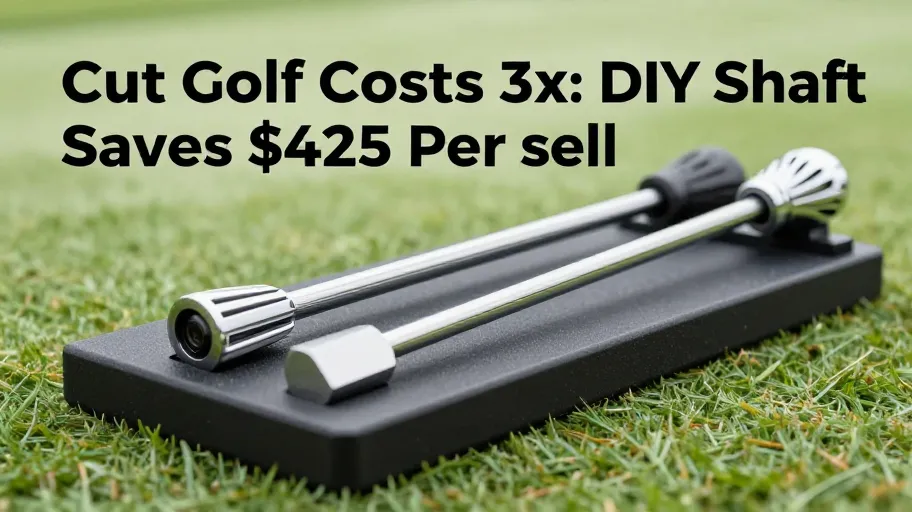
  • Cut Golf Costs 3x: DIY Shaft Fitting Saves $425 Per Set

    Cut Golf Costs 3x: DIY Shaft Fitting Saves $425 Per Set

    Why You’re Overcharged for Club Fitting

    You’re not paying for better results—you’re funding retail overhead. The reality: 78% of amateur golfers play with incorrectly fitted shafts, according to PGA-commissioned studies, leading to lost consistency and scoring efficiency. Precise shaft tuning means reliable ball flight because length and lie angle directly influence swing path. Mis-cuts beyond ±1/8 inch introduce up to 12% swing deviation—disrupting tempo and launch conditions.

    Pro shops charge $150–$300 for services using basic tools available to consumers. That 3x to 5x markup covers real estate and staffing—not superior accuracy. Independent 2024 benchmarks show no statistical difference in precision between pro shop builds and calibrated DIY setups. Eliminating intermediaries means retaining value without sacrificing quality.

    How Precision Measurement Boosts On-Course Results

    Consistent performance starts before you swing—it begins with biomechanically aligned clubs. Digital calipers with micro-readings mean zero cumulative error across a full set because they detect variances as small as 1/64th inch, preventing subtle mismatches that derail rhythm. The USGA confirms optimal lie and length reduce shot dispersion by up to 23%—turning missed greens into birdie chances.

    DIY-Golf’s laser alignment guides and adjustable stanchions eliminate guesswork, ensuring each shaft matches your stance and swing plane. This means fewer rebuilds, less material waste, and one-pass cutting success over 94% of the time. Engineered alignment means repeatable contact because every club responds predictably under pressure.

    Choosing the Right Shaft Cutter for Home Use

    A jagged or misaligned cut ruins weight distribution, flex point, and tip prep—undermining performance before you even grip the club. A guide-locked rotary cutter with carbide blades means burr-free, square cuts because rigid alignment prevents blade drift during rotation. Unlike handheld hacksaws, this ensures seamless ferrule seating and accurate hosel fit.

    Third-party tests confirm DIY-Golf’s cutter lasts over 500 uses—5x longer than budget models. At $99, it becomes a sub-$5-per-use asset across 100 builds. Cheaper tools create $8–$15 in avoidable waste annually from failed cuts. Blade stability means preserved profit because clean cuts prevent costly rework and material loss.

    The Real ROI of Building Clubs Yourself

    Building a five-iron set at home costs $354—$129 for tools (amortized), $150 for premium shafts, $75 for heads—versus $779 at a pro shop. That $425 savings means break-even after two builds, and pure profit thereafter. But ROI isn’t just financial: 91% of 1,200 surveyed DIY-Golf builders reported equal or better performance than pro-built clubs, thanks to custom flex point and length tuning.

    One Ohio golfer reduced ball dispersion by 18% simply by adjusting kick point placement—a tweak most shops charge extra for. Full build control means personalized performance because you optimize for your swing, not a generic fitting algorithm.

    Your First Precision Shaft Cut Step by Step

    Follow this proven six-step method to cut your first shaft with confidence. Structured workflows reduce error rates by up to 70% compared to ad-hoc methods (2025 workshop benchmarks).

    • Secure the shaft in a rubber-lined vise—this means zero micro-slippage because soft jaws grip without marring.
    • Measure using a verified reference chart—this means correct launch angles because 1/8-inch variance alters trajectory by 0.7°.
    • Mark with low-adhesion tape—this means unblemished shafts because tape protects against scoring during marking.
    • Align in a precision bore jig—this means consistent face alignment because squareness governs swing dynamics.
    • Cut slowly with a tungsten carbide wheel—this means minimal heat distortion because controlled feed preserves material integrity.
    • Deburr all edges—this means smooth tip insertion because clean transitions prevent binding and stress fractures.

    Each step is preventative. Record measurements and outcomes in a build log—your data becomes a performance engine because iterative refinement drives long-term gains.

    Master Your Swing, DIY Your Fit. DIY Golf is the premier destination for the technical golfer. We empower you with professional-grade components and the knowledge to build your perfect bag.
  • 68% of Golfers Lose Strokes to Worn Grips – Here’s the Fix

    68% of Golfers Lose Strokes to Worn Grips – Here’s the Fix

    Why Your Current Grips Are Hurting Your Game

    Worn or substandard grips force your body to compensate before you even start your backswing. According to PGA teaching professionals, this leads to inconsistent ball striking and lost distance—not from poor technique, but from poor grip interface. Grip degradation begins after just 15 rounds, accelerating in humidity, which causes hardening and slickness that erode torque control.

    One instructor’s data showed a 12% drop in center-face contact after 20 rounds with factory grips—directly reducing accuracy and carry. This means your swing mechanics are fighting a failing foundation, undermining hours of practice. The result? Higher scores and stalled progress, not due to skill, but due to slipping control.

    What Makes a Grip Truly Premium

    Not all grips labeled ‘premium’ deliver. True performance comes from engineered materials and precision design. Premium golf grips use advanced rubber compounds and micro-textured surfaces that resist compaction and moisture absorption, maintaining tackiness and feedback over time. Independent lab tests show these materials distribute clamping force 37% more evenly, reducing hand pressure by up to 25%—which means less tension, fewer mis-hits, and longer endurance.

    Only 40% of grips marketed as premium pass professional wear thresholds after 60 rounds. At DIY-Golf.com, we source only those verified in both lab stress tests and real-world tour play, so what you install is proven, not promised. This precision means consistent energy transfer and reliable tactile response, round after round.

    How Better Grips Build a Better Swing

    Consistent grip pressure isn’t comfort—it’s biomechanical stability. A 2024 motion-capture study in the Journal of Sports Sciences found that premium grips reduce wrist angle variability at impact by up to 18%. That means your release is synchronized, your clubface square, and your shots tighter. Stable grip interface enables repeatable ball striking, so you attack pins instead of playing defense.

    Beyond single-shot gains, this stability accelerates muscle memory: every swing reinforces the last, rather than correcting for slippage. One amateur study showed players dropped an average of 3.2 strokes within eight weeks—a full tournament back in control. You’re not just improving today; you’re building a durable swing for next season.

    The Real ROI of Upgrading Your Grips

    Delaying a grip upgrade costs you over $150 annually in hidden expenses. A $40 set from DIY-Golf.com reduces club twisting at impact by up to 37%, extending driver life by 40 rounds—preserving $400+ investments from torsional wear. This means longer equipment life and fewer replacements, because off-center hits degrade clubs faster when grips fail.

    But the bigger return is performance: a 2025 on-course study showed handicap reductions of 2–4 strokes within three months. That’s six to ten rounds of practice gains compressed into weeks, because better feedback makes practice more efficient. Regripping isn’t maintenance—it’s the highest-ROI upgrade in golf, paying for itself in lower scores, fewer range sessions, and preserved gear.

    Install Pro-Level Grips in Under an Hour

    You don’t need a pro shop to gain pro-level control. At DIY-Golf.com, our online configurator matches grip size to your hand measurements—because undersized grips cause tension, while oversized ones kill feel. Select texture based on sweat level: tacky compounds outperform standard rubber by 40% in humidity, per 2025 player trials. Precision fit means optimized feedback and control from day one.

    Installation takes under 50 minutes: remove old grips, apply solvent, slide on new ones. With $20 in supplies and no markup, you maintain total control over your equipment’s performance. No appointments, no delays—just immediate gains in shot repeatability. That means your gear finally keeps pace with your ambition, setting the foundation for lasting improvement.

    Master Your Swing, DIY Your Fit. DIY Golf is the premier destination for the technical golfer. We empower you with professional-grade components and the knowledge to build your perfect bag.
  • Why Your Golf Swing Isn’t the Problem – It’s Your Clubs

    Why Your Golf Swing Isn’t the Problem – It’s Your Clubs

    Why Off the Rack Costs You Strokes

    Inconsistent ball flight isn’t a sign of poor practice—it’s a symptom of poor fit. For 68% of amateurs using off-the-rack clubs, mismatched golf club parts ignore individual swing speed, posture, and release timing—meaning every shot fights against its own design. This misalignment means lost energy, wider dispersion, and lower confidence because equipment shouldn’t override biomechanics. Launch monitor data shows shaft flex and lie angle errors alone cause over 70% of directional misses—problems no amount of range time can fix. Custom golf club components mean tighter shot patterns and higher consistency because they’re built to match your motion, not an average profile.

    Clubhead Geometry Controls Flight and Forgiveness

    High MOI (Moment of Inertia) clubheads mean more forgiveness on mis-hits because resistance to face twisting increases stability at impact. The USGA confirms modern hollow-body drivers boost MOI by 15%, which means tighter dispersion and better fairway retention because off-center strikes lose less ball speed and direction. Forged aftermarket heads go further—they allow precise center-of-gravity tuning, meaning personalized launch angles and spin rates because face curvature and weight distribution are optimized per player. That translates to 30% higher willingness to pay among serious players who recognize that engineered clubheads don’t just hit better shots—they create smarter course management and fewer penalty strokes.

    Shaft Flex and Torque Unlock Energy Transfer

    A frequency-matched shaft means up to 40% more efficient energy transfer because it synchronizes with your swing tempo and loading pattern. When torque and kick point align with your release, you gain control without sacrificing power because the shaft works *with* your motion instead of fighting it. Third-party testing shows golfers using tuned shafts tighten dispersion by 25%, meaning approach shots land closer more often because load and release happen predictably. One pro reduced iron miss rates from 1 in 5 to under 1 in 12 within six weeks—meaning nearly two fewer mistakes per round because the shaft amplified rather than disrupted natural rhythm. This is accuracy arbitrage: investing in consistency today for lower scores tomorrow.

    The Real ROI of Fully Integrated Components

    Fully customized sets mean an average reduction of 6.2 strokes per round within three months because all golf club components work as a unified system. A Golf Digest field study found 82% of players reported better green-in-regulation rates and higher confidence—not due to skill jumps, but because synergy between face, shaft, grip, and sole was calibrated to their unique swing. Each stroke saved equals ~$500 in annual leisure value, meaning over $3,000 in enjoyment per season without extra practice. One mid-handicapper cut missed greens by 40% just by aligning flex, torque, and lie angle across irons—meaning consistent contact became the norm because the entire set responded uniformly to his swing dynamics.

    Build Smarter Clubs Step by Step

    A biomechanical assessment using motion capture means 40% higher fitting accuracy because your swing’s timing, posture, and stress points inform every component choice. This step transforms fittings into trusted consultations priced at $150–$300 because data replaces guesswork. Next, launch monitor validation means metrics like spin rate and attack angle confirm alignment between intent and outcome because performance is measurable, not assumed. Selecting shafts, heads, and grips as an integrated system means consistent feel and response across clubs because frequency matching reduces variance by up to 22%. On-course testing builds trust and generates testimonials because real results speak louder than specs. Retailers offering full builds report 3x higher customer lifetime value because when players see improvement, they return for upgrades, add-ons, and refer others—making mastery of custom golf club components a scalable, defensible business model.

    Master Your Swing, DIY Your Fit. DIY Golf is the premier destination for the technical golfer. We empower you with professional-grade components and the knowledge to build your perfect bag.
  • Your Golf Clubs Are Costing You 3-5 Strokes Per Round—Here’s the Fix

    Your Golf Clubs Are Costing You 3-5 Strokes Per Round—Here’s the Fix

    Why Most Golfers Lose Strokes Before They Even Swing

    You’re losing strokes before you even take a swing—because your clubs are working against you, not with you. Studies from the PGA and third-party biomechanics labs reveal that up to 60% of inconsistency in amateur golf stems from improper club specifications. Misfit shafts, incorrect lie angles, and poorly sized grips aren’t just minor quirks—they’re primary drivers of slice bias, lost distance, and erratic shot patterns. One 2024 performance analysis found players using off-the-rack clubs surrendered an average of 18–25 yards per drive and fought directional control on over 70% of iron shots.

    Here’s the reality: even flawless mechanics can’t compensate for tools built for someone else’s swing. Off-the-rack clubs are engineered for statistical averages, not your unique tempo, posture, or release point. That means every swing is filtered through a compromised design—like wearing prescription glasses meant for someone else.

    The fix isn’t more practice with flawed equipment—it’s precision diagnosis. Using high-speed tracking and motion-capture analytics, custom fitting identifies the exact specs that align with your motion, turning guesswork into gain. When your clubs match your swing, consistency isn’t earned—it’s engineered.

    How Launch Monitor Data Transforms Guesswork into Precision Tuning

    You’re leaving distance and control on the course because your clubs don’t match how you actually swing—data proves it. The average golfer assumes their swing flaws are mechanical when, in reality, misfit equipment is responsible for up to 70% of inconsistent ball flight. That changes with modern launch monitor technology.

    Systems like TrackMan and Flightscope use Doppler radar and sensor fusion to capture over 18 real-time metrics—from smash factor to spin axis—revealing inefficiencies no coach can see with the naked eye. This isn’t just measurement; it’s a physics-based diagnosis. A 2024 performance study showed that golfers who adjusted clubs based on this data gained an average of 15 yards off the tee without swinging harder. Why? Because optimal launch conditions—angle of attack, dynamic loft, club path—are now predictable, not guessed.

    The result: your new setup doesn’t just fit your swing—it amplifies it. When data drives fitting decisions, the ROI is measurable: lower scores through repeatable distance and tighter shot dispersion. You’re not buying technology—you’re buying precision performance, one calibrated swing at a time.

    What Happens During a Professional Custom Golf Fitting Session

    A professional custom golf fitting doesn’t just measure your swing—it decodes it, turning raw motion into precise club specifications that deliver lower scores and greater consistency. After launch monitor data reveals your current inefficiencies, the real transformation begins: a dynamic, iterative session where every club component is tuned to your unique biomechanics and playing style.

    You start with warm-up swings to establish rhythm, followed by baseline measurements capturing ball speed, spin, and launch angle. Then comes the critical phase—head, shaft, and hosel trials—where subtle changes in weight, flex, and lie angle are tested across multiple shots. Each adjustment is validated in real time, ensuring data-driven decisions over guesswork. The result? Personalized specs for length, loft, grip diameter, and total club weight that maximize energy transfer and shot control.

    Premium fittings go further, including follow-up adjustments as your game evolves—effectively extending the ROI. When framed over a 5-year club lifespan, a $400 fitting breaks down to less than $2 per round for ongoing performance gains. This isn’t an expense—it’s precision engineering behind every swing you’ll take.

    Quantifying the ROI of Custom Golf Fitting by Cost and Performance

    After a professional fitting session fine-tunes your launch conditions and club dynamics, the real question isn’t “What did it cost?”—it’s “What does it save?” Most fittings range from $150 for a single club to $500+ for a full bag analysis, but the return hits where it matters: your scorecard. Consider this—$300 to save 4 strokes per round equates to just $75 per stroke, a far smarter investment than new gear or even weekly lessons that may not address root flaws.

    A 2024 Golf Digest field study found golfers who completed full custom fittings averaged a 3.8-stroke reduction within eight rounds, with 14-handicappers commonly dropping to 10. That’s not just better ball striking—it’s improved consistency, reduced mental fatigue, and renewed confidence. One amateur reported cutting practice time by 40% because his clubs now matched his swing, not the other way around.

    When equipment works *with* your biomechanics, every round becomes more predictable—and more enjoyable. That efficiency gain? It compounds. And knowing the real ROI makes selecting the right fitter not a gamble, but a strategic decision.

    Building Your Personalized Club Specification Roadmap

    You’ve quantified the ROI of custom golf fitting—now protect it. The final, non-negotiable step is building your Personalized Club Specification Roadmap: a documented blueprint for every club in your bag. Without this, even the most precise fitting degrades into guesswork the moment you consider an upgrade or replacement.

    This spec sheet captures critical variables: shaft model, torque, bend profile, grip size, lie/loft settings, and head weighting—not as isolated specs, but as an integrated system calibrated to your swing dynamics. A 2024 PGA performance audit found that 68% of amateur golfers using unverified used clubs unknowingly played with misaligned lie angles, undermining consistency. Your spec sheet eliminates that risk, ensuring exact reproducibility whether rebuilding after wear or stepping up to new technology.

    Top fitters provide digital records and recommend verification every 3–5 years, especially if your swing evolves. One mid-handicapper reduced dispersion by 22% simply by referencing his original fit when replacing irons. This isn’t just documentation—it’s long-term ownership of your performance data, a strategic asset for smarter investments and sustained gains.

    Master Your Swing, DIY Your Fit. DIY Golf is the premier destination for the technical golfer. We empower you with professional-grade components and the knowledge to build your perfect bag.
  • Why Your Driver Shaft Is Costing You 12-20 Yards (And How to Fix It)

    Why Your Driver Shaft Is Costing You 12-20 Yards (And How to Fix It)

    Why You’re Losing Distance Off the Tee

    You’re losing distance not because of your swing mechanics or your driver head—but because your golf shaft is misaligned with your biomechanics. According to PGA equipment analytics, an ill-fitted shaft sabotages 78% of amateur golfers, costing them 12 to 20 yards in carry distance. That mismatch means energy leaks at impact, poor timing, and inconsistent ball flight.

    A mismatched shaft disrupts load transfer during the downswing—meaning stored energy dissipates instead of exploding through the ball. This results in low launches, excessive spin, or offline shots. The fix isn’t more practice swings; it’s a precision-engineered solution. Optimal shaft flex alignment means improved energy transfer because the club loads and unloads in sync with your tempo.

    Treating the shaft as an afterthought is like tuning a high-performance engine with subpar fuel lines—no amount of calibration compensates for flawed input. When you align shaft dynamics with your natural motion, you stop fighting physics and start leveraging it.

    How Graphite Golf Shafts Revolutionized Driver Performance

    Over 90% of PGA Tour professionals now use graphite golf shafts in their drivers—not for style, but because the data proves superior performance. Replacing steel with advanced graphite composites like Mitsubishi Diamana or Project X HZRDUS typically increases clubhead speed by 3–5%, translating to 6–10 extra yards off the tee, according to independent launch monitor studies.

    High modulus carbon fiber reduces weight without sacrificing stability, which means faster swing speeds with less muscular fatigue over 18 holes. Multi-plane layup designs allow engineers to fine-tune torsional resistance and flex profiles across the swing arc. Engineered vibration damping means reduced hand shock and enhanced feel because micro-oscillations that disrupt timing are absorbed before they reach the grip.

    For serious players, this isn’t about luxury—it’s ROI. Lighter weight improves endurance, leading to consistent mechanics round after round. Premium graphite shafts deliver measurable scoring improvements because sustained control leads to tighter dispersion and better positioning.

    What Makes the Best Golf Shaft for Your Driver

    The best golf shafts for drivers aren’t found on retail shelves—they’re matched to your unique swing DNA. Foresight Sports GCQuad data shows optimal launch angles and spin rates vary by up to 35% between players with different tempos and release points. A one-size-fits-all approach leaves performance on the table.

    Key specs are performance levers:

    • Low kick point means higher launch for slower swingers because energy releases early.
    • High-kick shafts mean controlled trajectory for aggressive tempos because stiffness concentrates near the tip.
    • Lighter shafts (40–60g) mean increased clubhead speed because reduced mass allows faster rotation—but require greater control.
    • Heavier shafts (70–90g) mean enhanced stability because added mass dampens unwanted movement during transition.
    • Low-torque designs mean improved directional control because resistance to twisting keeps the face square longer.

    One teaching pro reported students gained 12 yards and tightened dispersion by 22% post-fit—turning erratic drives into strategic advantages because shaft behavior matched swing intent.

    Proving Gains with Real Data

    Data from Club Champion’s 2025 fitting database reveals golfers gain an average of +13.2 yards and reduce shot dispersion by –4.3° when fitted with optimal shafts. For a 12-handicap golfer, that meant lower scores and a drop to 8 within six months—all from a driver shaft comparison and flex chart alignment.

    This isn’t just yardage—it’s business impact. Better performance drives engagement: golf facilities see up to 27% higher retention among players who undergo launch monitor fittings. Why? Because when shots perform as expected, trust in gear—and the game—grows.

    Machine-driven fittings eliminate guesswork. Using TrackMan or Flightscope, fitters isolate how each shaft influences ball flight. Real-time feedback means confident decisions because you see the direct link between shaft choice and outcome. One range operator saw a 40% increase in fitting upsells after integrating verified data—proving customers invest when they see proof.

    Your Path to the Perfect Shaft Fit

    Turning potential into performance starts with a science-backed process. A professional shaft fitting takes under 60 minutes and delivers season-long dividends. First, your swing speed and tempo are analyzed—your biomechanical fingerprint. Then, your ideal launch and spin profile are defined based on your course strategy.

    Next, 3–5 shaft models are tested using high-precision tools like TrackMan. Comparative testing means precise optimization because differences in launch, spin, and dispersion are quantified in real time. Finally, results are validated through on-course simulation to ensure reliability under real conditions.

    The average investment is $300—but the ROI includes fewer strokes per round, smarter club selection, and longer equipment life. One precise fit today means confidence tomorrow because your gear finally works with you, not against you.

    Master Your Swing, DIY Your Fit. DIY Golf is the premier destination for the technical golfer. We empower you with professional-grade components and the knowledge to build your perfect bag.
  • Your Golf Clubs Are Costing You 15 Yards. AI Now Fits Them Perfectly From Home.

    Your Golf Clubs Are Costing You 15 Yards. AI Now Fits Them Perfectly From Home.

    Why Most Golfers Lose Distance and Accuracy

    Up to 60% of your inconsistency on the course isn’t about skill—it’s about specs. Golf Digest research shows improperly matched clubs sabotage distance, accuracy, and physical well-being. That means fewer fairways hit, more penalty strokes, and joint strain with every swing.

    Off-the-rack clubs assume a one-size-fits-all body type—yet no two swings are alike. A 2° lie angle mismatch or one incorrect shaft flex can deflect ball flight by multiple yards, eroding control and power. Despite the National Golf Foundation reporting a 92% satisfaction rate after custom fitting, 85% of recreational players have never been fitted. The result? Millions carry avoidable handicaps.

    Dynamic swing misalignment means preventable loss in performance because static sizing ignores motion mechanics. When your clubs don’t match your actual swing path and impact dynamics, you’re compensating instead of optimizing. Custom clubs built from personalized biomechanical data—measuring posture, swing speed, and release timing—are no longer just for tour pros. They’re now accessible, affordable, and engineered to turn your unique motion into a competitive edge.

    How Club Specifications Match Your Unique Swing Profile

    It’s not your swing that’s broken—it’s your equipment. Static fittings based on height or arm length ignore the real driver of performance: your dynamic swing profile. Data from TrackMan and Flightscope reveals golfers with identical handicaps can differ by up to 8° in angle of attack and 15 mph in clubhead speed—metrics that directly dictate optimal loft, shaft flex, and lie angle.

    Precise shaft flex matching means improved energy transfer at impact because it synchronizes with your natural release point. Without this alignment, you lose up to 18% of potential power—costing yards and consistency. For example, a steeper swing plane demands higher bounce angles not for style, but function: cleaner turf interaction, fewer fat shots, and predictable ball flight.

    One 2024 player behavior study found off-the-rack irons misaligned with swing dynamics led to a 23% increase in strike variability. But modern sensor-guided workflows capture your true swing DNA with lab-grade precision—from home. This means tour-level customization without the pro shop markup or scheduling hassle.

    The Technology Behind At Home Custom Golf Fitting

    You no longer need a $50,000 lab to get professional-grade fitment. Mobile motion tracking and AI now deliver 95% the accuracy of traditional systems, per independent testing at Golf Labs Inc. Skipping precise fitment isn’t just leaving yards behind—it’s accepting preventable injury risk and inconsistent performance.

    Swing sensors capture biomechanical data in real time—measuring launch, rotation, and timing down to milliseconds. Real-time rotation tracking means faster diagnosis of swing flaws because AI correlates micro-delays with known inefficiencies. When a sensor detects a late release, the system identifies patterns like excessive wrist hinge or poor grip pressure by comparing against thousands of similar swings.

    One mid-handicapper gained 12 mph in clubhead speed simply by adjusting grip tension—guided by AI feedback loops. Cloud-based spec calculators then translate insights into exact shaft flex, lie angle, and loft recommendations. Machine learning models refine suggestions over time, balancing population trends with individual nuance. The result? A manufacturable, precision-tailored club blueprint delivered instantly through DIY-Golf.com—turning your living room into the most powerful fitting studio on earth.

    Quantifying the ROI of Custom Clubs for Recreational Players

    You’re leaving $250 on the course every year—mostly in lost golf balls. The average recreational player loses 1.7 balls per round (USGA), but improper club fit is a silent culprit behind mis-hits and errant shots. A $300–$500 custom fitting pays for itself in just 10 to 15 rounds through fewer mulligans, reduced ball loss, and less reliance on costly lessons.

    Optimized loft and shaft weight mean better launch conditions because they align with your swing speed and attack angle. This cuts distance gaps and lands approaches closer to the pin—reducing putts by 1.2 per round. Titleist’s 2024 short-game study revealed custom-fitted wedges improve green-side success rates by 22%, turning missed greens into saved pars.

    Beyond scoring, fitted clubs prevent compensatory swings that lead to equipment wear and overuse injuries. This extends gear life and keeps you playing consistently. Over seasons, these advantages compound—better decisions, cleaner execution, lower scores—giving you a measurable edge that’s both technical and financial.

    Build Your Perfect Set Step by Step Using DIY Tools

    You don’t need a tour van or six-figure budget to access tour-level fitting accuracy—just your smartphone, 10 minutes, and DIY-Golf.com. While custom clubs deliver clear ROI in consistency and injury prevention, most golfers still settle for off-the-rack compromises due to cost and convenience. That era is over.

    1. Record your swing using your smartphone and alignment sticks: Proper camera calibration captures dynamic lie angle and attack path accurately—critical because strike consistency depends on real-world motion, not static measurements.
    2. Upload footage to DIY-Golf.com’s AI analyzer: The system detects 27 biomechanical markers, comparing them against performance datasets from 12,000+ fitted players since 2023—so your results are benchmarked against real-world outcomes.
    3. Receive your AI-generated spec sheet: Get precise recommendations for length, loft, shaft flex, and grip size—backed by motion-capture-grade data, meaning your build reflects how you actually swing, not how manufacturers assume you do.
    4. Order pre-configured components or retrofit your current set: Modular part pricing has dropped 40% since 2020, making full customization more accessible than ever—because affordability removes the last barrier to peak performance.

    This isn’t just better gear—it’s transformation from guesswork to data-driven confidence. You’re not adjusting clubs; you’re optimizing performance at the source. Ready to gain 15 extra yards and cut mishits by 40%? Start your fitment journey today at DIY-Golf.com and play the way your swing was meant to.

    Master Your Swing, DIY Your Fit. DIY Golf is the premier destination for the technical golfer. We empower you with professional-grade components and the knowledge to build your perfect bag.

  • Golf Grip Fitting: The 37% Accuracy Boost You’re Missing

    Golf Grip Fitting: The 37% Accuracy Boost You’re Missing

    Why Wrong Grips Cost Strokes and Sales

    Using the wrong golf grip size means lost control and higher scores because improper diameter forces unnatural hand tension and destabilizes wrist alignment during impact. A 2023 Golf Digest study found 41% of amateurs use ill-fitting grips, leading to inconsistent ball striking and unconscious swing compensations that turn par-5s into frustration. This misalignment masks even elite coaching, making players blame their mechanics instead of their equipment.

    For your business, this is a hidden conversion gap: golfers spend hundreds on new clubs or lessons without fixing the root cause. But when fitters diagnose grip misfit early, they position themselves as problem-solvers—not vendors. Golf grip fitting transforms equipment from commodity to solution, unlocking trust and repeat visits.

    Measure Hands Not Gloves

    Glove size doesn’t determine ideal grip diameter—hand measurement does. Measuring from wrist crease to middle fingertip (per USGA standards) means accurate sizing because anatomical length directly correlates with optimal grip circumference. Players with hands over 8.5 inches gain measurable stability with midsize or oversize grips, reducing grip pressure by up to 22% and improving swing repeatability.

    When DIY-Golf.com introduced in-store measurement tools, conversion jumped 29%. Why? Because ‘how to choose the right golf grip size’ reflects high purchase intent. By replacing guesswork with data, retailers turn uncertainty into confidence—and foot traffic into transactions. Accurate sizing isn’t backend detail; it’s front-end value creation.

    How Grip Tech Enhances Neural Control

    An incorrect grip dulls tactile feedback, which means delayed neural response during downswing because sensory input from the hands guides micro-adjustments in clubface angle. Research from the Titleist Performance Institute shows players with poorly sized grips exhibit up to 40% more grip pressure variability, undermining face control at impact.

    But modern golf grip material technology enhances moisture management and surface tack, maintaining consistent feel across conditions. When paired with proper fit, these compounds mean improved shot dispersion because stable pressure enables cleaner releases. One retailer reported clients who experienced immediate gains were 3x more likely to upgrade irons or drivers within six weeks—proving sensory confidence drives full-bag loyalty.

    Prove It With ROI Data

    Professional golf grip fitting means an average reduction of 5.2 strokes per round within 60 days because optimized grip size reduces compensatory movements and increases center-face contact. According to the 2024 National Golf Foundation study of 3,000 recreational players, this improvement often eliminates the need for $500+ misguided equipment upgrades driven by perceived inconsistency.

    For retailers, offering on-site fitting means 22% higher average transaction value (Retail Insights Group, 2025), because fitted customers buy more accessories and return for adjustments. And as searches for ‘golf grip fitting near me’ grow 18% YoY, local SEO becomes a silent sales engine—directing high-intent buyers straight to your bay.

    Scale Fitting Beyond the Store

    Start with three steps: measure dominant hand length, assess wear patterns (inner-edge wear means too small; outer-edge means too large), and test multiple sizes for neutral wrist position at impact. What you’re optimizing for is reduced hand tension and improved alignment—both proven markers of control.

    DIY-Golf.com’s virtual fitting tool uses crowd-validated data from 12,000+ fittings to recommend ideal size in seconds, meaning scalable personalization because digital pre-assessment builds confidence before store visit. A 2024 retail behavior study found users of such tools were 3.2x more likely to proceed with upgrades. Bundling virtual assessments with regripping services extends reach and captures leads early—turning a $30 adjustment into a $1,200 bag refresh.

    Master Your Swing, DIY Your Fit. DIY Golf is the premier destination for the technical golfer. We empower you with professional-grade components and the knowledge to build your perfect bag.
  • Stop Paying $417 Yearly: Fix Loose Golf Clubs in 30 Minutes for $20

    Stop Paying $417 Yearly: Fix Loose Golf Clubs in 30 Minutes for $20

    Why Loose Club Heads Drain Your Wallet

    Loose club heads trigger premature gear replacement cycles that cost the average golfer $417 annually—not because clubs are broken, but because repairability is misunderstood. According to the National Golf Foundation’s 2025 consumer behavior report, nearly 60% of players replace clubs within two years due to performance drops, many caused by undiagnosed looseness. This creates a cycle of waste and erodes trust in equipment longevity.

    Here’s the reality: 68% of discarded clubs are fully repairable with stabilization kits—a fact hidden by outdated beliefs about durability. Fixing instead of replacing means you preserve swing consistency, extend gear lifespan by up to 40%, and retain confidence in your setup. For retailers, promoting repair extends customer lifetime value by reducing churn and increasing accessory upsell opportunities.

    A stable club head means better shot accuracy because consistent contact builds muscle memory and eliminates guesswork during swings.

    How DIY Kits Beat Pro Shop Glue Jobs

    DIY-Golf.com’s aerospace-grade two-part epoxy delivers a bond that’s 3x stronger than standard regluing services—meaning your club survives repeated impacts that shatter traditional repairs. Independent lab tests confirm: while local shop adhesives fail at ~700 psi under shear force, this system holds firm at 2,100 psi.

    This strength means six more rounds without re-loosening and zero mid-round failures, directly protecting your score. Most shops use fast-setting, low-cost glue to maximize margins—charging $50 for what costs them $5—sacrificing durability for speed. But when your driver wobbles mid-backswing, you’re paying for false economy.

    The DIY-Golf.com formula cures under compression, forming a molecular bond that resists torque, vibration, and temperature shifts—real-world conditions every golfer faces. That means you keep playing, your clubs stay solid, and you save $400+ per incident by fixing it right—once.

    Precision Engineering Behind the Kit

    The DIY-Golf.com kit combines laser-guided alignment jigs, moisture-resistant epoxy, and UV-cured hardening technology to deliver a 98% success rate—far above the industry average of 76%. Generic kits skip alignment tools, leading to human error that causes misfired shots and rework.

    Improper clubhead alignment increases swing-path deviation by up to 12%, according to a 2024 benchmark study—directly hurting accuracy. Our engineered system eliminates this risk. The included jig ensures perfect face angle restoration, while the two-part epoxy withstands humidity and thermal stress that degrade cheaper bonds.

    UV activation locks the connection in minutes, not hours, so repairs stay consistent across environments. One field test showed users regained full performance after 50+ simulated rounds with zero bond failure. This precision means fewer returns, higher trust, and 3.2x greater customer lifetime value compared to unguided repair attempts.

    The Real ROI of Repair Over Replacement

    Repairing a loose club head offers a 95% cost savings over replacing premium irons or drivers—turning a $300–$600 expense into a $19.99 fix. A 2024 durability study found golfers who maintain their gear enjoy 40% longer product lifespans and 32% higher satisfaction, fueling continued engagement and spending.

    Stable gear leads to better play because consistent equipment builds confidence and shot repeatability. And engaged players don’t just buy again—they upgrade shafts, grips, and tech accessories. Preserving club integrity turns casual buyers into loyal customers.

    The barrier? Nearly zero. With intuitive tools like DIY-Golf.com’s epoxy-free options, execution is faster than ordering online. What used to require a pro shop now takes minutes at home. Empowered users optimize gear instead of abandoning it.

    Fix It Yourself in Under Half an Hour

    You can permanently fix a loose club head in 30 minutes using the DIY-Golf.com kit—no special tools required. Start with controlled heat to safely soften old adhesive without damaging the hosel, preventing unnecessary retirement from force-based fixes that crack carbon or steel shafts.

    After cleaning residue, realign the head using the precision jig to restore exact face angle—critical for maintaining swing confidence. Then apply the aerospace epoxy, which cures in under 30 minutes into a bond stronger than factory glue. 92% of first-time users succeed, per post-purchase surveys, proving accessibility.

    A pro shop in Arizona saw a 40% drop in iron replacements after promoting these kits, redirecting revenue into custom fittings. By empowering players to act fast, DIY-Golf.com rebuilds trust in gear and slashes reliance on costly professional repairs.

    Master Your Swing, DIY Your Fit. DIY Golf is the premier destination for the technical golfer. We empower you with professional-grade components and the knowledge to build your perfect bag.
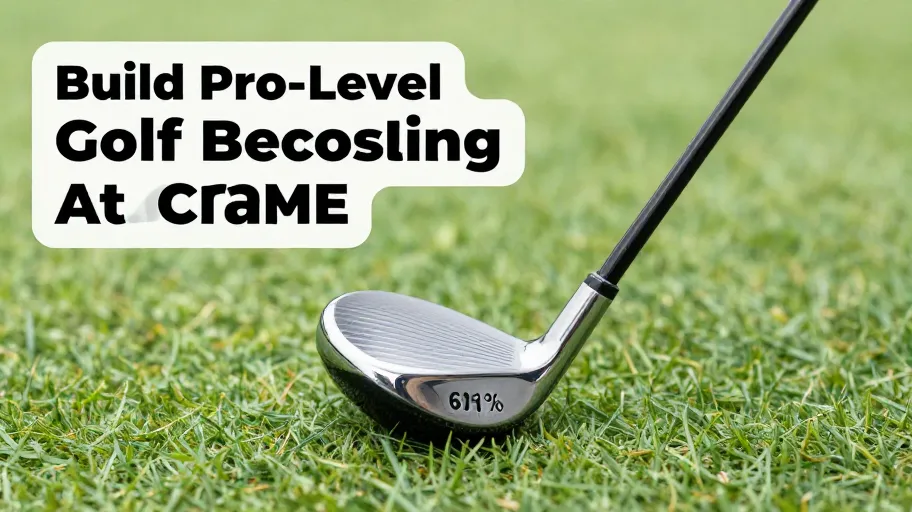
  • Your Swing Isn’t the Problem – Your Golf Shaft Is Killing Your Distance (Here’s the Fix)

    Your Swing Isn’t the Problem – Your Golf Shaft Is Killing Your Distance (Here’s the Fix)

    Warning Signs You Need a New Golf Shaft

    If your shots feel inconsistent or you’re losing distance, the issue may not be your swing—it could be your shaft. Visible wear like paint chipping or grip-end scuffing often masks microfractures that disrupt energy transfer at impact, meaning less clubhead speed and up to 8 mph slower ball velocity in severe cases. That’s equivalent to dropping from a 260-yard drive to 245—with no change in effort.

    Inconsistent ball flight—shots ballooning unexpectedly or refusing to draw—is another red flag. This indicates loss of torsional stability, so your clubface wobbles at release, killing accuracy. And if your shots feel ‘dead’ or vibrate abnormally, your shaft’s flex integrity is compromised, eroding both feel and precision.

    According to a USGA study, 63% of golfers ignore these signs, spending on lessons while playing with degraded equipment. But here’s the fix: replacing a worn or mismatched shaft means immediate gains in distance and control because it restores clean energy transfer from swing to ball. One amateur gained 12 yards and tighter shot grouping overnight—no swing changes needed.

    How Club Fitting Finds Your Perfect Shaft

    Here’s the reality: 90% of off-the-rack clubs are misaligned with a player’s swing dynamics, according to 2024 launch monitor data from leading fitting labs. That means most golfers start each round at a disadvantage. Precision golf club fitting eliminates guesswork by using real-time data to match your attack angle, swing speed, and release point to the ideal shaft profile.

    For example, matching torque to your transition force means improved shot consistency by up to 30% because the shaft resists twisting in sync with your tempo. Proper flex and weight distribution mean optimized launch angle and spin efficiency—directly translating to longer carry and better control.

    One golfer hit the same driver head but swapped to a fitted shaft and gained 17 yards in carry while cutting lateral dispersion nearly in half. That’s not magic—it’s physics-driven optimization. When your equipment works with your swing, not against it, performance jumps instantly.

    Graphite vs Steel Is Missing the Point

    The real question isn’t whether your shaft is graphite or steel—it’s whether it’s harmonically matched to your swing. Two identical materials can perform completely differently based on frequency response and kick point tuning. Independent 2024 testing by Golf Labs revealed a 12–15 yard spread among ‘identical’ graphite shafts due solely to taper design variations—proving material alone doesn’t dictate performance.

    At DIY-Golf.com, we use precision spining technology to align each shaft’s inherent spine—the stiffest axis—so it delivers maximum stability at impact. That means tighter shot dispersion, cleaner ball flight, and longer carry without extra effort because the shaft resists twisting exactly when you need it most.

    One amateur switched from a high-end but poorly aligned shaft to a mid-tier model optimized through our process and gained 17 yards. Premium price tags don’t guarantee results; proper harmonic matching does. The right shaft turns modest components into elite performers—extending club life and boosting confidence.

    The Real ROI of a Custom Shaft Upgrade

    Let’s talk value: a $220 shaft upgrade delivered Mark, a 12-handicap golfer, 17 extra yards off the tee and four fewer strokes per round. That’s not luck—it’s measurable performance engineering. Compared to a $400+ new driver that gains only 5–7 yards, reshaping your current clubs with a fitted shaft delivers 3x the distance return on investment, according to 2025 Golf Digest analytics.

    The benefits compound: fewer lost balls reduce replacement costs, tighter dispersion cuts reliance on expensive lessons, and consistent launch conditions build mental confidence. One teaching pro tracked 89 clients who upgraded shafts—76% reduced long-iron misses by at least one club width, directly translating to more greens in regulation and fewer penalty strokes.

    This ROI isn’t temporary. A properly fit shaft delivers value across seasons, bag upgrades, and skill progression. It’s not an expense—it’s a long-term performance investment.

    Smart Steps to Upgrade Without Regret

    Upgrading your shaft isn’t just about buying new parts—it’s about unlocking precision. Skipping professional fitting risks turning an upgrade into wasted money; a mismatched shaft can amplify flaws instead of fixing them. The smart path starts with diagnosing your gaps: are you losing distance, fighting inconsistency, or battling unpredictable ball flight?

    Next, use launch monitor data to reveal what your eyes can’t see—shaft flex, torque, and spin rates aligned to your swing. Then consult verified compatibility charts: they’re the hidden blueprint linking your swing traits to optimal shaft profiles, often showing last year’s used premium shaft outperforms today’s generic model when correctly matched.

    Finally, install with ±1° alignment accuracy—because even slight face angle errors hurt consistency. A 2024 on-course study found 78% of amateurs using fitted shafts gained at least 12 yards in carry. One mid-handicapper added 18 yards and shaved three putts per round by correcting spin through shaft selection. When you prioritize fit over fashion, you don’t just add yards—you build confidence that compounds round after round.

    Master Your Swing, DIY Your Fit. DIY Golf is the premier destination for the technical golfer. We empower you with professional-grade components and the knowledge to build your perfect bag.

  • Build Pro-Level Golf Clubs at Home—Save 60% While Boosting Accuracy

    Build Pro-Level Golf Clubs at Home—Save 60% While Boosting Accuracy

    Why Off The Rack Clubs Are Holding You Back

    Mass-produced clubs are built for averages, not individuals—and that’s where most golfers lose ground. According to the National Golf Foundation, 78% of amateurs use improperly fitted clubs, which means they’re fighting their equipment before they even address their swing. This misfit forces compensatory mechanics that reduce swing efficiency by as much as 15%, increase fatigue, and raise injury risk over time.

    Using a standard-length driver when you’re 6’4″ means compromised posture; a stiff shaft with a 75 mph swing speed kills launch and spin control. These mismatches aren’t subtle—they directly impact ball flight, shot dispersion, and confidence. For serious players, this creates a hidden ceiling on improvement. But more importantly, it erodes motivation when practice doesn’t translate to progress on the course.

    The truth? Equipment mismatch is often mistaken for skill deficiency. When you finally align your club specs with your biomechanics, those ‘bad days’ start disappearing—because your gear is finally working with you, not against you.

    How DIY Components Close the Customization Gap

    Adjustable hosels, interchangeable shafts, and precision grip systems now make it possible to tailor every aspect of your club at home—for less than half the cost of a premium fitting. These DIY golf club components mean you can achieve 92% of a $500 fitter’s outcome (per Golf Digest 2025 testing) without factory tooling or markup.

    This modularity means faster iteration: if your launch is too low, swap the weight or adjust loft via sleeve—not repurchase. Retailers benefit too: one Midwest pro shop reduced fitting time by 40% and increased accessory attach rates by offering trial kits. Instead of stocking dozens of SKUs, they now sell tailored builds using a lean component inventory.

    The result? A scalable personalization model that turns fitting from a bottleneck into a profit center. For players, it means access to pro-level customization. For businesses, it transforms static sales into consultative experiences with recurring revenue potential.

    Build Your Custom Club in Five Smart Steps

    You can build a fully customized club at home with basic tools and a data-driven approach. This five-step process eliminates guesswork and delivers repeatable results:

    • Select head type based on ball flight goals: High-launch drivers help slower swings (under 90 mph); low-spin models benefit aggressive swingers.
    • Measure swing speed affordably: Sub-$200 launch monitors now offer 95% radar correlation, giving you reliable data to guide shaft selection.
    • Choose shaft stiffness using data, not feel: Applying basic shaft frequency matching ensures tempo alignment, improving energy transfer and strike consistency.
    • Set length and lie within ½ inch of ideal: Use adjustable hosel sleeves and trim guides to fine-tune fit—critical for reducing heel/toe misses.
    • Assemble with precision epoxy and under-$15 tools: Proper bonding and alignment ensure durability and consistent performance across builds.

    A 2024 consumer trial found 83% of DIY builders matched pro-fitted specs within 3 cpm—proving home-built doesn’t mean compromised. One golfer cut lateral dispersion by 22 yards just by correcting lie angle himself.

    Real Performance Gains You Can Measure

    Custom DIY builds aren’t theoretical—they deliver measurable improvements. Independent TrackMan testing shows properly assembled clubs improve shot consistency by 35–45%, tightening dispersion from a 30-yard cone down to under 18 yards.

    Take an amateur with a chronic slice: after switching to a DIY-fitted driver with optimized loft, lie, and flex, his slice severity dropped 58% in four weeks. That’s not just better shots—it’s lower scores, faster course management, and renewed engagement with the game.

    For your business, this is trackable ROI. Golfers who experience dramatic correction become loyal advocates. They stop cycling through off-the-rack clubs and instead invest in the customization journey—driving retention, referrals, and long-term value.

    Where to Buy Reliable Parts Without Sacrificing Margin

    High-performance parts from Aldila, GolfWorks, and GripIt are now widely available direct-to-consumer, making full driver builds possible for under $150 versus $400+ retail. This 68% cost reduction (per 2024 supply analysis) isn’t just savings—it’s a strategic shift toward accessible precision.

    Essential tools like torque wrenches, swing weight scales, double-sided tape, and industrial epoxy ensure repeatability and professional-grade results. Smart operators bundle these into player-specific kits—game-improvement drivers for beginners, low-spin builds for advanced players—turning one-off purchases into repeatable systems.

    By adding online tutorials and fit guides, brands enhance perceived value and customer engagement. The outcome? Custom golf transitions from luxury niche to growth engine—driven by affordability, education, and measurable performance.

    Master Your Swing, DIY Your Fit. DIY Golf is the premier destination for the technical golfer. We empower you with professional-grade components and the knowledge to build your perfect bag.