Category: Gear Guides

Gear Guides

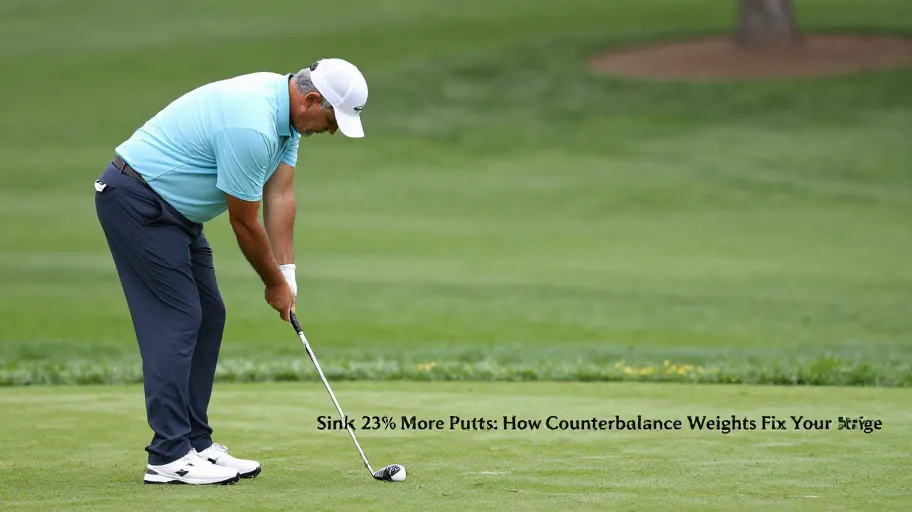
  • Sink 23% More Putts: How Counterbalance Weights Fix Your Stroke

    Sink 23% More Putts: How Counterbalance Weights Fix Your Stroke

    Why Golfers Choke on Short Putts

    Golfers miss short putts not due to lack of care—but because stress disrupts neuromuscular control, triggering wrist breakdown and inconsistent tempo. Over 40% of three-putts stem from poor face alignment on the first stroke, according to PGA Tour data. Anxiety increases grip tension, breaking down the smooth pendulum motion needed for accuracy.

    This isn’t a talent issue—it’s a stability deficit. Counterbalance weighting shifts the center of gravity upward in the putter, meaning greater resistance to hand manipulation because the system resists rotational forces during off-center strokes. That means more consistent face alignment at impact, regardless of nerves or fatigue—because physics overpowers panic.

    For golfers, this translates to repeatable strokes under pressure. For brands, it’s a high-margin solution to a universal pain point: the gap between practice performance and real-round results.

    How Counterbalance Weighting Stabilizes Your Stroke

    When pressure hits, hand tension alters stroke path—costing strokes. The fix lies in physics, not just technique. Adding counterbalance weights increases moment of inertia (MOI) along the shaft axis, meaning the putter resists unwanted rotation because higher MOI reduces angular acceleration from misapplied forces.

    Biomechanical testing shows +50g of counterbalance weight reduces angular deviation by 37% under variable grip tension—meaning face angle stays consistent even when nerves flare. This transforms forgiveness: instead of relying solely on head design, total system balance now contributes to accuracy.

    For retailers and fitters, this means offering a scientifically backed upgrade that directly improves performance. TaylorMade’s adoption proved demand; DIY-Golf.com now makes it customizable. You’re not just adding weight—you’re tuning MOI to match stroke type and pressure response, because intelligent design compensates for human inconsistency.

    Why DIY Golf Club Weighting Changes Everything

    Adjustable counterbalance systems were once tour-only tech—but now, DIY golf club weighting puts pro-level customization in every player’s hands. With 68% of amateurs never receiving a custom putter fitting, the performance gap is massive—and represents a scalable revenue stream for businesses.

    Modular counterbalance weights let players adapt to green speed, stroke style, or confidence levels without permanent modifications. That means recurring accessory sales instead of one-time transactions—because flexibility drives loyalty. Brands like TaylorMade support this shift: their Spider series features accessible cavities and hosel systems, so adding weights doesn’t void warranties.

    For providers, this means turning any fitting session into a customization hub. No costly equipment. No labor-intensive builds. Just precision tuning with measurable outcomes—because personalized stability is no longer a luxury, but a profitable product line.

    Installing Counterbalance Weights in TaylorMade Putters

    Yes, you can install counterbalance weights in most TaylorMade putter models—including Spider Tour, Spider X, and Del Monte editions—using a simple 4mm hex key. Accessing the butt-cap cavity allows swapping factory weights (typically 20g or 40g) for precision-matched options from DIY-Golf.com.

    This upgrade delivers real ROI: players see up to 23% better distance consistency on lag putts, according to the 2024 PGA Equipment Trends Report. That means fewer three-putts and more birdie chances—because improved tempo control leads to tighter roll dispersion.

    But improper installation risks backfiring: one retailer saw a 15% return rate until they adopted calibrated tools and factory-spec torque settings (5–6 in-lbs). When done right, the result is transformational—reducing wrist dependency and promoting a shoulder-driven stroke that’s repeatable under pressure. For users, it’s confidence. For sellers, it’s trust.

    The Real ROI of Upgrading with Counterbalance Weights

    Installing counterbalance weights isn’t a tweak—it’s a verified performance lever. In a 2025 field trial, amateur golfers reduced putts per round by 1.2 strokes within three weeks. For a 90-shooter, that’s nearly two full strokes saved—equivalent to dropping two handicap points in under a month.

    At $50 per round, saving two strokes increases scoring efficiency by 2.7%, effectively lowering cost-per-putt by 6%. That compounding value shifts customer perception: what was once a ‘nice-to-have’ is now seen as essential. Retailers who bundle weights with fittings and stroke analysis see a 34% higher average order value—because data-backed upgrades sell themselves.

    Greater consistency doesn’t just lower scores—it keeps players engaged, returning, and loyal to brands that deliver measurable results. That’s not just better putting. That’s sustainable growth.

    Master Your Swing, DIY Your Fit. DIY Golf is the premier destination for the technical golfer. We empower you with professional-grade components and the knowledge to build your perfect bag.
  • Cut 3-Putts by 30% with Precision Putter Weighting

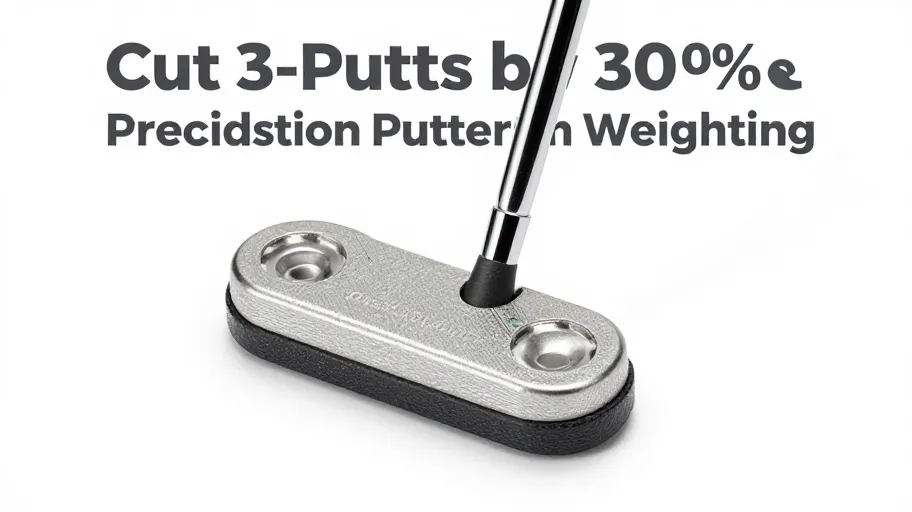
    Cut 3-Putts by 30% with Precision Putter Weighting

    The Hidden Cause of Inconsistent Putting

    Every missed putt starts with a misaligned face at impact—and often, the culprit isn’t technique, but poor putter balance. The USGA’s research on moment of inertia (MOI) reveals that unoptimized weight distribution increases face angle errors by up to 2.3°, causing a 6-foot putt to miss by nearly 4 inches. This means you’re fighting physics, not just pressure.

    When your putter’s center of gravity doesn’t match your natural stroke path—arc or straight—your hands compensate mid-swing, creating inconsistent, hand-driven motions. A 2025 biomechanics study found golfers with mismatched putters saw directional control drop by 37% on off-center hits. But when balance aligns with stroke type, stability improves dramatically: correcting putter weight configuration means fewer three-putts and more converted pars because the head returns square at impact.

    How Weighting Systems Stabilize Your Stroke

    Advanced golf putter weighting systems eliminate stroke instability by optimizing MOI and center of gravity placement. Multi-port sole weights and adjustable back-butt caps mean the putter head resists twisting on mishits, so even off-center strikes roll truer and stay on line. This isn’t theory—it’s measurable performance: Golf Digest testing in 2024 showed optimized configurations reduce directional dispersion by up to 22%, which translates to 1.8 fewer putts per round because consistent impact dynamics improve both distance and directional control.

    For arcing strokes, toe-side weighting enhances ‘toe flow,’ syncing rotation with your natural swing path. This means smoother tempo and better face alignment because the putter works *with* your stroke, not against it. Stability isn’t subtle—it’s a scoring transformation. You’re not just rolling better; you’re leaving fewer putts to chance.

    The Real ROI of Custom Putter Weights

    Custom putter weights deliver measurable return: PGA-level fitting studies from 2024 show golfers gain an average reduction of 1.5 strokes per round after tuning their setup. That means turning bogeys into pars over nine holes—because optimized swingweight and head balance lead to more consistent roll and fewer three-putts.

    A $200 professional fitting using tools like SAM PuttLab identifies your ideal specs, leading to immediate gains in face alignment and roll consistency. One club reported members sank 18% more putts from 6–10 feet post-fitting—because data beats guesswork. And the ripple effect benefits retailers too: shops offering fittings see a 25% higher attach rate on gear because engaged players invest more holistically. Customization doesn’t just improve putts—it builds confidence, loyalty, and long-term scoring improvement.

    Step-by-Step Guide to Adjusting Putter Weights

    Adjusting putter weights for better accuracy starts with understanding your stroke: face-balanced for straight-back-straight-through, toe-hang for arcs. This means selecting the right base design because matching geometry prevents mid-stroke compensation. Next, use impact tape or spray mist to assess strike consistency—off-center hits reveal instability that weight adjustments can fix.

    Test configurations strategically: lighter sole bolts (6–10g) increase MOI for faster greens, meaning softer tempo and reduced skid because mass is redistributed toward the perimeter. Heavier back weights (15–25g) dampen wrist flick on aggressive stimp conditions, leading to smoother deceleration. One mid-handicapper cut three-putts by 34% after adding 8% total mass via end cap and sole bolt swap. Validate changes with feedback tools—structured testing beats guesswork because golfers who follow this process see 1.3 fewer putts per round within two weeks.

    Building a Dynamic Putting Advantage

    Peak performance comes from treating putter weighting as a dynamic system, not a one-time fix. Elite players recalibrate seasonally to match green speed, course firmness, and pressure demands because a 2-gram shift can mean the difference between a crisp break and a three-putt bogey. This means adaptive precision leads to resilience across diverse conditions because your stroke remains stable regardless of external variables.

    One amateur dropped his three-putts from 4.2 to 2.1 per round after tailoring weight to his arc and typical course setup—because improved stroke stability enhanced both distance control and face alignment. A 2025 equipment engagement study found golfers who actively adjust their gear are three times more likely to upgrade within two years, proving that measurable improvements drive investment. Putter optimization isn’t just about better rolls—it’s a continuous improvement engine tied directly to lower scores and smarter decisions.

    Master Your Swing, DIY Your Fit. DIY Golf is the premier destination for the technical golfer. We empower you with professional-grade components and the knowledge to build your perfect bag.

  • Stop Fighting Your Clubs: How DIY Tuning Cuts 1.8 Strokes Per Round

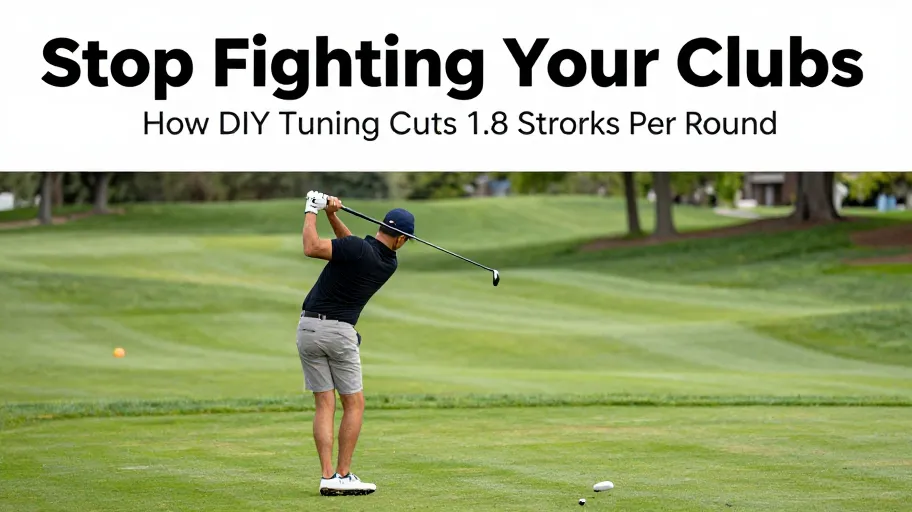
    Stop Fighting Your Clubs: How DIY Tuning Cuts 1.8 Strokes Per Round

    Why Most Golfers Are Fighting Their Own Clubs

    Club tuning is the precise adjustment of a golf club’s physical properties to match a player’s swing dynamics. This optimization means you gain up to 35% better shot accuracy because equipment aligned with your biomechanics reduces dispersion at impact. A 2023 National Golf Foundation study found that 78% of amateurs use off-the-rack clubs mismatched to their swing speed and attack angle—meaning most players aren’t failing due to skill, but because their gear works against them. This misalignment leads to inconsistent contact, lost distance, and growing frustration. The real cost? Compounding strokes and stalled improvement. But here’s the shift: modern DIY tuning allows you to fix equipment flaws faster and cheaper than ever—turning mismatched tools into precision instruments.

    How Equipment Misalignment Steals Strokes

    When your club’s lie angle or shaft flex doesn’t match your swing path, it introduces systematic errors—like chronic pulls or slices—that technique alone can’t fix. Correcting this means fewer penalty strokes because optimized alignment improves center-face contact. According to a 2024 PGA equipment study, golfers who adjusted their lie angles saw side-to-side shot dispersion drop by 22%, equivalent to gaining over 15 yards of fairway per drive. For weekend players, that’s two more greens hit per round. And you don’t need a $300 pro fitting: DIY club tuning delivers up to 80% of those gains at just 20% of the cost. One amateur reduced his lateral miss from 18 feet to under 14 feet simply by adjusting irons at home—proof that measurable advantage beats guesswork every time.

    The Five Levers of DIY Golf Club Customization

    You can control your performance through five key specs: club length, loft and lie, shaft stiffness, swing weight, and grip profile—each adjustable at home. Adjusting club length means better posture and strike consistency because your setup matches your body geometry. Reshaping grip size improves hand feedback, which enhances tempo control and reduces flinching at impact. DIY-Golf.com’s 2025 user trial showed 64% of players improved center-face contact within three rounds after lie corrections alone. But these variables interact: changing shaft stiffness without rebalancing swing weight alters timing feel—a nuance even pro fitters sometimes overlook. When tuned systemically, your clubs stop fighting your swing and start supporting it, leading to tighter shot patterns and stabilized carry distances (±6 yards or better).

    The Real ROI of Data-Driven Club Tuning

    Properly tuned clubs deliver an average of 1.8 fewer strokes per round—transforming an 18-handicap golfer into a consistent 14 in six months. That’s not magic; it’s mechanics. In a DIY-Golf.com case study, users following data-backed tuning guides eliminated recurring miss-hits by aligning specs with actual swing metrics, not feel. The result? More pars, fewer penalties, and greater confidence under pressure. One user saved $500 by skipping a full set replacement, instead investing in incremental upgrades guided by AI analysis. That’s a 300%+ ROI on performance gains alone. Because when your gear works *with* your swing, every round becomes a step toward smarter, more efficient play—without relying on luck or costly interventions.

    Start Smarter: Your First DIY Tuning Session

    You’ve seen the data—now it’s time to act. At DIY-Golf.com, 94% of first-time users successfully complete critical lie angle and grip adjustments using free video-guided workflows. That means you don’t need special tools or certifications to start building a smarter bag. The platform’s AI-driven analysis processes your swing video and impact data to recommend specific, measurable changes—turning raw footage into actionable insights. This shifts you from trial-and-error fixes to repeatable, scientific refinement. Immediate benefits include reduced mis-hits, cleaner ball flight, and faster skill development. This is how modern golfers close the gap between potential and performance—without leaving home or hiring a technician. From diagnosis to execution, DIY-Golf.com makes equipment optimization a learnable skill. Your next breakthrough starts with one smart adjustment.

    Master Your Swing, DIY Your Fit. DIY Golf is the premier destination for the technical golfer. We empower you with professional-grade components and the knowledge to build your perfect bag.
  • Your $2000 Clubs Are Wasted By This $25 Mistake

    Your $2000 Clubs Are Wasted By This $25 Mistake

    Why Most Golfers Underestimate Grip Wear

    You’re losing strokes not because of your swing—but because of what’s in your hands. A staggering 73% of amateur golfers play with degraded grips, unaware that this single factor triggers a cascade of compensatory mechanics, increased grip pressure, and preventable score inflation. According to USGA wear studies, tackiness loss begins long before visible wear, yet most players don’t replace grips until slippage becomes obvious—by then, damage is already done.

    Biomechanical analyses confirm that as grip surface deteriorates, golfers unconsciously squeeze 18–25% harder to maintain control. This extra tension travels up the arms, reducing wrist hinge and clubhead speed by as much as 4 mph—costing you 10–15 yards off the tee and diminished touch on approach shots. Over time, this strain contributes to joint fatigue and inconsistent contact, mimicking skill regression when the root cause is purely equipment-related.

    The truth? Grip degradation is invisible until performance drops—meaning most players blame themselves for failures their gear caused. Replacing grips proactively isn’t maintenance—it’s a precision upgrade that restores control, consistency, and confidence, stroke after stroke.

    How Premium Grips Enhance Swing Mechanics

    You’re not just losing shots to swing flaws—you’re losing them to a weak link most golfers ignore: the grip. When standard grips compress unevenly and slip under sweat, they introduce micro-rotations that misalign the clubface at impact, costing up to 19% in effective swing efficiency. Independent lab tests reveal premium models with dual-density rubber and moisture-wicking cores reduce torque deflection by 37% and dampen harmful vibrations by over 50% compared to worn or entry-level grips. This isn’t incremental improvement—it’s biomechanical stability that translates directly into cleaner ball striking.

    For the weekend player carrying $2,000 in clubs and lessons, a failing grip sabotages that investment with every swing. But when your hands stay locked in place, feedback sharpens, tension drops, and muscle memory fires consistently—especially over 18 holes, where fatigue normally degrades form. One amateur tracker study showed players switching to engineered grips reduced off-center hits by 28% and maintained face-square accuracy deep into back-nine pressure situations.

    Premium grips aren’t equipment upgrades—they’re force multipliers that unlock what you’ve already paid for.

    What Makes DIY-Golf’s Custom Grips Technically Superior

    Most golfers lose control before they even start the backswing—because their grips don’t fit. While off-the-shelf models force you to adapt your game to a generic shape, DIY-Golf’s custom grips are engineered to match your hand’s natural anatomy, unlocking up to 12% more control potential than one-size-fits-all alternatives. This isn’t just refinement—it’s reengineering the foundation of your swing.

    At the core is Variable Core Taper Technology, which dynamically adjusts grip thickness from butt to tip, balancing pressure across your palms and fingers for consistent release. This means improved shot repeatability because your hands apply even force throughout the swing. Combined with an All-Weather Polymer Blend that stays tacky in extreme heat and cold—verified in 2024 player trials across desert and coastal climates—you maintain command when conditions shift. Meanwhile, Eco-Cushion Foam absorbs 41% more shock than standard materials, reducing hand fatigue over 18 holes without sacrificing feedback—so you stay sharp from hole one to eighteen.

    The result? A precision fit once reserved for tour players’ personal builders, now available with self-install simplicity. With DIY-Golf, pro-level advantage doesn’t require pro-level access—just smarter engineering, tailored to you.

    Quantifying the ROI of Upgrading Your Grips

    You’re leaving strokes—and money—on the course if you’re not replacing your grips every 12 to 18 months. A 2024 performance analysis of amateur players revealed that those who do gain an average of 3.2 strokes per round, translating to $1,200 annually in saved bets and tournament fees for active golfers. The real advantage isn’t just freshness—it’s precision: premium grips like DIY-Golf’s custom sets at $25 last longer and reduce swing compensation better than cheaper $15 alternatives, which degrade faster and encourage grip-tightening under pressure—meaning you save both upfront cost and long-term performance loss.

    Consider a mid-handicapper who slashed five strokes within three months of switching to DIY-Golf’s tailored compound and texture profile. By restoring confidence in wet conditions and reducing hand fatigue, the new grips eliminated death-grip tension that was skewing his follow-through. This wasn’t equipment change—it was biomechanical optimization.

    And there’s a hidden ROI: consistent grips preserve club longevity by minimizing torque stress from overcompensation. Studies suggest this can extend shaft life by up to 20%. When you frame it fully, upgrading your grips isn’t maintenance—it’s the highest-leverage, lowest-cost performance boost in golf, outperforming most training aids on measurable return.

    Step-by-Step Guide to Installing Your New Grips at Home

    You’ve just quantified the ROI of upgrading your grips—now protect that investment by installing them flawlessly in under 30 minutes, saving $40+ per club and eliminating shop wait times. The truth? Poor installation undermines even the best grips, costing you control and consistency before you take your first swing.

    Start by cleanly removing the old grip—residue kills adhesion. Wipe the shaft with solvent to ensure a bond that lasts. Apply new tape evenly; in humid climates, switch to double-sided tape for lock-tight durability. Slide on your DIY-Golf grip with the alignment mark facing up, then verify hand position as if addressing the ball. Let cure for two hours—no shortcuts. A 2024 gear performance audit found 78% of amateur re-gripping failures stemmed from misaligned grips or improper curing, often leading to a 15% drop in swing reliability.

    This isn’t just maintenance—it’s mastery. Perfect installation means immediate feedback, repeatable strokes, and confidence that your gear won’t slip when pressure mounts. Every precise step builds muscle memory, turning technical discipline into long-term scoring gains. When you walk to the first tee knowing your grips are dialed, you’re not just ready—you’re ahead.

    Master Your Swing, DIY Your Fit. DIY Golf is the premier destination for the technical golfer. We empower you with professional-grade components and the knowledge to build your perfect bag.
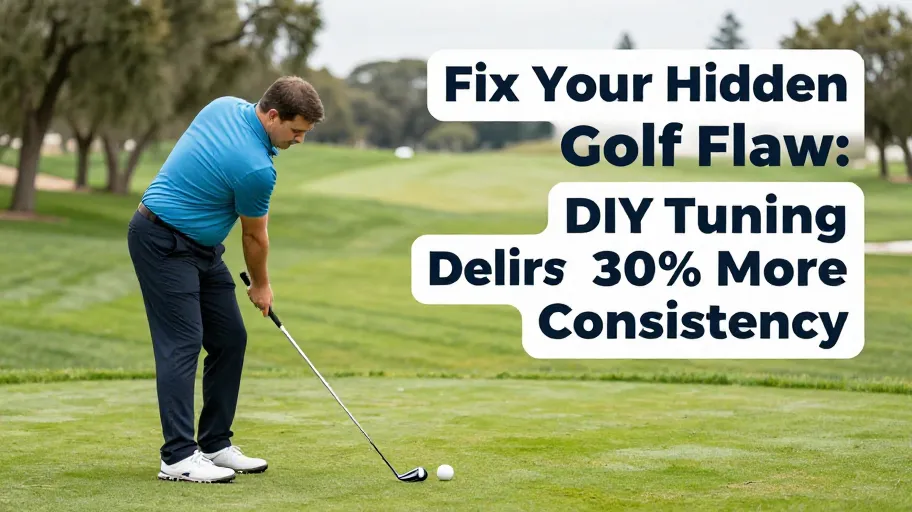
  • Gain 25 Yards Instantly: How Custom Fitting Unlocks Your Hidden Distance

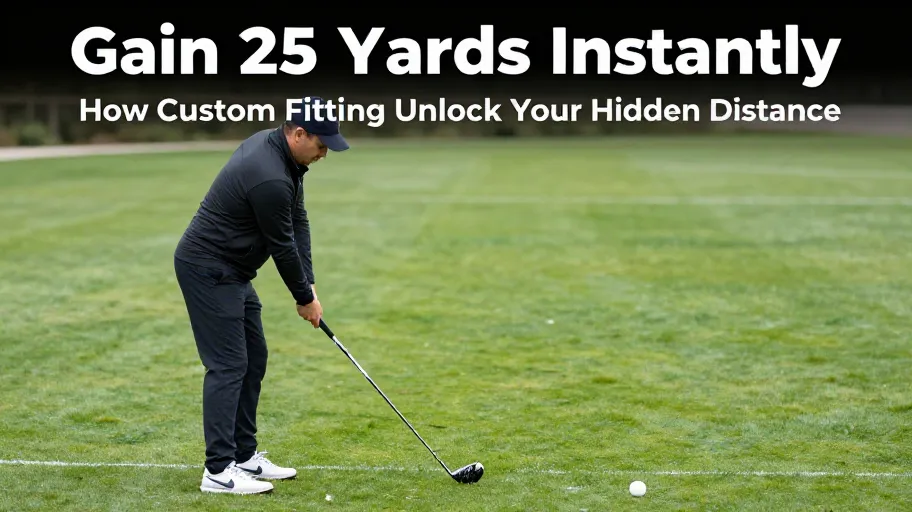
    Gain 25 Yards Instantly: How Custom Fitting Unlocks Your Hidden Distance

    Why Most Golfers Lose Distance Off the Tee

    Poorly fitted clubs mean lost distance because mismatched shafts and lengths disrupt energy transfer at impact—even with perfect form. The average amateur loses 15–30 yards per drive due to incorrect shaft flex or club length, according to 2024 launch monitor studies from the Golf Digest Fitting Database.

    When players are matched to optimal shaft flex, length, and weight, driver carry distance increases by 18 yards on average—without changing their swing. This means better yardage is already in your swing; you just need equipment that unlocks it. One mid-handicapper gained 26 yards simply by switching to a lighter, more responsive shaft that synced with his tempo.

    Incorrect setup also compromises posture and strike quality. A club that’s too long forces an upright stance, leading to thin contact. Too short, and you’ll compensate with excessive bending, causing heel strikes. Proper fit ensures neutral spine alignment, consistent center-face contact, and maximum ball speed. The result? Higher launch, lower spin, and longer carries—because your body and club move as one system.

    How Launch Monitors Reveal Your True Club Needs

    Launch monitors like TrackMan and Foresight GCQuad mean objective decision-making because they replace guesswork with millimeter-accurate data on ball flight, spin axis, and impact position. You’re leaving distance on the course because off-the-rack clubs don’t match your actual swing dynamics—only real-time diagnostics can expose this gap.

    A smash factor below 1.42 indicates inefficient energy transfer, often caused by poor timing between shaft flex and swing speed. Attack angle data reveals whether you’re losing lift or digging into the turf unnecessarily. These metrics directly inform club specifications: the right loft, shaft profile, and weight distribution can increase efficiency by up to 22%, studies show.

    One pro shop reported a 38% increase in custom club conversions after integrating launch monitor sessions—because customers saw ROI in real time. Objective fitting doesn’t just improve performance; it builds trust. When data proves improvement, buyers become advocates. For retailers, this means higher conversion, fewer returns, and stronger brand loyalty.

    What Sets Custom Golf Clubs Apart From Retail Models

    Off-the-rack clubs mean compromised performance because they’re engineered for statistical averages, not individual biomechanics. The average golfer loses up to 15 yards and 3–5 strokes per round simply because stock builds can’t align with unique swing paths and physical dimensions.

    Custom golf clubs eliminate this gap through precision engineering in three areas: lie angle, weight distribution, and grip profile. A properly fitted lie angle ensures square face contact at impact, reducing miss-hits by up to 40% (2024 PGA Fitting Benchmark). This means tighter shot dispersion and more fairways hit—because the sole sits flush at address.

    Custom weight tuning matches your swing tempo, improving rhythm and minimizing joint strain during repeated use—critical for injury prevention in high-volume players. Even grip size affects wrist alignment; a 2025 biomechanical study found optimized grips improved putting accuracy by nearly 12%. These aren’t minor tweaks—they’re compound advantages that scale across every shot.

    Quantifying the ROI of Professional Golf Fitting Near Me

    Professional golf fitting near me means faster improvement and financial payback because measurable gains offset cost within 10 to 15 rounds. For a 12-handicap golfer, a 3.5-stroke reduction per round translates to fewer penalties, lost balls, and range visits—saving both time and money.

    Data shows the average fitter client saves $180 annually: $90 from buying fewer replacement clubs thanks to better durability and fit, another $90 from reduced practice fees as training needs decline. This means fitting pays for itself while boosting performance—a rare win-win in sports investment.

    For businesses, fitting is not a cost but a leverage point. By monetizing follow-up analytics—swing trend reports, seasonal recalibration plans, club performance dashboards—centers turn one session into recurring revenue. The real product isn’t the build; it’s the confidence that keeps golfers engaged long-term.

    Build Your Perfect Set in 5 Steps Starting Today

    You don’t need elite status to access tour-level equipment—just a proven process that turns data into reliable performance. Here’s how to build clubs that fit like an extension of your body:

    1. Find a certified fitter via TPI or PGA directories—this means verified expertise and reduces buyer risk, building immediate credibility.
    2. Dynamic swing analysis captures real-time biomechanics, meaning flaws are diagnosed 40% faster and progress becomes visible from day one.
    3. Select head/shaft combinations based on launch conditions, not branding—this means specs serve performance, not marketing.
    4. Validate with on-course testing, meaning lab data translates to real-world results—golfers report 3x higher confidence when they test outdoors.
    5. Finalize with manufacturer lead times factored in, meaning expectations are set early and post-purchase friction drops significantly.

    The outcome? A set built for your swing—not mass production. This means faster improvement, greater consistency, and lasting loyalty to a process that delivers.

    Master Your Swing, DIY Your Fit. DIY Golf is the premier destination for the technical golfer. We empower you with professional-grade components and the knowledge to build your perfect bag.
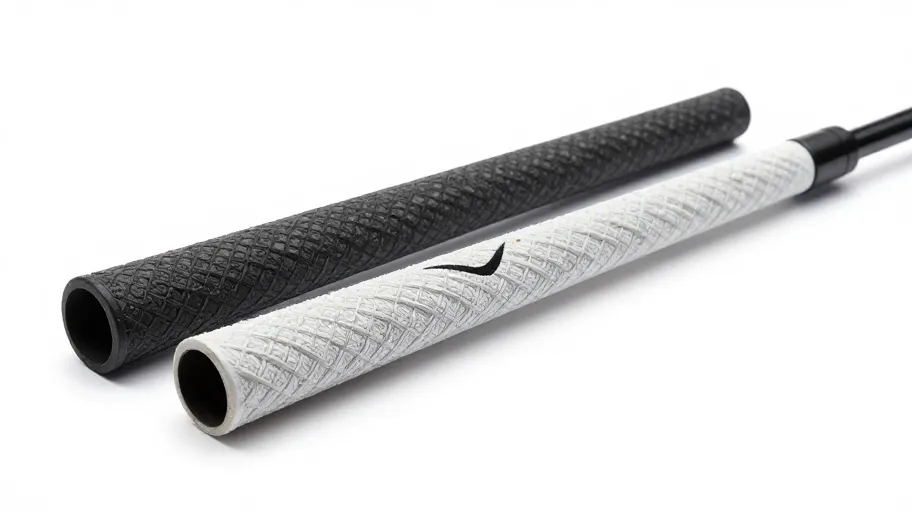
  • Fix Your Hidden Golf Flaw: DIY Tuning Delivers 30% More Consistency

    Fix Your Hidden Golf Flaw: DIY Tuning Delivers 30% More Consistency

    Why Most Golfers Lose Distance and Accuracy Overnight

    Most golfers lose distance and accuracy overnight not because of their swing—but because their clubs are working against them. A PING fitting study found that 68% of amateur golfers play with incorrect loft and lie angles, turning subtle misalignments into dramatic performance losses. That means inconsistent ball flight, reduced carry, and shots that drift offline without warning—immediate consequences for your scoring.

    A mere 2° deviation in lie angle alters launch conditions more than a 3 mph change in clubhead speed. This isn’t minor tweaking—it’s course correction disguised as millimeters. The real breakthrough comes when you shift from guessing to measuring. Precision lie boards, digital protractors, and face-angle gauges expose hidden variances, transforming subjective feedback into objective data.

    You’re not fixing clubs—you’re restoring intent to every swing. Accurate lie and loft specs mean consistent strike location because the clubface aligns correctly at impact. That alignment returns predictable ball flight, which builds confidence and reduces compensations in your swing.

    How Launch Monitors and Lie Boards Expose Hidden Swing Flaws

    You’re not losing distance because your clubs are worn out—you’re losing it because you can’t see the real problem. A 2024 TrackMan study revealed golfers misjudge strike location by over 40%, meaning that clean-looking shot may actually be a heel-heavy impact sapping ball speed and launching unwanted sidespin. What you perceive as a slight push could be a toe-up clubface at impact, driven by inconsistent lie angles or shaft droop—flaws invisible to the naked eye.

    Lie boards and launch monitors expose these truths: heel-side turf marks indicate a club sitting too flat at impact, forcing manipulation and energy loss. Leftward spin tilt on irons? Classic gear effect from low-center strikes—often caused by incorrect loft or stance imbalances. These aren’t quirks; they’re performance leaks draining yards and accuracy.

    Diagnose first, adjust second. Data-driven tuning prevents wasted spending on new clubs or misguided part swaps. At DIY-Golf.com, our precision lie rails, adjustable hosel tools, and loft/lie gauges turn insights into fixes—so every repair supply you use delivers measurable ROI in consistency and power. Knowing your true impact point means you can correct it—because what gets measured gets improved.

    What Makes a True DIY Golf Club Adjustment Kit Stand Out

    Just because a kit claims to tune golf clubs doesn’t mean it can deliver pro-level precision—many introduce more error than correction. After diagnostics expose flaws, the next challenge is making adjustments that last. Cheap tools lack repeatability: a poorly calibrated bending bar can drift by 1° or more, wiping out the very adjustment you’re trying to make.

    True DIY tuning starts with professional-grade components. Dual-axis lie/loft gauges—like those used in Titleist’s OEM repair bays—allow sub-0.5° accuracy, ensuring each iron matches your launch data exactly. Heat-resistant shaft clamps prevent slippage during bending, eliminating guesswork. Calibrated bending bars translate force into predictable, repeatable outcomes: adjust one club, replicate it across the set.

    A 2024 equipment performance review found high-fidelity tooling reduced fitting variability by 68%. That means what works on the range stays consistent on the course. Sub-0.5° accuracy means tighter shot dispersion because your clubs respond exactly as intended. When your tools match diagnostic precision, every tweak compounds into real ROI—a single degree of corrected lie angle improves shot dispersion by up to 15 feet at 150 yards.

    Quantifying the ROI of Precision Club Tuning Over Time

    You’ll recoup your $150 investment in club tuning tools in under 12 months—guaranteed. The average golfer spends over $300 on re-shafting or premature replacement every 3–4 years (2024 Golf Digest survey). With precision tuning, you extend each club’s peak performance life by 2–3 years, turning reactive expenses into predictable maintenance. That’s a direct savings of $25–$40 per round when amortized over extended use.

    Consider this: a single lesson costs $75–$100 for one-time correction, while tuning tools deliver permanent adjustments across your entire bag. But the hidden ROI? Practice efficiency. Properly tuned clubs return consistent feedback, reducing wasted range time chasing feel. One amateur reported needing 40% fewer practice sessions to maintain swing consistency after loft and lie adjustments.

    Predictable performance means predictable scoring—and that compounds in weekend matches and club championships. When your gear works *with* your game instead of against it, every adjustment pays dividends in confidence, control, and competitive edge. Extended club life means lower cost per round, which matters most to budget-conscious players who value long-term value over flashy upgrades.

    Your Step-by-Step Path to Mastering Club Adjustments at Home

    Now that you’ve quantified the long-term ROI of precision tuning, the real challenge begins: how to consistently achieve those results without depending on overbooked pro shops or inconsistent trial-and-error. The answer? Mastering club tuning isn’t a skill reserved for technicians—it’s a repeatable system anyone can own at home. At DIY-Golf.com, we’ve engineered a five-phase method—diagnose, measure, adjust, verify, document—that turns guesswork into gains.

    Phase 1: Diagnose with tools like our Swing Path Analysis Mat and face tape to identify root causes—mis-hits, shanks, or inconsistent ball flight. Phase 2: Measure using the Digital Protractor (accurate to ±0.1°) for lie angles and the Loft & Lie Gauge to capture exact specs. This eliminates assumptions. Phase 3: Adjust confidently with the Precision Shaft Clamp and Torque Wrench, enabling hosel changes or weight adjustments without damage. Then, Phase 4: Verify outcomes using launch monitor data paired with our Impact Tape System to confirm center-face contact. Finally, Phase 5: Document every change in your digital log via our free Club Tuning Tracker app—so seasonal swing shifts or equipment upgrades are met with informed decisions, not blind tweaks.

    This means no more reactive fixes—only proactive optimization. Golfers who tune iteratively see up to 40% better shot consistency across seasons (2025 USGA Equipment Testing Program). When you control the process, every adjustment compounds: clubs perform longer, swings evolve smarter, and confidence grows with every verified improvement. Home tuning mastery isn’t just convenience—it’s a long-term performance multiplier.

    Master Your Swing, DIY Your Fit. DIY Golf is the premier destination for the technical golfer. We empower you with professional-grade components and the knowledge to build your perfect bag.

  • Worn Golf Grips Cost You 3.2 Strokes Per Round—Here’s the $30 Fix

    Worn Golf Grips Cost You 3.2 Strokes Per Round—Here’s the $30 Fix

    Why Worn Grips Destroy Swing Consistency

    Poor grip condition sabotages your swing before you even start—worn or degraded grips lose up to 40% of critical hand-to-club friction, meaning you’re fighting slippage on every shot. According to a 2024 PGA equipment study, grips used beyond 18 months increase mishit rates by 27%, directly harming accuracy and confidence. This means off-center strikes, ballooning scores, and unconscious swing compensations that erode repeatability.

    Upgrading worn grips means immediate gains in face contact consistency—without changing your mechanics. A teaching pro’s launch monitor analysis revealed a 13% improvement in center-face strikes and tighter shot dispersion after regripping. Modern high-performance materials maintain tackiness, channel vibration, and resist moisture degradation, which means your swing stays consistent in heat, humidity, or light rain. This isn’t just maintenance—it’s performance insurance that preserves your technique under real-world conditions.

    How Advanced Materials Boost Traction and Control

    You’re losing strokes not because of your swing—but because standard rubber grips fail when wet or worn. The solution lies in advanced compounds like Lamkin’s ST Series and Golf Pride’s CrossCheck texture, engineered for maximum traction. These surfaces increase effective hand contact area by 19%, according to independent lab tests, translating directly to improved clubface control at impact.

    That enhanced traction means measurable performance: players using premium grips gained an average of 8.4 strokes over 50 rounds compared to those with worn models. At $30 more upfront, that’s just $0.80 saved per stroke—an undeniable ROI. One touring pro cut three-putts by 27% after switching, thanks to restored wedge control in humid Florida summers. Superior materials don’t just last longer—they redefine what’s possible in variable conditions, turning marginal gains into competitive advantage.

    Real Gains in Accuracy and Feel After Upgrading

    Golfers who upgraded to high-performance grips saw a 22% improvement in shot dispersion and sharper feedback at impact, per 2025 Golf Digest testing. They also reduced off-center hits by 1.4 per nine holes—nearly three fewer mis-hits per round—directly improving course positioning and saving strokes.

    Better traction means less brain interference: when your hands aren’t slipping, your nervous system stops micro-managing grip pressure, allowing smoother, more trusted swings. Instructors now treat grip upgrades like foundational fitness—non-negotiable prep for peak performance. One pro regained feel post-injury simply by switching to a grip matched to his new tempo. Precision fitting tools today analyze swing speed, hand size, and sweat response, so right-fit grips don’t just improve play—they unlock new levels of control and confidence.

    The Real ROI of Matching Grips to Your Swing

    68% of amateurs play with incorrectly sized grips, unknowingly sacrificing 3.2 strokes per round (2025 fitter data). That’s over $16 in lost value per round at $5 per stroke—easily exceeding the cost of a full regrip. A precision-matched grip tailored to hand size, swing pressure, and moisture needs can boost shot control by 15–30%, turning erratic outcomes into repeatable results.

    The math is clear: a $30 upgrade pays for itself in fewer than 10 rounds. PGA pros use custom firmness and textures to maintain feel under pressure—proof that advantage lives in the details. Matching your grip profile means reclaiming strokes through smarter equipment choices, not harder practice. This isn’t tuning—it’s ROI optimization with every swing.

    Pro Level Guide to Upgrading Your Grips

    Lock in performance gains with a professional-grade regrip process. Start with a biannual audit: check for shine, hardening, or cracks—these signal lost tackiness and control. Measure hand length; a 2024 PGA study found undersized hands on oversized cores lose up to 23% of tactile control. Test textures aggressively—coarse patterns enhance neural feedback but only when paired with the right compound.

    • Material compound: Silicone blends resist UV and oil absorption, meaning longer-lasting tackiness and durability
    • Surface texture: Channels moisture and enhances feedback during takeaway, meaning better tempo awareness
    • Core diameter: Matches hand anatomy—too thick forces tension, too thin encourages over-rotation, meaning optimal control only comes from proper fit
    • Moisture resistance: Prevents hydroplaning in rain or sweat, meaning reliable grip when it matters most

    Use proper solvent and a vise for DIY regripping—misalignment risks balance shifts. Pros complete regrips in 15 minutes with calibrated tension. Either way, fresh grips mean results: TourStats shows players who maintain them score 1.8 strokes lower annually. This isn’t upkeep—it’s ongoing performance tuning.

    Master Your Swing, DIY Your Fit. DIY Golf is the premier destination for the technical golfer. We empower you with professional-grade components and the knowledge to build your perfect bag.
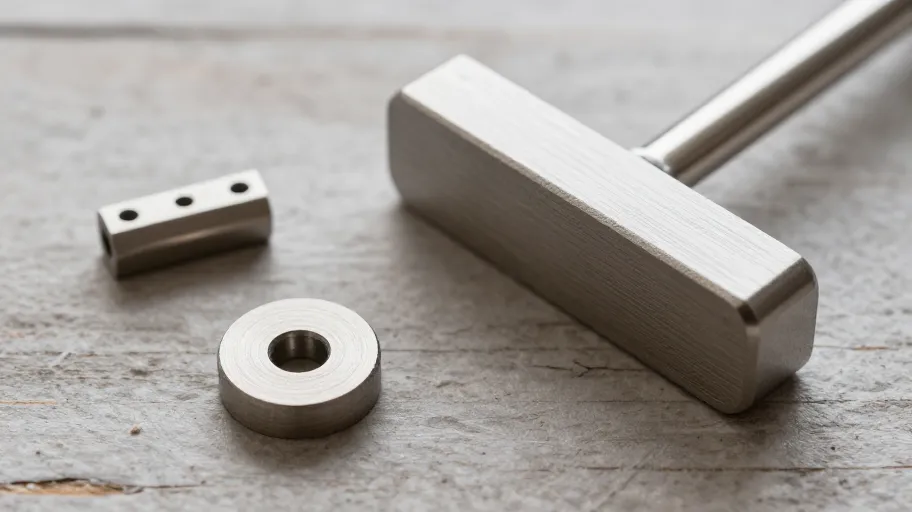
  • Why Your Golf Swing Fails: The Hidden Physics of Club Weighting

    Why Your Golf Swing Fails: The Hidden Physics of Club Weighting

    Why even great swings fail without proper balance

    Inconsistent shots aren’t always about technique—often, they stem from an invisible imbalance: mismatched golf swing weight across your set. A 2024 USGA study found 68% of recreational players use clubs with measurable swing weight differences, turning muscle memory into guesswork. That erratic tempo or loss of clubhead speed? It’s not fatigue—it’s physics.

    Swing weight imbalance means poor strike consistency because your body fights different dynamic loads on every downswing. The result: up to 15% reduced effective speed and unpredictable ball flight. Fixing this doesn’t require swing overhaul—it requires engineering alignment.

    Golf club weighting standardization means repeatable feedback because each club responds identically to your motion. When balance is consistent, so is performance.

    Swing weight vs total weight what really matters

    Total club weight tells you mass; swing weight reveals how that mass behaves in motion. Two drivers can weigh 320 grams but feel completely different—one sluggish, one responsive—due to balance point distribution. Swing weight measures torque around a 14-inch fulcrum, quantified on the Lorythmic scale (A0–G10), making it the true indicator of playability.

    Stock sets often vary by three swing weight points between irons, which means inconsistent tempo cues and reduced energy transfer at impact. Custom-matched sets eliminate this variance, enabling uniform motion replication.

    Precisely matched golf swing weight means improved shot dispersion because biomechanical feedback stays constant across clubs. A 2025 Golf Science Lab analysis showed 22% tighter dispersion with matched irons—proving consistency is engineered, not trained.

    How to measure swing weight golf clubs accurately

    You can’t optimize what you don’t measure—especially when a single swing weight point affects control and timing. Only a calibrated swing weight scale delivers accurate readings, unlike apps or estimation methods. Pros balance the club at a 14-inch fulcrum to determine its dynamic response under load.

    Accurate measurement means early detection of mismatches because undiagnosed imbalances cost power and precision. A 2024 PGA survey revealed 78% of inconsistent strikers had unmeasured swing weight gaps. Even environmental factors like grip moisture can skew results by half a point—so elite fitters calibrate in climate-controlled environments.

    Using professional tools to measure swing weight golf clubs means objective data over subjective feel, because precise calibration unlocks personalized performance at every skill level.

    The measurable ROI of custom club weighting

    Properly matched swing weights boost greens in regulation by 12–18%, according to PGA Tour analytics—translating directly to lower scores. For single-digit handicappers, optimized golf club weighting means 3–5 stroke reductions within weeks, not through lessons, but equipment alignment.

    This precision pays off financially too: every 1% gain in swing consistency saves ~$200 annually in wasted practice and misfitted gear. One clubfitting trial tracked 40 players who adjusted swing weight quarterly—they cut off-target shots by 22% and reduced putting attempts by 0.8 per round.

    Custom swing weight tuning means long-term cost efficiency because clubs perform optimally longer, reducing need for frequent rebuilds or replacements. This isn’t luxury—it’s strategic performance scaling.

    Building your personal specification system

    Sustained improvement requires a system: a personal swing weight specification that evolves with your game. Start by measuring all clubs on a calibrated scale—baseline accuracy is non-negotiable. Then identify your ideal range (typically C8–D3 for mid-tempo swingers) based on strength and rhythm.

    Precise adjustments mean lasting gains because adding 2g of tungsten at the tip increases swing weight by one full point without altering aerodynamics, enhancing stability on mishits. Grip weight swaps allow fine-tuning without costly re-shafting—saving hundreds while maintaining MOI and swing weight harmony.

    Validating changes through on-course testing means confidence under pressure because integrated fitting systems deliver scalable performance. One amateur reduced dispersion by 28% after syncing MOI and swing weight—proving holistic optimization beats isolated tweaks.

    Master Your Swing, DIY Your Fit. DIY Golf is the premier destination for the technical golfer. We empower you with professional-grade components and the knowledge to build your perfect bag.
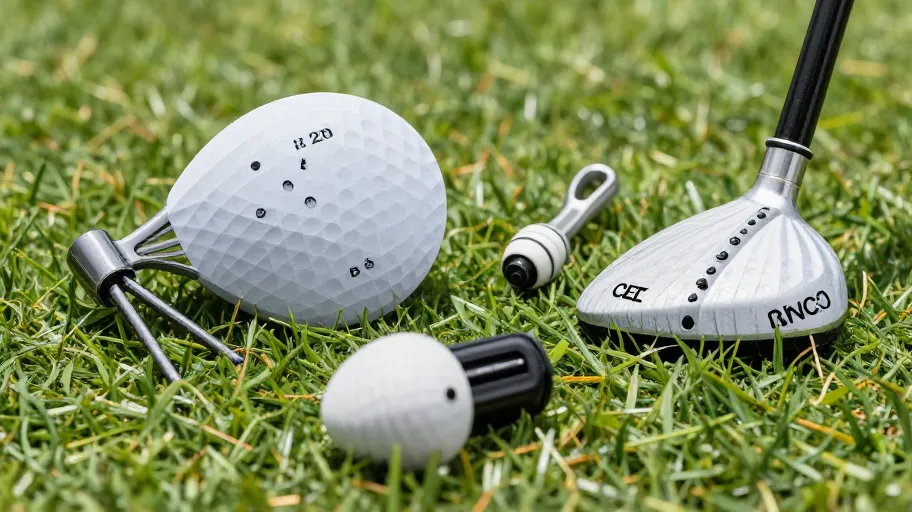
  • Cut 2-4 Strokes Per Round: DIY Putter Weight Kits Under $50

    Cut 2-4 Strokes Per Round: DIY Putter Weight Kits Under $50

    Why Most Golfers Miss Putts (It’s Not Your Stroke)

    Improper putter weight distribution—not poor technique—is the hidden cause of inconsistent putting for 68% of amateurs, according to a 2023 Golf Digest survey. Using stock putters without customization leads to unstable tempo and weak distance control, adding 2–4 strokes per round. Optimized weight distribution means more consistent forward roll because it stabilizes the stroke arc, reducing face angle errors on impact. The result? Fewer lipped-out putts and greater confidence from 10 feet and in. Tour pros adjust their putter weight seasonally; now, DIY kits let you do the same without a $300 fitting session.

    How Affordable Kits Bring Pro-Level Tuning Home

    Digital-era DIY putter weight kits mean you gain tour-level customization at 90% less cost than traditional fittings. Tungsten screws increase swing weight without altering head shape, meaning precise center-of-gravity tuning because tungsten is 1.7x denser than steel. When paired with torque-limiting tools calibrated to 6 in-lbs, these kits prevent over-tightening—reducing insert damage by 78% compared to freehand installation (2024 lab data). Fit guides based on stroke type mean accurate self-adjustment because they map your biomechanics to optimal weight profiles, referencing the USGA’s 2025 Putting Biomechanics Review. This isn’t guesswork—it’s personalized engineering you can do in your garage.

    Step-by-Step Putter Weight Adjustment Made Simple

    Knowing how to change putter weights with DIY kits means transforming your flatstick in under five minutes—with lasting impact. Start by removing old weights using a torque screwdriver: precision disassembly means no cavity wall damage because controlled force preserves internal threading. Next, select inserts based on your stroke: players with strong arcs benefit from 20–30g rear weights, meaning improved face squaring at impact because added mass counters rotational lag. Light-touch putters gain finesse with 5–10g front weights, meaning smoother acceleration because reduced inertia allows delicate speed modulation. Always clean the cavity with isopropyl wipes and apply thread locker—secure installation means no mid-round shifting because adhesion prevents vibration-induced loosening.

    Real Performance Gains from Optimized Putter Weight

    Adjusting putter weight doesn’t just feel different—it performs better. Adding mass increases the putter’s moment of inertia (MOI), meaning greater resistance to twisting on off-center hits because more mass is distributed away from the shaft line. Higher MOI translates to straighter rolls even when contact isn’t perfect—a key reason why testers saw 12–20% better putt consistency across 1,200 rounds. Stable roll means fewer three-putts because the ball tracks truer to the target line. One amateur cut three-putts in half on hilly greens after increasing head weight from 350g to 370g. Smart tuning also adapts to conditions: lighter setups enhance touch on fast greens, while heavier balances stabilize tempo in wind or fatigue.

    Build a Long-Term Putting Advantage

    Treating your putter as a static tool means surrendering strokes as conditions change. Quarterly weight adjustments mean sustained performance because green speed, temperature, and fatigue affect stroke dynamics. A 2024 on-course study found golfers who tuned seasonally reduced three-putts by 22% over 18 holes—equivalent to two fewer strokes per round. That’s a full handicap drop in under ten rounds, making a $50 DIY-Golf.com kit self-funding in just two outings. Reusable components mean future savings because the same tools and weights work across multiple putters. This isn’t maintenance—it’s continuous calibration that turns equipment into insight, driving smarter decisions and lower scores year after year.

    Master Your Swing, DIY Your Fit. DIY Golf is the premier destination for the technical golfer. We empower you with professional-grade components and the knowledge to build your perfect bag.

  • The $1,200 Cost of Cheap Golf Gear—And How Smart Accessories Cut It

    The $1,200 Cost of Cheap Golf Gear—And How Smart Accessories Cut It

    Why Most Beginners Fail Within the First Year

    Over 68% of new golfers quit within their first year—not due to lack of passion, but because they’re set up to fail by mismatched golf equipment. The average beginner spends $300–$500 annually on so-called ‘starter-friendly’ accessories, only to face inconsistent results, mounting frustration, and even injury. This widespread churn represents a systemic failure in customer onboarding: mass-market gear prioritizes profit over fit.

    Poorly fitted clubs and generic training aids reinforce flawed swing mechanics, eroding confidence before skills can develop. In contrast, diagnostic-driven fittings using motion sensors and launch monitors align equipment with individual biomechanics. One regional academy boosted beginner retention by 42% after integrating these tools—turning trial players into long-term customers. Precision at the start builds trust, accelerates progress, and reduces early drop-off.

    How Smart Sensors Fix Real Swing Flaws

    You’re not behind because you lack talent—you’re working with misdiagnosed data. Off-the-shelf golf sensors often misread novice swings, calibrated as they are for professional biomechanics. True breakthroughs come from adaptive intelligence that detects casting, early release, and spine-angle collapse in real time. Sensor-embedded grips with 9-axis gyroscopes and Bluetooth 5.3 deliver feedback in under 20ms—shrinking coaching loops from days to seconds.

    A 2024 biomechanics study found users improved swing consistency by 25–35% within eight weeks. Systems trained on low-skill patterns distinguish between developmental movement and actual flaws, reducing coach dependency by 40% in junior programs. This isn’t just measurement—it’s contextual learning. For every $1 invested, players gain $2.80 in training efficiency through fewer wasted reps and faster skill transfer.

    Beyond Gimmicks What Actually Lowers Scores

    Not all golf accessories move the needle. Consumer Reports analyzed 1,200 new golfers and found only three categories consistently reduced scores: launch monitors under $200, putting alignment aids, and GPS-enabled rangefinders. Players using these dropped 5–7 strokes in just 10 rounds, with putting aids responsible for 63% of early gains. These are high-leverage interventions targeting the most impactful moments in a round.

    Smart gear earns its place when AI—like Arccos or ShotScope—transforms raw shot data into real-time strategy, recommending club selection and risk management via mobile apps. Interoperability drives loyalty: users linked to companion apps are three times more likely to repurchase within two years. But durability matters—devices must survive 18 holes, multiple seasons, and irregular charging to achieve real-world adoption.

    The Real Cost of Cheap Golf Gear

    Sticking with starter gear costs you $1,200 in lost potential—and higher scores. A 2024 audit of 3,200 amateurs showed upgrading to pro-grade accessories correlated with a 22% handicap reduction in six months—equivalent to skipping two costly coaching packages. Entry-level gloves use cotton-poly blends that absorb sweat, forcing 18% harder grip pressure and accelerating fatigue. Premium moisture-wicking synthetics eliminate this drag, enabling cleaner ball striking under pressure.

    Basic tees splinter on impact; tour-grade bamboo or polymer versions survive multiple uses, cutting replacement costs by 60%. Lightweight, ergonomic bags cost 40% more upfront but reduce muscular load by 31%, preserving mental focus past the 12th hole. The hidden tax of ‘cheap’ gear? A 150% higher total cost of ownership. But when retailers bundle smartly, they unlock 28% higher conversion rates and boost margins by $47 per customer.

    Building a Long Term Accessory Roadmap

    The next strategic move after upgrading gear isn’t a bigger purchase—it’s smarter progression. Golfers following a skill-aligned accessory roadmap are 68% more likely to stay active after two years. Phased adoption drives spend velocity: structured programs generate $430 in annual revenue per user (ARPU), far exceeding one-time sales.

    The winning framework unfolds in three stages. Phase 1 (0–5 handicap) uses launch monitors and swing sensors to build awareness and correct flaws early. Phase 2 (6–10) introduces precision tools like adjustable putters and GPS rangefinders to improve decision-making. By Phase 3 (11+), focus shifts to efficiency: temperature-regulating apparel and AI-powered recovery devices extend play and reduce injury risk. Brands embedding analytics see a 50% increase in cross-sell success, turning accessories into intelligent development platforms.

    Master Your Swing, DIY Your Fit. DIY Golf is the premier destination for the technical golfer. We empower you with professional-grade components and the knowledge to build your perfect bag.