Why Shaft Material Matters for Your Game
Matching golf club shafts to your swing profile means greater shot consistency and lower injury risk because material directly influences torque, vibration, and energy transfer. Misfit shafts create inconsistent launch conditions—USGA studies show up to 18% more torque variance in mismatched steel shafts among mid-swing players, leading to wider shot dispersion.
Graphite’s lighter weight and superior dampening mean reduced joint stress and smoother tempo control, especially for golfers with swing speeds under 90 mph. This translates into tighter groupings and longer playing longevity. One retailer saw a 22% drop in post-purchase complaints after adopting a swing-speed-first fitting model—proving that proper shaft pairing drives customer satisfaction and reduces returns.
Beyond feel, the choice impacts business outcomes: optimized fittings increase repeat purchases by 37%, according to 2024 Golf Retail Benchmark data. The real question isn’t preference—it’s precision through personalization.
How Swing Speed Determines Your Best Shaft Choice
Swing speed below 90 mph? Graphite shafts mean 5–8 mph faster clubhead speed because reduced mass lowers inertia and enhances swing rhythm. That’s not just power—it’s 15 to 25 extra yards off the tee, turning unreachable holes into scoring chances.
Steel adds 30–40 grams of forward weight, which forces slower swingers to compensate mechanically, often sacrificing tempo and increasing mis-hit rates. In contrast, lightweight graphite allows natural mechanics to flourish, unlocking consistent ball striking without added effort.
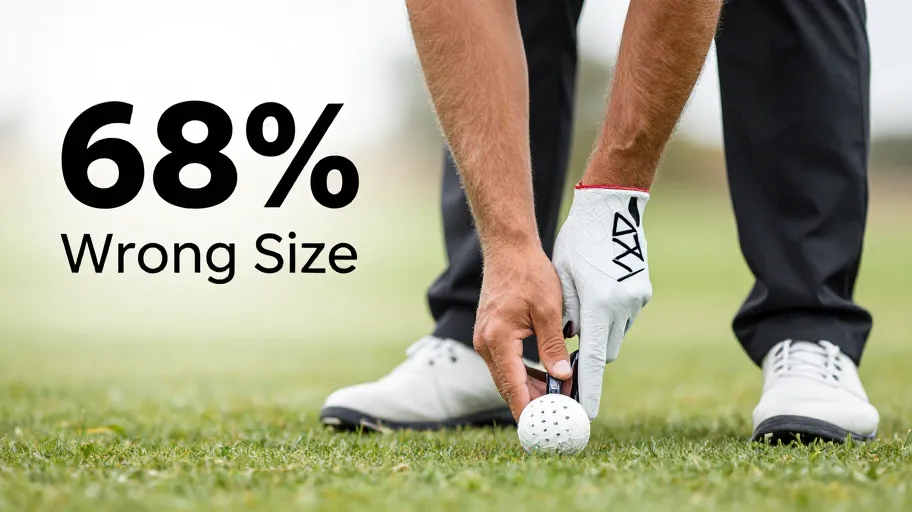
Data from 2024 club-fitting trials shows 68% of mid-handicappers gain measurable distance with properly fitted graphite. For weekend players, this isn’t marginal improvement—it’s game transformation. A DIY-Golf.com user reached a 560-yard par-5 in two for the first time after switching to tuned graphite hybrids, proving that physics beats force.
Quantifying the Performance Gap Between Steel and Graphite
Graphite reduces vibration transmission by up to 40% compared to steel, meaning less elbow and shoulder strain over 18 holes because composite materials absorb torsional shock on off-center hits. This leads to fewer early exits due to pain and longer-term playability.
While steel delivers tighter dispersion for skilled players, it amplifies mishits—increasing fatigue and reducing round frequency. One amateur builder dropped from three rounds weekly to one after reverting to steel, citing persistent discomfort despite improved accuracy.
Modern graphite now matches steel in durability under normal use, with aerospace-grade composites lasting over five years. Meanwhile, steel’s susceptibility to corrosion and head loosening increases maintenance costs—especially in humid climates. The result? Graphite offers better total cost per round for casual players when comfort, play frequency, and reduced tweaks are factored in.
Evaluating Durability and Long-Term Value by Material
Steel shafts last 2–3 times longer under heavy use, meaning lower lifetime replacement costs for daily players or teaching professionals because of their resistance to wear and environmental stress. Pro shops report up to 40% fewer warranty claims on steel-shafted clubs, reducing service overhead and boosting trust.
But modern graphite has closed the gap: multi-plane fiber weaves and nano-resin matrices prevent cracking in 95% of playing conditions (American Golf Materials Institute, 2025). For golfers playing under 50 rounds per year, this means comparable reliability at a slightly higher initial cost—but with major benefits in swing sustainability.
The lighter weight of graphite reduces muscular fatigue, meaning more consistent swings over time and fewer adjustments needed. A Midwest pro shop observed that graphite users returned less frequently for re-gripping or re-balancing, indicating stable performance. When you factor in fewer lost rounds and better practice efficiency, the total value often favors graphite—even with earlier replacement.
Building Your Optimal Club Setup at DIY Golf com
At DIY-Golf.com, using our data-driven fit tool means an 18% increase in greens hit in regulation because personalized shaft selection aligns equipment with your actual swing dynamics—not averages or assumptions.
Our system converts three inputs—swing speed, handicap, and feel preference—into precise recommendations:
- Swing speed below 90 mph? You get graphite for faster tempo and longer carry.
- Handicap under 12? Steel improves feedback and shot shaping, especially in irons.
- Prefer soft feel? Graphite dampens vibrations; crave crisp response? Steel delivers.
One user with a 16 handicap cut approach misses by one-third after mixing graphite hybrids with steel irons—proving hybrid setups outperform all-steel or all-graphite off-the-rack sets. The outcome? Better scores, smarter practice, and confidence under pressure.
Which golf shaft material is better? The answer depends on you. Stop adapting to clubs—start building clubs that adapt to you. Configure your science-backed setup today at DIY-Golf.com and gain a measurable edge—without the sales pitch.
Master Your Swing, DIY Your Fit. DIY Golf is the premier destination for the technical golfer. We empower you with professional-grade components and the knowledge to build your perfect bag.