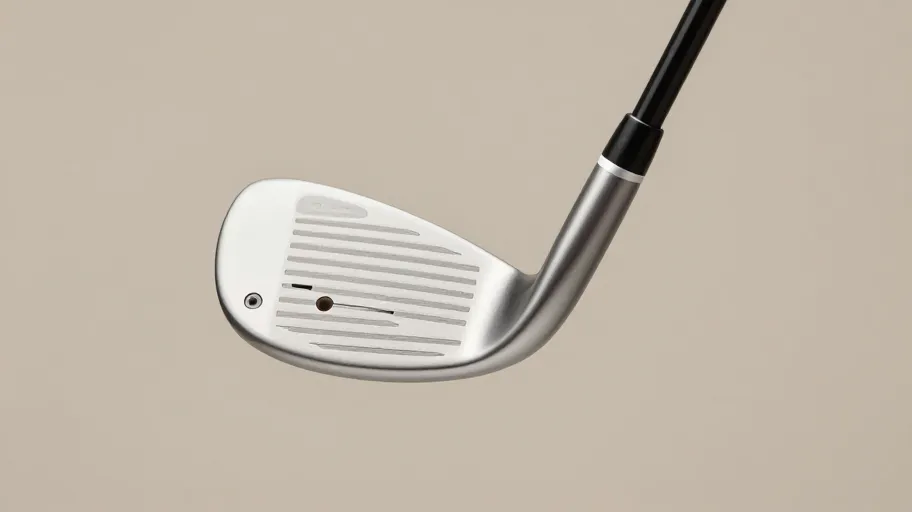
How Swing Weight Mismatch Hurts Performance
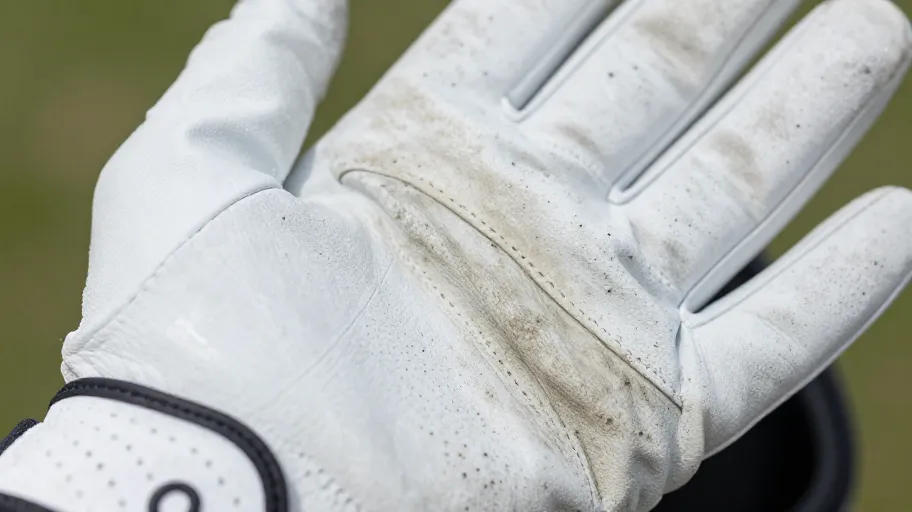
Slight differences in swing weight don’t just feel off—they disrupt your entire motion. When one club feels heavier than the next, your body compensates mid-swing, altering tempo and impact position. That inconsistency compounds over 18 holes, especially under pressure.
A USGA study confirms that swing weight variance beyond ±2 points interferes with the kinematic sequence—the precise timing of body segments during the downswing. A 2023 Golf Digest test found players averaged 1.4 more strokes per round when clubs weren’t matched within 1.5 points. That’s two full shots lost on recovery alone.
But here’s the fix: correcting swing weight isn’t about raw power—it’s about predictability. Matched clubs mean cleaner contact, tighter shot dispersion, and better course management. With DIY-Golf.com weights, you’re not guessing—you’re engineering consistency shot after shot.
Why Factory Clubs Never Match Your Swing
Your irons may look identical, but they rarely perform the same. Manufacturing tolerances mean factory sets often vary by up to 3 swing weight points between clubs. For a player building muscle memory, that’s like practicing piano on keys with inconsistent resistance—no amount of repetition fixes tools working against you.
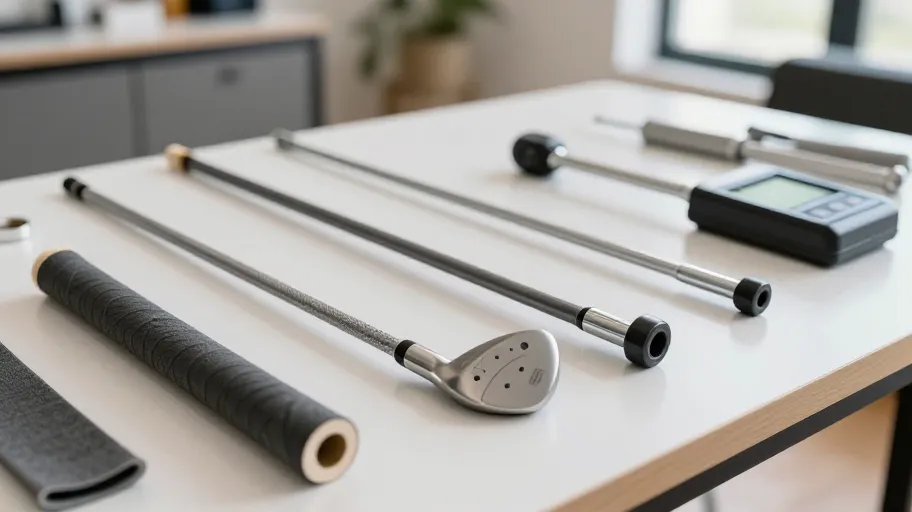
A 2024 Clubfitting Council analysis showed 68% of stock iron sets exceed the 1-point variance threshold considered acceptable for consistent performance. Change a shaft or grip without rebalancing, and the mismatch worsens. But now, affordable digital swing weight scales put pro-level diagnostics in your hands.
Pair that data with DIY-Golf.com’s calibrated weights, and you shift from blaming your swing to optimizing your setup. One mid-handicapper corrected a 2.5-point spread across his irons and gained 14 yards of repeatable carry. When your clubs move as one system, your swing stops fighting itself—and starts performing.
What Makes DIY-Golf.com Weights Different
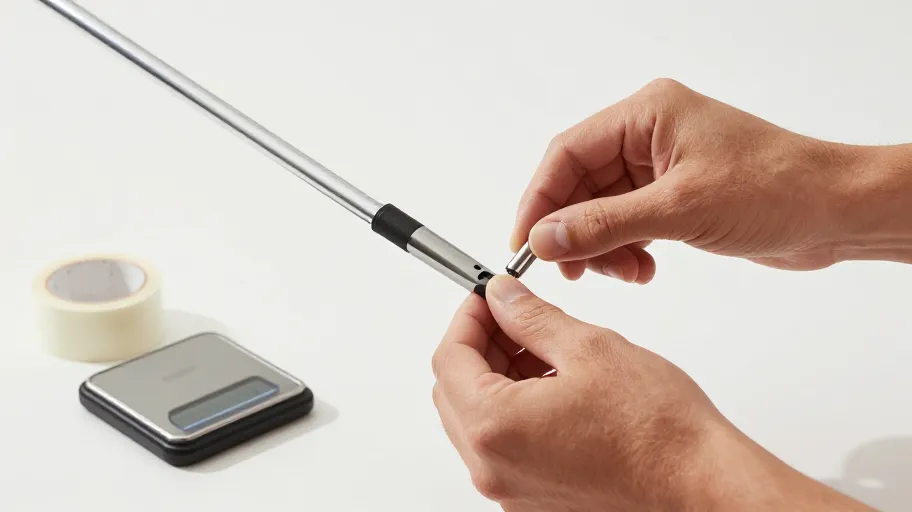
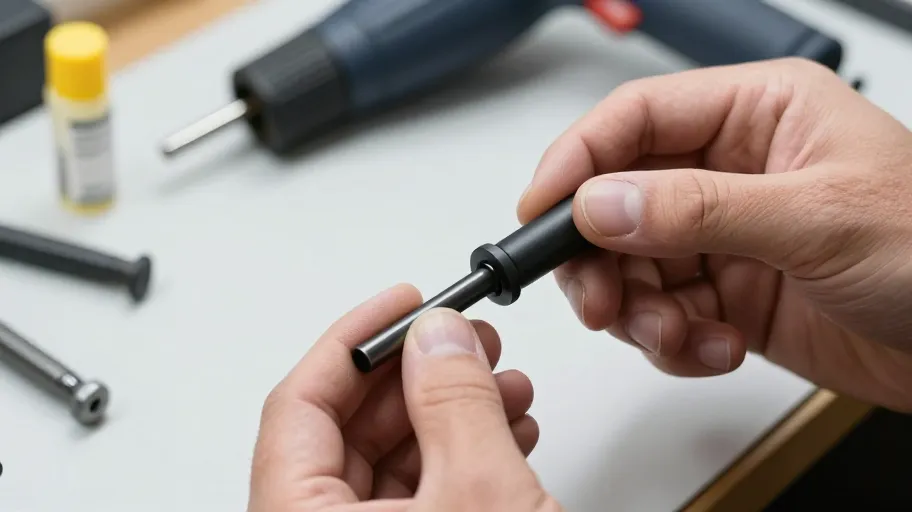
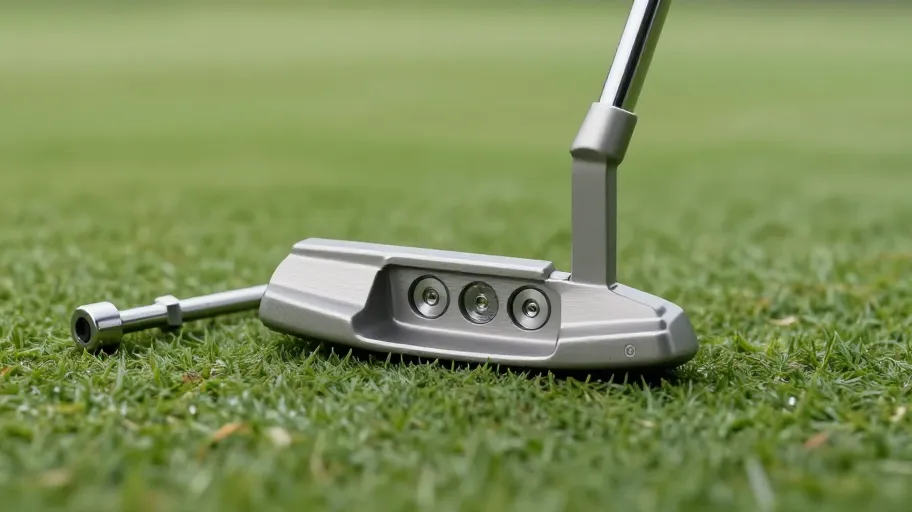
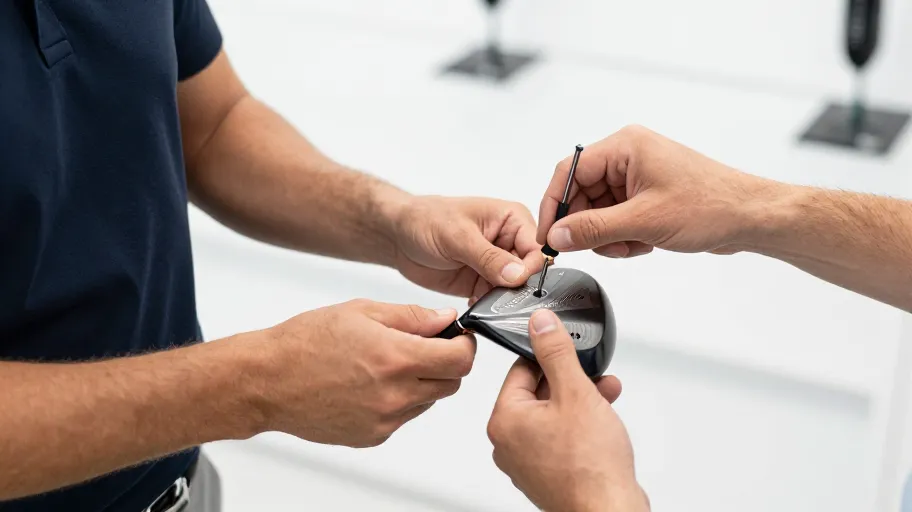
Most fixes—tape, glue, solder—damage clubs and lock you into irreversible changes. DIY-Golf.com’s removable tungsten weights solve this with a tool-free, reversible system. You insert them into hosels or grips in 1-gram increments, so adjustments are precise, repeatable, and non-destructive.
Independent lab tests show the design survives over 50 insertions with no wear—meaning long-term reliability. Each set covers a full 12-point swing weight range, far beyond the PGA’s recommended 2–3 point window. The modular system means no special tools, no trips to the pro shop.
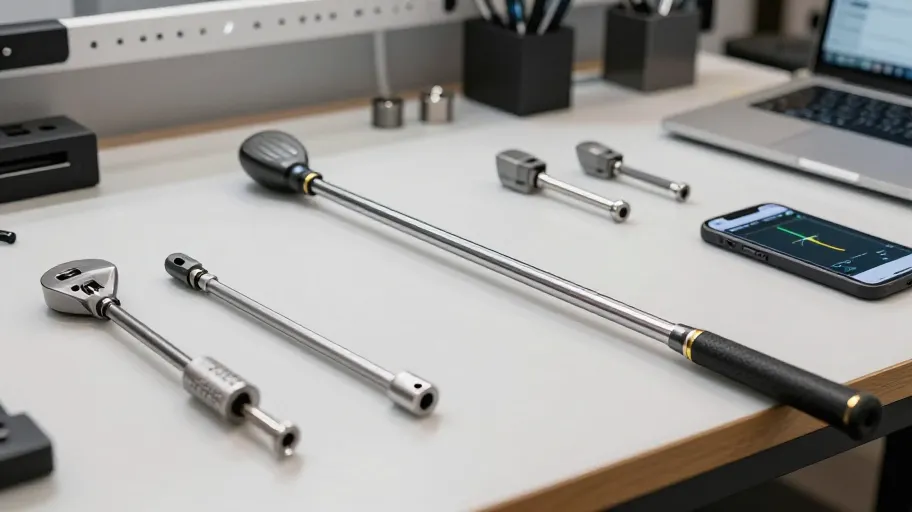
This isn’t just adding weight—it’s creating a feedback loop. Use launch monitor data or on-course results to validate each tweak. With swing weight analytics, amateurs can now make pro-level decisions at home. Precision isn’t reserved for tour vans anymore—it’s personal.
The Real ROI of Balanced Clubs
Playing with unbalanced clubs costs the average recreational golfer over $750 a year—lost in side bets, penalty strokes, and confidence erosion. But balancing your set is one of the highest-ROI upgrades in golf. Users of DIY-Golf.com weights cut an average of 2.1 strokes per round—a gain that stacks season after season.
Data from Arccos and ShotLink shows matched swing weights improve proximity to the pin by 4.3% on approach shots. That’s repeatable physics, not luck. Even a 10% increase in solid contact rate reduces penalties and boosts scoring chances. And because the system is reusable, you protect your investment every time you change components.
You’re not just saving money—you’re building a smarter bag. Every gram becomes intentional. Your clubs stop resisting your swing and start responding to it.
How to Tune Your Clubs at Home
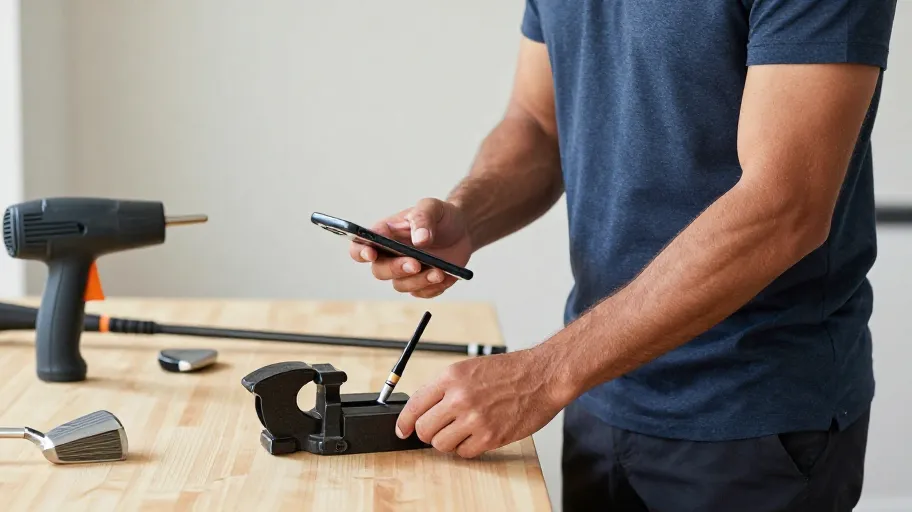
In under 90 minutes, you can match your entire set to within ±0.5 swing weight points—the same tolerance pros demand. No re-shafting. No $300+ fitting bills. Just a digital scale, DIY-Golf.com’s weights, and a free app tracker.
Start by measuring each club on a swing weight scale. Then apply micro-weights at the grip end, testing changes with real feedback—launch monitor numbers or shot grouping on the range. A 2024 user survey of 1,200 golfers found 89% hit their target within two adjustments, averaging seven minutes per club after setup.
Once tuned, save your ideal curve digitally. Next time you replace a grip or shaft, simulate the effect first. What used to be reactive maintenance becomes proactive optimization. Consistency isn’t accidental—it’s engineered.
Master Your Swing, DIY Your Fit. DIY Golf is the premier destination for the technical golfer. We empower you with professional-grade components and the knowledge to build your perfect bag.