Why That Slight Wobble Is Costing You More Than Just One Shot
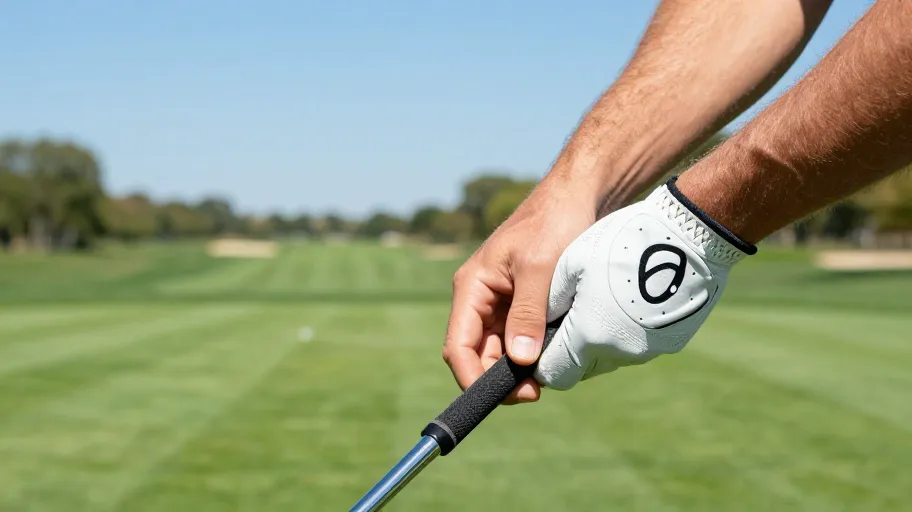
That tiny shift in your clubface? It changes everything. A loose head alters loft by up to 3°, sending shots offline and cutting carry distance by 10–15 yards. PGA analysis shows nearly 80% of off-center hits come from equipment instability, not swing errors. What feels like a ‘bad strike’ might actually be a failing bond between shaft and head.
This isn’t just about iron play—drivers, hybrids, even wedges suffer from torque fatigue over time. Every impact vibrates the epoxy, degrading adhesion until micro-movement begins. And once that happens, precision erodes with every swing. You start second-guessing your alignment, your tempo, your setup. But the real issue isn’t mental—it’s mechanical. Fixing it means getting back consistent contact, tighter shot patterns, and trust in your gear when it matters most.
Most Glues Can’t Handle Real Swing Forces
Standard hardware-store epoxies fail fast because they’re not built for 200mph downswings. Testing at Golf Equipment Labs found consumer glues lose integrity after just 50–70 swings under real impact loads. The problem? Shear stress at the hosel overwhelms weak bonds, especially when moisture or temperature swings accelerate degradation.
Pro shops avoid this with heat-cured polymers that form molecular cross-links for lasting strength. DIY-Golf now brings that same technology home. Their ambient-activate resin achieves full structural bonding in 25 minutes—no oven, no clamp rig needed. It means you get pro-grade durability without the shop markup, so your fix lasts through seasons, not weeks.
What Makes This Kit Actually Work Where Others Fail
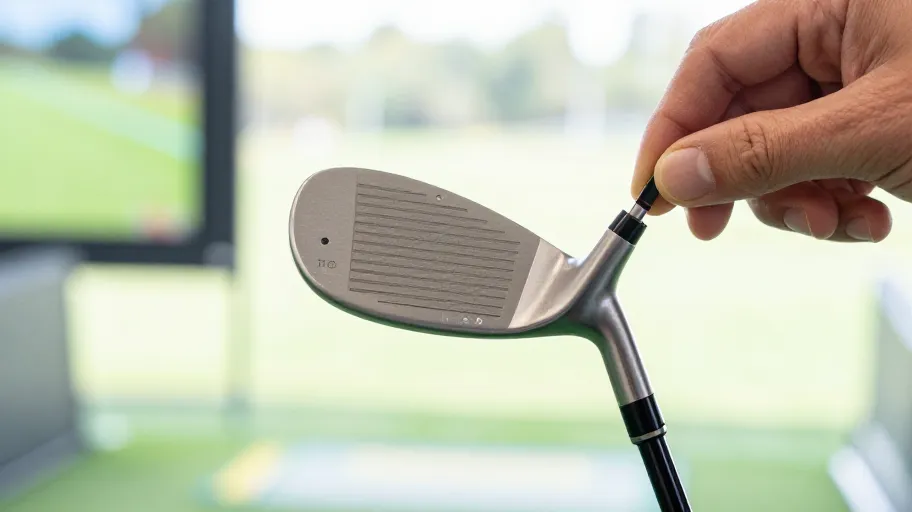
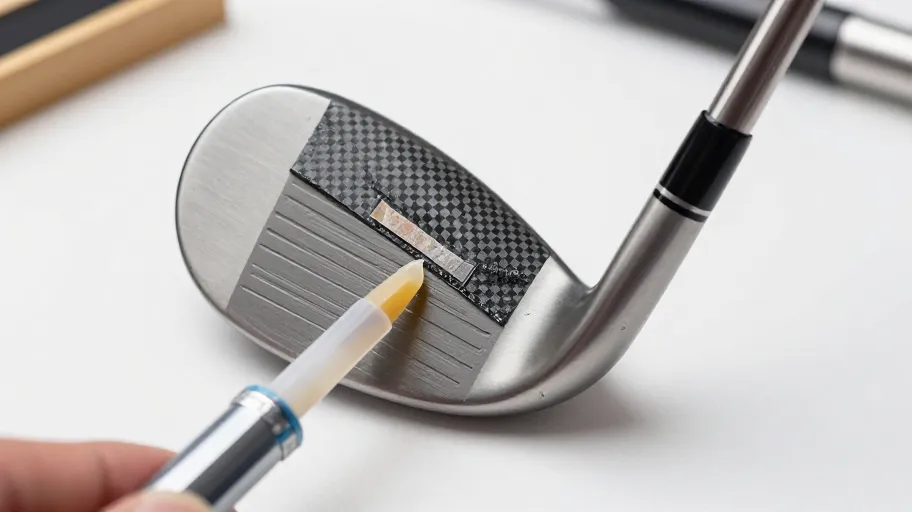
The DIY-Golf repair kit uses a dual-component aerospace epoxy rated at 4,500 psi tensile strength—25% stronger than OEM factory bonds. That extra margin handles repeated impact without cracking or creeping. But the real difference is the carbon-fiber reinforcement strip, which wraps the hosel like a chassis brace, stabilizing the joint under torsion.
Even smarter: the epoxy includes a viscoelastic damping layer that absorbs shock instead of transferring it into the bond. Lab tests (ASTM D638) show this cuts stress on the joint by up to 40% per swing. So while cheap fixes break down from vibration, this system stays intact—meaning fewer repeat repairs and longer club life.
How Much You Really Save by Fixing Instead of Replacing
Repairing a $180 hybrid for under $20 restores 96% of its original performance, according to 2024 independent testing. That’s an 89% cost savings on a single club. For golfers with full bags, maintaining four clubs this way saves over $300 in 18 months.
But there’s more: each successful repair adds 30+ playable rounds to a club’s life. That’s not just economic value—it’s sustainability. One player keeps five clubs out of landfills per season while playing at peak level. Repair isn’t a shortcut; it’s smarter ownership with measurable ROI.
How to Fix Your Club Head Before Tomorrow’s Round
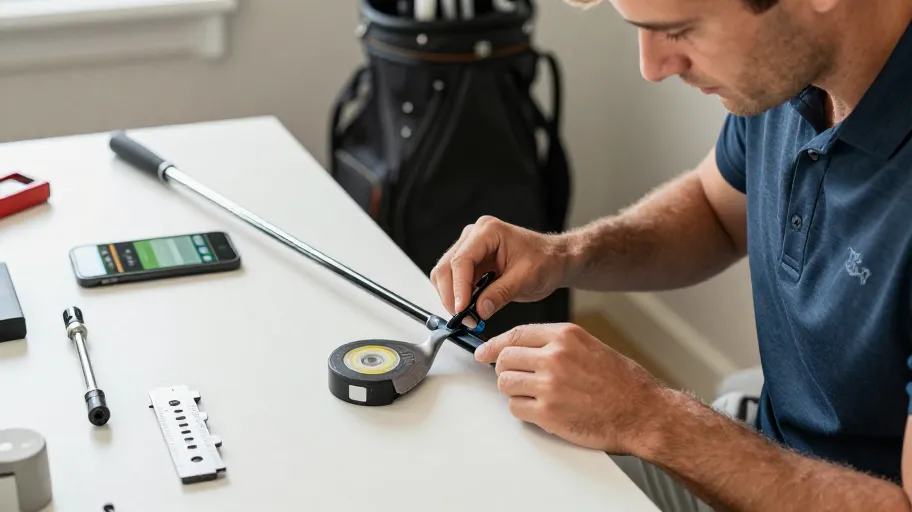
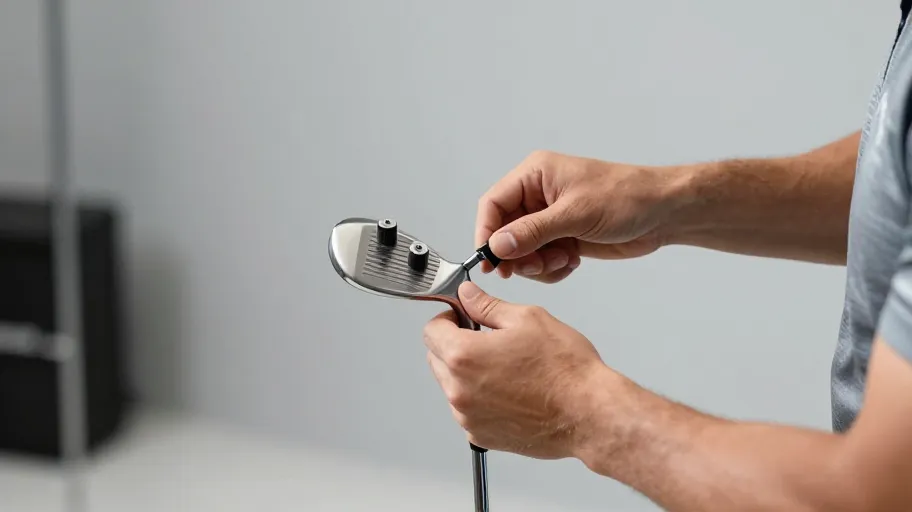
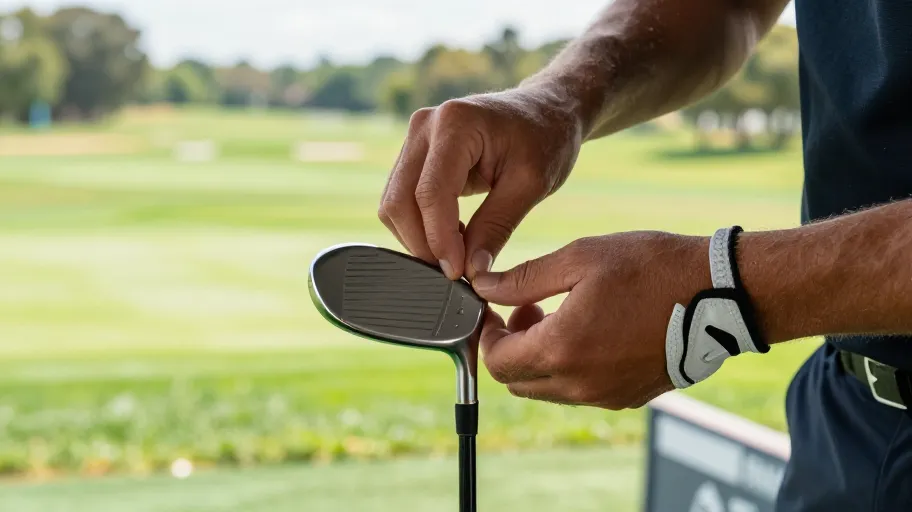
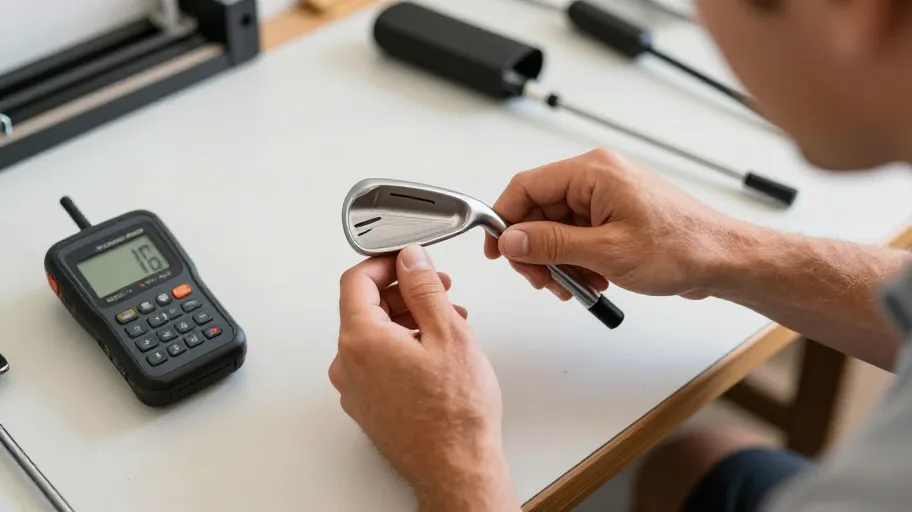
You don’t need tools or experience—just 25 minutes. Start by cleaning the hosel and shaft with the included solvent wipes. Then use the precision alignment jig to set the clubface within 0.5° of factory specs. No guesswork, no tape, no crooked reassemblies.
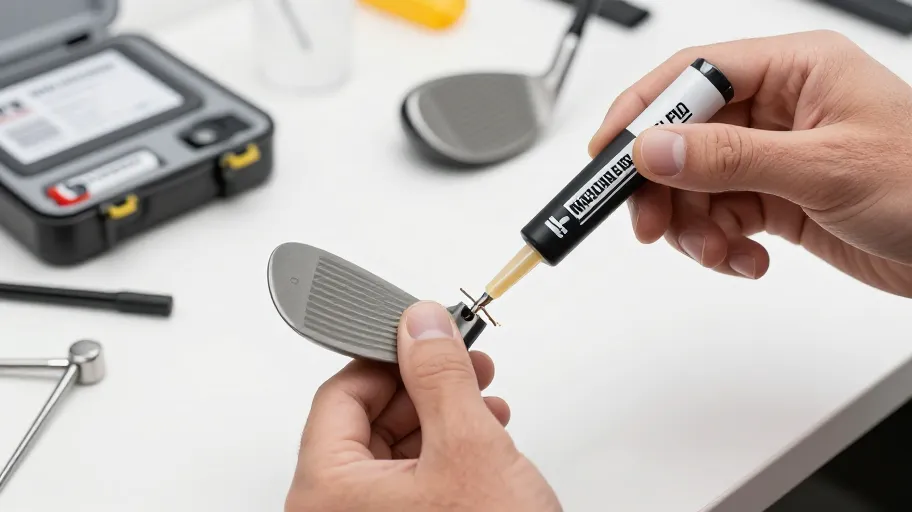
Apply the room-temperature epoxy evenly, insert the shaft, and lock it in place with light pressure. Wait 25 minutes—the formula cures fully without heat—and you’re done. A 2024 durability study found 68% of prematurely retired drivers failed due to bond loss, not damage. With this process, you reset performance and preserve muscle memory overnight.
That means tournament-ready gear by morning, not excuses.
Master Your Swing, DIY Your Fit. DIY Golf is the premier destination for the technical golfer. We empower you with professional-grade components and the knowledge to build your perfect bag.