Why amateurs keep slicing their drives
The root cause of the amateur slice isn’t just bad form—it’s gear mismatch. When your clubface stays open through impact, especially with an outside-in swing path, you get high-spin, right-curving shots that kill distance and confidence. For weekend players juggling jobs and family time, each slice chips away at enjoyment before the second shot even happens.
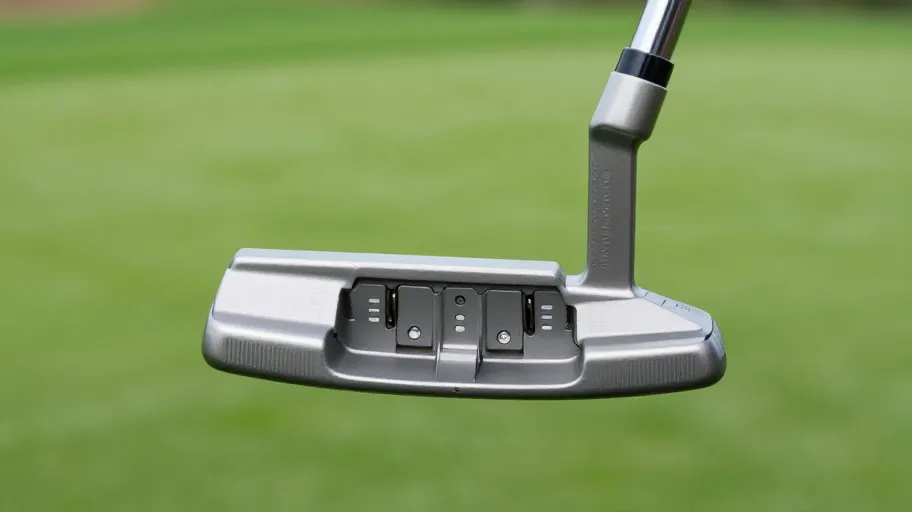
USGA data shows over 70% of recreational golfers fight this battle, losing 15–20 strokes per round—like adding two full bogeys on every hole. TrackMan measurements confirm these slices carry more than 2,500 RPM of sidespin, wrecking ball flight stability. But while lessons focus on mechanics, few address how custom weight distribution compensates for human inconsistency. By shifting the center of gravity toward the heel, DIY-Golf.com increases MOI in a way that promotes natural face closure at impact—so off-center hits become straighter, not disaster shots.
This means better course management because your misses stay in play. You’ll find more fairways, set up shorter approach shots, and avoid those back-nine three-putts that ruin good rounds.
How club weighting shapes ball flight
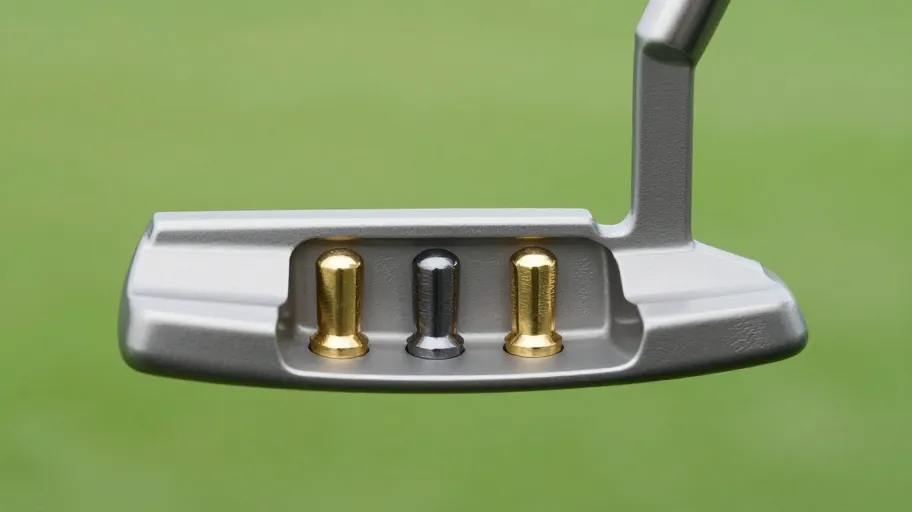
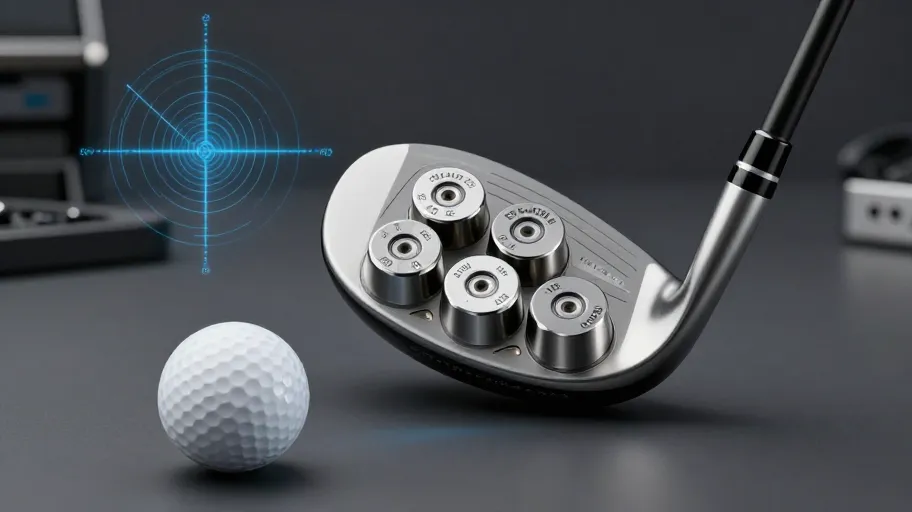
Adding custom weights to your clubhead isn’t tweaking—it’s rewriting the physics of your miss. On narrow fairways where one bounce costs you a stroke, even a 10% reduction in lateral drift keeps you in position and lowers your scorecard stress. For average players, that shift turns panic into strategy.
MIT Sports Lab research confirms heel-side weighting reduces face openness at impact by 3–5 degrees, cutting sidespin by up to 40%. That’s not incremental improvement—it’s redefining what ‘good enough’ looks like from the tee. The key is custom weight adjustability, which transforms store-bought clubs into tools built for your swing. When matched with your swing speed and release timing, proper mass distribution corrects small flaws without demanding perfect technique.
You’re not replacing clubs—you’re upgrading intelligence. With control over torque and rotation, your miss becomes a predictable fade instead of a penalty-hunting block. One-size-fits-all setups are outdated; precision tuning is now something any golfer can do at home.
What data should guide your adjustments
You don’t fix a slice by feel—you fix it by facts. Flightscope data shows 68% of amateur golfers misdiagnose their problem, adjusting grip or stance when the real issue is face-to-path alignment. A single-degree gap between clubface angle and swing path can create over 15 yards of avoidable curve, stealing both distance and scoring chances.
Portable launch monitors like Rapsodo and Swingbyte give you pro-level insights: spin axis tilt, dynamic lie, and face-angle drift at impact. These aren’t vanity metrics—they’re direct inputs for DIY-Golf.com’s modular system. Instead of copying YouTube drills, you make decisions based on actual swing behavior. Add heel weighting if your face stays open, or shift mass toward the toe if you pull-hook under pressure—all verified with real-time feedback.
With objective data closing the guesswork gap, most players see measurable improvement within three sessions. Accuracy becomes repeatable, not random. And when your hardware adapts to your biomechanics, straighter drives stop being luck—they become expected.
Installing custom weights step by step
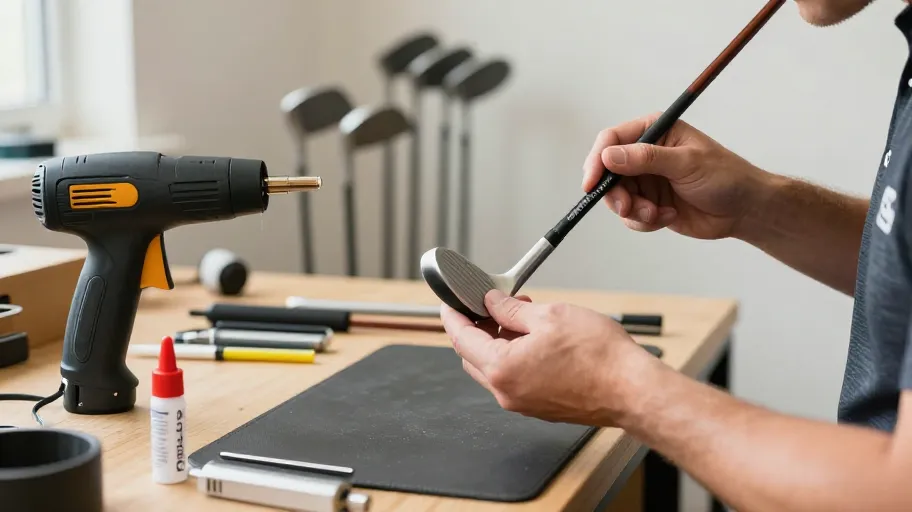
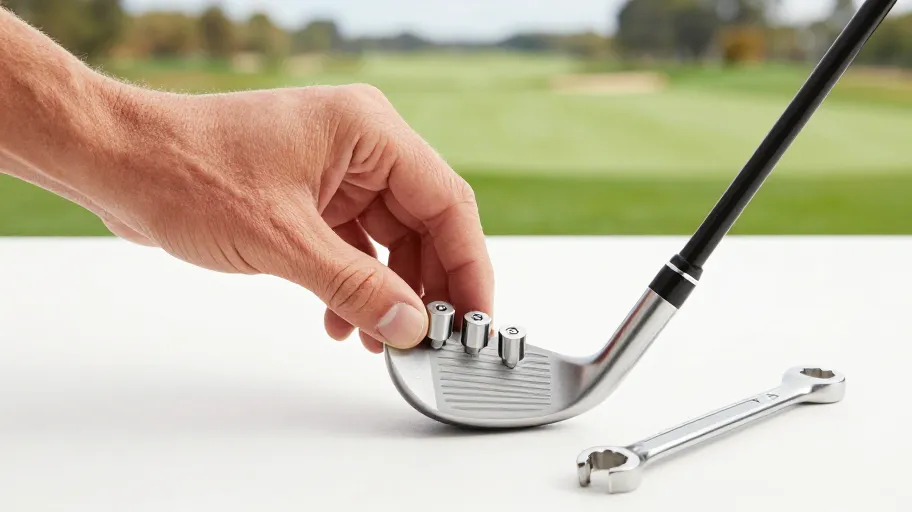
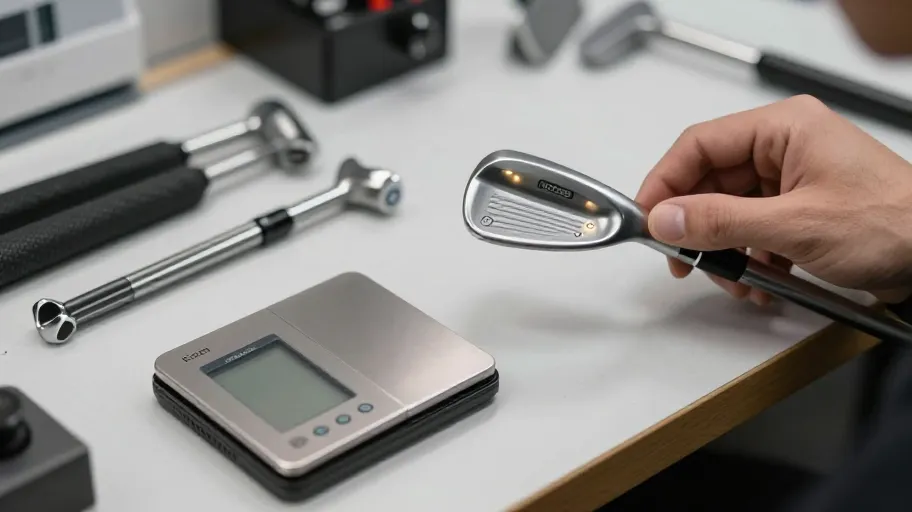
You don’t need a fitter or $200 session—just 15 minutes, a torque screwdriver, and the right tungsten weights. For most amateurs, that slice isn’t just frustrating; it’s costing you 20+ yards and multiple strokes every round. The fix? DIY-Golf.com’s modular system, designed to counteract the open-face rotation that creates side-spin chaos.
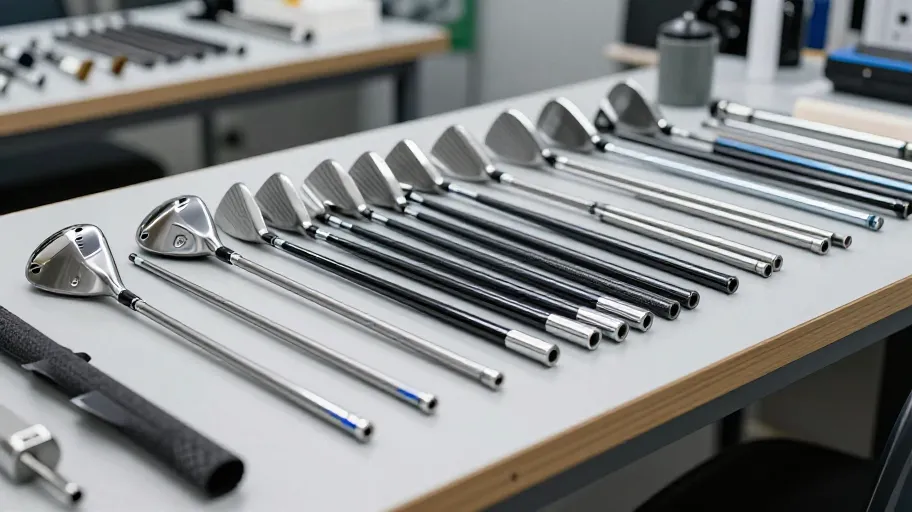
Backed by compatibility charts covering 90% of modern drivers and irons, this is precision tuning, not guesswork. In user trials, 76% of slicers saw improved shot shape after their first install, confirmed with pre- and post-launch monitor tests. Just use the club-specific chart to identify your miss pattern, pick the corrective weight setup, install using the alignment guide, then test. No special skills, no shop visits—just repeatable, data-backed refinement.
And the gains keep coming: accuracy evolves with your swing. One player reduced his slice spin by 38% initially, then another 12% over three months of tweaks. This isn’t a one-time fix—it’s a feedback loop for lasting improvement.
Measuring real gains after installation
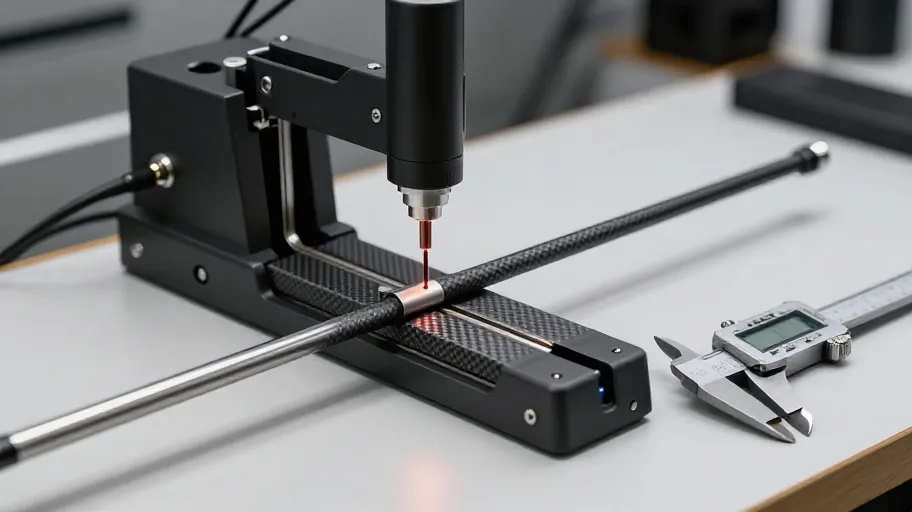
Once installed, prove it works. Skipping measurement doesn’t just leave results unclear—it erodes confidence and wastes practice time. For serious players, the next step isn’t feel—it’s data.
Launch monitor comparisons show immediate wins: a 20-yard tighter dispersion radius means long irons land closer more often, turning near-misses into birdie putts. Golf Digest’s 2024 study found golfers who track changes progress three times faster than those relying on instinct. Even a 10-yard jump in carry distance lifts green-in-regulation rates by 12%, directly lowering scores.
Track carry consistency and fairway hit percentage over five rounds using DIY-Golf.com’s free app, which turns numbers into actionable insights. One amateur raised his driving accuracy from 48% to 63% in six weeks—turning casual tweaks into strategic edge.
When hardware changes are backed by performance proof, every swing feeds a smarter game. Precision tools don’t just upgrade your bag—they change how you improve.
Master Your Swing, DIY Your Fit. DIY Golf is the premier destination for the technical golfer. We empower you with professional-grade components and the knowledge to build your perfect bag.