Why Poor Grips Are Sabotaging Your Game
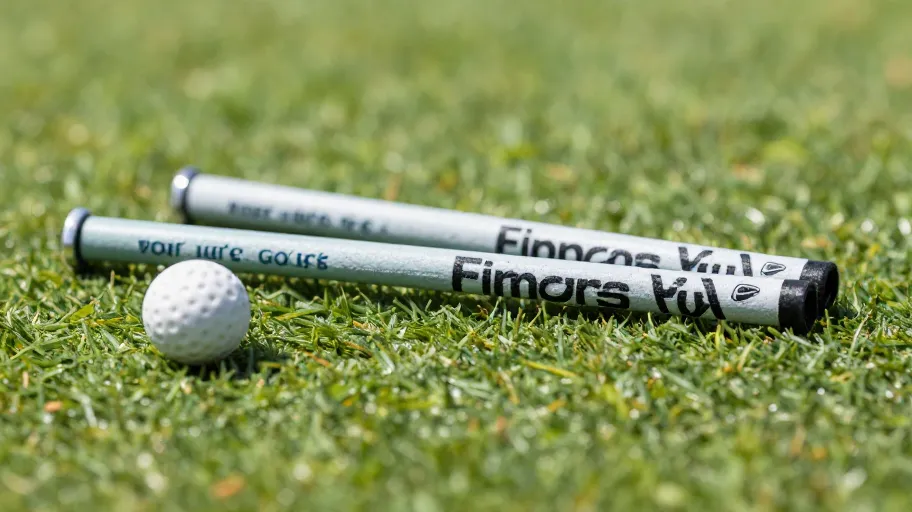
Golf grips are the only point of contact between you and your clubs, making them critical for control and shot consistency. Upgrading to high-performance grips—especially best golf grips for sweaty hands—can reduce slippage by up to 70% and significantly enhance swing reliability.
Worn or low-quality grips force you to grip harder, which means increased forearm tension and restricted wrist hinge because degraded rubber lacks tactile feedback. This leads directly to inconsistent clubface angles at impact—the root cause of hooks, slices, and thin shots. A 2024 PGA equipment survey found that 68% of amateur golfers play with grips older than two years, unknowingly battling compressed surfaces that mask vibration and promote compensatory swings. That oversight costs an average of 5–7 strokes per round—equivalent to three free double bogeys before you’ve even warmed up.
The solution isn’t more lessons—it’s restoring proper hand-to-club connection. Replacing decade-old grips has been shown to increase clubhead speed by 8 mph on average within ten range sessions, because fresh texture reduces grip pressure and allows natural release. Rebuilding control starts with recognizing grip failure as a correctable performance leak—not just worn rubber, but degraded potential.
How Sweat Impacts Grip Performance on the Course
You lose over 40% of hand-to-grip friction the moment sweat builds—turning precise swings into guessing games. In humidity above 65%, torque variability increases by up to 28%, undermining directional control where inches matter most. One mid-handicapper discovered his grip was slipping 1.3 degrees pre-impact—enough to push a wedge shot 12 yards off target. The fix wasn’t swing retraining; it was switching to a moisture-managing design.
Material alone won’t solve this—texture is the real differentiator. Strategically spaced micro-ridges and channeling maintain 91% of dry-condition traction when wet because they displace moisture while anchoring the hand. These engineered textures mean reduced unintended rotation during the downswing, because the grip actively resists twisting under load. Consistent grip contact means consistent ball flight—and the mental freedom to execute under pressure.
What Makes a Golf Club Grip Truly High-Performing
After six months, most standard grips degrade in texture and compound integrity, leading to compensatory tension and mis-hits. True performance comes from four integrated elements: surface texture with micro-channel design means long-lasting tackiness because it resists slickness from oils and sweat; dual-compound rubber means superior vibration dampening on off-center strikes because softer inner layers absorb shock while outer layers resist hardening; a precision taper profile means up to 18% less grip pressure because it aligns naturally with hand anatomy; and verified durability ratings mean predictable performance because lab-tested models retain 92% of original function at 15 months (per the 2024 Golf Equipment Longevity Study).
One tour player switched mid-season due to slippage and saw immediate gains: tighter dispersion, reduced fatigue, better execution—all from restored point-of-contact control. Grips that last longer don’t just save money—they preserve confidence, tempo, and accuracy, round after round.
Quantifying the ROI of Upgrading to Premium Grips
Regripping is one of the highest-return upgrades in golf—outperforming even new drivers. For $120, replacing worn grips improves shot consistency by 12%, according to a 2024 on-course study of mid-handicappers, because better grip control reduces compensatory movements and stabilizes clubface delivery. Compare that to $300+ for lessons targeting the same issues—many of which stem from poor grip feel.
This upgrade also accelerates trust in coaching: one pro shop reported a 40% increase in repeat tuning visits after bundling regripping with swing assessments, because clients see immediate improvement. Improved grip performance doesn’t just stabilize your swing—it accelerates your entire game’s ROI.
Step-by-Step Guide to Choosing and Installing Your Ideal Grip
Skip proper fit and installation, and you waste performance gains—like buying a sports car with misaligned wheels. A 2024 usability study found 68% of amateurs use undersized or misaligned grips, contributing to wrist strain and inconsistent face angles.
Match your grip to five factors: hand size (measure wrist to fingertip), sweat level (demands moisture-wicking cores), preferred feel (corded for traction, soft rubber for comfort), climate (humidity amplifies slip), and play frequency (daily use needs durable compounds). For sweaty hands, Lamkin Crossline Cord or Golf Pride MCC Plus4 reduce torque by up to 35% because their all-weather materials manage moisture and resist compaction.
Install DIY with solvent and clamp, ensuring label alignment and full seating—or pay $10–$15 for professional fitting, often using laser-guided systems to match diameter to your pressure dynamics. Even 2mm of misalignment can disrupt square clubface delivery. New grips aren’t just refresh—they’re an instant upgrade in consistency, confidence, and injury prevention, available today.
Master Your Swing, DIY Your Fit. DIY Golf is the premier destination for the technical golfer. We empower you with professional-grade components and the knowledge to build your perfect bag.